
Linear Labs Newsletter, by Leo Moraes
Last week my teenage son asked me to buy him a DVD player for his birthday. No, this article was not written in 2004.
When I asked him why, he said it was because there are movies he wants to actually own, not just have access to through some streaming service we don’t even know we’ll still be subscribing to next year. It reminded me of the time our Apple TV credit card expired and nobody caught it in time. We lost access to every pay-per-view movie we thought we’d “bought.” Which, to me, feels like a rip-off. They sell me something that’s supposedly mine, and I can only access it as long as I keep paying for the privilege?
I don’t want this to turn into a boomer whine about technology, or a nostalgic “back in my day” piece. But I do think there’s a middle ground between stubborn resistance to change and blindly swallowing every novelty the technocrats push down our throats. We tend to focus on what we gain from a technological advance and rarely count what we’re giving up to get it. Because it’s always a trade-off.
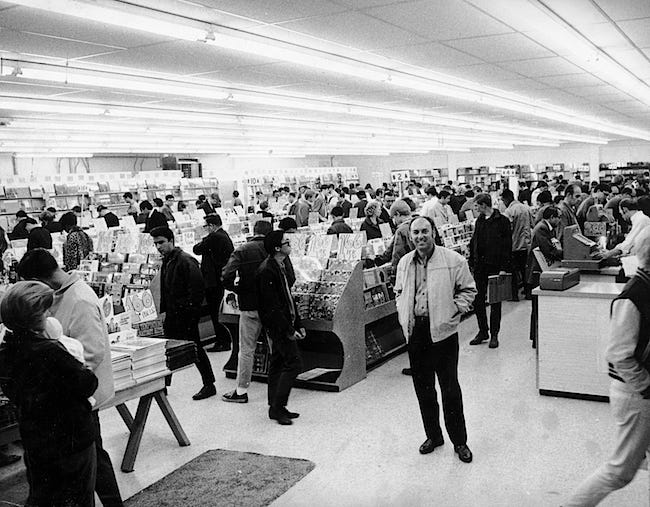
There’s a documentary, All Things Must Pass, on the rise and fall of Tower Records, and it’s a must-watch for anyone who cares about music. There’s a scene where founder Russ Solomon talks about the company’s first real earthquake: the arrival of the compact disc. That was the period they made the most money, because people who already owned entire collections on vinyl started buying everything all over again on CD. Here’s the thing, though: vinyl had a run of over fifty years before the CD showed up. The CD lasted maybe twenty before mp3 knocked the wind out of it (and out of Tower Records with it). And we blinked, and mp3 was already giving way to streaming. The cycles keep compressing.
But there’s more going on than just new tech replacing old tech.
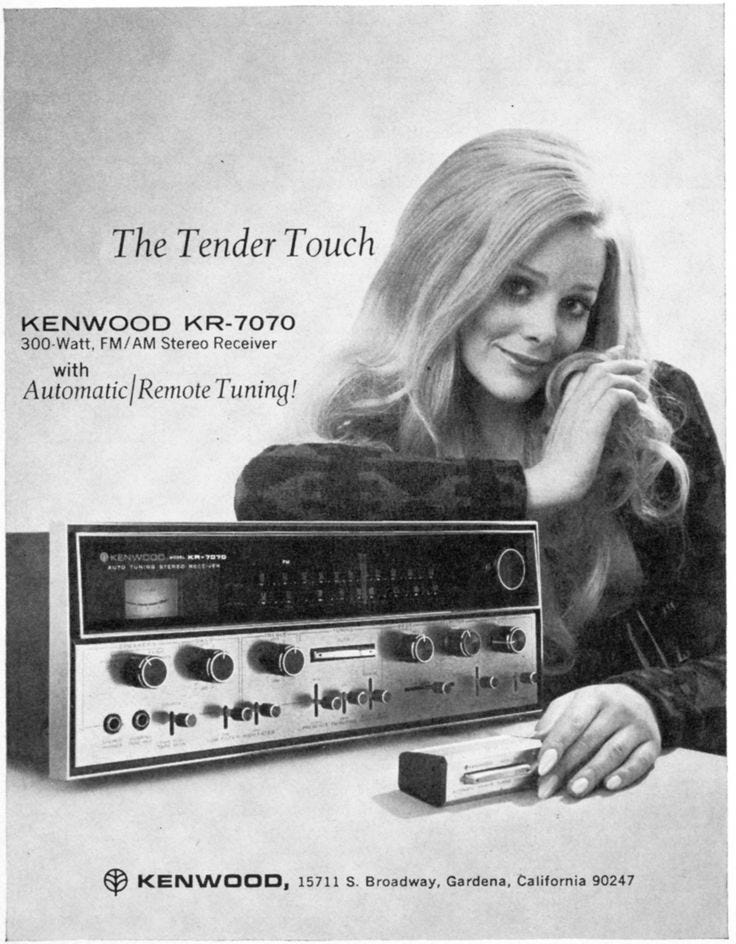
Let’s talk about built-in obsolescence. The receiver I use to listen to music is a Kenwood my dad bought in 1968. Serviced a few times over the decades, it still sounds incredible. Meanwhile, it feels like just yesterday that loading music onto my iPod was the cutting edge. I still have that iPod, with over 100 gigs of music I can’t get back out of it, and I doubt my kids will be using it in 40+ years the way I still use my dad’s receiver today. For studio gear it feels even worse. Audio interfaces that cost a small fortune become paperweights in under a decade, plugins you don’t buy anymore, you rent, forever.
We’ve reached a point where we’re well beyond the old analog-versus-digital debate being about quality. I’m typing this in an app that isn’t even installed on my computer, and the file saves itself to the cloud without me asking. Our memories, our photos, the fruit of our labor, even the tools we use to make it, all of it lives on servers owned by corporations that have given us plenty of reasons to distrust them. Yes, there’s real convenience in that. But it feels important to stay conscious of how much of our lives we’re quietly handing over for it, and even more important to keep some of what matters rooted in the physical world. Which means keeping the ecosystem around that world alive too: the guy who still fixes analog cameras, the film lab that hasn’t shut its doors, the vinyl pressing plant running machines older than its employees. This is human knowledge, hard-won and quietly disappearing, that needs hands to carry it forward.
Which brings me back to my son and his DVD player.
Honestly? I’m getting him one. He’s a teenager, and he already understands something that took my generation years to learn: owning something means being able to use it after the company that sold it to you stops caring whether you can.
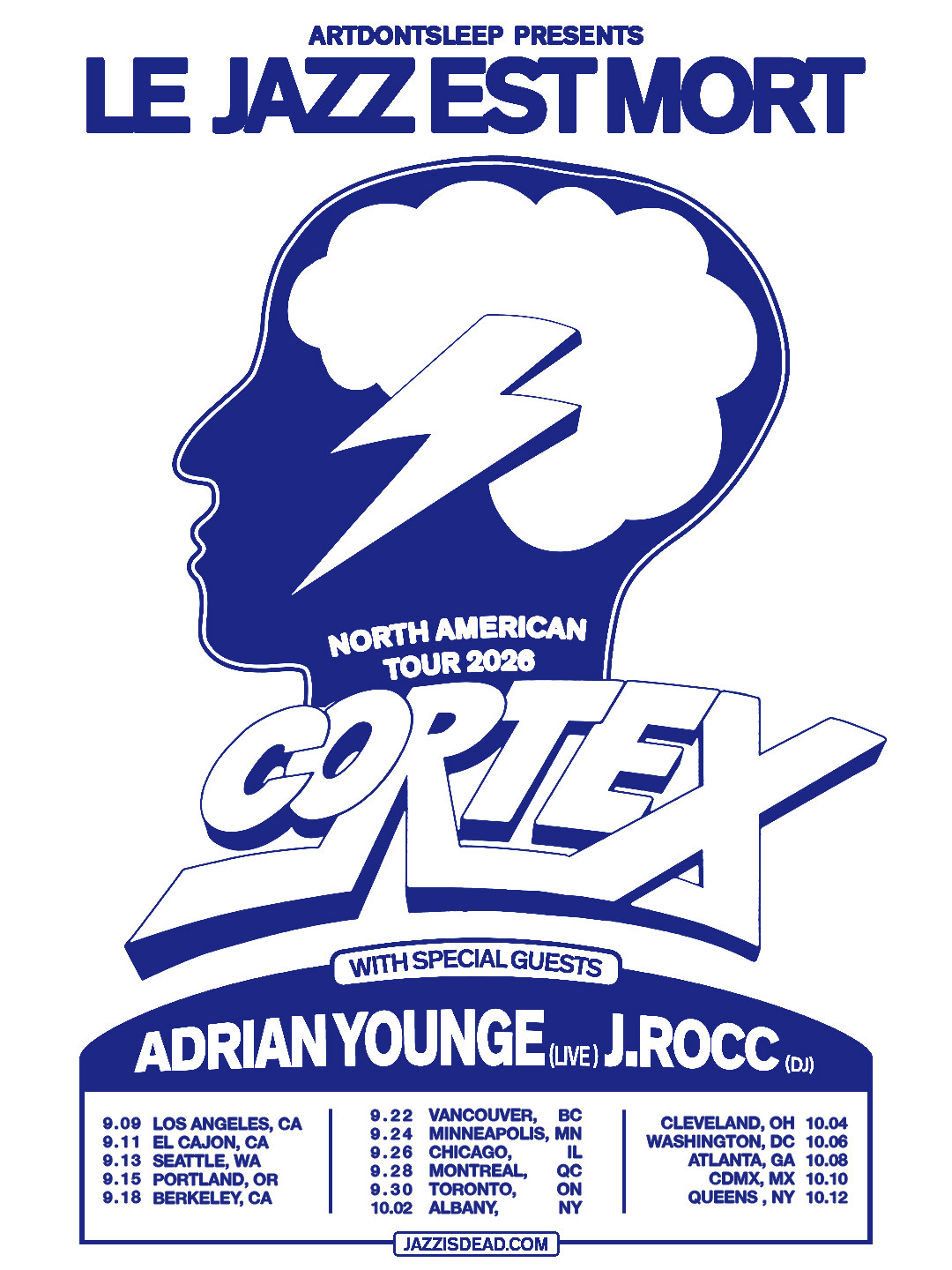
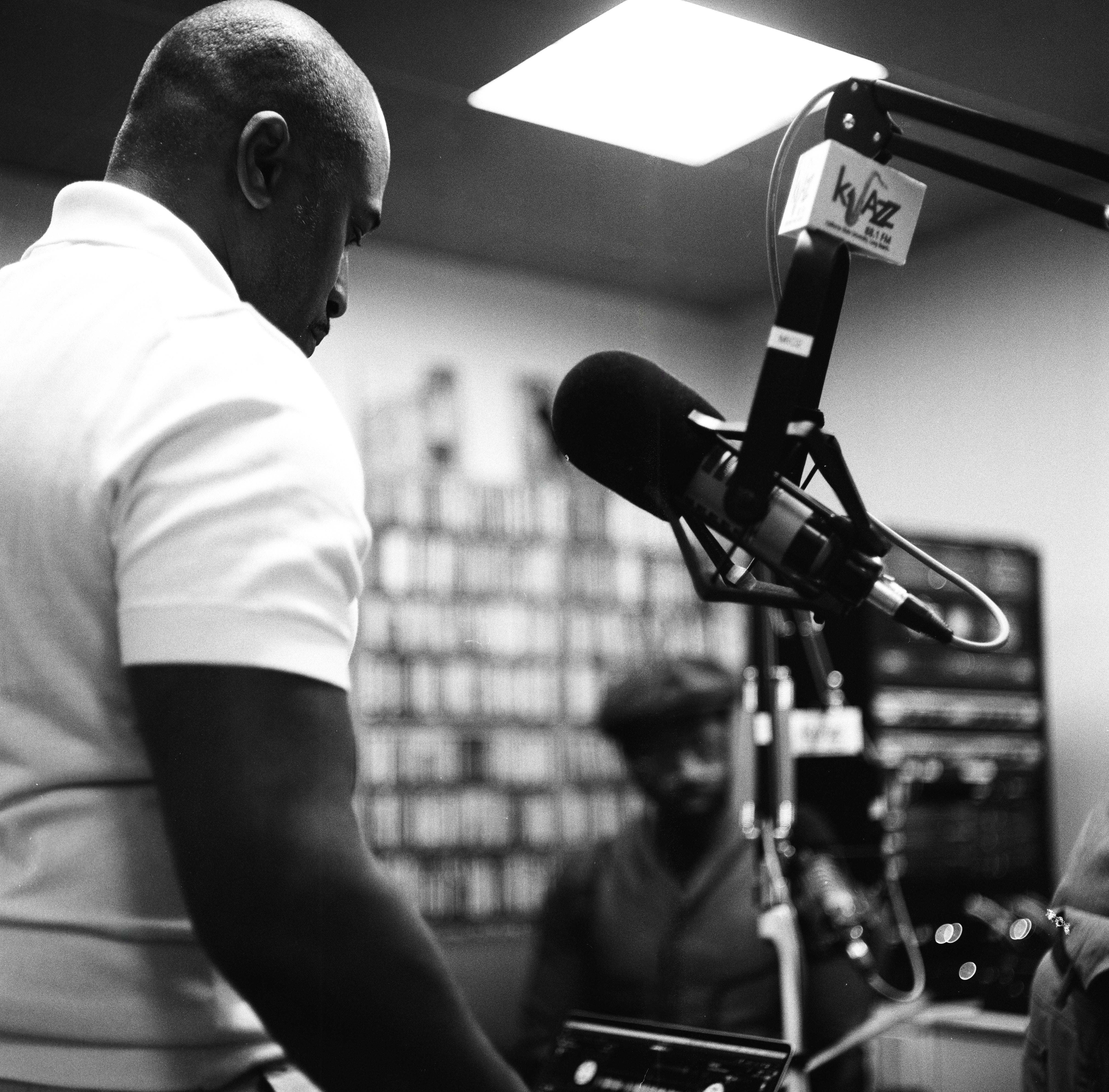
This is, in a roundabout way, exactly what we’re doing here. It’s why Adrian cuts records one at a time on a machine older than his parents, why Linear Labs keeps the whole chain, from musician’s hands to vinyl groove, inside walls we control. It’s why Jazz Is Dead presses wax instead of just uploading files, and why ArtDontSleep keeps bringing people back into rooms together, onto dance floors, into the kind of shared experience no subscription can quietly take away at 2 a.m. because a card on file expired.
None of this is anti-technology. We get to use the cloud and still keep a shelf. We get to stream a record and still buy the pressing. We get to use what’s new without letting it erase our claim to what’s ours.
So yes, I’m buying the DVD player. Some things are worth owning outright. We intend to keep making them.
Thanks for reading! This post is public so feel free to share it.
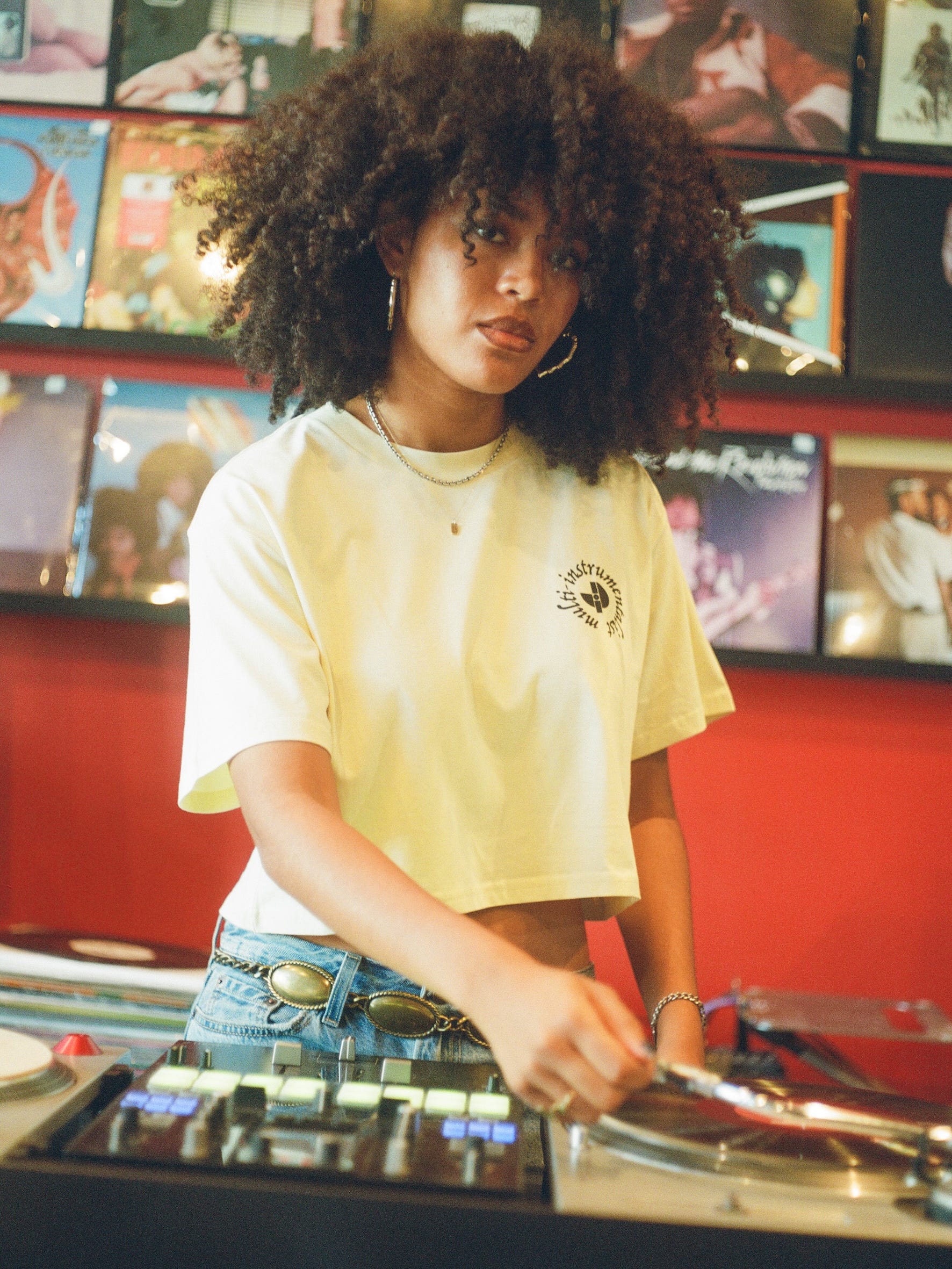
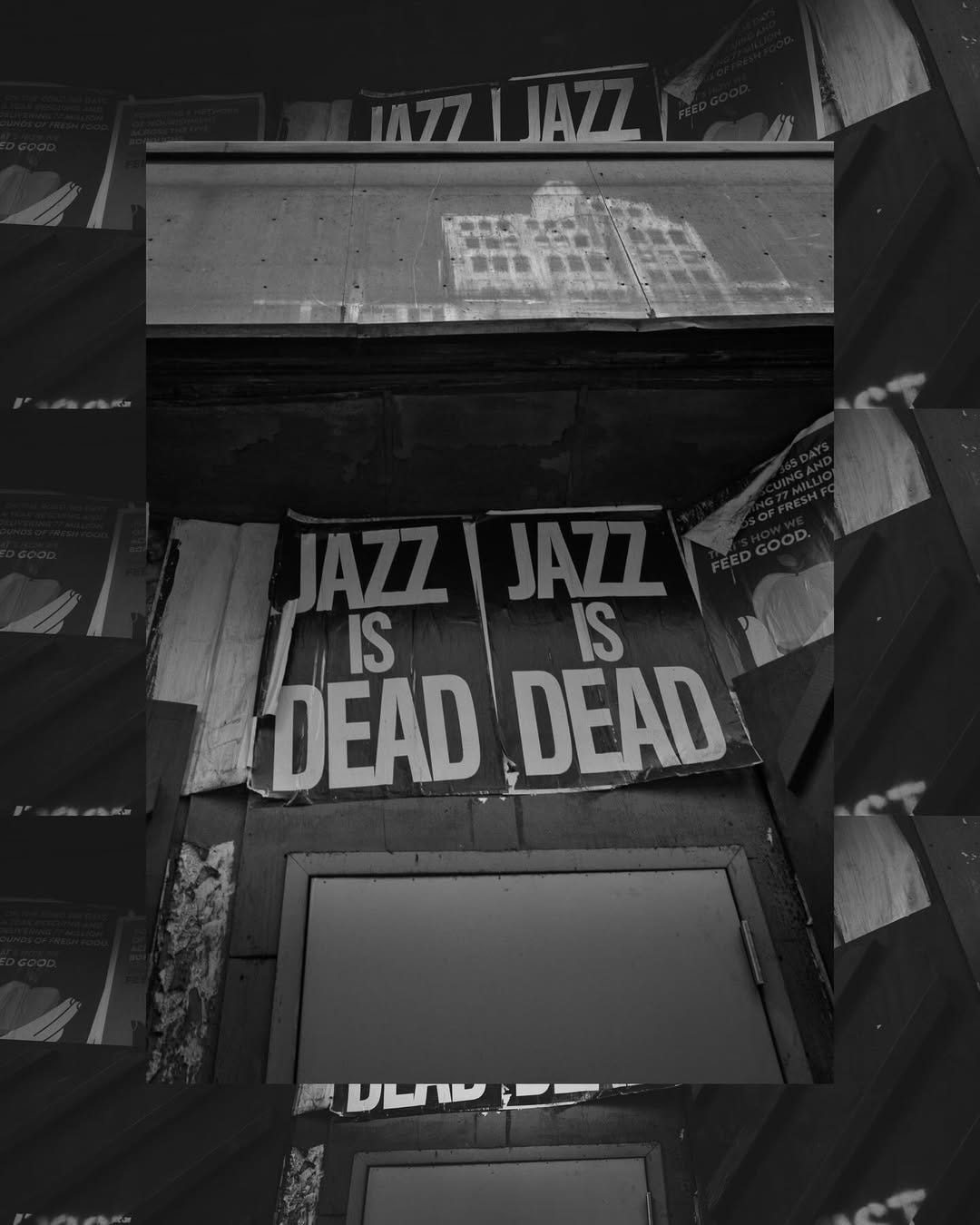
What started as a whisper passed from one person to the next. Not a eulogy, a statement. Everything in this line comes from that same idea: sound as a circle, freedom as discipline, culture as something you carry and hand off, not something you inherit and forget. This collection is for the ones doing the passing.
Full line out now. Link below.
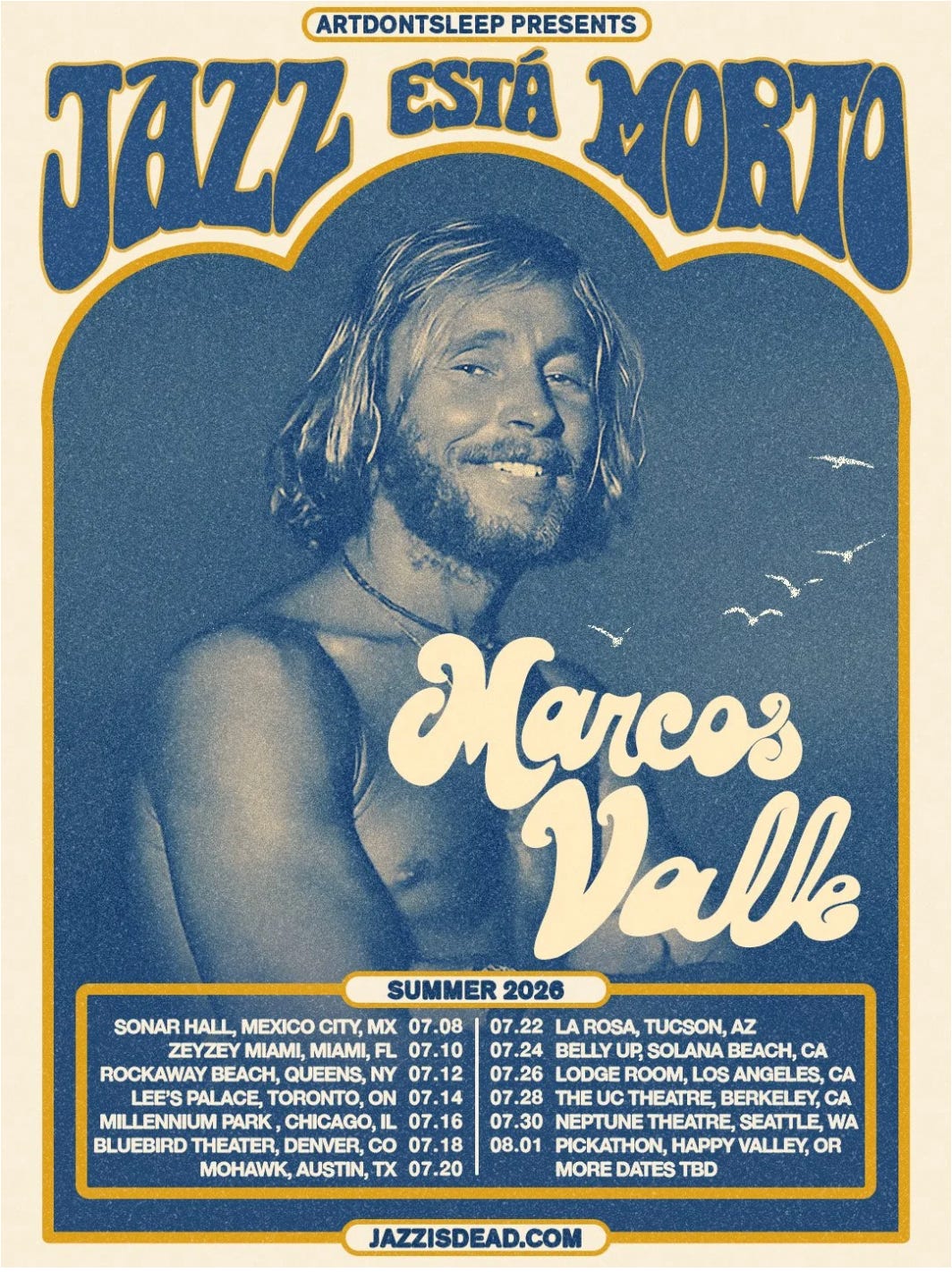
Every Friday, from 6PM to 8PM PST
No posts
Comments
Nothing yet. Say the first thing.
Sign in to join the conversation.