
The UK just experienced its hottest June on record, with parts of the country reaching over 33°C. And while we may catch a short break (I’m relishing being a little cooler this week), forecasters suggest that more heat is likely through July and into late summer.
Whether or not you're a fan of the sun, one thing is increasingly clear:
This isn't a one-off.
It's the new normal.
The rising intensity and frequency of heatwaves isn't just a weather issue, it's a resilience issue. And as with all forms of pressure, it reveals the strengths and weaknesses in our systems.
So how do we stay resilient in the heat?

Physical health: Heat can strain the body in ways we often underestimate. Dehydration, heat exhaustion, and poor sleep (this one in particular is something I find really tough in hot weather) all chip away at our wellbeing. Start with the basics:
Stay hydrated (don’t wait until you’re thirsty)
Shift exercise or errands to cooler times of day
Keep your environment shaded and ventilated
Mental health: Hot weather can fray tempers and reduce patience. Fatigue and poor sleep can amplify anxiety, irritation, and emotional reactivity. Build in cooling rituals for the nervous system, too: slow breathing, grounding, cold water, quiet.
Sleep hygiene: If you don’t have AC (most of us in the UK don’t — and we only ever notice this when the heat hits), small things can help: cotton sheets, cold showers before bed, fans with a bowl of ice in front, blackout blinds, and ditching screens late at night.

Check on your people. Heat is most dangerous for the elderly, the very young, and people with chronic conditions. If you're well, check in with someone who might be struggling.
Resource sharing matters. Got a spare fan? Share it. Know someone whose flat traps heat? Invite them over to cool down. Micro-acts of mutual aid matter more than most official campaigns.
Local response: Some neighbourhoods organise water bottle drops, shaded communal spaces, or even WhatsApp support groups during extreme weather. None of it has to be formal. Social resilience is often as simple as caring out loud.
Home adaptations: Reflective blinds, window films, ventilation strategies, and insulation that protects against both cold and heat are no longer luxuries. They're long-term investments in resilience.
Basic supplies: Make sure you have:
Enough water for a couple of days
Rechargeable or battery-powered fans
Ice packs, cooling cloths, loose clothing
A power bank for your phone in case of outages due to extreme heat
Wider systems awareness: If your community, workplace, or local authority isn’t talking about climate adaptation, be the person who raises the question. Heat isn’t just uncomfortable, it’s dangerous… especially when infrastructure lags behind reality.
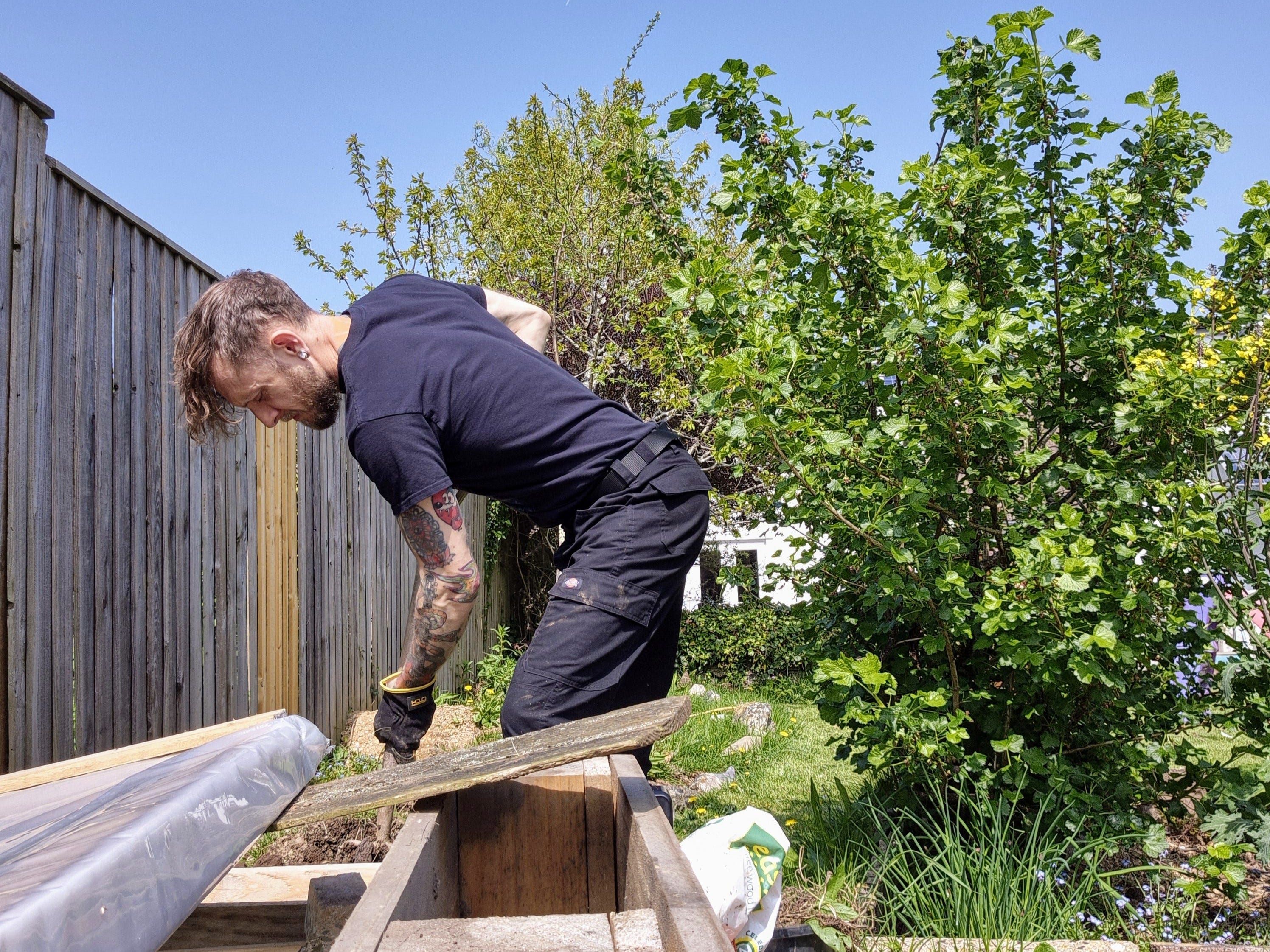
Climate change isn't just about big events on far-off timelines. It's here. It's now. And it’s hitting hardest in the everyday spaces: our homes, our streets, our bodies. It’s not just about heat, of course… I’ll deal with some other potential scenarios in future articles.
But the good news is: resilience is learnable. It’s buildable. And it’s best done together.
We don’t need to wait for permission or perfection. We can prepare just a little bit better today.
Stay cool. Stay steady. Stay connected.
Jay x
Want to explore practical, shared resilience with a like-minded group? Ask me about the Functional Resilience Social Club.
No posts
Comments
Nothing yet. Say the first thing.
Sign in to join the conversation.