
I haven’t written here since last July… seven months ago.
While that wasn’t deliberate, it was well-needed.
Over this period I’ve been thinking a lot about what resilience means to me, and what it means in the broader context of the modern world… not the corporate version, not the self-care version, not the ‘positive mindset’ version.
The real version.
And if I’m honest, in the past couple of weeks I realised something which made me a bit uncomfortable:
I was becoming defined by what I oppose.
Chronically alert
Scanning for threats.
Consuming analysis.
Reacting to a constant news cycle.
Feeling morally clear but physiologically wired.
ALL. THE. DAMN. TIME.
It didn’t feel weak, at the time.
It felt righteous.
It felt justified.
It felt powerful.
But eventually, it also felt exhausting.
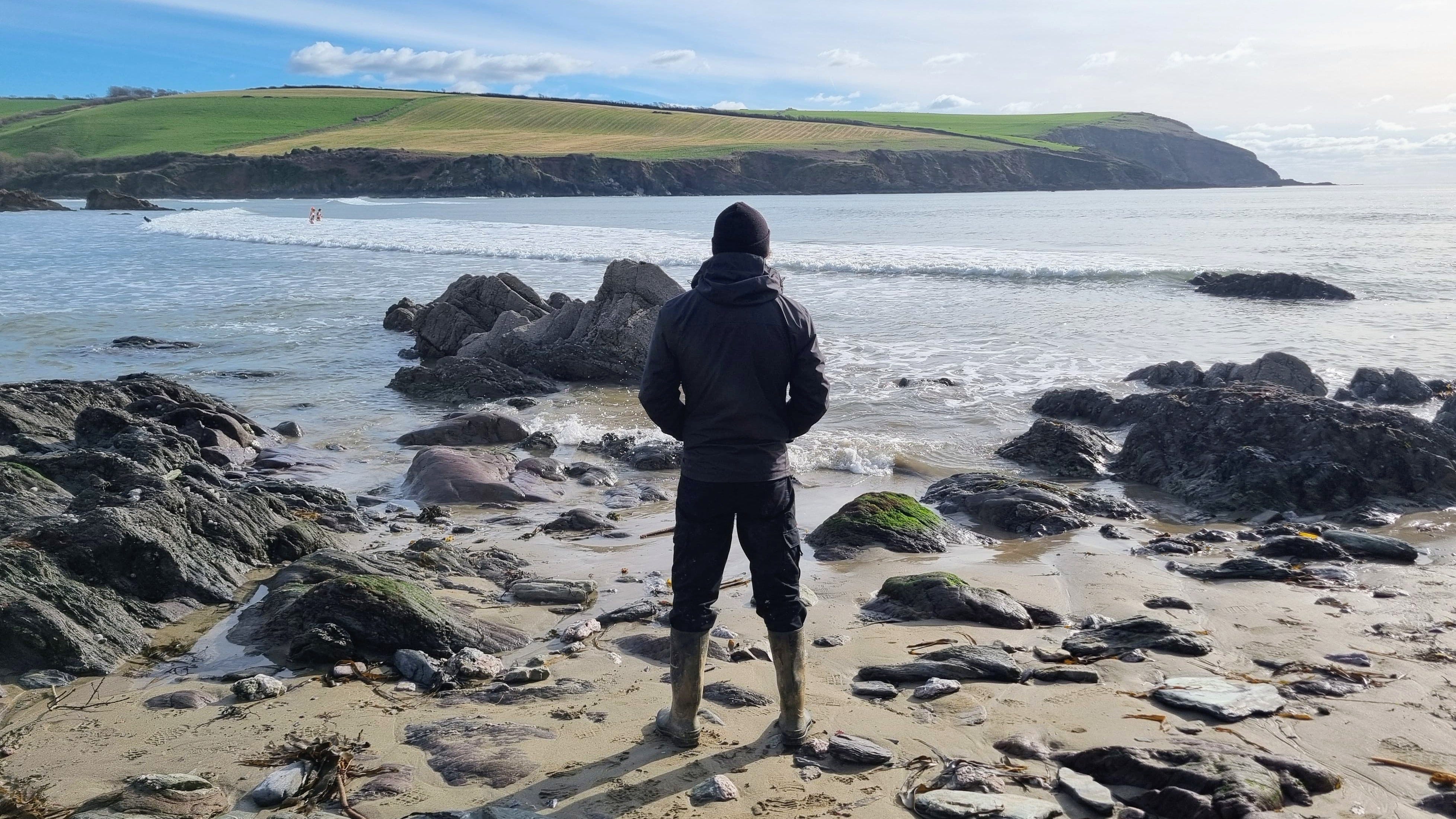
There’s a difference between staying informed and being permanently activated.
Alertness can be healthy.
Opposition can be necessary.
Systems absolutely create pressure and stress, and need to be challenged/changed.
But when your nervous system never stands down, clarity begins drifting into the realms of hypervigilance.
And hypervigilance isn’t resilience.
It’s the opposite… it wears you down.
It’s depletion.
I started to notice that I was thinking more about what was broken, than what I could build.
More about fragility and power imbalance at scale, than strength at ground level.
Stuff was getting under my skin, and I was constantly pissed off.
I was becoming paralysed rather than motivated.
That does not help me, and it does not help the people around me.
And that is NOT the direction I want to go.
Resilience isn’t just keeping your head above water during times of chaos or adversity; it’s also building capacity so the chaos has less leverage over you.
For me, that means the three overlapping areas I outlined when I developed the Functional Resilience framework last year (which I’m in the process of revisiting this week):
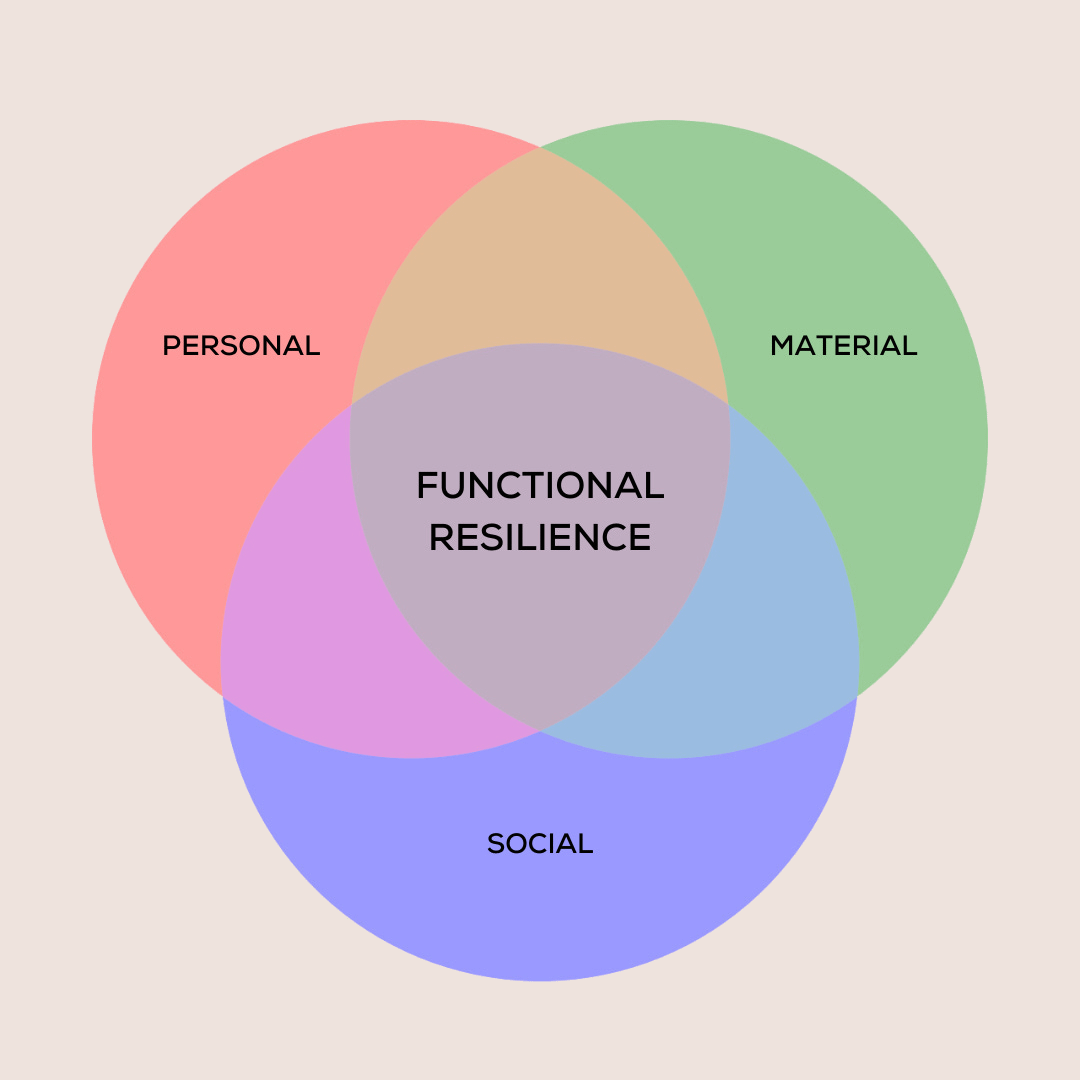
Physical strength and fitness.
Emotional intelligence.
Understanding stress patterns and triggers.
Sleep and recovery.
Skill development.
Resource management.
Basic competence/practical capability.
Financial security.
Transport options.
Being a little less dependent on fragile systems for everyday functioning.
(Not paranoia, just robustness)
Prioritising meaningful relationships
Knowing your neighbours.
Building local trust.
Creating mutual support that doesn’t require an app, a brand, or a central authority.
(I am working on the foundations of an experiment specifically in this area right now, more to come soon…)
There’s a phrase I won’t use here, but I’ll describe it instead:
I want to be harder to manipulate through fear.
Harder to destabilise through headlines.
Harder to divide through outrage cycles.
Harder to sell superficial ‘solutions’ to.
That doesn’t mean passive, or unaware. It just means steady, balanced, adaptable, compassionate, and capable.
Strong bodies and minds panic less.
Connected communities fragment less.
Emotionally literate people escalate less.
Resilient people don’t need to dominate to feel powerful.
There’s a seductive clarity in defining yourself by what you resist.
It feels sharp.
It feels principled.
It feels ‘awake’.
You also get that validation from other people who are angry about the same things, and that feels good. We’re all human, right? We all like to feel validated, that’s normal.
But if your identity becomes anchored in opposition, your nervous system never rests.
And if your nervous system never rests, you don’t build anything durable… you are just in a constant state of panic. You unconsciously train yourself to react in increasingly extreme ways, to get the same emotional hit.
That’s not the life I want.
It' doesn’t help me help others.
And it’s not what I want to write about.

Functional Resilience isn’t a protest platform.
It isn’t corporate wellbeing content either.
It’s a place to explore how individuals and communities can build practical capacity in uncertain times, using myself and the people around me as a case study.
A documented journey of how to become physically stronger, mentally steadier, materially more prepared, and socially more connected.
Not naïve.
Not militant.
Not chronically outraged.
Just capable.
If you’re here, and you’ve also felt yourself sliding into constant alert mode, I get it.
There is real pressure.
Real uncertainty.
Real structural stress.
But resilience isn’t living in permanent opposition to these things.
It’s building enough capacity that you don’t need to be, and can instead choose your battles more wisely.
That’s the direction from here, for me.
⬇️ Less reacting.
⬆️ More constructing.
⬇️ Less validation chasing.
⬆️ More capacity building.
See clearly.
Then build calmly, and sustainably.
🤘🏼🖤
PS: What about you? How have you been feeling? Hit the button below to add a comment ✨
No posts
Comments
Nothing yet. Say the first thing.
Sign in to join the conversation.