
Over the years, my relationship with my own body has shifted dozens of times. At one point, I was incredibly lean. Visible abs, single digits on body fat scans, a sense of pride in having ‘nailed it’.
But I wasn’t necessarily functioning better. I was often cold. I was always tired. I was irritable. I got ill easily. I was constantly chasing perfection and felt guilty when I fell short.
Oh, and I was sitting in the car outside a kid’s birthday party eating cold chicken and greens out of a plastic tub, because I was terrified of the buffet.
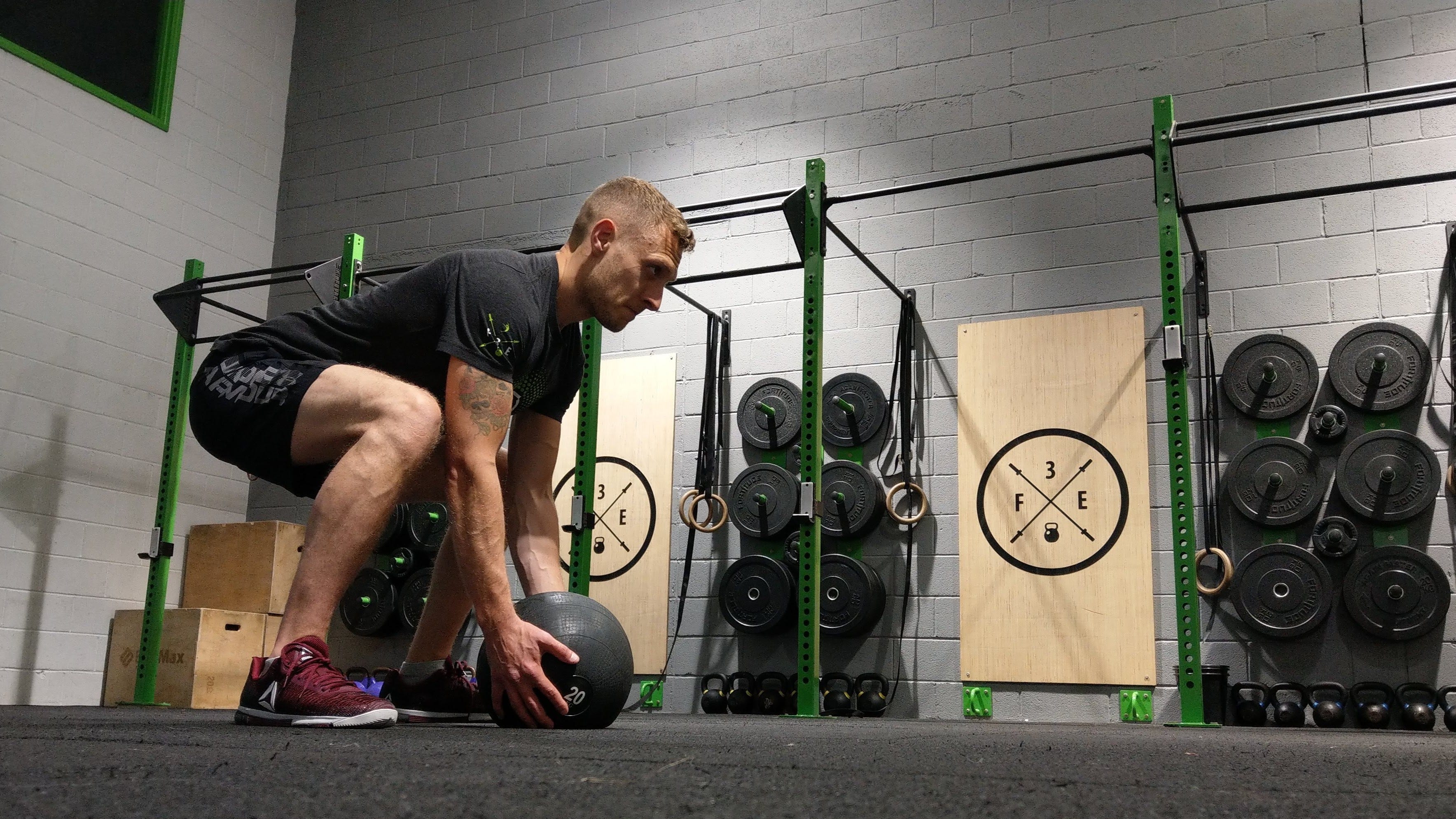
Marketing of the ‘ideal body’ has a lot to answer for, but this was compounded by working in the fitness industry, surrounded by fitness models and bodybuilders… and dealing with my own feelings of inadequacy.
In more recent years, however, I’ve been hovering in that in-between zone — not super lean, not carrying lots of excess, just… functional. I stay active. I lift. I garden. I walk. But the mirror, depending on the light and the mood, tells different stories. Too skinny? Too soft? Should I bulk? Should I cut? That voice is still gobbing off, almost constantly.
This is the noise a lot of us live with. And it's very loud if you’ve spent time in the fitness industry.
The mainstream fitness world often worships leanness, but that’s not always aligned with resilience. In fact, getting too lean can:
Disrupt hormone function
Lower immune resilience
Reduce energy availability
Disrupt sexual health
Negatively impact mental health
Looking at it another way, not being too drastically lean (say, 12–18% for men, 20–28% for women) can support function — better energy, better recovery, more buffer for stress. It’s also easier to maintain without ruining your enjoyment of food, and your social life… both of which are also huge factors within your overall resilience and quality of life.
(It also means you’re more able to survive more extreme survival situations, as you have more energy stored in your body… which is the reason fat storage has evolved in the first place! But we’re talking about everyday resilience here, not doomsday…)
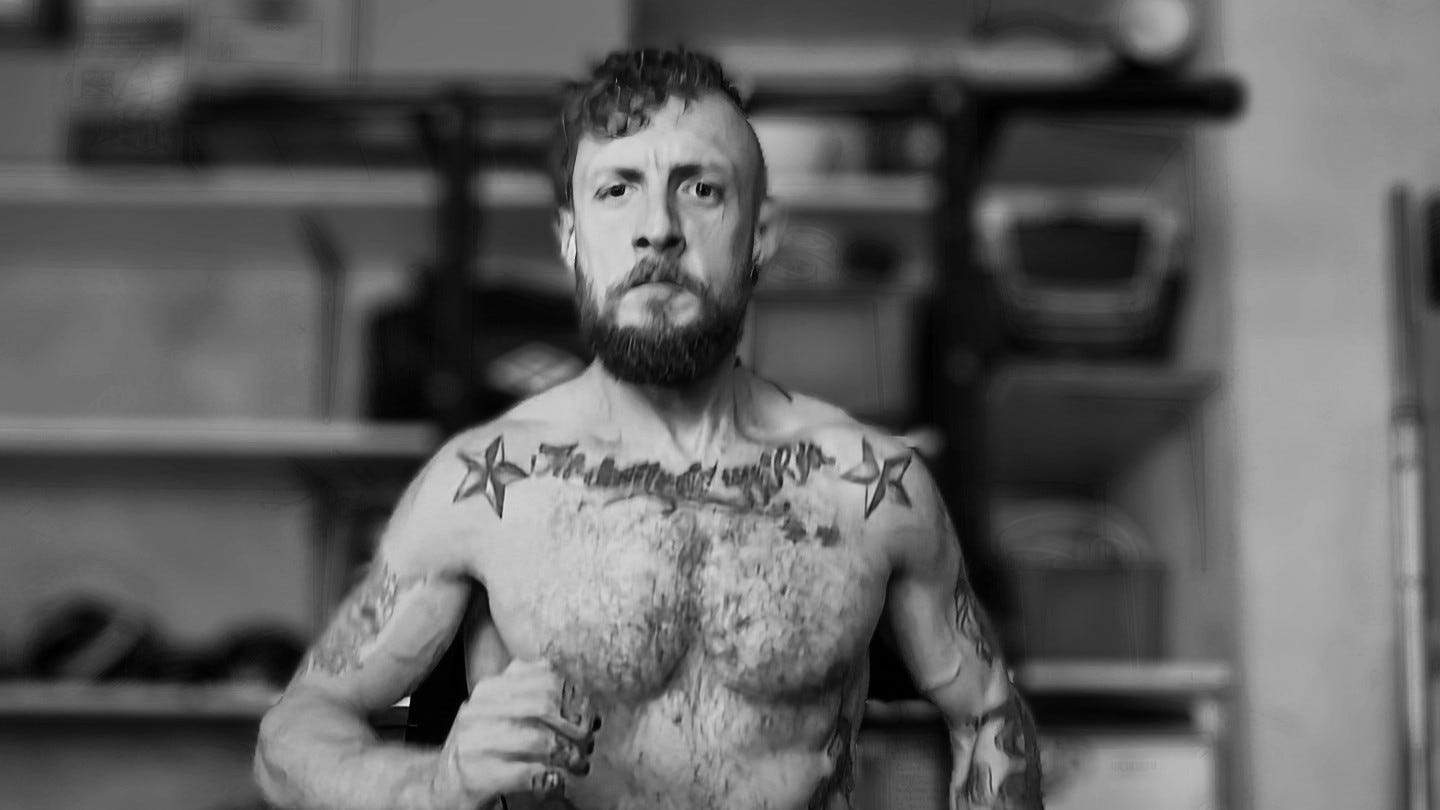
Don’t get me wrong here, these numbers are still below the average person. In the UK, the median BF% for men is around 21-25%, and for women it’s 30-36%. And it would be unbalanced of me not to mention that too much body fat can affect resilience through increased risk of heart disease, high blood pressure, diabetes, joint problems, and simply having to carry around more weight while going about your life. But most people are hardly unaware of that side of things, are we? It’s constantly rammed down our throats (along with an ad for some new gadget or bullshit supplement to fix it).
So what's the sweet spot?
It depends on your goals. For me (and maybe for you) it's not a number. It's a feeling. Can I train hard, recover well, sleep deeply, and handle stress? Am I resilient — physically, mentally, emotionally?
To be frank, this method of judgement is also better because it’s nigh on impossible to accurately track body fat % as a regular human being, no matter what those fancy scales tell you.
Let’s say you’ve figured out a general target — not a precise percentage, but a range where you feel mobile, strong, energised, and adaptable.
How do you actually stay there?
Most people are looking to lose a bit, and for good reason. High levels of body fat, especially around the middle, are linked with a whole host of physical and psychological stressors. But as we’ve already explored, losing too much can also create problems — hormonal imbalances, weakened immune function, poor recovery, and burnout.
And of course there are those who actually struggle to gain and keep weight on. That comes with its own challenges too — energy levels, injury risk, and social pressure, especially for men.
Here’s what I’ve found helps strike the right balance (this isn’t prescriptive or exhaustive, just some ideas which might be helpful, or might not):
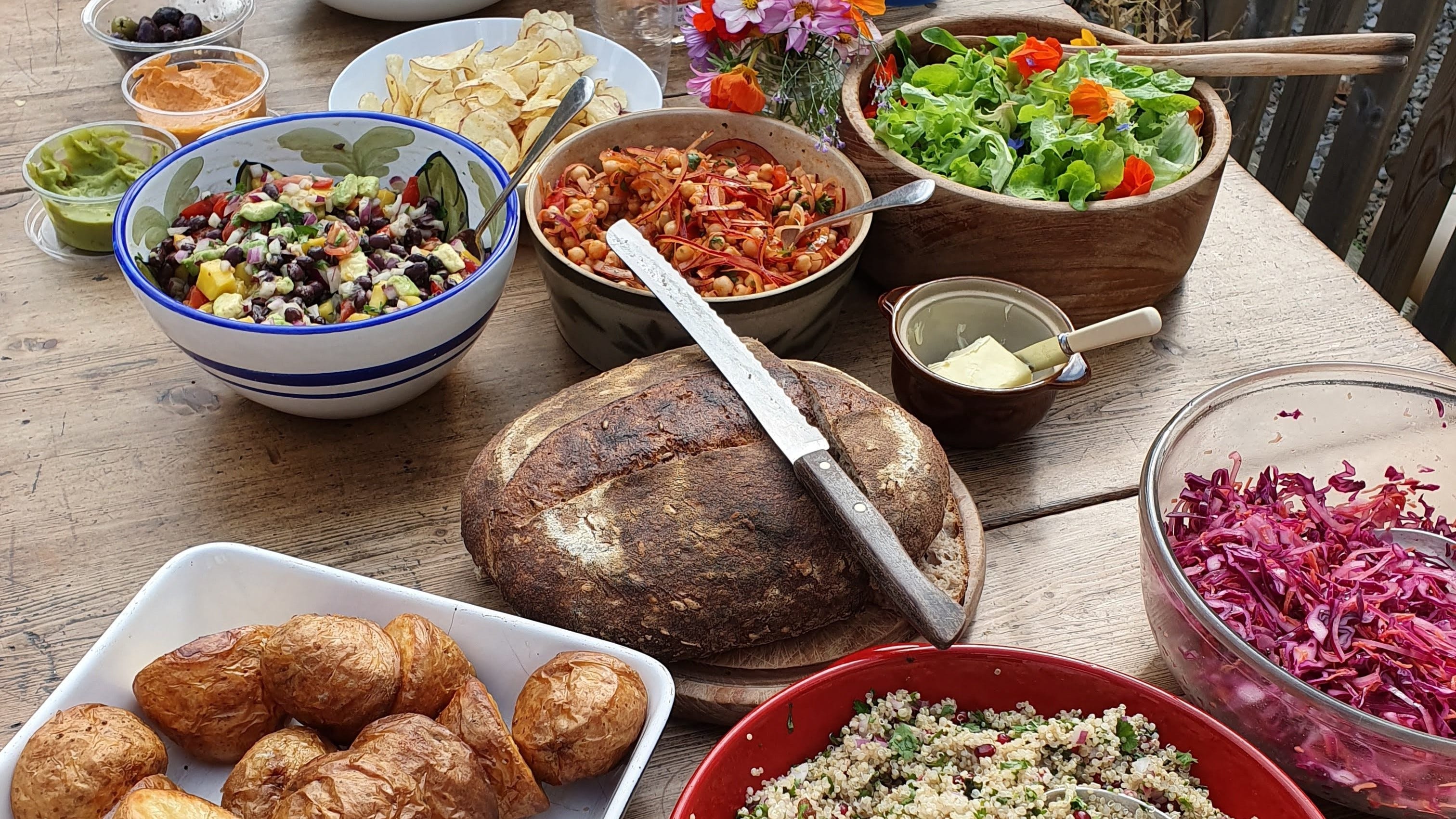
Not ‘clean’ eating, not restriction, just mostly real food that nourishes you.
Prioritise protein, fibre, healthy fats, and slow-release carbs to fuel your output.
Eat a large range of different plants over the course of a week.
Aim to eat in a way that supports energy, training, recovery and mental clarity, not just scale changes.
Bodyweight fluctuates. Mirrors can lie. And your bathroom scales don’t know about your sleep, stress, strength, or cycle.
Pay attention to:
How you feel day-to-day
Whether you’re progressing in your movement/training
If your clothes fit well, and if you feel good in your body
Train hard a few days per week, but don’t grind constantly.
Have days where you eat a little more, and others where you naturally eat a little less, depending on how you feel.
This mimics natural rhythms (like feast/famine cycles) and supports metabolic flexibility.
Your body is shaped by your genetics, your environment, and your lived experience.
Some people carry more muscle. Others stay lean easily. Some have rounder middles or store fat in different places. All of these things are normal, healthy, and part of our diversity as a species.
Your resilient zone will look different to mine — and that’s okay.
Can you run from a threat?
Can you carry a heavy load when needed?
Can you recover from illness or injury more easily?
Can you move your body through full ranges of motion?
Can you live without obsessing over food or mirrors?
If the answer is yes, you're probably doing just fine.
Even after all this reflection, even after working on this for years, I still second-guess myself. Some days I think I look too soft. Other days I feel too small. I know, rationally, that this is just the chatter of perfectionism and comparison. But it’s persistent.
The goal isn’t to eliminate these thoughts — it’s to hold them lightly, let them pass, and focus on function over form.
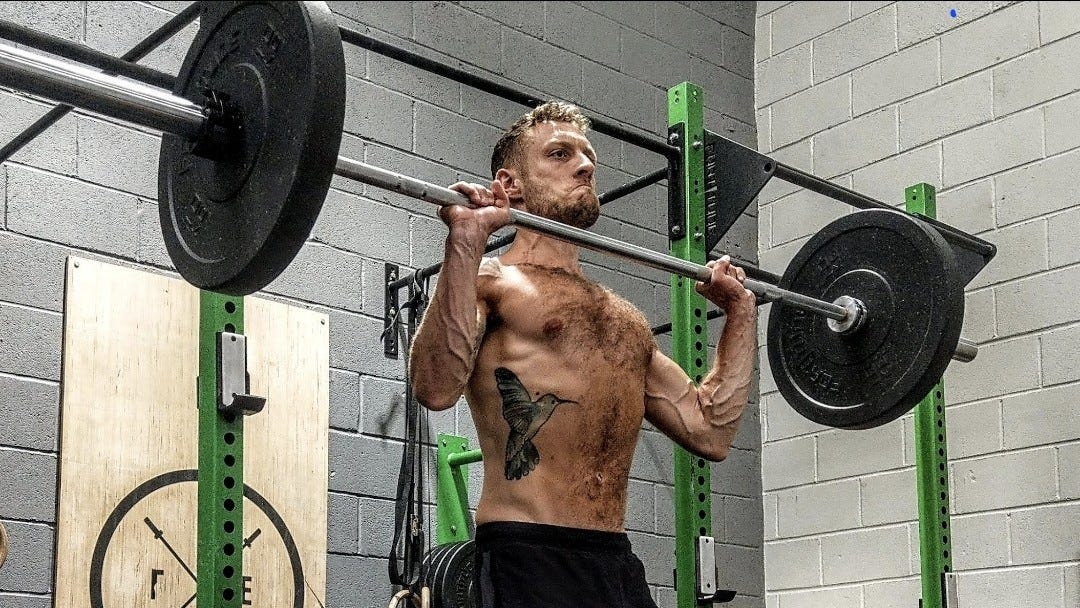
So I’ve stopped chasing aesthetic extremes. I’m chasing strength, energy, adaptability. I’m building a body that lets me parent, hike, train, carry, recover. To me, that’s what resilience is all about.
If you’re wrestling with this too — the push-pull of expectations, or the desire to feel better not just look different — I’m running a free 21-day challenge starting soon:
🧭 Basecamp: 21 Days of Functional Resilience
A free, low-pressure exploration of personal, social, and material resilience. We’ll build habits, share wins, and support each other — no overwhelm, no gimmicks.
Want in? Drop me a message or keep your eyes peeled for the signup link.
Question for you:
What does functional mean to you, in your body right now?
Hit reply, or come chat with me on Substack Chat — I’d love to hear your thoughts.
No posts
Comments
Nothing yet. Say the first thing.
Sign in to join the conversation.