
The novel took hold of the 19th century, elevating writers like Charles Dickens, Mark Twain, and Sir Walter Scott to a level of fame comparable to modern celebrity. Mass publication carried their works to readers around the western world, and for that century, no other narrative art form could rival the novel’s cultural reach or influence.
The moving picture was invented in 1878, when Eadweard Muybridge created The Horse in Motion, which was essentially a flip-book of a man riding a horse. A decade later, Roundhay Garden Scene became the first technical motion picture shot on film with a camera. The feature-length movie as we know it did not arrive until 1906, when Australian director Charles Tait released The Story of the Kelly Gang, a silent drama about the notorious outlaw family. In a tale as old as time, Australian censors would do everything in their power to prevent the film from being released due to its portrayal of Ned Kelly as a hero. But it was released (several times) and was a tremendous success for the showman director Tait and two of the film’s producers, chemists Millard Johnson and William Gibson. The Story of the Kelly Gang would net the production team approximately a 2,400% return on their initial investment into the budget.
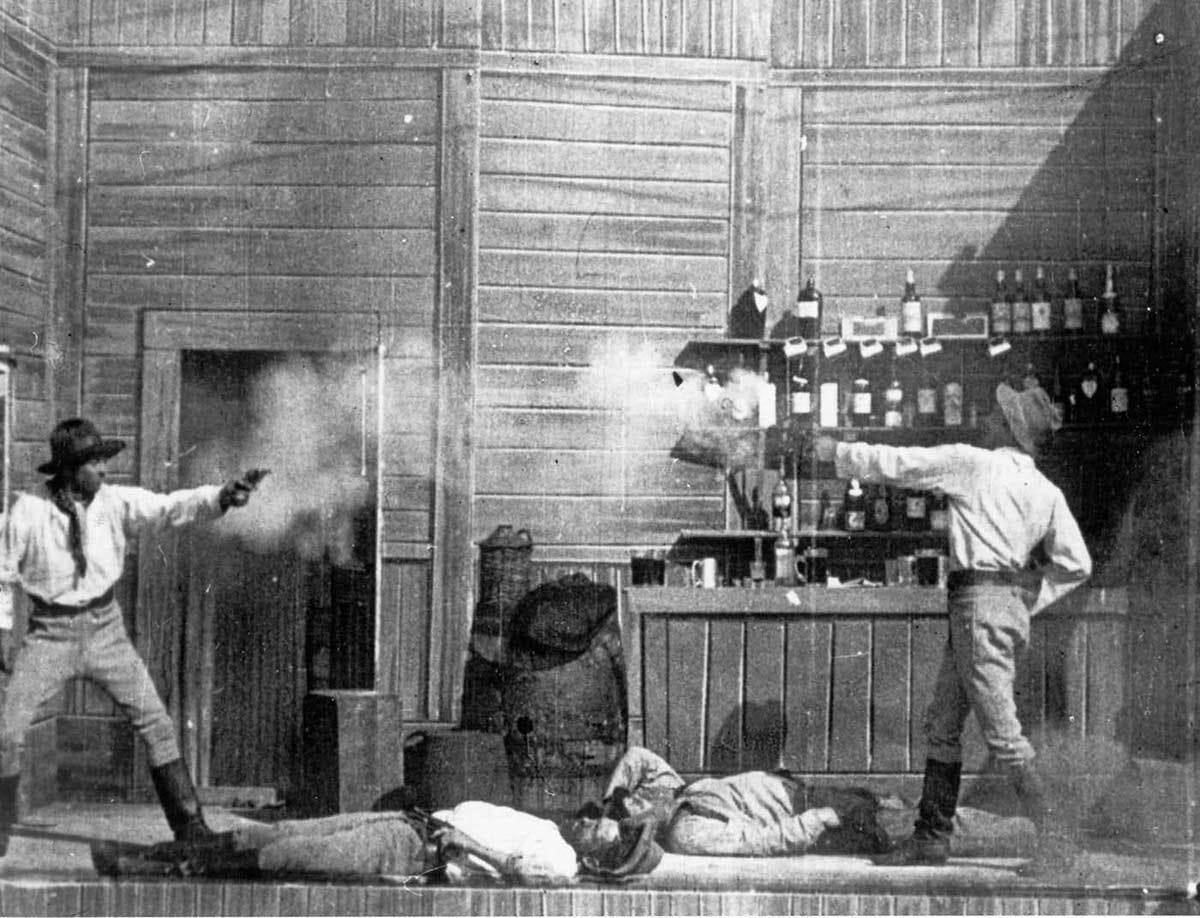
Once leaders of industry recognized that movies could generate substantial profits, the medium rapidly gained momentum. Over the next 21 years, it would evolve, culminating in The Jazz Singer (1927), which helped usher in synchronized, pre-loaded sound, thus giving us the format of cinema we now recognize today. As film’s cultural power grew, literature’s influence on the masses began to wane.
By the mid 20th century, fewer authors were becoming famous and novels were less culturally relevant than movies and television. People still read, they were just more selective about what they were reading. Print journalism remained a thriving industry until the late 20th century, when cable news started to reshape both the practice of journalism and the public notion of what a journalist was. The popularity of outlets CNN, Fox News, and MSNBC accelerated that transformation, while early internet-exclusive publications like The Drudge Report and Salon pushed it further, gradually sucking away the prestige that came along with the title of ‘journalist.’
By the beginning of the first decade of the 21st century, far fewer people were reading. Breakout successes such as Gone Girl and The Hunger Games still achieved mainstream recognition as years went on, while niche New York literary circles introduced creative insiders to experimental prose writers like Tao Lin, Mira Gonzalez, and Heiko Julien. But authors were not becoming household names anymore.
Even as the rate of Americans reading stabilized and went up from the 1990s, the impact of literature on western culture remained on the decline. Academics and their institutions made concerted efforts to elevate writers such as Ta-Nehisi Coates and Roxane Gay, but their works often functioned strictly as a signifier of social or intellectual sophistication among an affluent class of readers, rather than any sort of artistic or cultural touchstone.
Literature, in the 2000s and especially 2010s, would be in abundance — with too many writers and not enough readers. This was partly driven by the rise of self-publishing platforms such as Lulu and CreateSpace, which allowed authors to design, print, and distribute their own books at relatively low cost. During the first decade that self-publishing became accessible, it was looked down upon. Within New York literary circles, self-published authors were often regarded as illegitimate or inferior because their work had not been approved of by one of the Big Five publishers—or at least by an independent press, whose releases, in truth, were often no more polished than those of the self-published writers. This wasn’t necessarily an unfair critique, either. The quality of these prints would typically be low and unprofessional. But sometimes a book like Andy Weir’s The Martian or E.L. James’s Fifty Shades of Grey would hit with a particular audience, and the lack of copyediting or the eye-sore visual aesthetics would become less of a point in the conversation around the piece.
The downstream effect of this was a publishing industry that gradually restructured itself around the realization that consumers would tolerate a lower standard of craftsmanship if the underlying product generated enough interest. Over time, the authors selected for publication, the editing of their manuscripts, and the designs of the books themselves all declined in artistic quality.
The film industry followed a similar path. Its counterpart to the 2010s indie-literary scene was the Mumblecore movement, associated with filmmakers such as Joe Swanberg, Greta Gerwig, and Mark Duplass. As high-quality cameras, production equipment, and sophisticated editing suites became more affordable and user-friendly, microbudget filmmaking experienced a boom and received serious critical attention. With more people learning how to shoot and edit their own work, the nature of entertainment began to change—especially online.
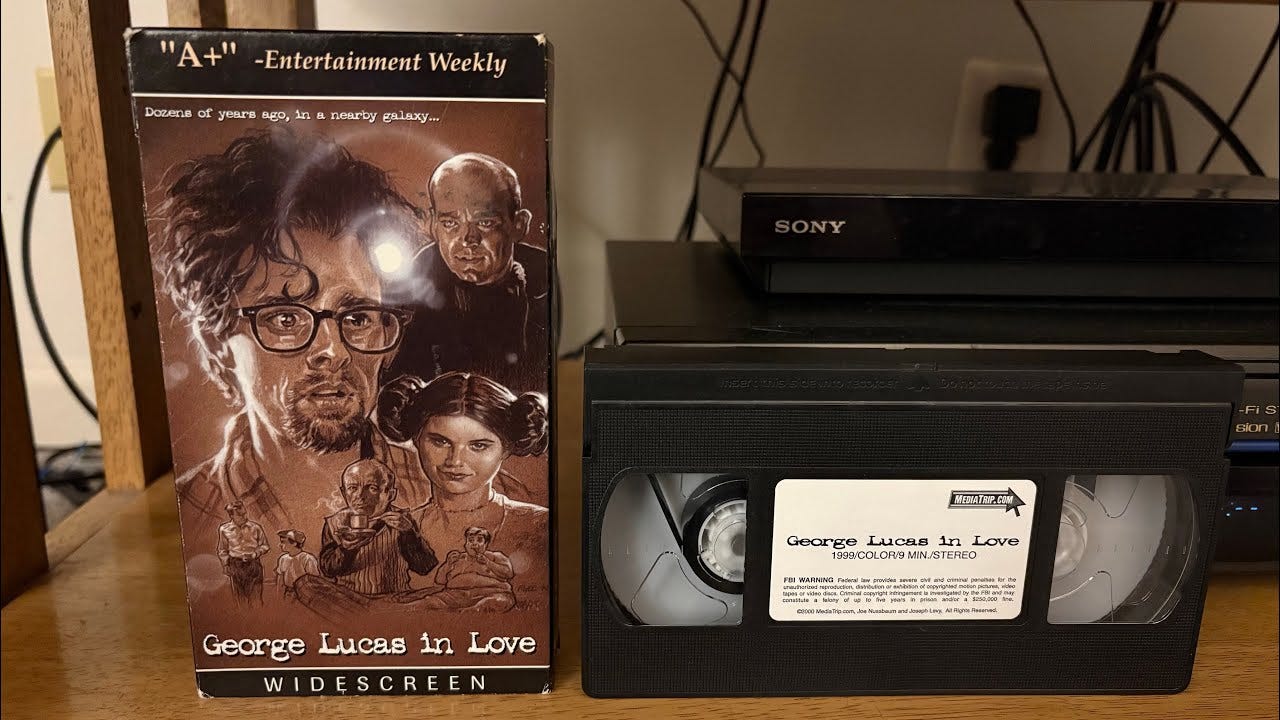
In the 2000s, the only people uploading their homemade movies to the internet and gaining attention were fan film directors like Aaron Schoenke or Sandy Collora. Platforms like AtomFilms existed for independent filmmakers to upload their short films, and sometimes one would hit — like George Lucas in Love — but they would hardly ever become well known or respected pieces of art. Original movies and series published to the internet in the 2000s and 2010s that found audiences and returning fans were nothing short of a miracle. Video platforms were never especially well suited to host long-form narrative content, like short or feature films.
It is no secret that frequent internet use can erode a person’s attention span. Marketer, web designer, and author Jeffrey Zeldman made note as early as the year 2001 in Taking Your Talent to the Web: A Guide for the Transitioning Designer that consumers actively searching for a specific product to buy were reportedly less likely to complete their purchase when it required clicking three links rather than one or two. If most people can’t be bothered to click three times for a necessary purchase, how can you expect them to sit in place for 2 hours and give your project full attention?
This understanding of the internet would remold the priorities of most seeking an audience. Learning to use cameras and editing software became less a pathway into traditional filmmaking and more a means of producing disposable online material. YouTube, Vine, Facebook, Instagram, and TikTok would give way to a career path that never existed in the 20th century: influencer—and the most effective ones used video as their means to build a brand.
By 2020, it was no longer uncommon to find a film made for $600 listed beside a major box-office success on the same streaming platform. Tubi is a breeding ground for all sorts of styles of filmmaking at every budget level. A recent Warner Bros. release that’s been toted as a hit can appear in the same row as a niche ‘hood horror’ title — which are often admirably cheap slasher films shot out of an Airbnb, with amateur inner-city actors as the cast.
What is even more common than that is to find online personalities publicly riffing on these $600 movies and pointing out their weak acting, lighting issues, and other semi-amusing flaws. Every social media and video platform has its space for film critics. In fact, to be a freelance or self-employed film critic now is a more lucrative and respected path than pursuing the job of filmmaker itself.
The entertainment climate of this past decade could be most aptly described as a criticism culture that has donned the flesh of a film culture.
The 1970s through the 1990s were authentic film cultures. You had an equal measure of art house, independent cinema, and big budget box office magic depending on what year you landed on. Movies and the actors and actresses that starred in them were significant focal points to western culture. Movies like Kramer vs. Kramer, Looking for Mr. Goodbar, and Straw Dogs weren’t just revered — they were watched by the general populous in high numbers. Studios were run by people who ‘got’ the process and knew that audiences could handle adult storylines and directors and screenwriters with something to say.
In the 2010s, things changed. Millennials became the most higher-education achieving generation in history. They were inundated with academia-speak and courses that challenged ideas around fiction, how stories were told, and who could tell them. Gen Xers and Baby Boomers have always held higher-education in an overwhelmingly positive light. For many, becoming the first person in their family to attend or graduate from college was a significant point of pride to be thrown around. As a result, the ideas emerging from universities and from young academics were frequently approached with respect and an open mind.
Meta-narratives slipped into the conversations around art. It was not enough to serve up a well put-together story with great characters, you had to subvert the expectations of the audience. This term “trope” became a recurring, bright red stinging word thrown around by scholars as something to avoid. If your story succumbed to tropes, then this was a ‘bad’ thing. It showed a weakness to lesser impulses on the part of the writer. You weren’t as clever of a storyteller as you thought.
Millennial writers navigating the 2010s did their best to stick to this new rule of art. Subversion was to become the priority, even over satisfaction. Television is where it became most obvious. Series like Black Mirror, Atlanta, and Bojack Horsemen took familiar TV trappings and relied on subversion as their bread and butter — and successfully so. Others attempted to adhere and were met with mixed results. How I Met Your Mother, a well-liked and critically hailed CBS sitcom, ended its near decade long run with subversion, giving the protagonist of the series Ted Mosby (Josh Radnor) an unexpected union with a major character he had no romantic affiliation with since the second season. Viewers hated the ending. HBO’s Game of Thrones ended its eight-season run with subversion in mind and delivered a rushed ending that was even less popular. The ending of Showtime’s Dexter also sought to catch viewers by surprise. It was so despised that producers chose to bring the show back in 2022 just to end it again, this time “the right way.” (However, the extra season was too popular and wound up spawning not one but two series continuations.)
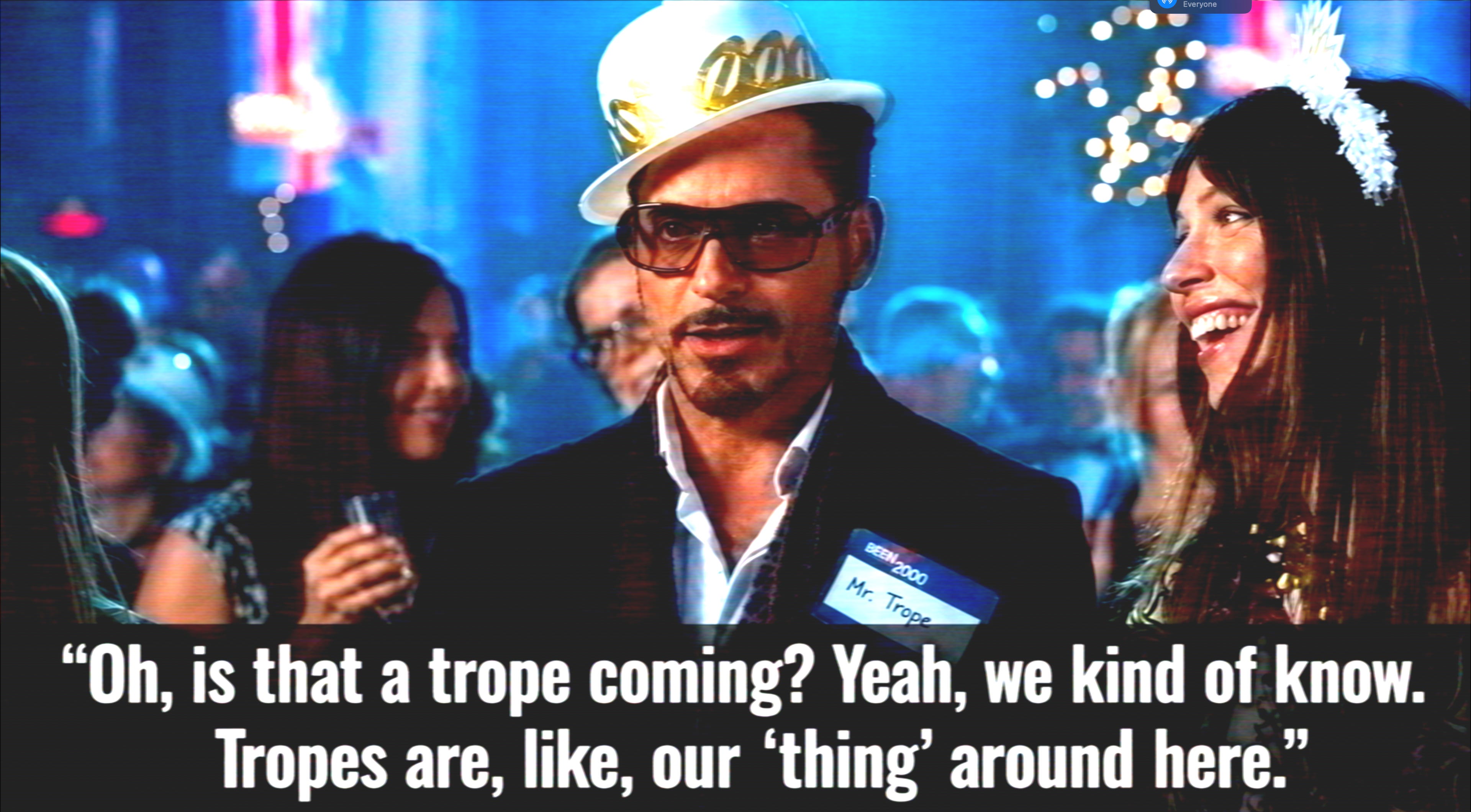
Movies were a tad slicker in their approach to subversion. Since audiences could only be misdirected by so many twists or handle so many character arc changes, filmmakers largely held onto familiar plot devices and genre conventions. The real shift happened in the dialogue. Screenwriters began to signal self-awareness to preempt critics that were already sharpening their knives.
Humor is a fantastic tool to disarm your enemies and charm people. When cleverness is king, what better way to avoid a critique, or to prove that you are an intellectual, than to self-flagellate before the blow is delivered? Nobody can question that you have a sharp mind and know what you’re doing if you can cite your opponent’s argument ahead of time.
This crippling neurosis became the standard for screenwriting — particularly in franchise films. Marvel Studios took the all-knowing sarcasm, snark, and wit that Robert Downey Jr. brought to the role of Tony Stark and applied it to every character in their cinematic universe. This led to $33B in box office revenue, worldwide. And that only partially accounts for the new Spider-Man sequel Brand New Day. (Which opened in theaters last week, as of the time of this piece being written.)
Deadpool epitomized self-referential, fourth-wall-breaking screenwriting. It became one of the 2010s’ biggest cinematic successes, reinforcing the commercial appeal of that style. The franchise alone has grossed $3.4B doing the same thing over and over again.
Every major studio has attempted to emulate Marvel’s strategies with their tentpoles to match that financial success. Although that strategy has mainly not worked, it hasn’t deterred anyone from hiring screenwriters or greenlighting scripts that use constant self-awareness as a tool (read as ‘crutch’) for humor.
The art should not be dissecting itself in real time. Every instance of this is an act of a workman, somewhere involved in the process, bowing to the chairmans of criticism for approval to do what they wanted to do. When you become too overly concerned with acknowledging every break from reality, or addressing tropes, or even just elements that could be considered silly, the audience begins to take the art less seriously — because, as an artist, you’ve instructed them not to. Some have started to notice that, generally, movies and TV shows made after 2010 are typically less re-watchable than those from the 20th century. And this is a big part of why that is.
You’re on a ride, it’s just a fun ride, a big fun ride to laugh with and laugh at. There’s no reason to feel bad about the characters getting hurt or dying, and don’t worry about the plot too much. It’s just shut-your-brain-off fun — so please keep that in mind when you write your review about how 1/3 of the movie is CGI.
The force of criticism was percolating for some time outside of art, as well. From 2010 to 2020, many highly regarded journalistic outlets wound up devolving into their lessers, taking pages out of the BuzzFeed playbook to deride unfavorable personalities and enemies of any given press’ staff. Tabloid-ism was suddenly king and a great weapon to take people down a peg. Celebrities were always ripe for the picking — commenting on dress, behaviors, opinions, you name it. The “You’re Racist” and “You’re Sexist” culture wars of the 2010s and 2020s were another shade of this. Rampant criticism—leading to censorship—around speech and unfavorable expressed thoughts, whether warranted or unwarranted, becoming as mainstream as it did was an obvious sign in retrospect.
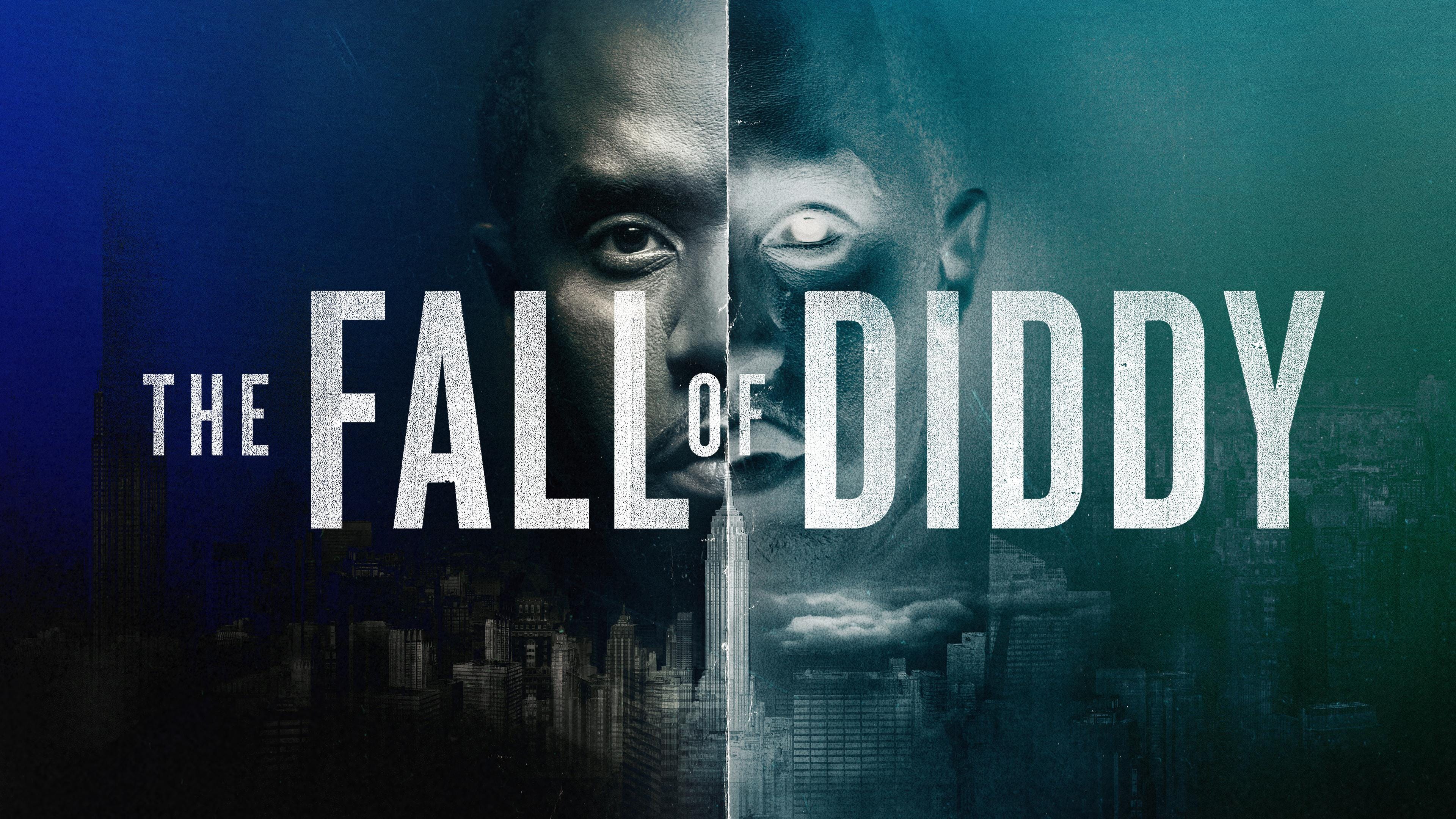
One of the biggest drivers in these meta-narratives that caused the most significant convergence between artistic and social criticism was the MeToo movement. The outing of several sex pests in entertainment shook Hollywood’s foundation and ushered in several years of overcompensation. Certain movies and television shows would be greenlit simply to serve as a general apology to the women of the entertainment industry.
True Crime also flourished as a byproduct of this culture. What genre would be better suited for an age of criticism than one devoted to dissecting human behavior, dark motivations, and the flaws that ultimately unspooled their plans? Anytime a text message gets leaked, a documentary series is just one week behind it.
Another telltale sign of living in a ‘criticism as art’ era was the rise of a fairly recent genre, the ‘making of’ film. If a movie fails the first time, there is always the chance of a second life as a niche pop culture item. These ‘making of’ movies, once DVD special features and now regularly treated with the same regard as a Hearts of Darkness, typically chronicle the doomed productions of movies that missed the mark in achieving their legacy goals and wound up receiving ironic or unexpected second-wind fan bases. It has made parsing through failures a form of entertainment.
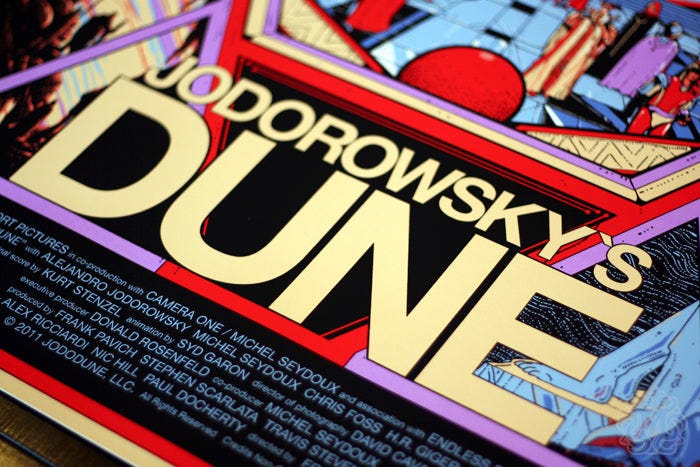
Jodorowsky’s Dune (2013) was among the first of these documentaries to make a real splash, convincing many viewers that Alejandro Jodorowsky’s unrealized vision for Dune—which would have radically bastardized the Frank Herbert novel—might have become its definitive on-screen adaptation. It remains a fascinating “what if,” and the documentary does an excellent job of unpacking Jodorowsky’s wild ideas for the film’s casting and design.
Megadoc (2025) may be the most recent example. Frances Ford Coppola’s self-financed Ayn Rand-inspired epic Megalopolis was not everyone’s cup of tea. In fact, it wasn’t most people’s cup of tea. To Coppola’s credit though, seeing Megalopolis in IMAX was an experience like no other and may never be replicated again — and I think few care to argue with that. What Megadoc does is assign a real director in Mike Figgis (Leaving Las Vegas, Internal Affairs) to act as a fly on the wall during the production of Megalopolis. It’s a fun, but incomplete-feeling documentary that breaks down many of the outlandish creative choices Coppola made with Megaloplis and what the truth behind some unflattering leaked set reports may have been.
Some have accused Megadoc of being more entertaining than Megaloplis, and at the very least the critics would agree. Megadoc received a near-perfect 98% on the review aggregator RottenTomatoes. Megaloplis by comparison only received 46%. The deconstruction, in their eyes, is a more favorable product than Coppola’s visually extravagant tale of a tortured artist trying to right society. That may ultimately be because they can identify easier with Figgis’ perspective and rationale as the documentarian than they can Coppola the filmmaker, who made a flawed fictious work. Coppola risked $120M of his own money, but more than that he gambled his reputation to make his dream project of Megalopolis come to life. The sympathies of his struggles with creation are not stretched as far as the enjoyment these critics get from the mockery of his imperfect production.
The armchair quarterbacks at home risk nothing and have everything to gain from espousing their thoughts. When one of these critics does attempt to leap into the medium themselves, they usually fail — like most burgeoning artists do. But because they have a critic’s brain, they usually don’t try again.
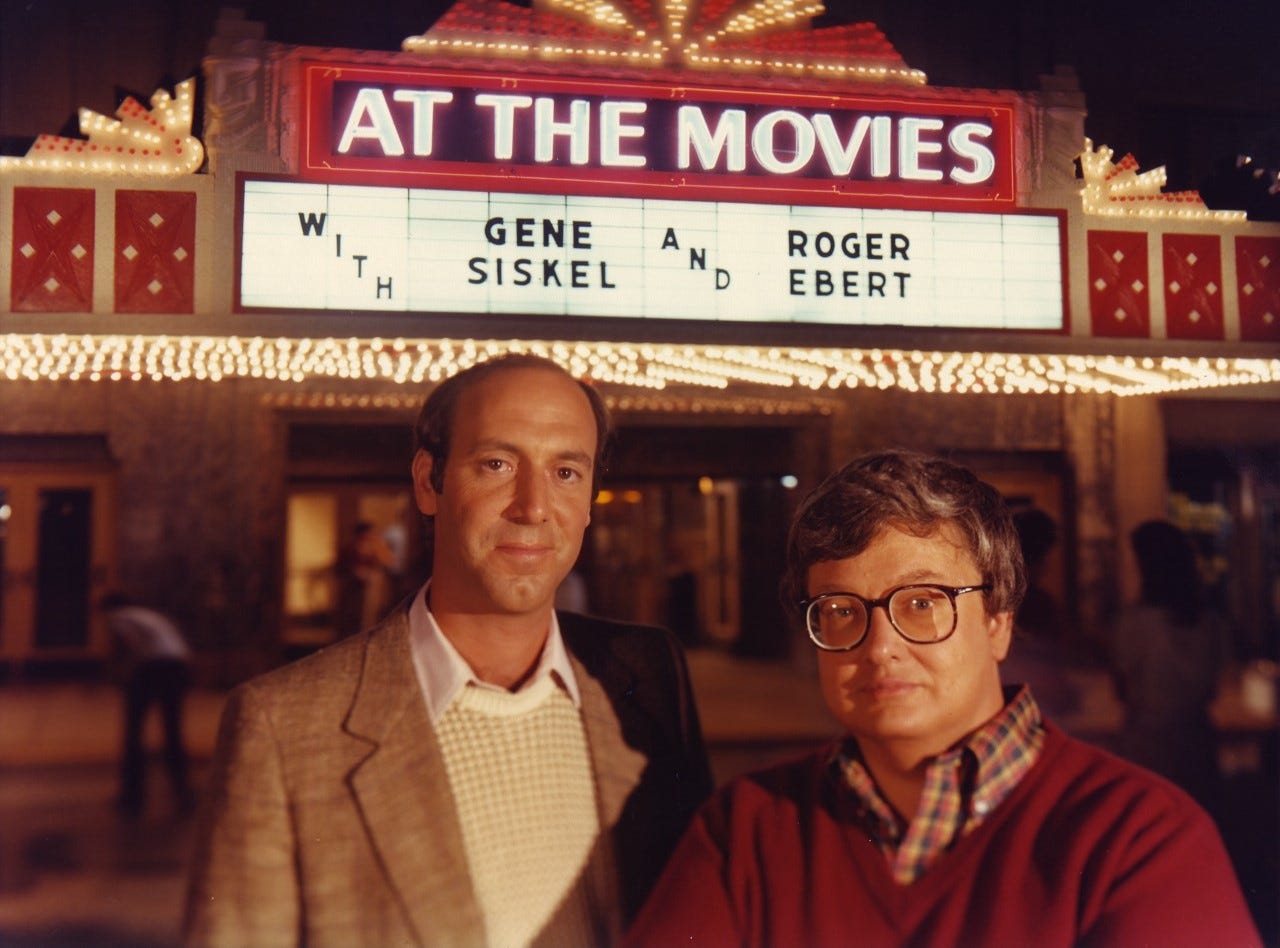
One of our great film critics, if not the greatest, Roger Ebert famously wrote the Russ Meyer film Beyond the Valley of the Dolls in 1970. It was panned. The next time he worked in film, Up! in 1976, he assumed a pseudonym. Shortly thereafter, he became a full time on-air movie critic for Sneak Previews with Gene Siskel. This is how he is best remembered.
James Rolfe, one of the pioneers of early YouTube, assumed the moniker ‘The Angry Video Game Nerd’ and used this persona to launch a semi-narrative web-series around reviewing old video games. Episodes were dispensed regularly on a now-defunct video game website called ScrewAttack and were incredibly popular. When Rolfe made a feature length version of The Angry Video Game Nerd series in 2014, his fans showed up en masse in theaters to support him and watch it — but nobody came away with a positive word to say about it. Rolfe hasn’t made a feature length film since. To add to that, he has come up with excuses to avoid even appearing in high profile films like Godzilla vs. Kong (2021), from director Adam Wingard. It is clear that the experience of Angry Video Game Nerd: The Movie and its unflattering reputation have scarred him from a commitment to engage with the medium.
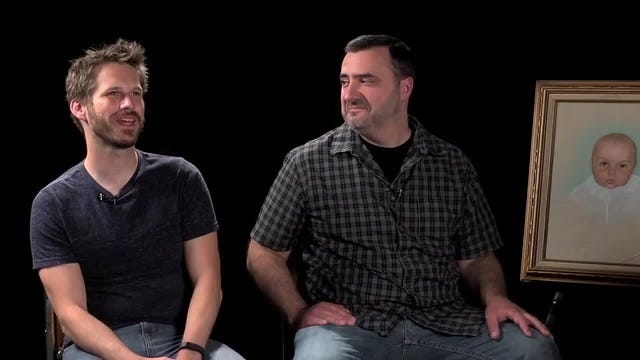
One of the most popular pairs of active film critics are Mike Stoklasa and Jay Bauman of Red Letter Media. Red Letter Media is a production company based in Wisconsin with a successful YouTube channel boasting over 1.5M subscribers. They release episodes of their original programs Half in the Bag (a film review series) and Best of the Worst (another review series but where they revisit poorly made, forgotten movies) at least twice a month. These two series have had a level of production value to them that is otherwise scarce on YouTube, and especially was when they launched their channel in 2013.
Stoklasa and Bauman, once referred to by Dagger Magazine founder Don Jolly as ‘the successors to Siskel and Ebert’, came to attention with a 70-minute long video essay on Star Wars: Episode 1 - The Phantom Menace, detailing its shortcomings from the perspective of an original fictional character named Mr. Plinkett. This video essay would make it into film festivals in 2009 and launch Red Letter Media to mild internet fame. Prior to releasing the Plinkett review on Episode 1, Stoklasa and Bauman primarily likened themselves filmmakers — having released three independently financed feature films under the Red Letter Media moniker: Gorilla Interrupted, Oranges: Revenge of the Eggplant, and The Recovered.
They would occasionally continue to make indie flicks until the 2016 release of their biggest budget film Space Cop. But by that point, it was obvious they had little care to be true filmmakers. Space Cop starts off with a charge of high minimal-effort and visibly exhausts all of its energy by the 20 minute mark. By the end of the film, it’s clear to the viewer that the duo and their team had more interest in building sets and props than a strong and earnest storyline.
Perhaps it suits their personalities better to be on-camera characters, tearing movies apart and occasionally shining a light on quieter, mid-budget films that nobody has heard of. Again, there was everything to gain and nothing to lose from embracing that. These two men were, and still are, considered funny, incisive, and insightful in their film analysis — even as they both approach 50 years old and habitually seem to only subject themselves to comic book films and horror movies. On YouTube, they remain likable and even ‘cool’ so long as they’re the ones reviewing the movies and not struggling to make them.

Letterboxd was founded in 2011 and opened to public registration in 2013. It did not achieve widespread, runaway success, however, until the 2020s. In its later years, it began to supplant Rotten Tomatoes as the de facto arbiter of which films were good, bad, or just worth watching. Unlike traditional review aggregators, Letterboxd allows anyone to publish a critique directly onto the film’s page, and, if their opinions resonated with enough users, build a following around them.
Criticism culture did not reach full velocity until around 2022, when Letterboxd began partnering with major brands and institutions such as Mubi, Neon, Amazon, and even the Academy Awards. From there, a noticeable shift took place. Films that were embraced by the platform’s audience, the “Letterboxd Generation,” as Richard Linklater termed them, began gaining real awards-season momentum. Movies popular on Letterboxd but once considered unlikely Oscar contenders, like Everything Everywhere All At Once and Anora, could suddenly become awards juggernauts. Anora’s Best Picture victory at the 2025 Academy Awards, in particular, reframed the conversation around how to strategize for awards-season recognition.
Sean Baker represents the everyman director, always appreciated by the insiders and rarely recognized by the mainstream. That changed with the rise of criticism as the dominant art. Baker, while promoting Anora in the run-up to the Academy Awards, wisely made the rounds to the big three among film snobs: Letterboxd, Mubi, and Criterion. This would occur while, stealthily, Neon maxed out the marketing budget of Anora to triple its production budget, racking up a bill to the total of $18M.
Anora’s Best Picture win in early 2025 was an untraditional one. Its victory had echoes of a time before the 21st century, when a small but popular drama could actually steal the prize crown at the Oscars. No comparably low-budget film with the same kind of street appeal has yet matched Anora’s awards success. But perhaps now one will.
The major studios have certainly taken note of the influence of Letterboxd, and that it serves their industry well if more people have fun posing as movie critics. With its user base growing, Letterboxd has more or less started to go the way of RottenTomatoes during its downtrend era. Each week, big franchise releases are bolstered to high scores of 4/5 stars, before they eventually peter out in the months and years that follow. Meanwhile, controversial and experimental releases get hammered and brigaded to impact what’s believed to be the more ‘sophisticated’ hive perception.
This uptick in ‘amateur’ criticism has stuck in the craw of some directors, like Christopher Nolan. Nolan recently commented on a Beijing-based podcast, “The criticism that’s often leveled at movies in general is, ‘Oh, the character has to be made sympathetic, so the character is manipulated in different ways or changed in different ways’ […] And that’s a fundamental flaw of film criticism in a way, or storytelling criticism. Because to be able to identify the mechanism does not invalidate the mechanism. And that’s a real problem in criticism today.”
The Criterion Collection, since the launch of their DVD line in the 1990s, has always been the final word on which movies are considered canon. On the back of every DVD or Blu-ray box is a caption that precedes the title of the film; it reads, “The Criterion Collection, a continuing series of important classic and contemporary films presents...” How can you go wrong with that level of pomposity?
However, The Criterion Collection was that for decades. You would not be able to find a more pristine or definitive version of Umberto D., The 500 Blows, or Tampopo with any other distributor. They were, and sometimes still are, the last stop of defense in saving some of the greatest and most difficult to track down films of the 20th century. But the priorities of the Criterion Collection took a turn in 2020, coming off the heels of a deal with Netflix to release their original films and a highly politicized, fiery summer. Their selections of what movies would make it into the Collection became more questionable. The choices of artwork for releases took a steep decline in design. The special features for many new releases were sparse and sometimes recycled from other physical media editions. Worst of all, some of the restorations — particularly on foreign films — took on a brand new greenish look.
This coincided with ‘film nerd’ identity becoming popularized. You couldn’t possibly be a true appreciator of the art of cinema unless you owned a stack of Criterion discs and logged 2,000 movies onto your Letterboxd account. A real fan of film with exquisite sensibilities would be ready to drop $500 on the deluxe Criterion Collection Stanley Kubrick boxset, due out this October. Sure, many of these films are already available on DVD and Blu-ray at inexpensive prices on eBay and Amazon, but look at the big C in the corner!
To be a critic in 2026 is to exercise a notion of having good taste. In truth, so few of these ‘critics’ do more than recite opinions that have been prepackaged for them by the same entertainment conglomerates releasing and marketing the films they’re commenting on. But the ecosystem for criticism currently is a powerful one. It shows no signs of letting up. On the contrary, it looks to metastasize.
Thanks for reading LowRes Wünderbred! This post is public so feel free to share it.
No posts
Comments
Nothing yet. Say the first thing.
Sign in to join the conversation.