
In collaboration with Inés Bigas, we’ve setup a new initiative rooted in visual culture. Our objective is to establish a platform for critical discussions about its role in society—how it intertwines with our worldviews, shaping and reflecting diverse perspectives. By delving into its past, present, and future, we aim to ignite meaningful dialogues. Experts from various fields of visual culture will share their knowledge, fostering conversations that deepen our collective understanding.
I’d like to share an idea that has been percolating in my mind over the past few months as we’ve been putting together the project.
We spend a significant amount of time consuming images, but at what point do they truly become significant?
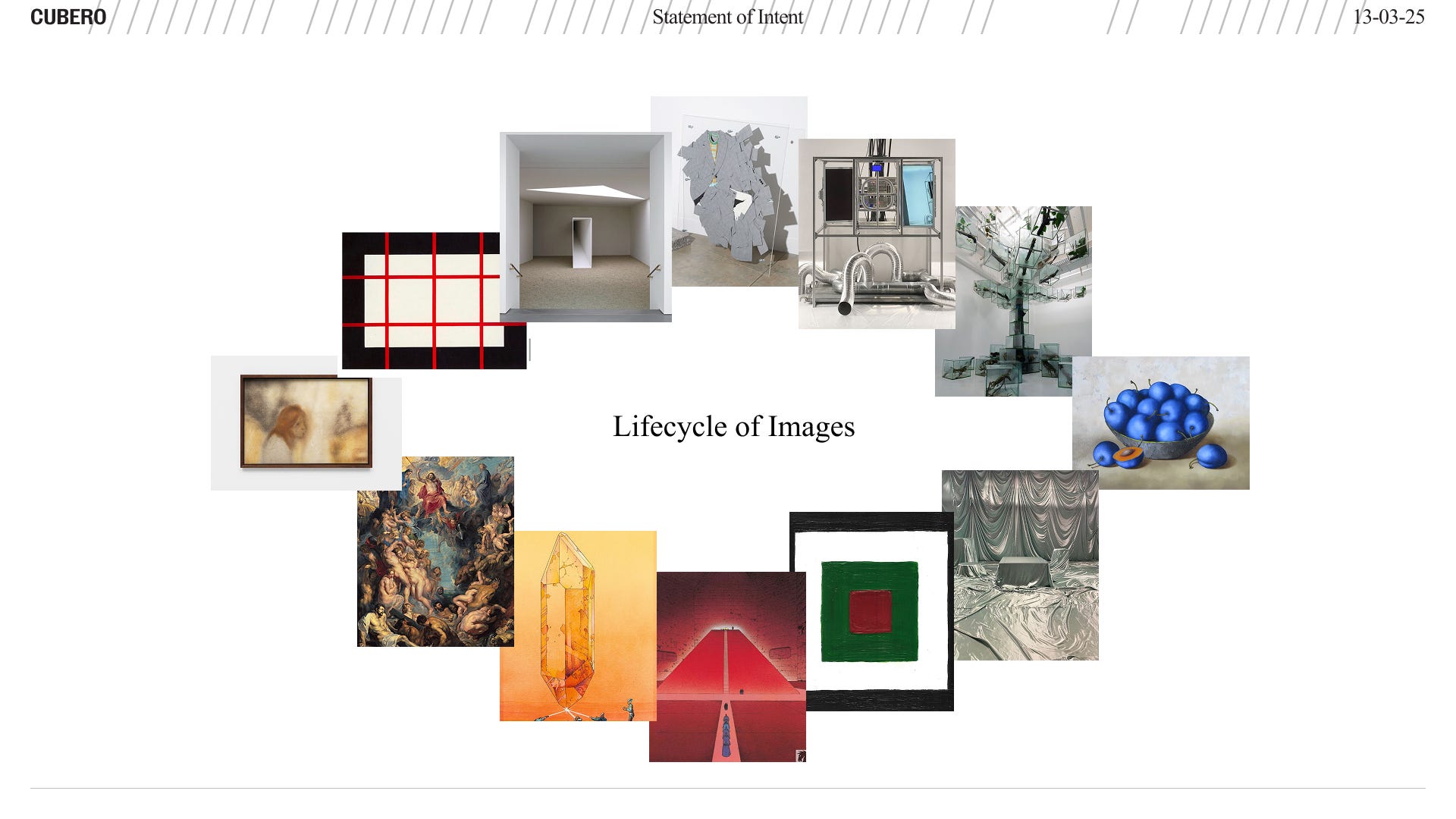
I’ve been contemplating the lifecycle of images and how they accumulate meaning and significance over time. However, most of my thoughts have led me back to a recurring question: at what moment does an image acquire emotional weight and become an integral part of our being? Not in the literal sense of ownership, but in the way it embeds itself into our psyche and identity. These inquiries prompted me to begin developing a conceptual framework, drawing inspiration from a personal experience with a Caravaggio painting.
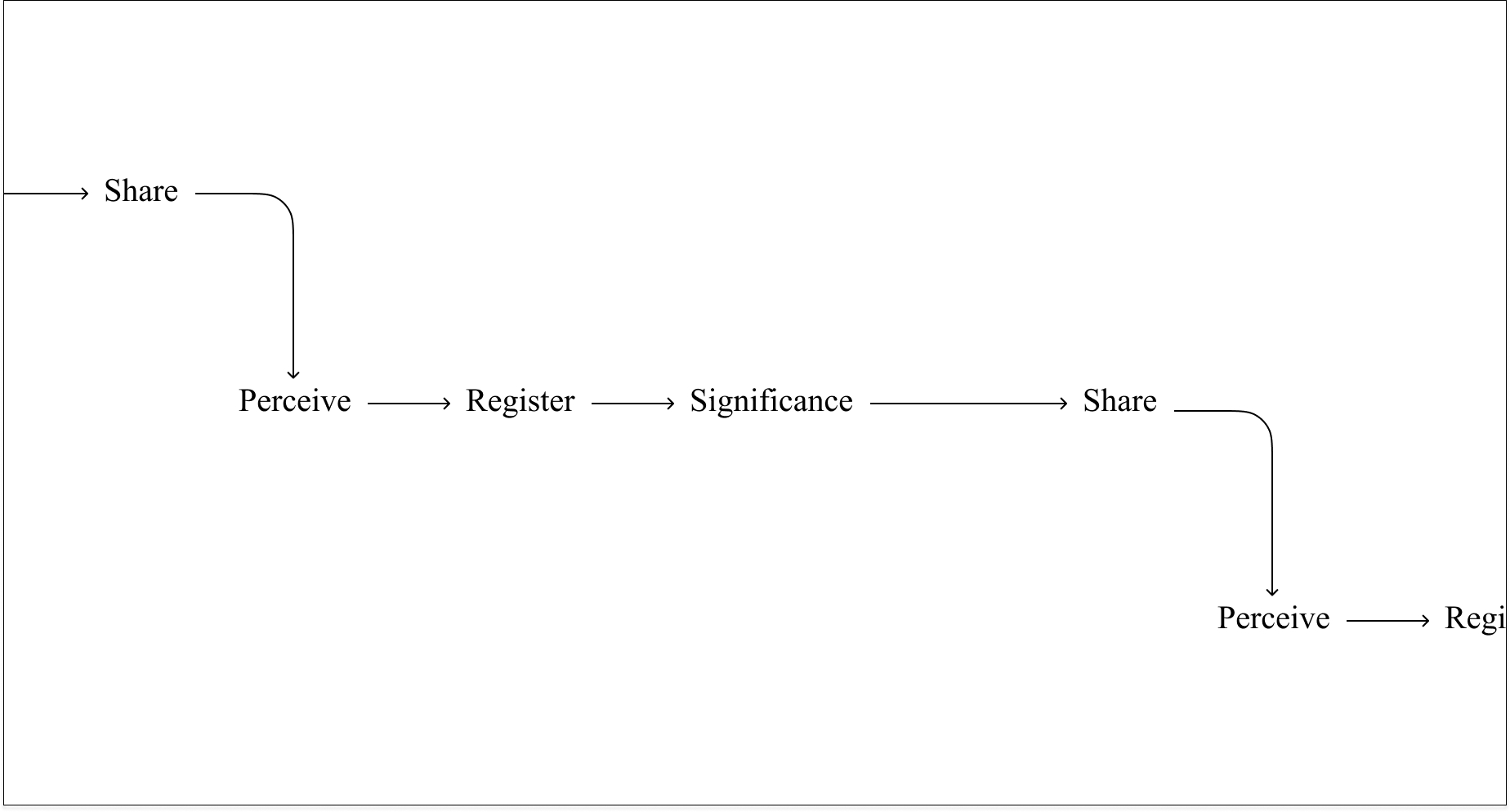
Perceive: You sense. You become aware.
Perception serves as the initial bridge between the external world and our internal experiences. It’s how we perceive or become aware of something—whether through sight, touch, sound, or an emotional connection.
Register: You process. You make sense.
Registering is the moment when raw experience transforms into something memorable or meaningful. It’s the clarity that gives form to the abstract.
Significance: You connect. You find meaning.
Significance is the final layer: the personal or cultural meaning we assign to something. It’s how an experience becomes important and becomes intertwined with a larger narrative or value.
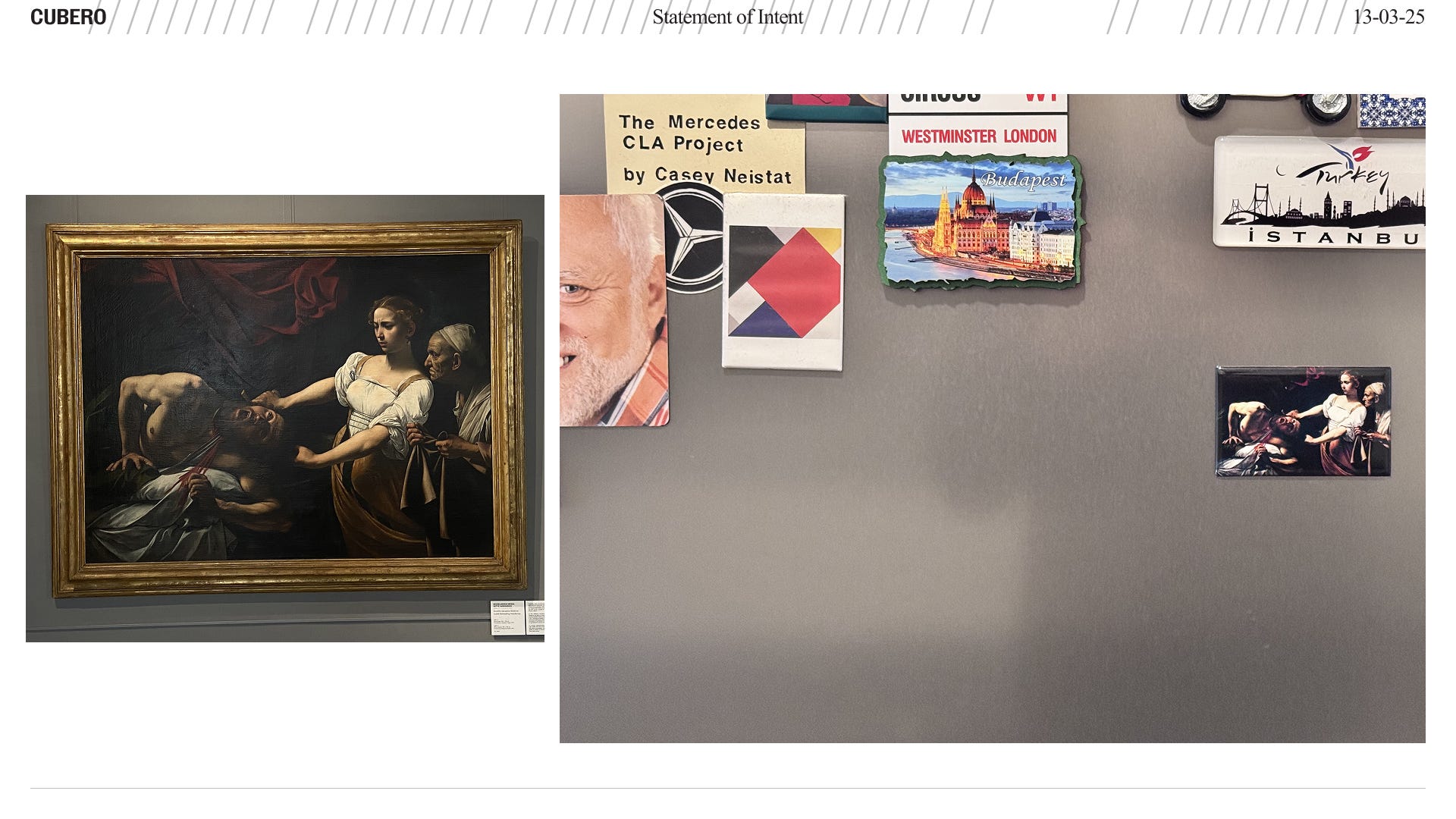
Studying design, my initial encounter with Caravaggio was through classes on Chiaroscuro technique and the lighting in his works. This was the beginning of my awareness of his art.
Over the years, I’ve consumed numerous visual essays and read various books about his work. This deepened my understanding and made it more memorable.
The turning point came when I visited Rome and saw his work in person. The context of the moment, the physical presence of the work, and the environment all made the experience resonate deeply and hold personal significance.
The final part of this process is sharing. I recount my experience and how it made me feel, and what it meant to me. Sharing allows others to begin their own cycle of awareness, connection, and meaning. Becoming aware of Caravaggio and embarking on their own journey.
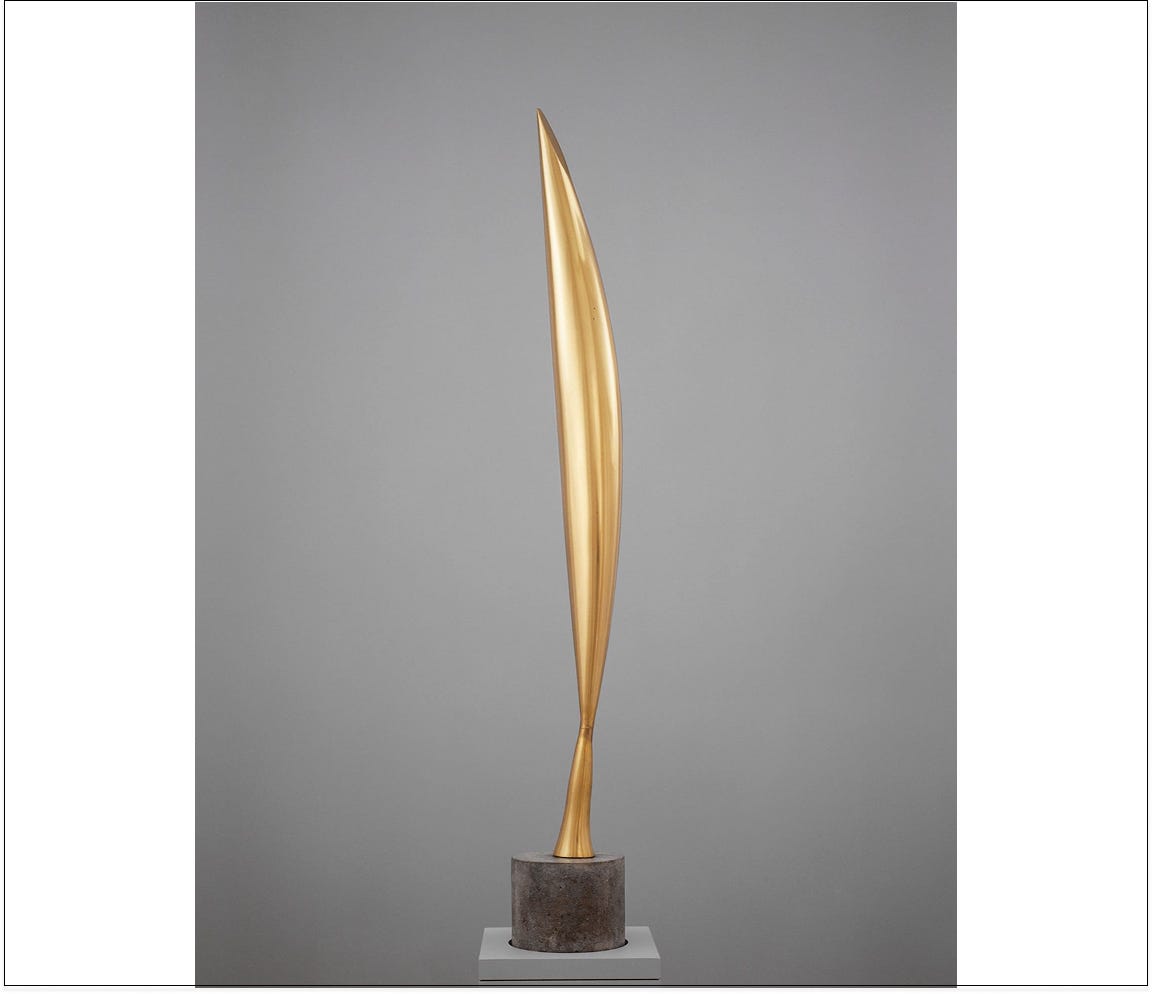
Another example of this process occurred with Brâncuși. While working on a different project, a friend introduced me to a Brâncuși sculpture as a reference for what he wanted. Perceive.
I then proceeded to research his work and gain a deeper understanding of his art. This process allowed me to process it on a deeper level.
In 2024, I visited MoMA and stumbled upon his work. I distinctly remember the room being empty. It was an empty room in a packed museum on a rainy day in NYC. His pieces had a profound presence that I wasn’t expecting. The scale of them and the impression they gave off left a lasting impact on me. His work holds greater significance for me now. I’m sharing this experience with you, and I hope you’ll embark on your own journey from this moment.
As I usually do, I’m left with more questions. Can something truly become significant without an offline experience? Experiencing art in its intended context—outside the passive world of screens—seems to hold more weight.
Could this apply to a meme? If a meme were recreated in real life, would it hold more significance?
For instance, I have a “Hold the pain, Harold” fridge magnet. It instantly transports me back to a specific memory from a night when alcohol was involved. On the other hand, I have no recollection of the first time I came across the meme online. Every time I see it online, it reminds me of that night. The physical object anchors the image to a tangible moment in my life, making it more meaningful.
This is why context and nuance are so crucial. The setting, time, and environment all contribute to how we perceive, process, and ultimately find meaning in something. This is what I aim to achieve with CUBERO: more nuance and an environment to interact with visual culture in a meaningful way.
Watching a film on your phone is different from watching it in a cinema. A Caravaggio on your phone is different from seeing it in a gallery. However, the experience of a Caravaggio is not the same as encountering it in a basilica. The intended context of a piece of work is essential to understand it on a deeper level. The nuance provided by its location of encounter makes a significant difference in how we experience it. These differences lie in the subtleties of light, sound, scale, and even atmosphere—which shape how we perceive and connect with what we’re perceiving.
Nuance adds depth, and context anchors meaning. Together, they transform fleeting encounters into lasting memories. The internet facilitates discovery, sharing, and spreading awareness, but our reliance on it may be leading us to lose the nuance and context necessary for things to truly become significant.
So, I propose we ask ourselves these questions before sharing images online:
- How can we provide more nuance?
- How can we create more context?
Follow CUBERO for future updates and events.
No posts
Comments
Nothing yet. Say the first thing.
Sign in to join the conversation.