
Yesterday Home Depot HD 0.00%↑ announced the nationwide rollout of its new “Express Delivery” service.
Claiming to be the fastest fulfillment in home improvement retail, Home Depot Express Delivery offers rapid delivery of a wide variety of trade products, materials and supplies for Pro construction projects and everyday do-it-yourself essentials.
With Express Delivery these items are delivered direct to homes and job sites in 3 hours or less.
The service is available for a small flat fee per order but does not require a membership or long-term commitment.
And Home Depot plans to use its existing ~2,350 retail stores as neighborhood fulfillment “hubs” to source and distribute the products.
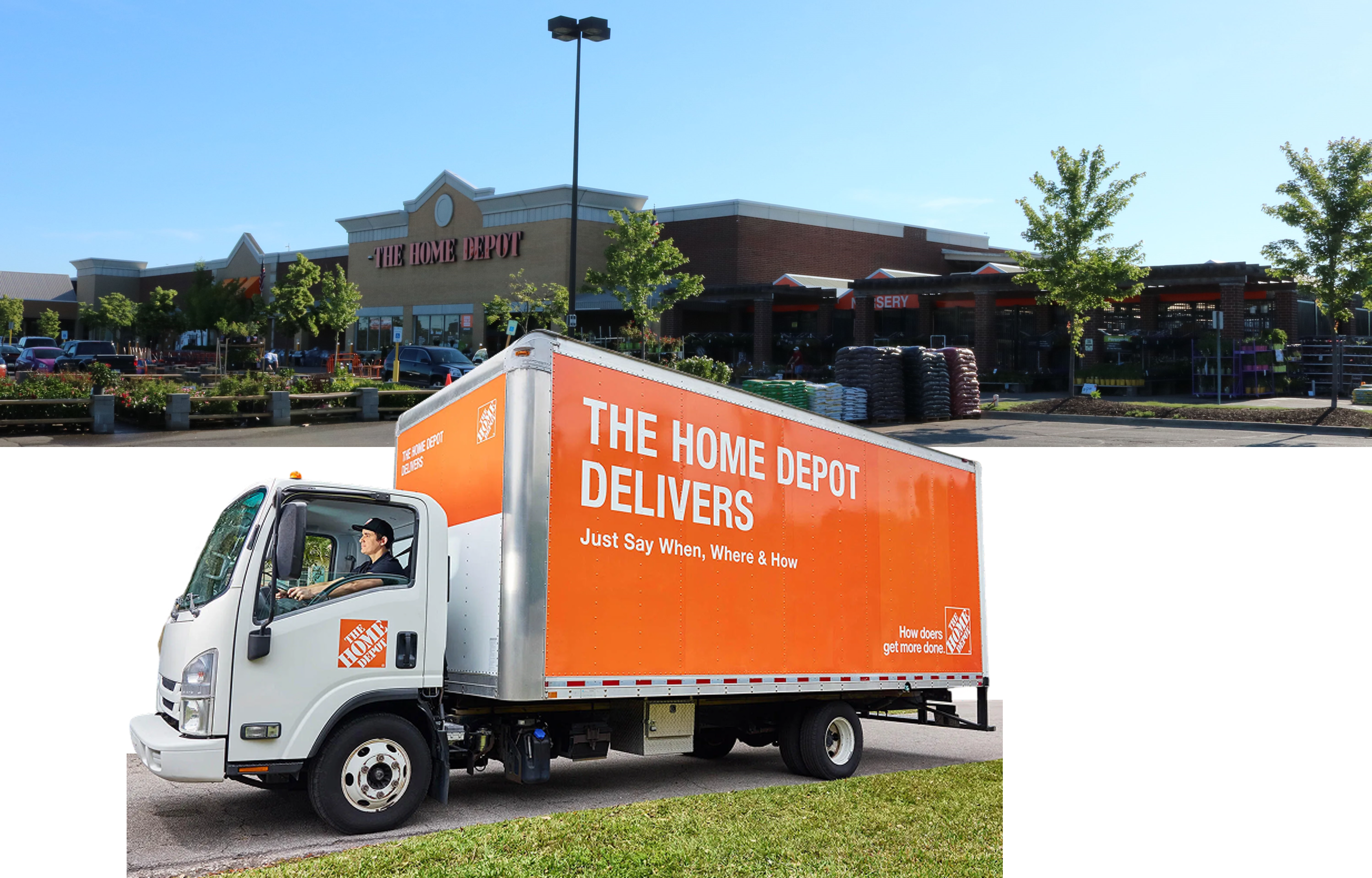
The stores-as-a-delivery hub strategy makes sense—especially since ~90% of the U.S. population lives within 10 miles of a Home Depot store.
But it also begs the question:
Will Home Depot need to modify or enlarge its stores to better accommodate Express Delivery and store-supported online fulfillment?
Or are there other ways for Home Depot to utilize—or repurpose—its real estate or operations to provide this delivery service?
Some Retailers Are Opening New and Larger Stores To Support Delivery
Many retailers now utilize a “stores-as-a-delivery hub” model and they are increasingly adding new stores in much larger real estate:
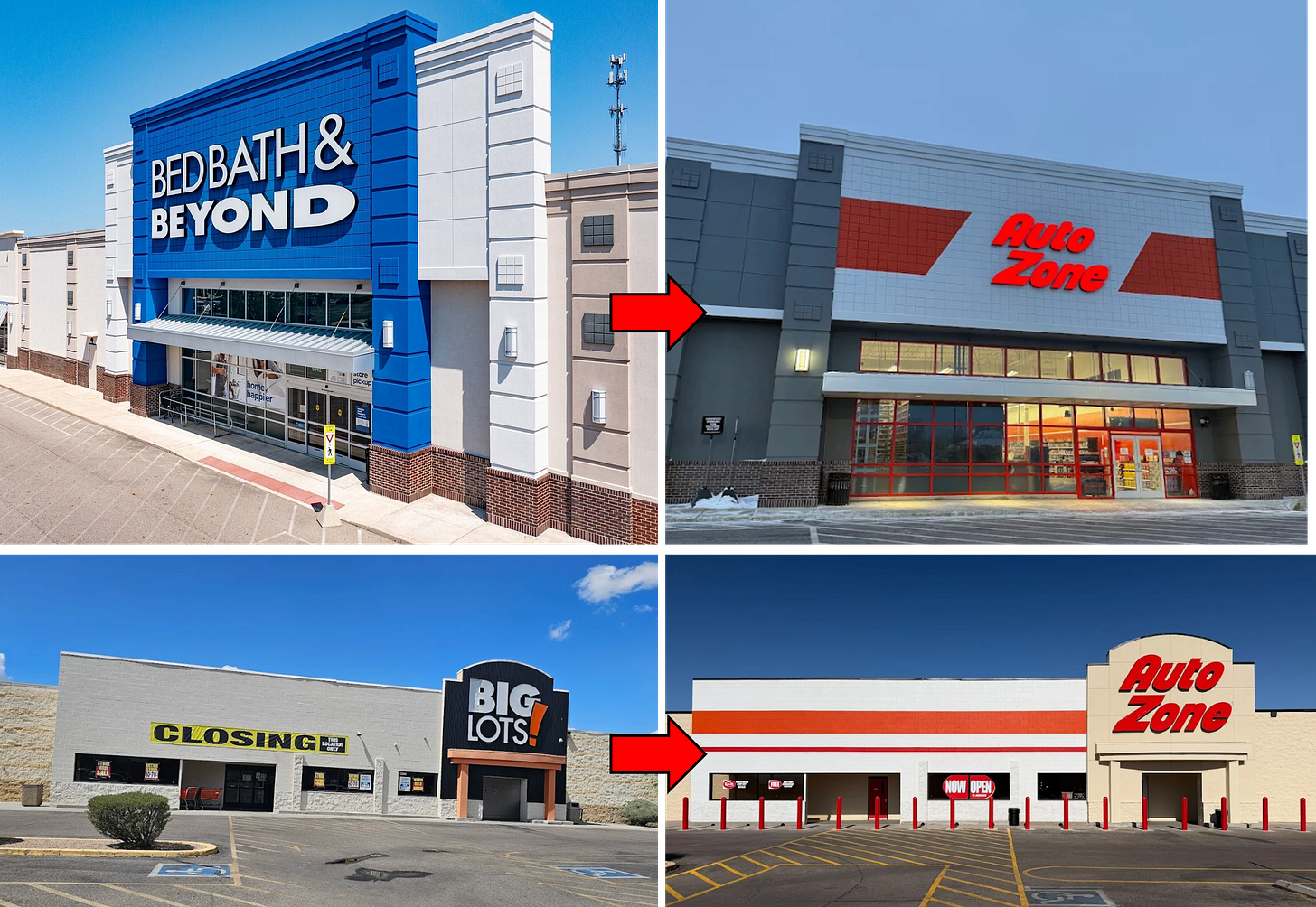
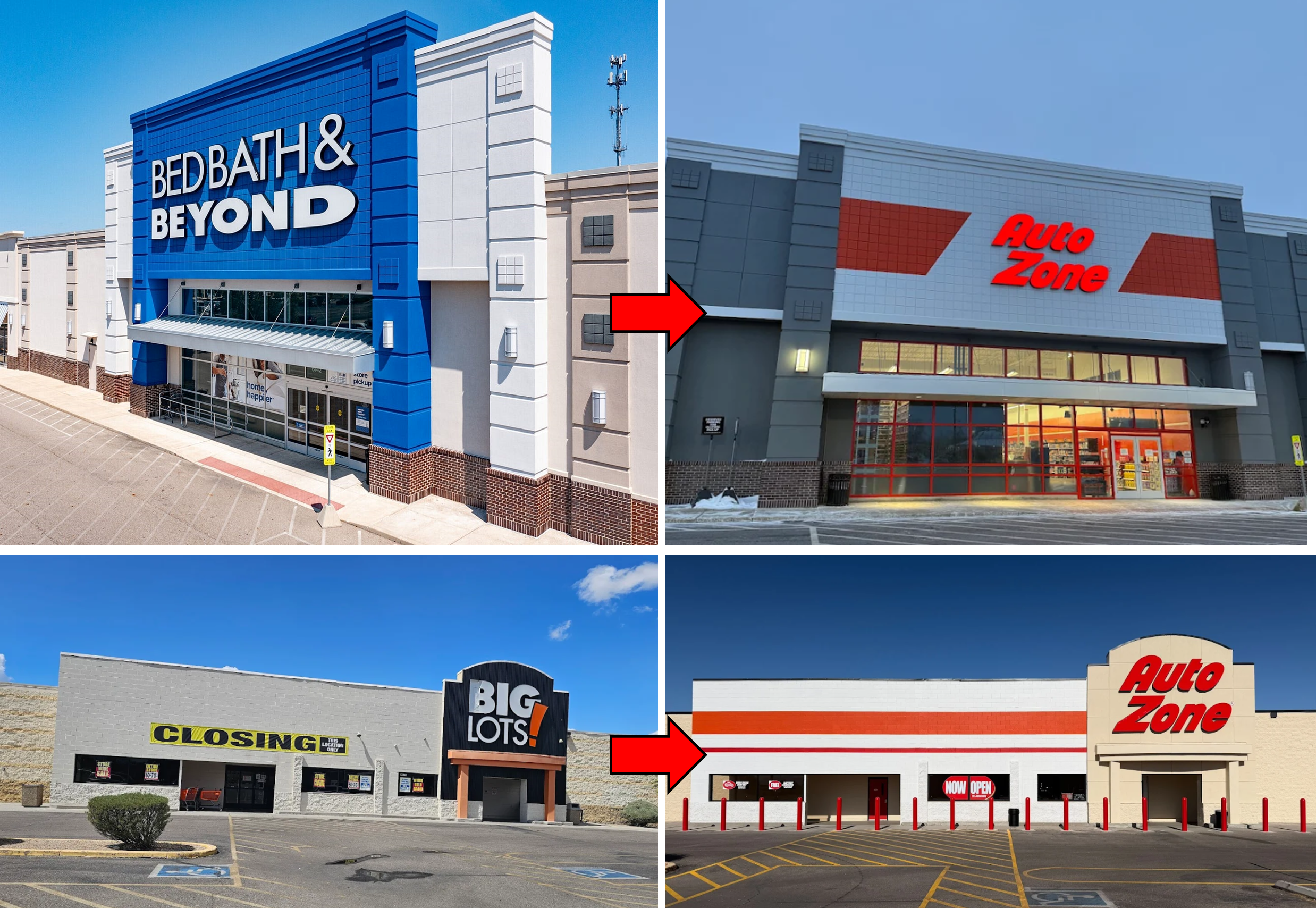
AutoZone— Roughly 1/2 of new AutoZone AZO 0.00%↑ store openings are now in Big Box Mega Hubs that are 5x the size of the Company’s standard auto parts store; these Mega Hubs are typically in 2nd generation real estate and designed to facilitate rapid delivery of auto parts particularly to AutoZone’s “do-it-for-me (DIFM)” collision center customers
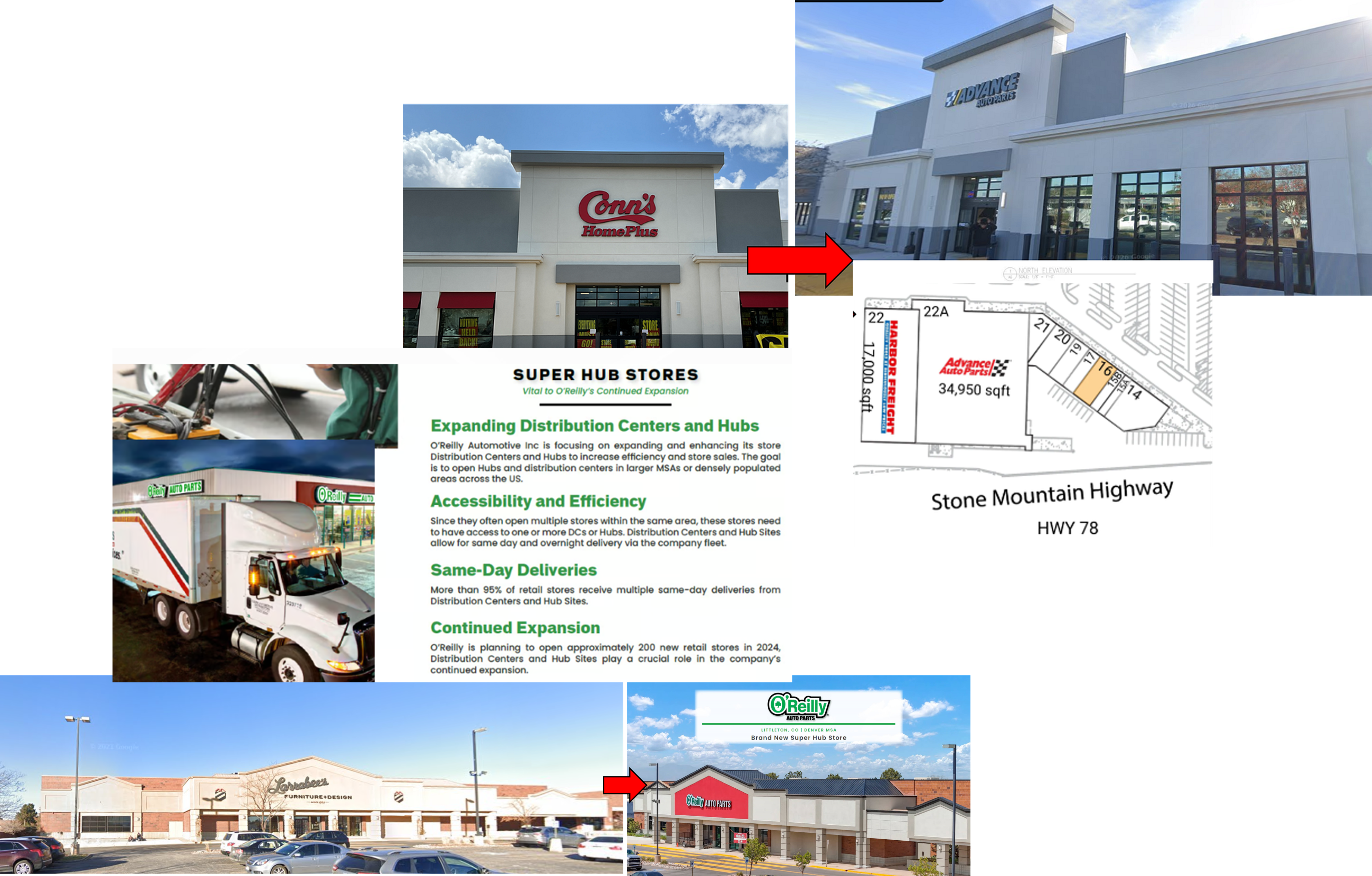
Advance Auto Parts / O’Reilly Auto Parts—Both Advance Auto Parts AAP 0.00%↑ and O’Reilly Auto Parts ORLY 0.00%↑ are also opening dozens of Big Box hub stores that are much larger than their standard prototypes in large part to support store-based fulfillment and delivery service

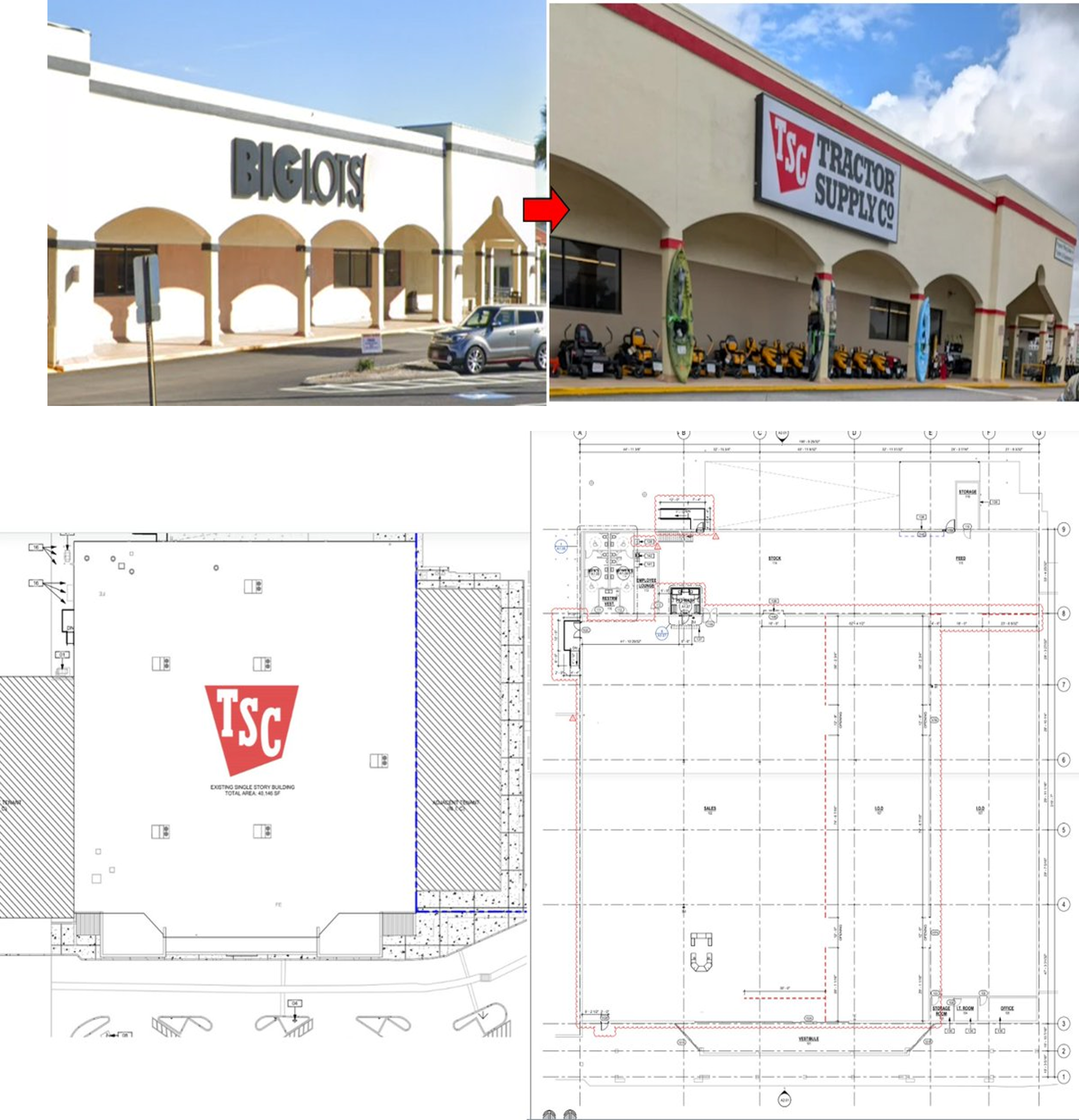
Tractor Supply—Many recently-opened Tractor Supply TSCO 0.00%↑ stores are in spaces of ~40,000-50,000 square feet—or nearly 3x the size of the Company’s standard real estate prototype—in part to fulfill online orders and provide “Final Mile” delivery services to nearby customers
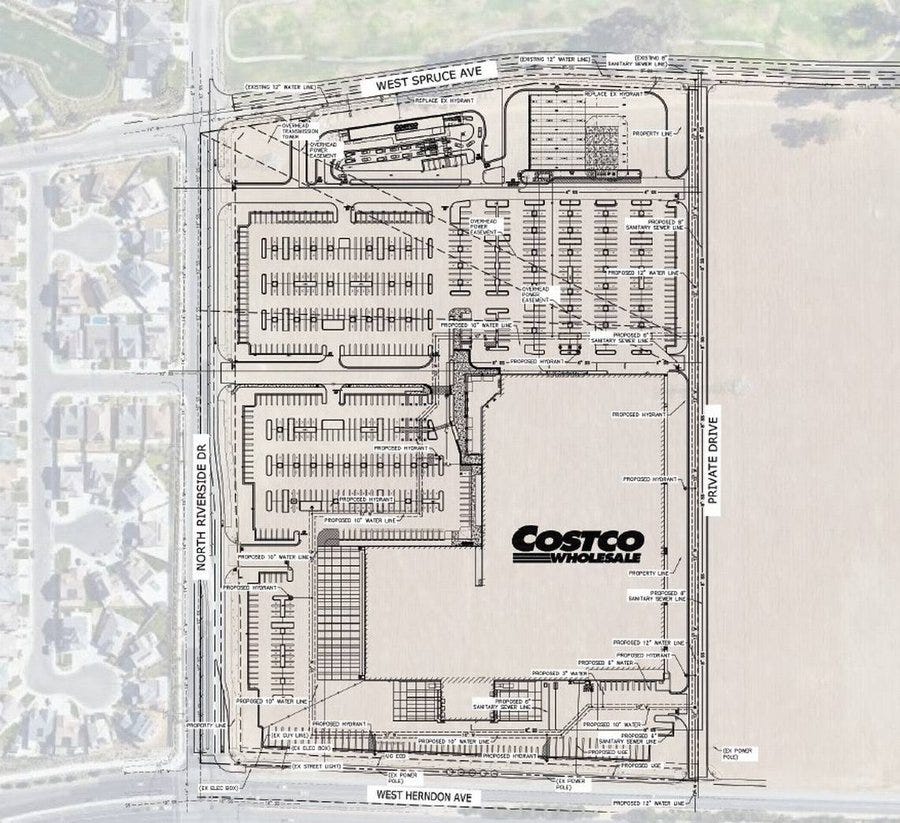
Even Costco COST 0.00%↑ is increasing the size of some of its new clubs to facilitate store-based delivery.
For instance the new club that Costco is building in Fresno, CA will be ~219,000 square feet, or ~50% larger than a standard Costco Wholesale club.
One reason why the new Fresno club is so big?
It will include a ~47,000 square foot “Market Delivery Operation (MDO)” distribution space where large and heavy items like appliances, furniture, televisions and fitness equipment will be loaded onto box trucks for last mile delivery to Costco members.
Target May Offer A Good Example Of Real Estate And Process Modifications
It is not much of a surprise that retailers that utilize store-based fulfillment and delivery are shifting to new and larger properties.
But Home Depot stores are already quite large.
So to support express delivery Home Depot may just need to make adjustments to its operational processes and modifications to its existing real estate.
Or at least to some of its real estate.
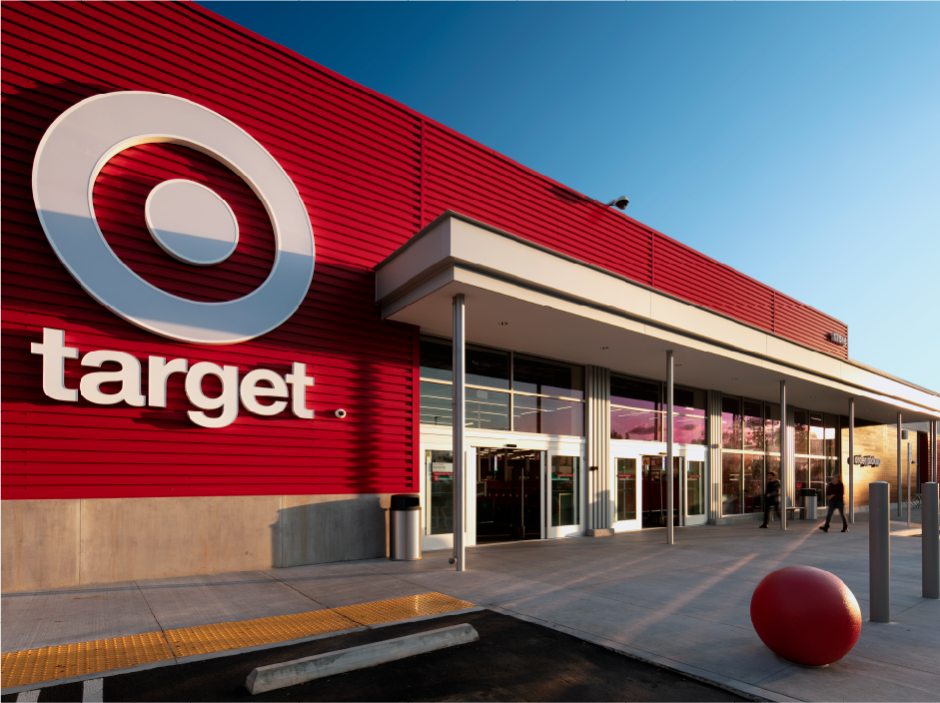
Target TGT 0.00%↑ may represent a good model for how process changes—and modifications to certain stores—can improve store-based fulfillment and delivery services.
In 2017 Target rolled out its “stores as a hub” strategy in which it used all ~2,000 of the Company’s stores to fulfill 95%+ of online orders and deliveries.
Like Home Depot, Target’s store network provided excellent coverage and reach with a Target store located within 10 miles of 75% of the U.S. population.
One problem:
Many of Target’s stores were simply not equipped to handle store-based fulfillment.
This caused issues with customers and employees and led to overcrowded stores, sloppier aisles, long check out lines and more out of stock merchandise.
Last Fall Target shifted its model in certain areas to test fulfillment from select, larger stores that have a real estate and operations setup oriented to fulfillment.
For instance, Target stopped fulfilling online orders at many older, smaller stores in the Chicago area.
Target instead directed these orders to lower volume stores with less in-store traffic as well as newer, bigger stores that had larger back rooms and pack stations.
This change resulted in just 5 stores in the Chicago region handling about 30% of the ship-to-home or local delivery volume.
The operation proved so successful that Target is now in the process of adopting this strategy in dozens of other markets.
Why Home Depot Is Well Positioned For Store-Based Delivery
As Home Depot shifts more online order fulfillment and express delivery to its stores it may encounter the same issues that led Target to redirect orders to select stores with lower in-store traffic or that were enlarged or specifically fit out for the use.
However Home Depot has several real estate advantages that play in its favor:
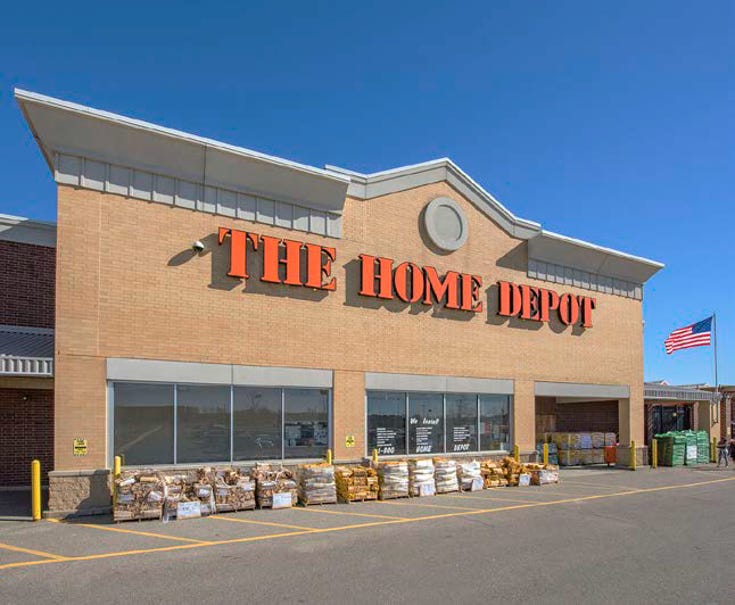
Room For Expansion—while the average Home Depot store has ~105,000 square feet of indoor retail space and a ~24,000 square foot garden area, most sit on large land parcels that can accommodate building expansion if needed to construct pack stations or distribution space for large and heavy delivery items
Manageable In-Store Traffic And Transaction Volumes—Home Depot stores have less in-store customer traffic and transaction volume than Target stores that sell food and everyday essentials; this means Home Depot can more easily fit out select, lower volume stores—or those with less in-store customer traffic—in large metropolitan areas as its core fulfillment and delivery support hubs while leaving its busiest and high traffic stores to serve in-store customers
Leverage Existing Fulfillment Centers—for products not suited to store-based delivery, Home Depot can also leverage its extensive network of 200+ “last mile” assets that include direct fulfillment centers, flatbed distribution centers and rapid deployment centers to optimize delivery through its system
Home Depot Wants To Own The Real Estate—And Delivery Operation
It is no surprise that Home Depot—like many other retailers—is introducing initiatives that provide faster and more robust delivery service options.
Fast home delivery drives loyalty and retail giants like Amazon and Walmart are conditioning customers to expect deliveries in hours rather than days.
Express Delivery is also just Home Depot’s latest delivery offering.
Home Depot already offers an extensive same-day delivery services across categories that include lighting, decor and building materials.
The Company also provides next day appliance delivery to ~60% of the U.S. population.
In fact over 55% of Home Depot’s in-stock SKUs were delivered via same or next-day delivery in 2025, more than 3x the Company’s 2022 rate.
These delivery services already work in conjunction with Home Depot’s retail stores and the rest of its real estate network.
But unlike some retailers that are outsourcing delivery to service provides like DoorDash and Instacart, Home Depot is utilizing its own real estate and technology to control the end-to-end delivery operation.
Home Depot employs a “ship from the best location” initiative that utilizes machine learning algorithms to route orders via the optimal fulfillment node.
Sometimes that will be via its store real estate.
After all Home Depot’s ~2,350+ stores are in prime locations, have been curated over decades and provide a durable competitive advantage for the Company.
In other situations the delivery may be best suited from a Home Depot fulfillment center or even via SRS Distribution, the 400-branch wholesale distributor of roofing and building materials that Home Depot acquired in 2024.
The bottom line?
Home Depot has the real estate, technology and internal bandwidth to self-administer its Express Delivery service.
It may just require a slight repurpose of its retail real estate and store delivery model.
No posts
Comments
Nothing yet. Say the first thing.
Sign in to join the conversation.