
Are in-store comp sales still the most relevant data point reported by retailers?
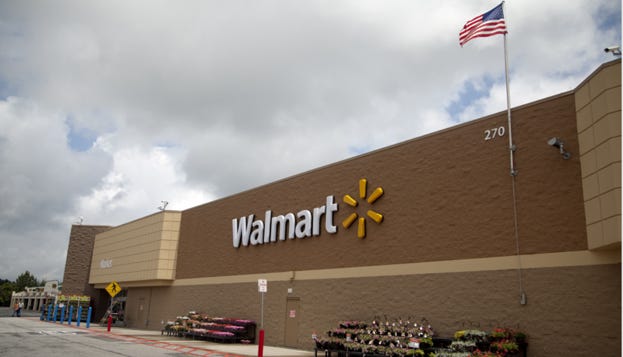
Walmart WMT 0.00%↑ CFO John Rainey doesn’t think so.
That is because in-store sales no longer tell the whole story about retailer performance.
Particularly for large retailers like Walmart and Target that feature an “omni channel” offering.
For instance e-commerce now comprises 23% of Walmart’s total sales, a 2x increase over just the past 5 years.
And it is still growing fast:
Walmart’s e-commerce sales increased 24% during the fiscal Q2 2027 period that was reported by the Company last week.
However quarterly in-store comps were, according to Walmart management, “down low single digits in Q2, consistent with the trend that began in late Q4 last year.”
But weak in-store comps did not mean the Company’s stores were a drag on performance.
Or that Walmart’s retail real estate was losing relevance.
To the contrary ~80% of Walmart WMT 0.00%↑ e-commerce orders—and 100% of its fast deliveries—are fulfilled from its stores.
So stores and retail real estate are still vital to generating the vast majority of Walmart’s sales even with the retailer’s omni channel model.
The role of stores has just, in the words of Walmart executives, “evolved.”
The same is true for Target TGT 0.00%↑.
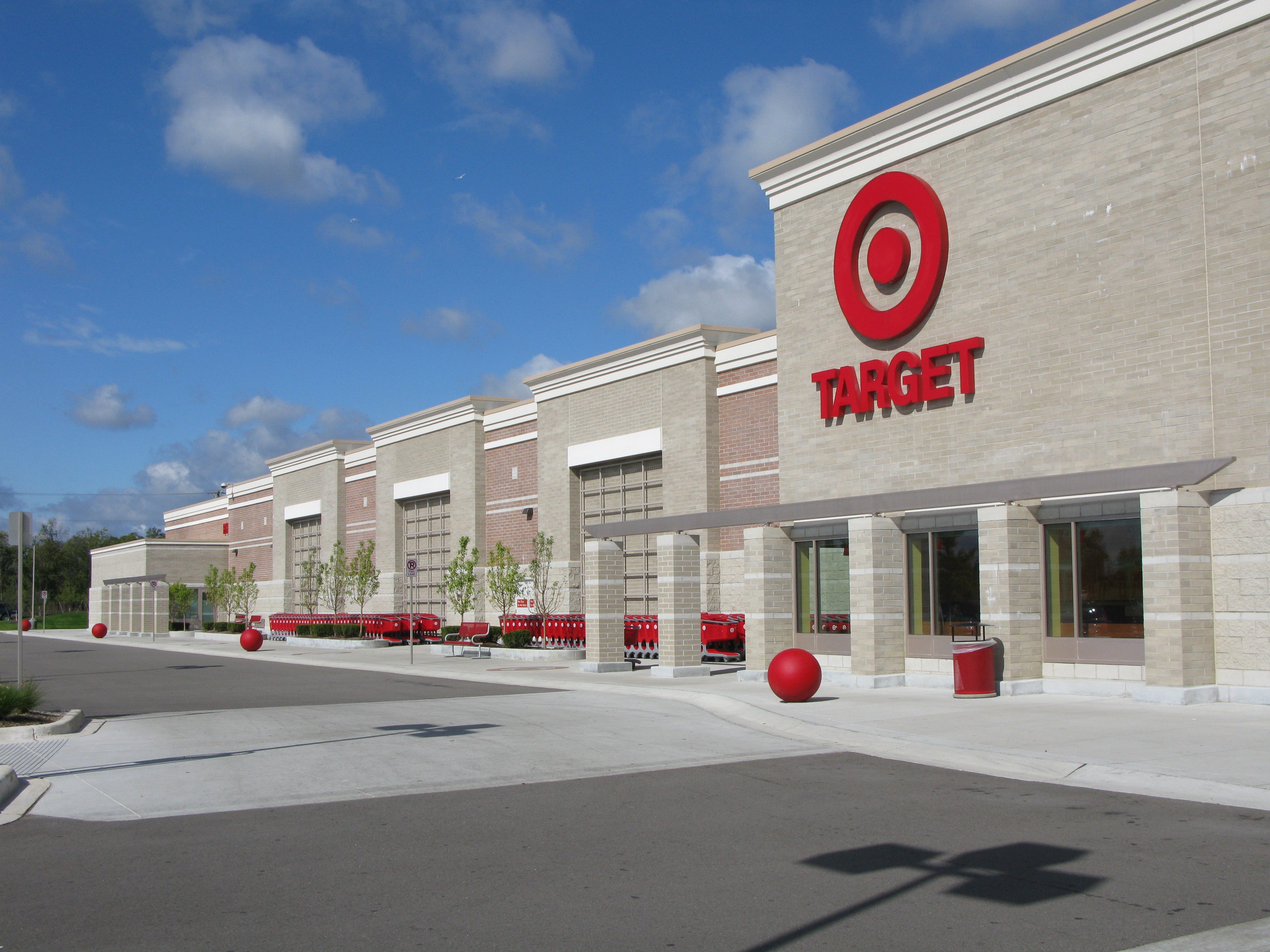
Target’s Fiscal Q2 2026 comp sales increased 3.8%.
However Target’s “in-store” comps grew just 2.7% while online sales increased 8.7%.
The biggest area of growth for Target was in same day delivery which posted a ~25% increase during the quarter.
Still Target’s 2,000 retail stores were critical to all of these transactions since the Company fulfills ~95% of online sales—including deliveries—from its stores.
Which means that despite the difference in performance across channels Target’s retail real estate contributed to nearly all of its Q2 sales.
Real Estate Is Still Needed To Facilitate E-Commerce And Delivery
The shift from in-store sales to e-commerce is not new:
More retail sales of all types have moved online in recent years.
That is a key reason why e-commerce now represents nearly a quarter of Walmart’s $700 BB+ in annual sales and has more than doubled over the past 5 years.
But despite the fact that more sales have shifted online, a brick and mortar store network remains core to the performance of most large retailers.
That is principally because a physical product still must change hands in nearly all sales generated by Walmart, Target and other general merchandise, grocery and apparel retailers.
Sometimes that product is picked and paid for by customers in-store.
Other times the product is shipped from the store’s back room or brought out by store personnel and dropped in vehicle trunks in the store parking lot.
Increasingly that product is now even delivered by the retailer or a third party provider direct from stores to customer homes.
This last point is critically important because growth in delivery outpaced standard e-commerce sales increases at both Walmart and Target in the last quarter.
And delivery for both Walmart and Target is rooted in the large fleet of stores that both companies operate very near to the majority of the U.S. population.
Walmart has a store within 10 miles of 90% of the U.S. population and Target operates a store within 10 miles of 75% of the U.S. population.
This expansive retail real estate network is a key enabler of “last mile” delivery and a massive source of competitive advantage for both Walmart and Target.
Walmart even noted that store-based delivery allowed it to achieved faster delivery speeds on a broader product assortment and that expedited deliveries of 3 hours or less represented ~37% of store-fulfilled orders during the past quarter.
So even if “in-store” comps may be less relevant to Walmart, its stores and retail real estate network most assuredly are not.
Walmart Is Adding Dark Store “Depots” To Its Real Estate Network
While Supercenters and Neighborhood Markets comprise the vast majority of Walmart’s retail store network, it is also adding other real estate.
Such as Walmart Depots.
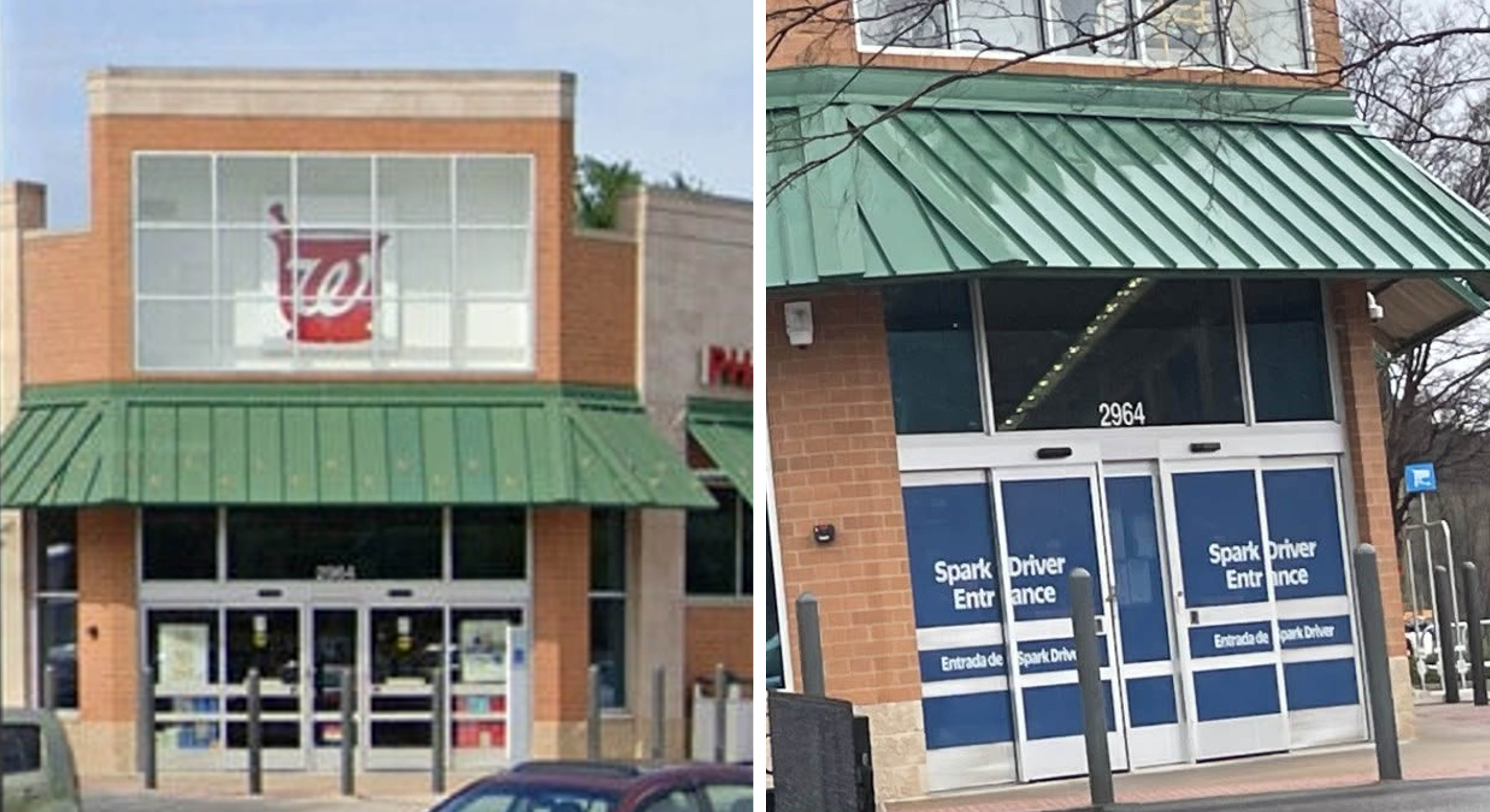
Walmart recently opened several local delivery hubs in markets throughout the country to speed up delivery times and avoid overcrowding of its stores.
These Walmart Depots—which are closed to the public—are designed for rapid fulfillment of high volume grocery and essential products in a local area.
Walmart Depots are 15,000 - 20,000 square feet, or a fraction of the size of a ~180,000+ square foot Supercenter, and are typically suited for 2nd generation retail buildings in dense neighborhood sites.
The objective is for delivery drivers to stop at a Depot, pick up items and deliver them to nearby customers—sometimes in 30 minutes or less—without the need to navigate large and crowded Supercenters and busy Neighborhood Markets.
Walmart is repurposing former drugstore buildings as Depot sites as these properties are widely available, fit the desired size range and are located close to residential populations.
Target Is Modifying Its Real Estate To Support Delivery
In 2017 Target initiated its “stores as a hub” strategy that used all ~2,000 of the Company’s stores to fulfill 95%+ of online orders and deliveries.
One problem:
Despite their convenient locations near to residential populations most Target stores were simply not equipped to handle store-based fulfillment.
This caused issues with customers and employees and led to overcrowded stores, sloppier aisles, long check out lines and more out of stock merchandise.
Last Fall Target shifted its model in certain areas to test fulfillment from select, larger stores that have a real estate and operations setup oriented to fulfillment.
For instance, Target stopped fulfilling online orders at many older, smaller stores in the Chicago area.
Target instead directed these orders to lower volume stores with less in-store traffic as well as newer, bigger stores that had larger back rooms and pack stations.
This change resulted in just 5 stores in the Chicago region handling about 30% of the ship-to-home or local delivery volume.
The operation proved so successful that Target is now implementing this model in dozens of other markets.
How And Where Purchases Are Made May Not Matter—But Stores Still Do
The goal of Walmart and Target as omni channel retailers is to be agnostic about how and where a customer makes a purchase and receives its product.
However this will require Walmart and Target to bring e-commerce margins up to the level of profitability generated by in-store purchases.
Walmart executives noted that the Company is working hard to achieve margin parity in large part by relying on and leveraging Walmart’s Supercenters, Neighborhood Markets and even its new dark store Depots.
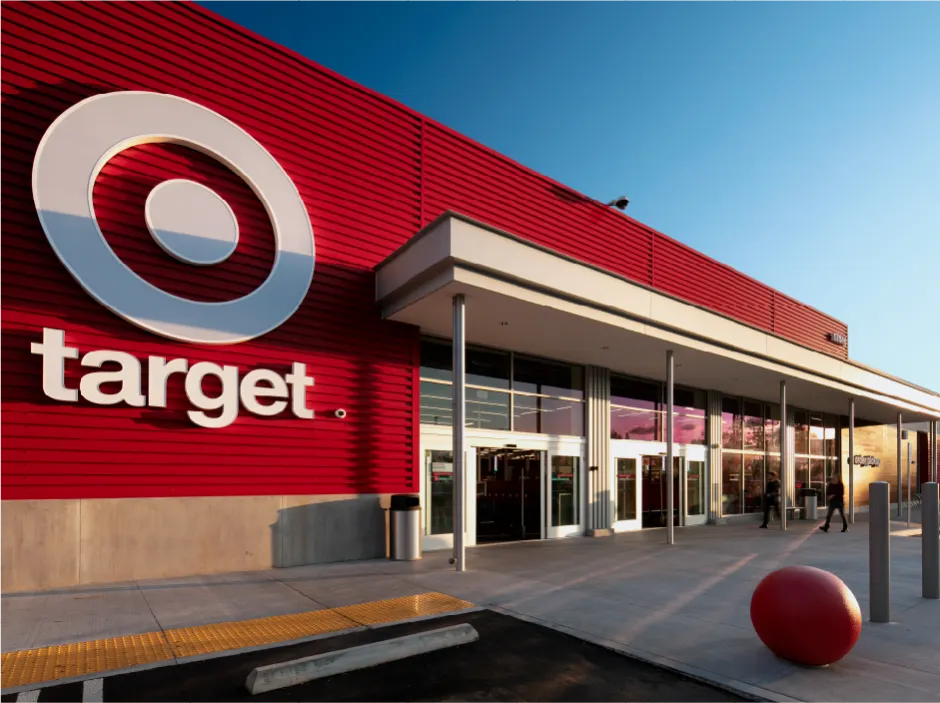
Similarly Target continues to modify its real estate and operations to ensure that its stores can efficiently and profitably serve e-commerce and delivery customers.
The stores and real estate network of both Walmart and Target are in prime locations, have been curated over decades and are perhaps the most powerful and durable sources of competitive advantage for both companies, particularly as they compete with native online retailers that are unable to replicate this footprint.
As Walmart’s CFO John Rainey notes:
The more omni [channel] we become the more important our stores become—not less important, more important.”
No posts
Comments
Nothing yet. Say the first thing.
Sign in to join the conversation.