
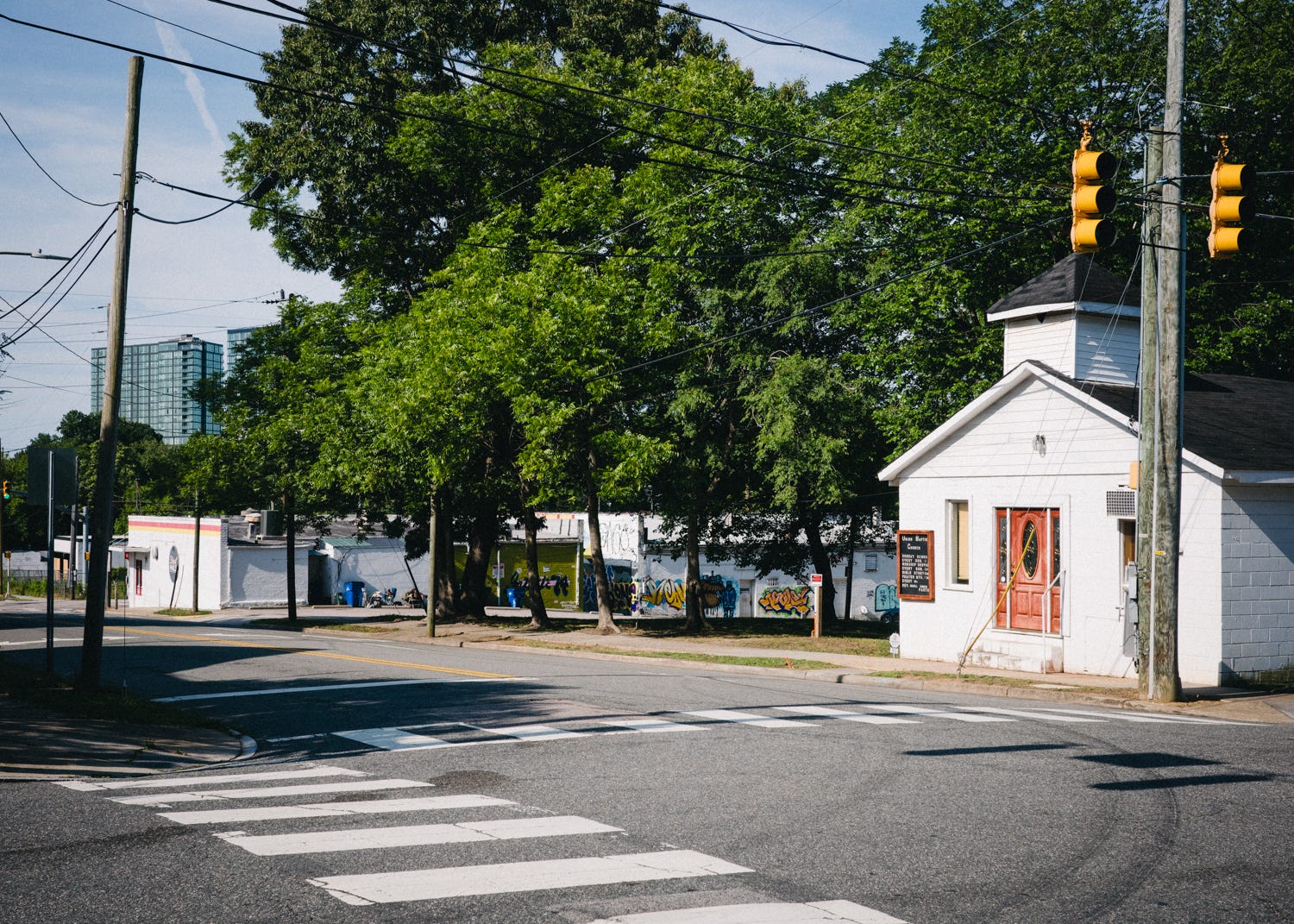
My coworker and I checked into the hotel on Fayetteville Street after dinner, dropped our luggage, and went out for a quick nightcap. The Carolina Hurricanes were playing Game 5 of the Eastern Conference Final against the Montreal Canadiens at the Lenovo Center, a few miles west of downtown. They won 6-1 to take the series and clinch their first Stanley Cup Final berth in 20 years. Over subpar dirty martinis, we commented on how downtown Raleigh was oddly quiet.
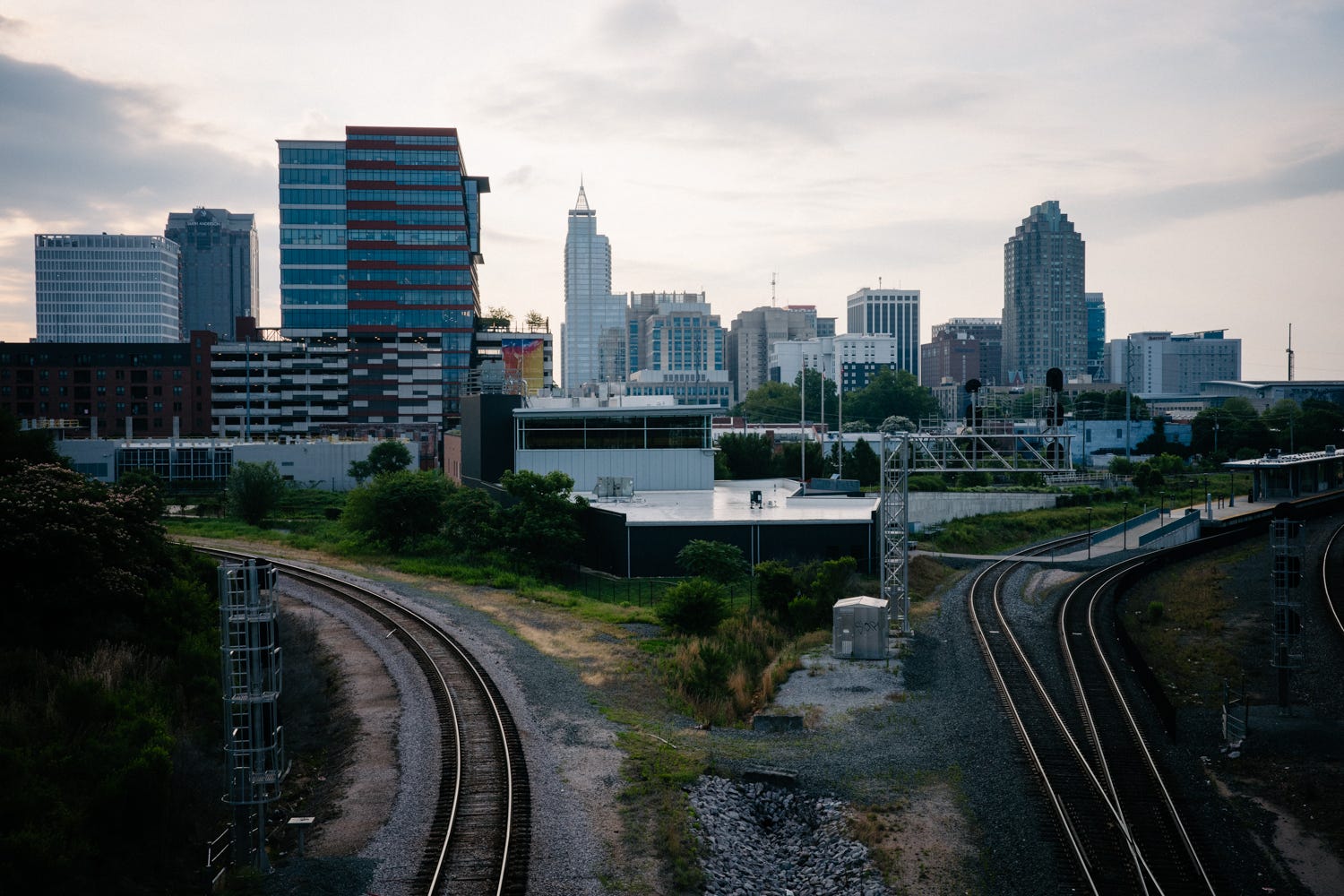
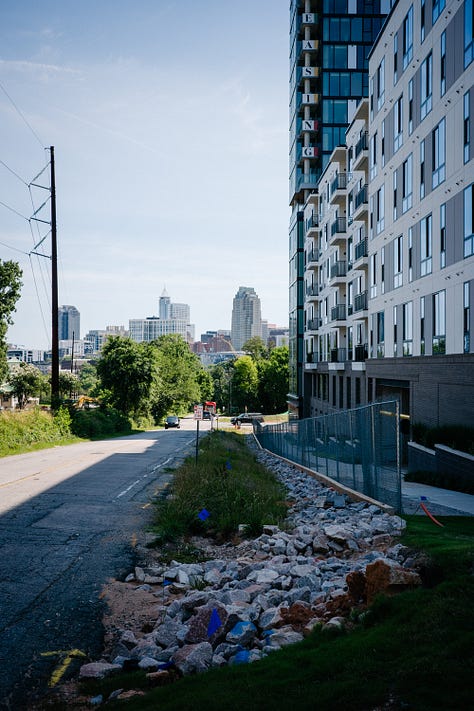
I travel to Raleigh for work a few times a year. Our office is north of the city, so downtown has always been a place I pass through rather than spend time in. After spending three nights downtown, that seems by design. It's clearly a growing city — the Research Triangle is booming, and there are new construction towers going up adjacent to downtown that don’t make sense to me. Downtown is built around the car. Wide, one-way streets are designed to move you in and out quickly, leaving little reason to linger on foot. In that sense, downtown functions more like infrastructure than a destination. There are signs of change, particularly along the western and northern limits of downtown. Converting the streets back to two-way traffic seems necessary to improve downtown Raleigh.
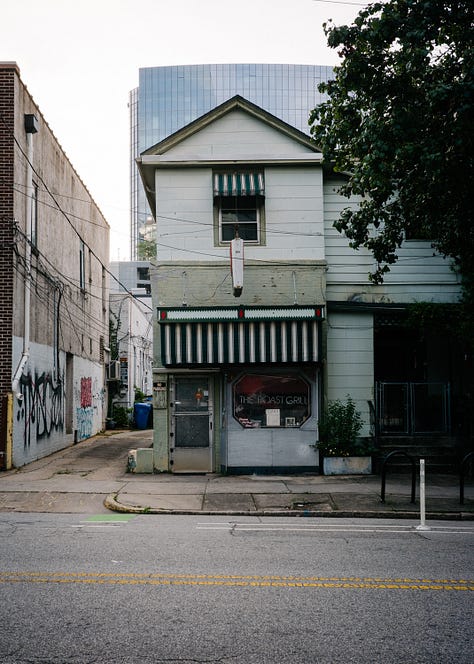
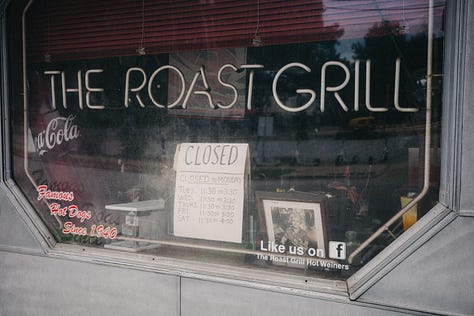
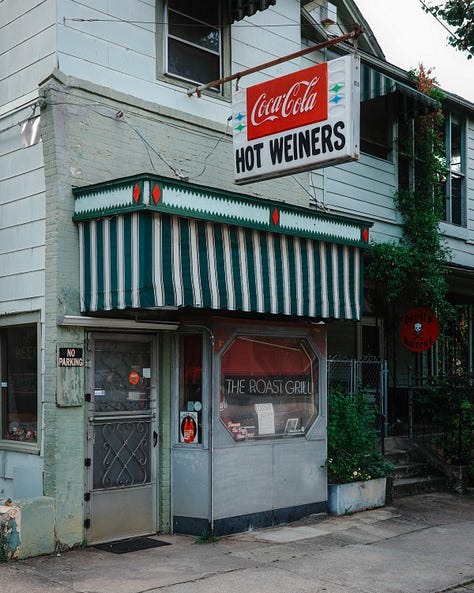
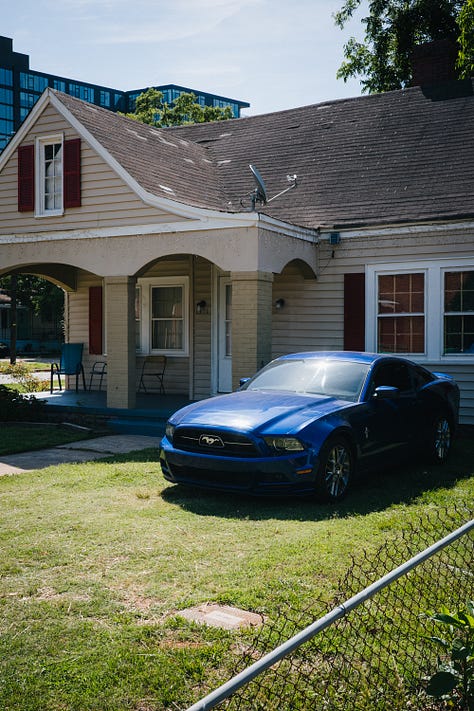
I walked through surrounding neighborhoods, including Boylan Heights, to the new, beautiful Dorothea Dix Park on Sunday morning. Boylan Heights was one of Raleigh’s first suburban neighborhoods, and you can see signs of growth, redevelopment, and gentrification as western downtown revitalizes. As I walked, I realized that Raleigh’s draw doesn’t come from its center; it comes from its neighborhoods.
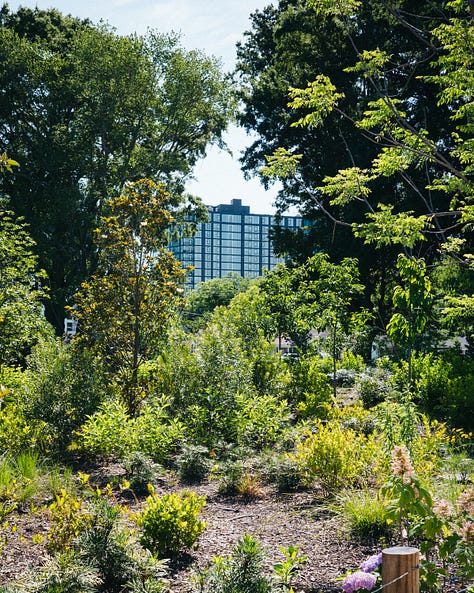
I was in Raleigh for the American Society of Landscape Architects Regional Conference, which is perhaps why we noticed an appreciation for Raleigh’s urban tree canopy. On a humid June evening, a group of us was walking back to the hotel from dinner and drinks. As we passed Nash Square, we all commented about the temperature drop we felt walking the one block of the square.
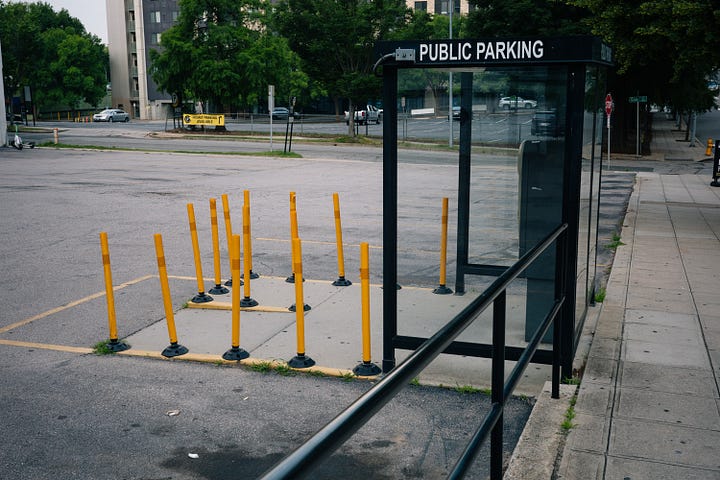
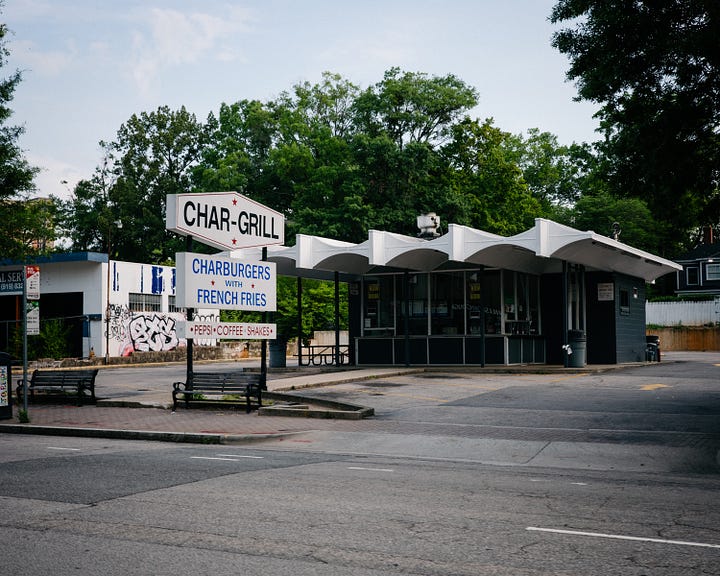
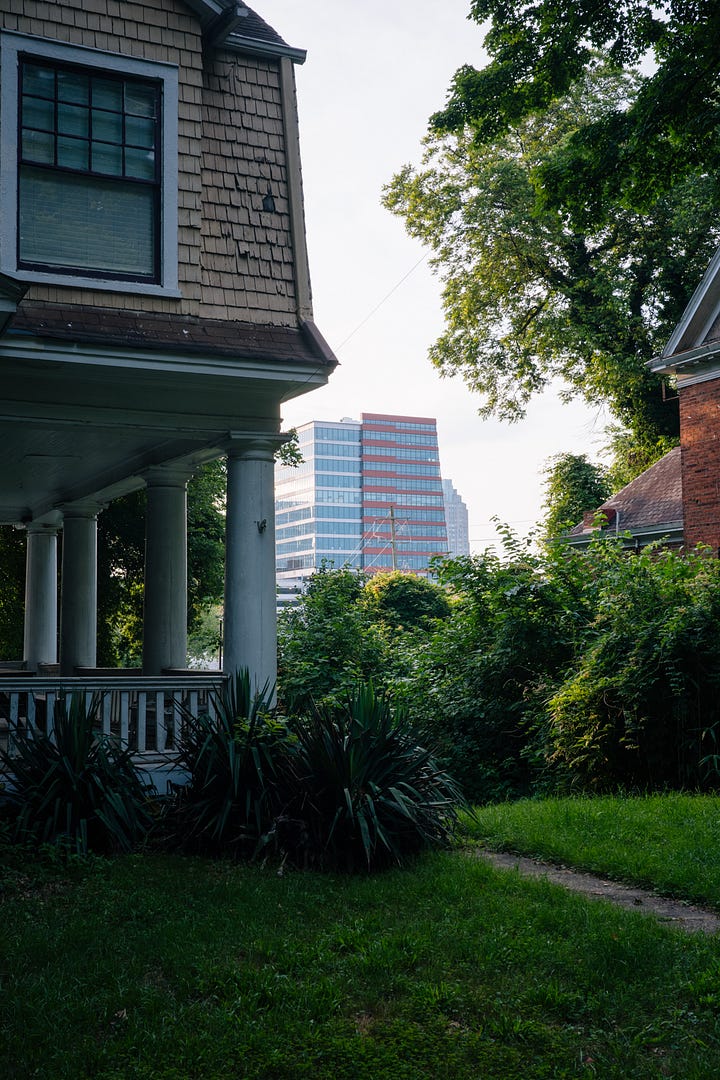
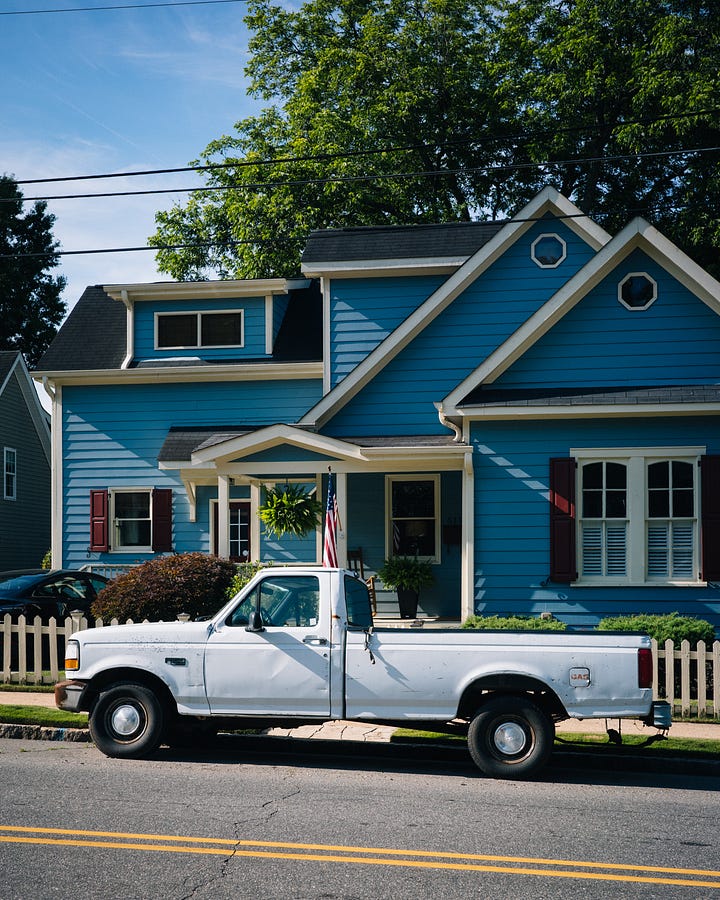
Traveling for work conferences, which is why I was in Raleigh and then Milwaukee, can make it challenging for me to find the time to explore and photograph a city. I try to prioritize early-morning walks when possible, but it can still be hard for me to get into a headspace to make photographs.
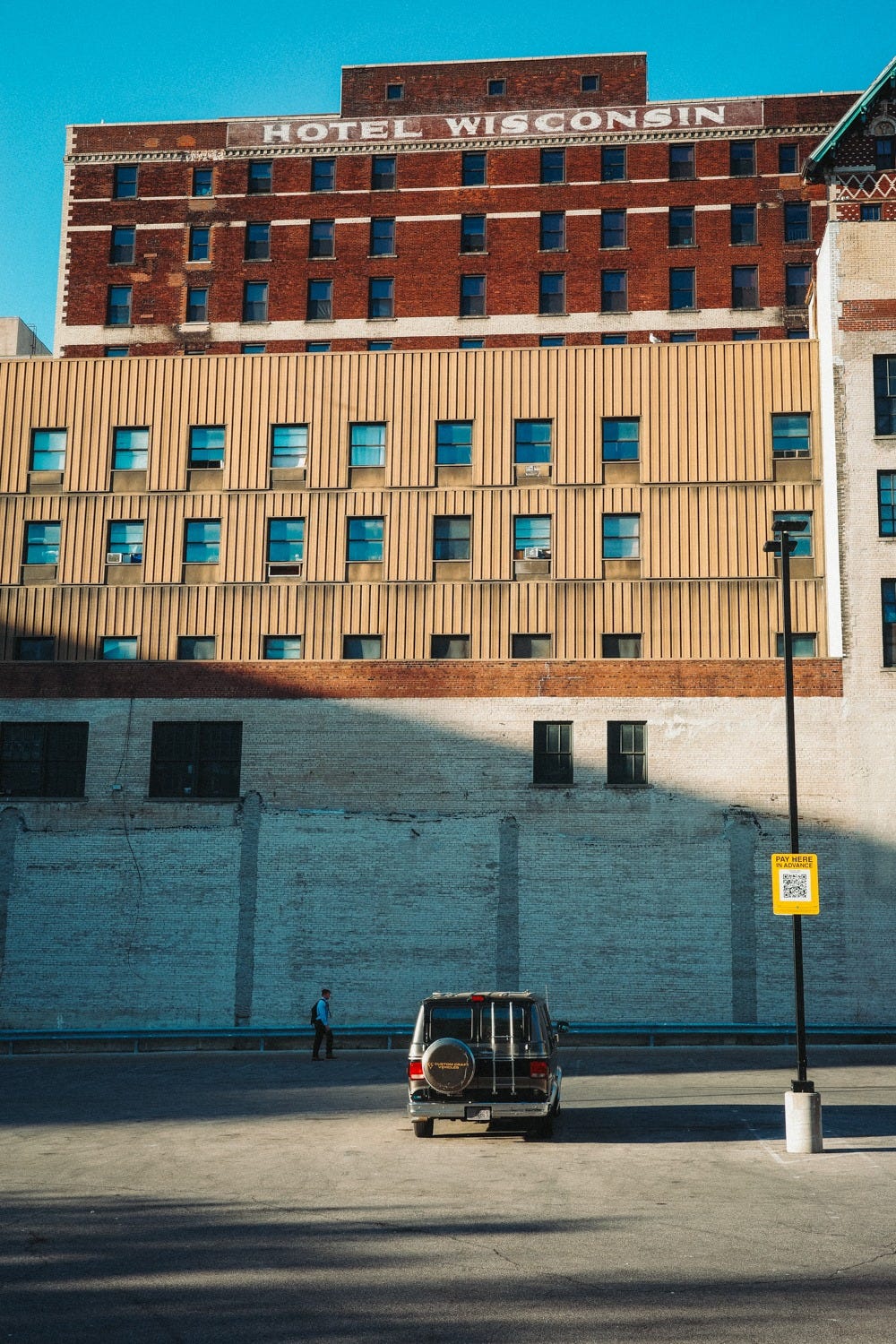
I had never been to Milwaukee, but I had heard great things. In my brief time there, I was able to explore the riverwalk, Third Ward, and Brewer’s Hill. The scars of the automobile-driven exodus to the suburbs were apparent, but like Raleigh, reinvestment in the city was also visible. The city's pace felt slow, but Milwaukee has good bones, and it doesn’t immediately reveal itself through its downtown. It’s the neighborhoods that begin to tell the story.
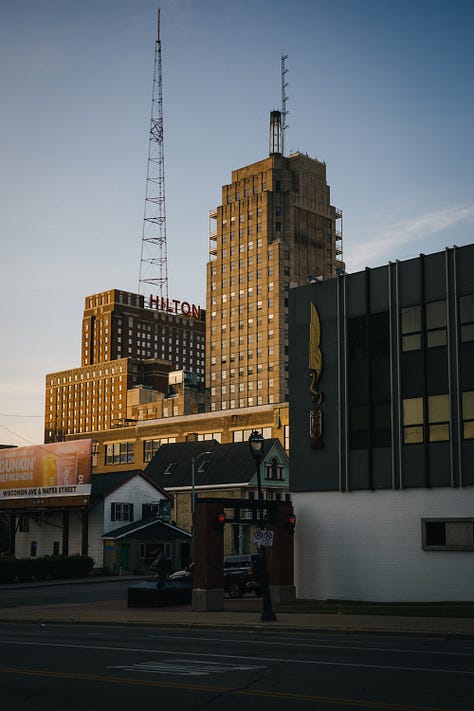
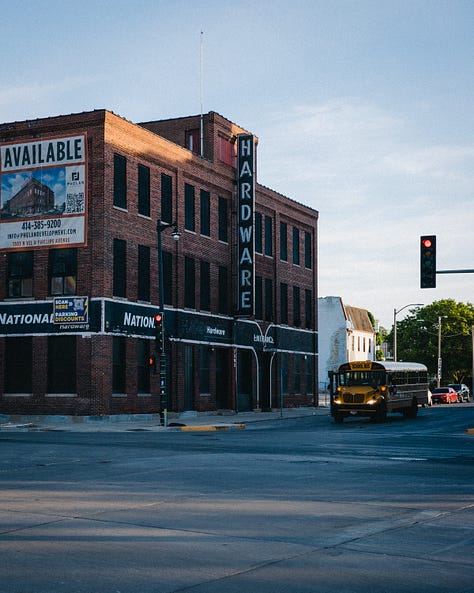
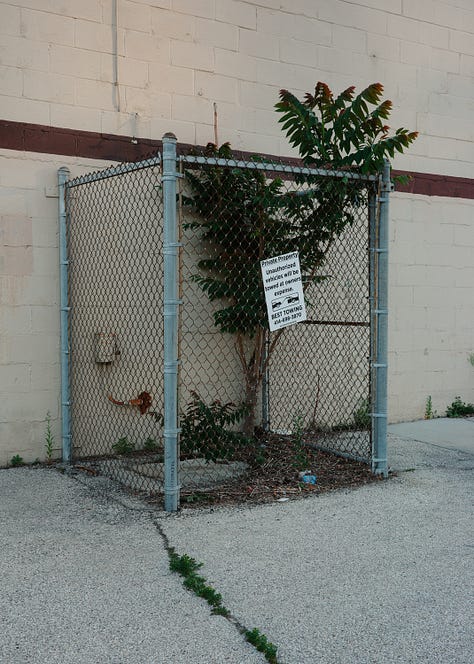
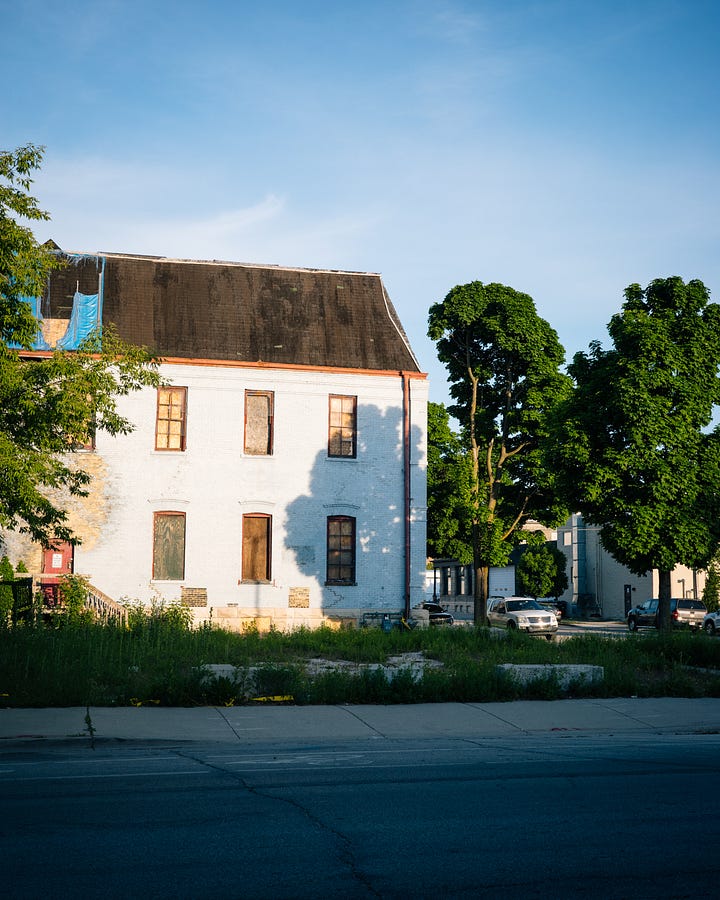
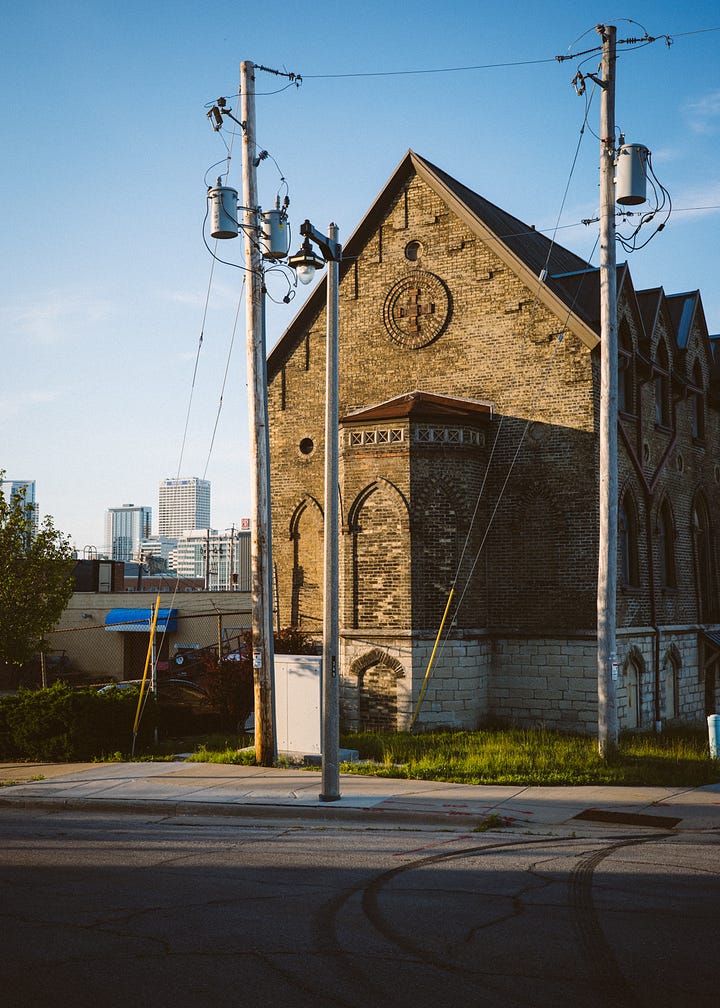
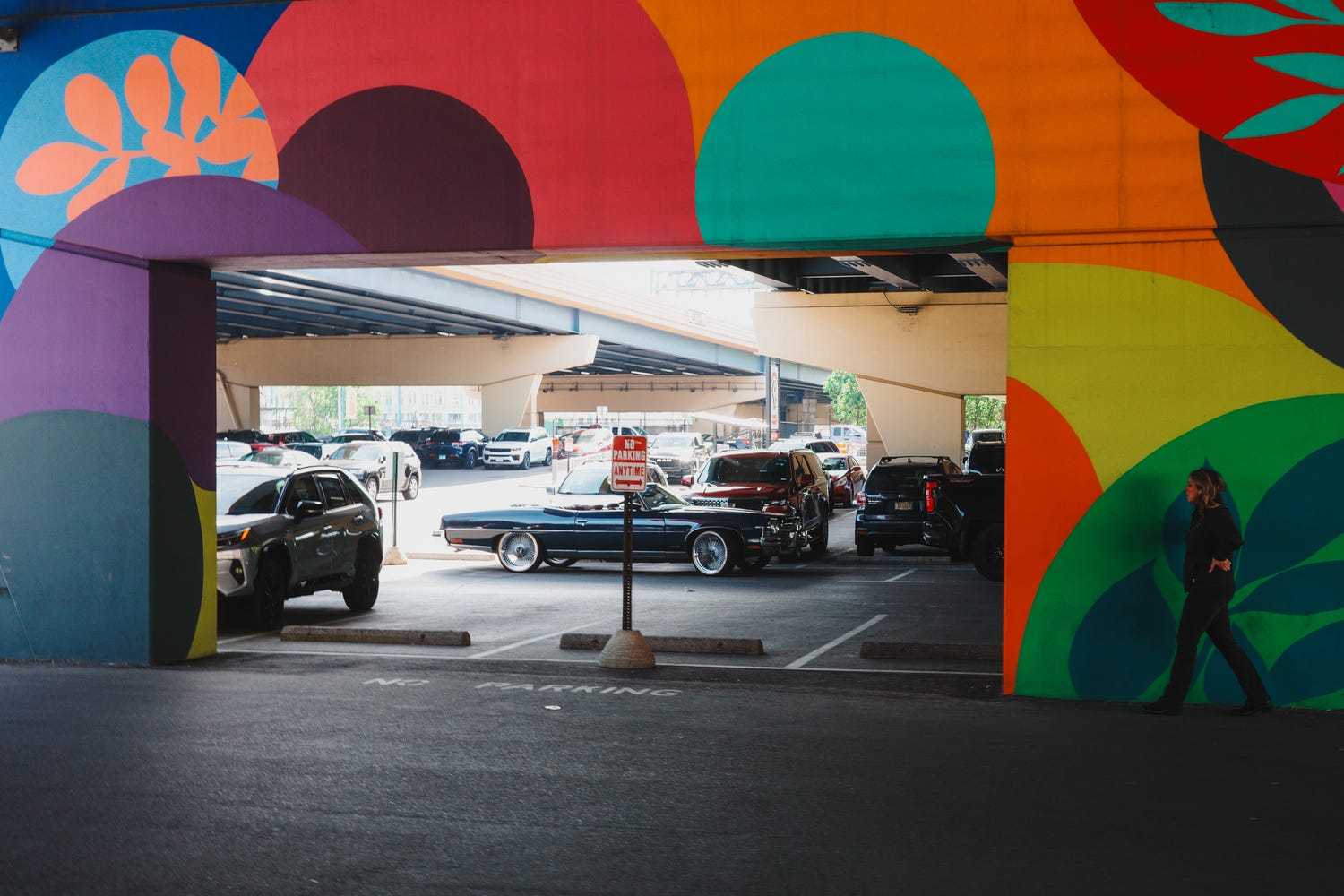
After Milwaukee, I took an hour-and-a-half Amtrak ride down to Chicago for the weekend. The train was sold out. In America, it’s a luxury to be able to travel by train.
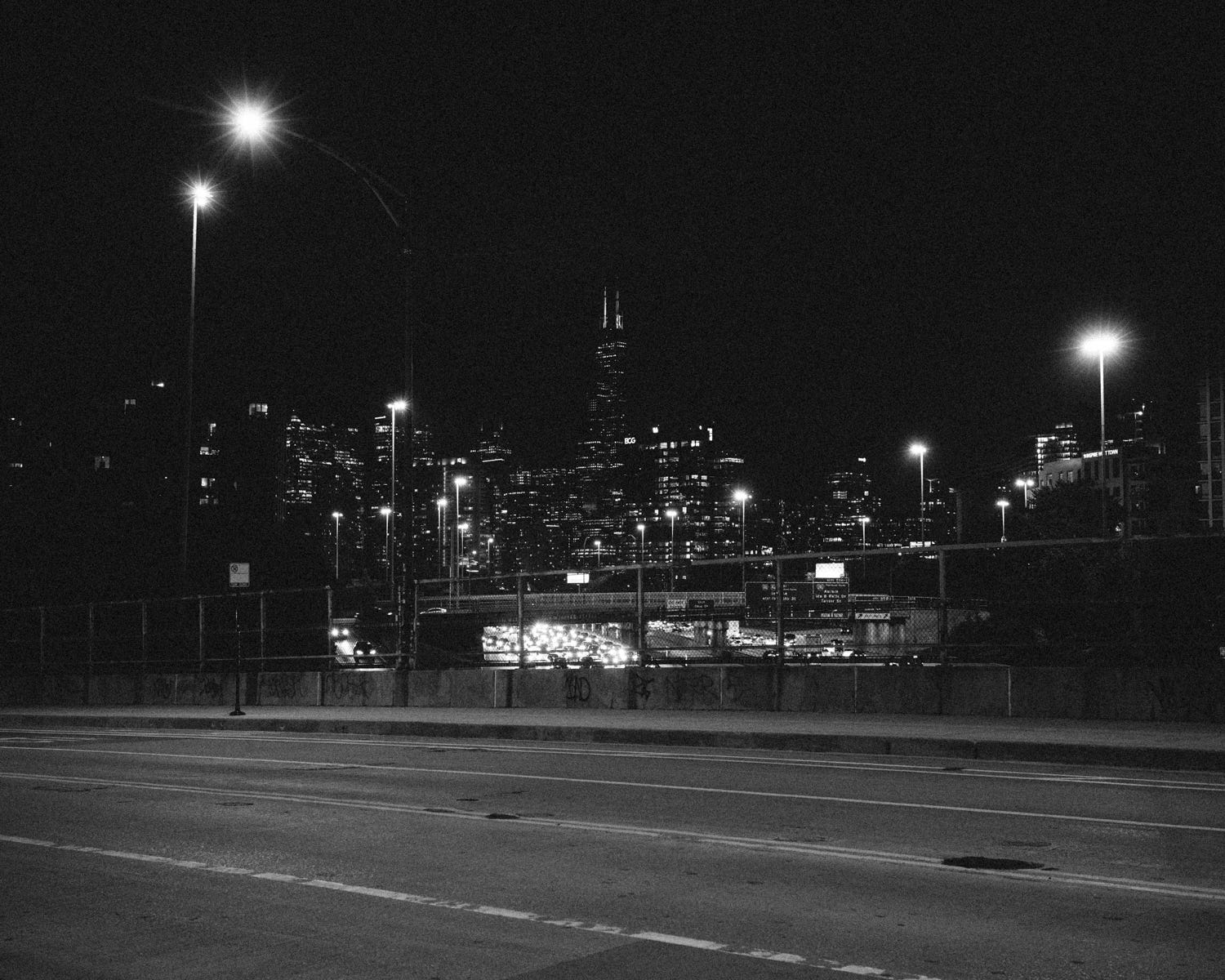
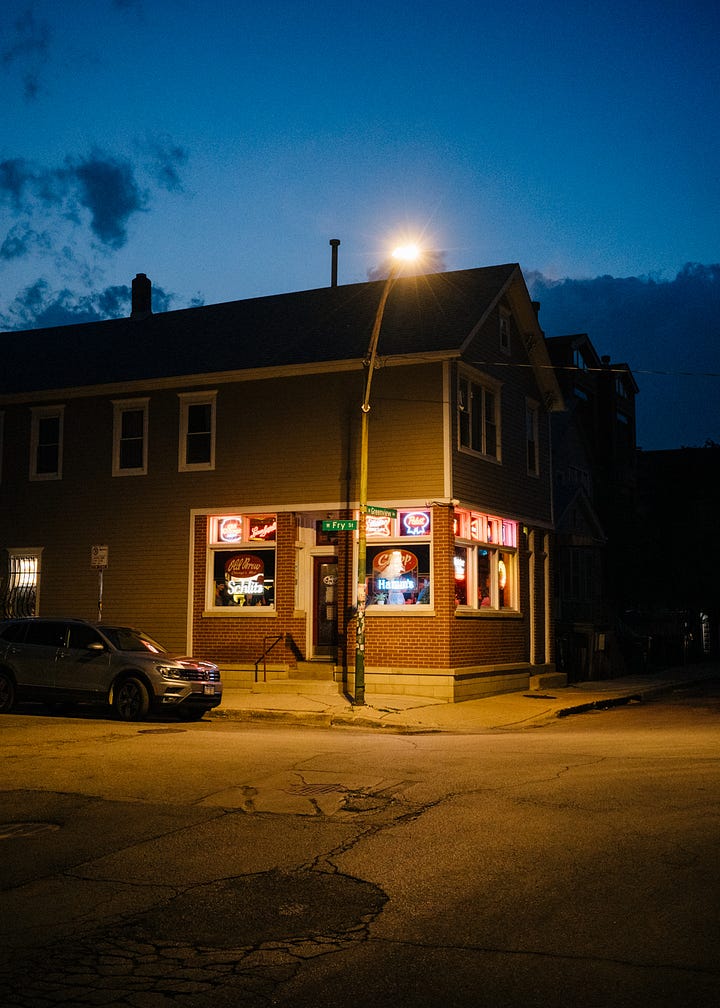
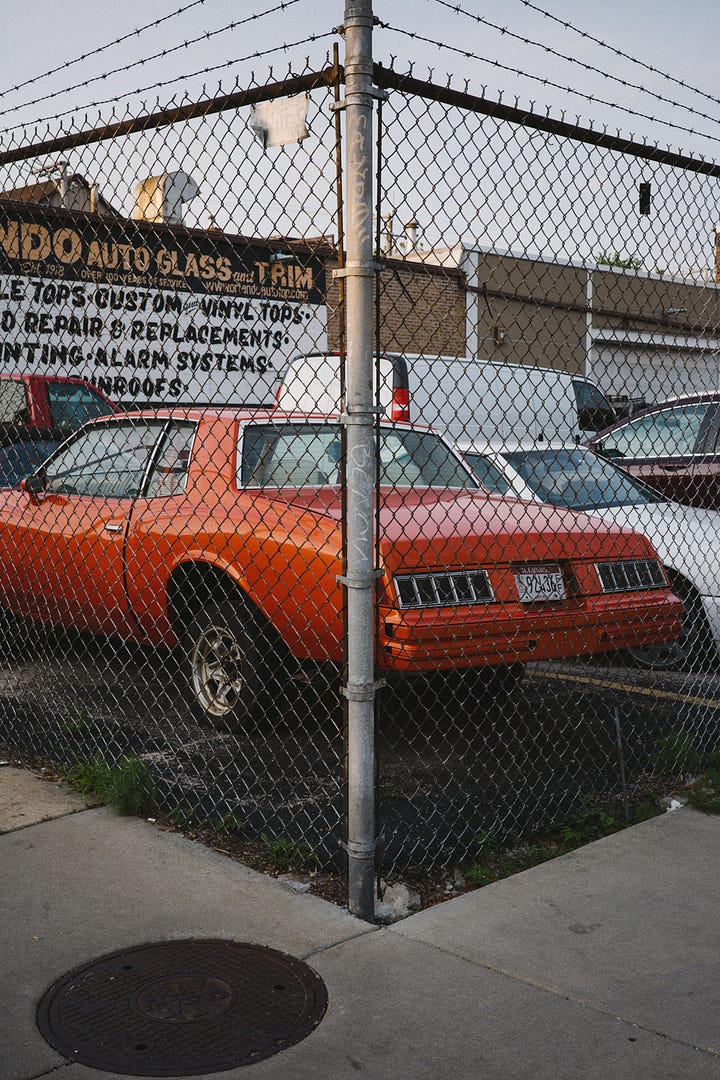
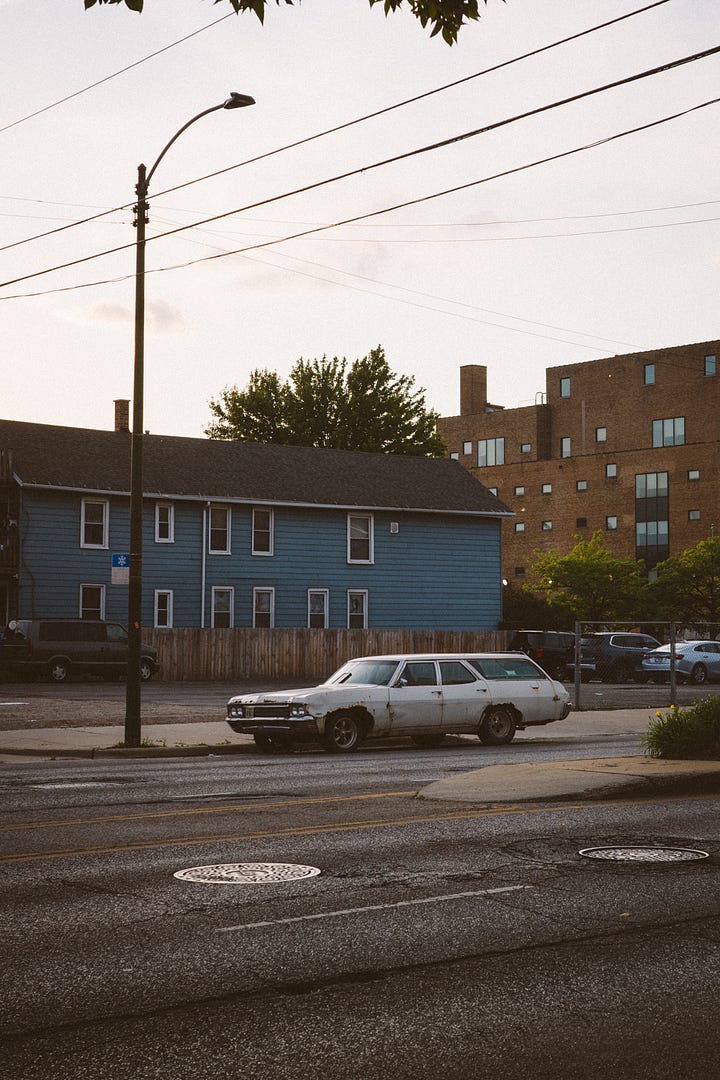
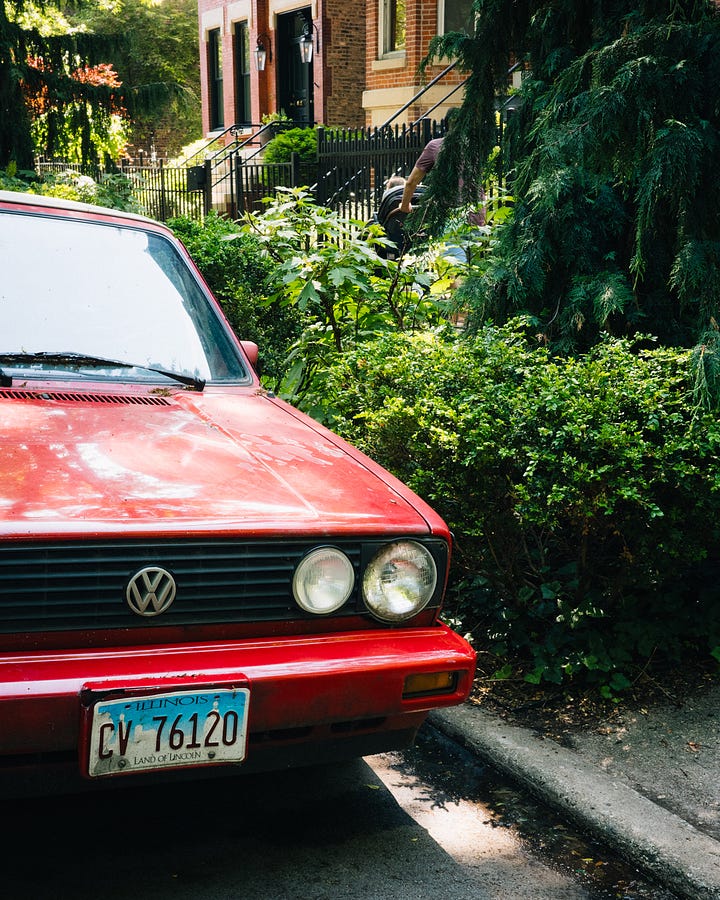
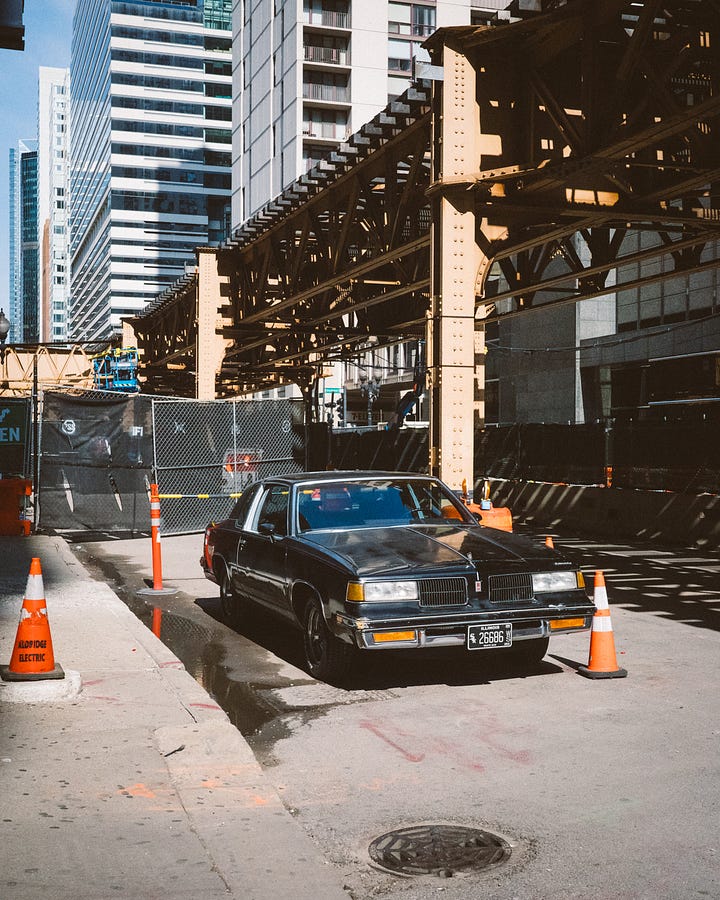
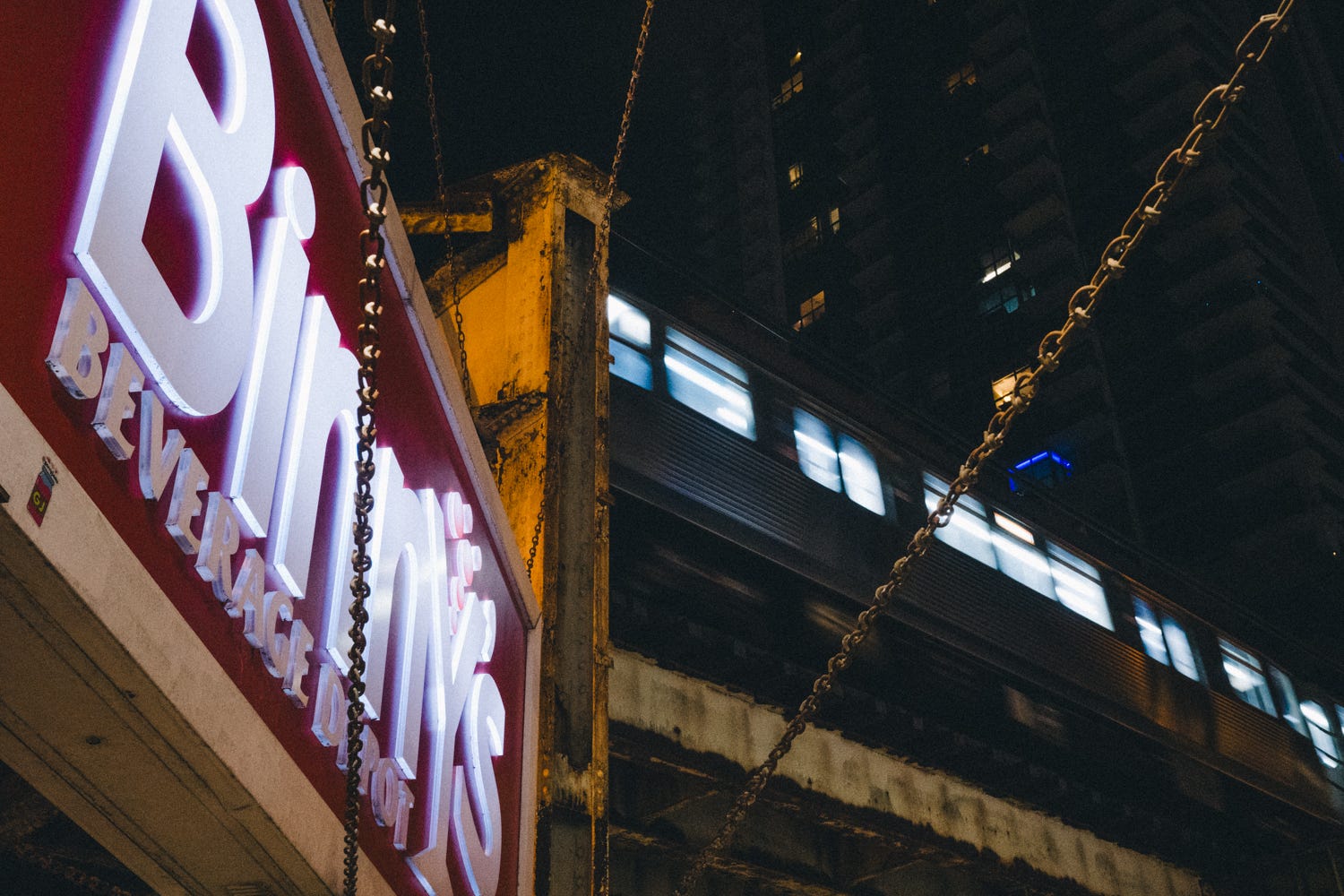
Chicago was a personal trip tacked onto the end of a work trip. My approach to photography was immediately different. Everywhere I walked, and I walked over 30 miles while in the city, I had my camera. The scale and population of Chicago are incomparable to Milwaukee or Raleigh, which is probably why I took more photos of people on the streets. But I also think it’s because Chicago is better designed to encourage, or at least accommodate, foot traffic.
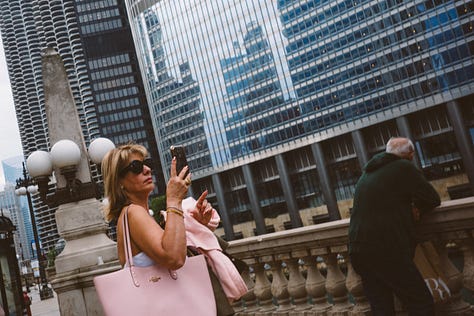
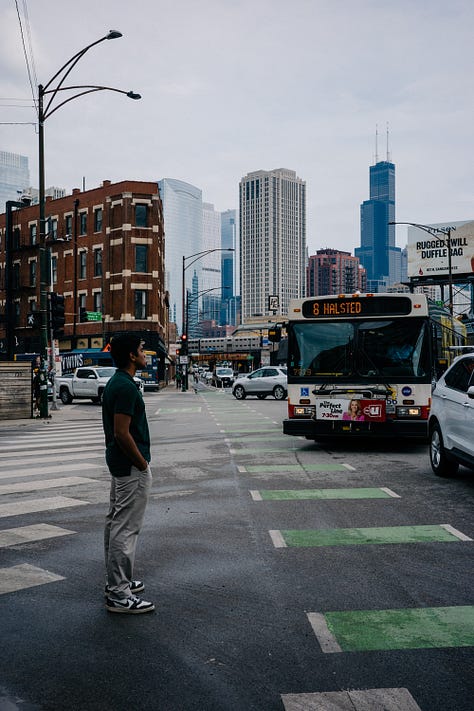
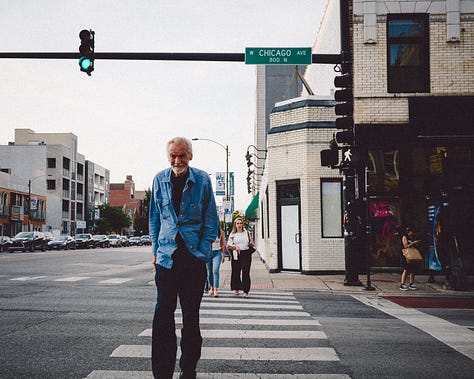
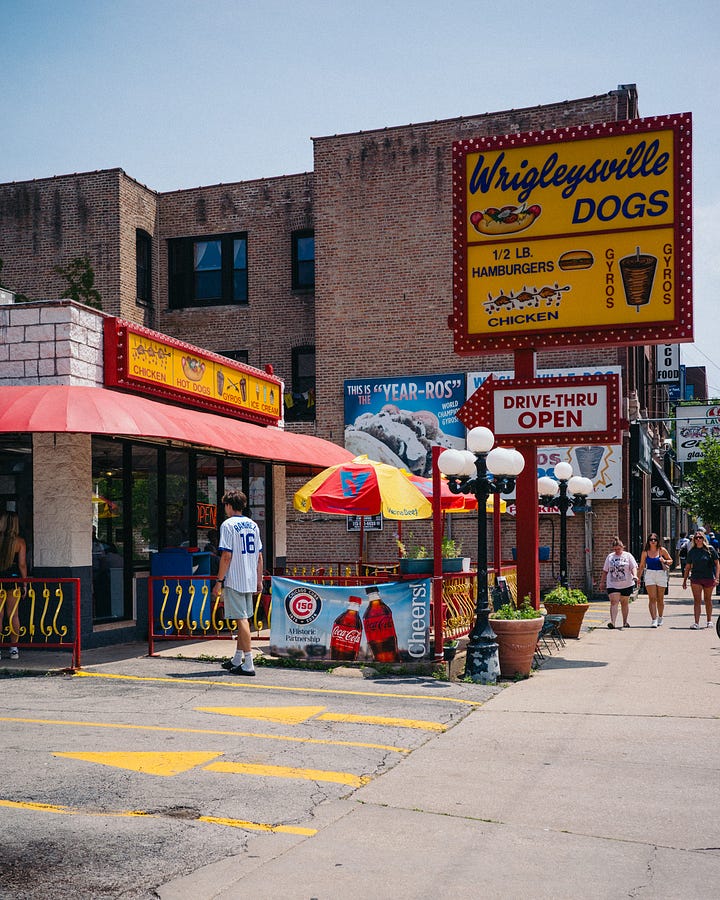
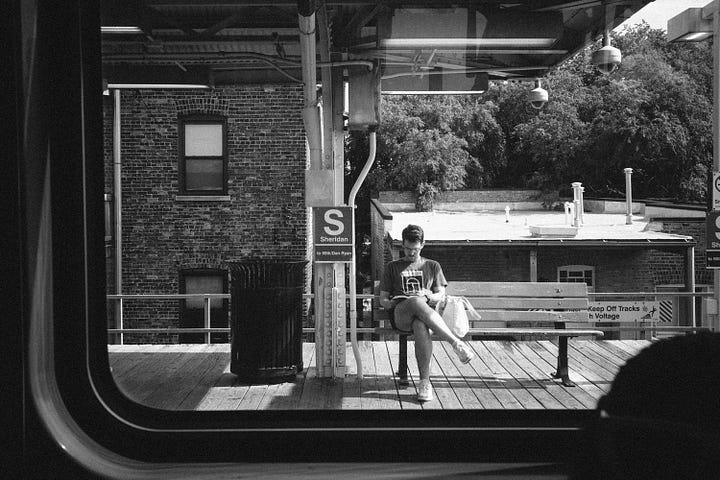
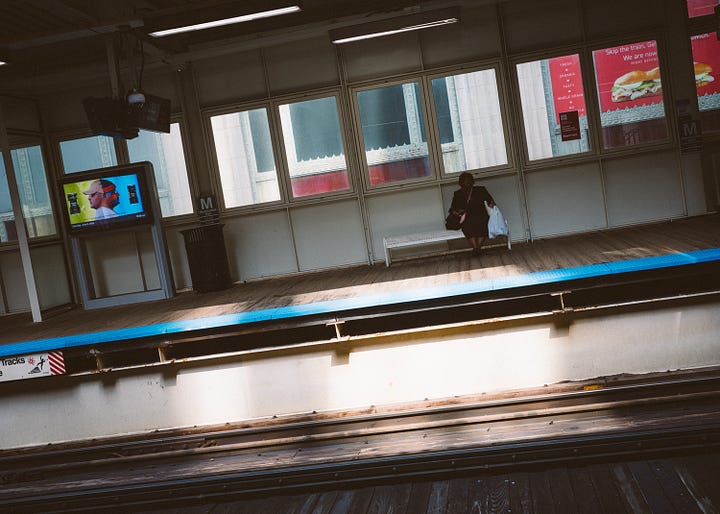
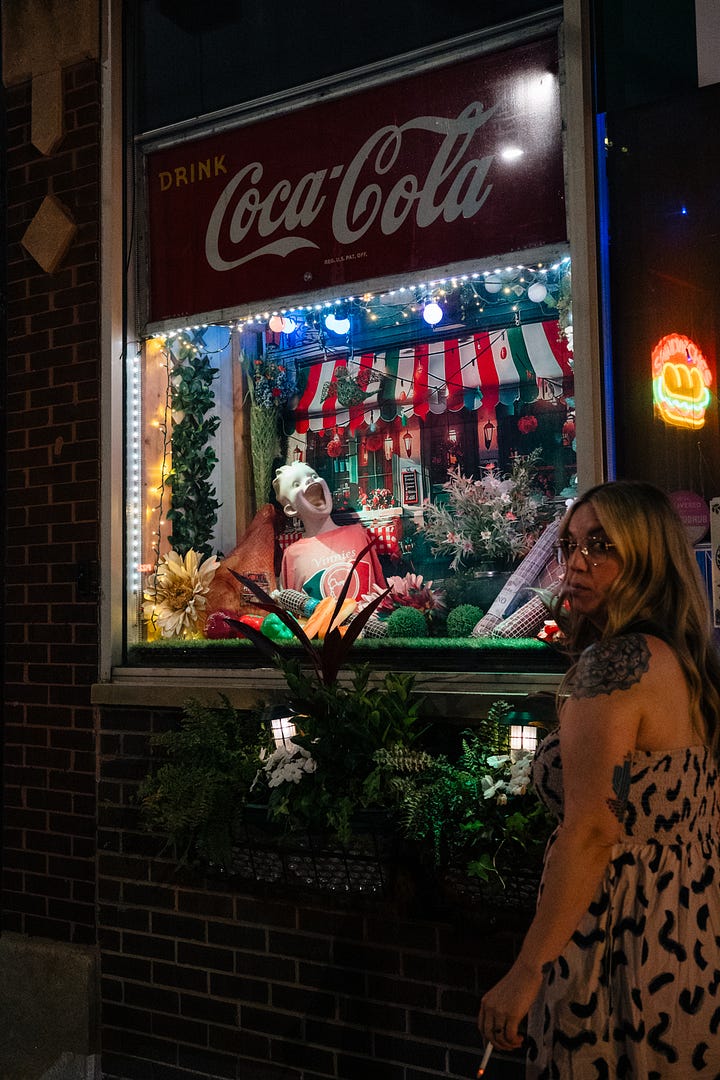
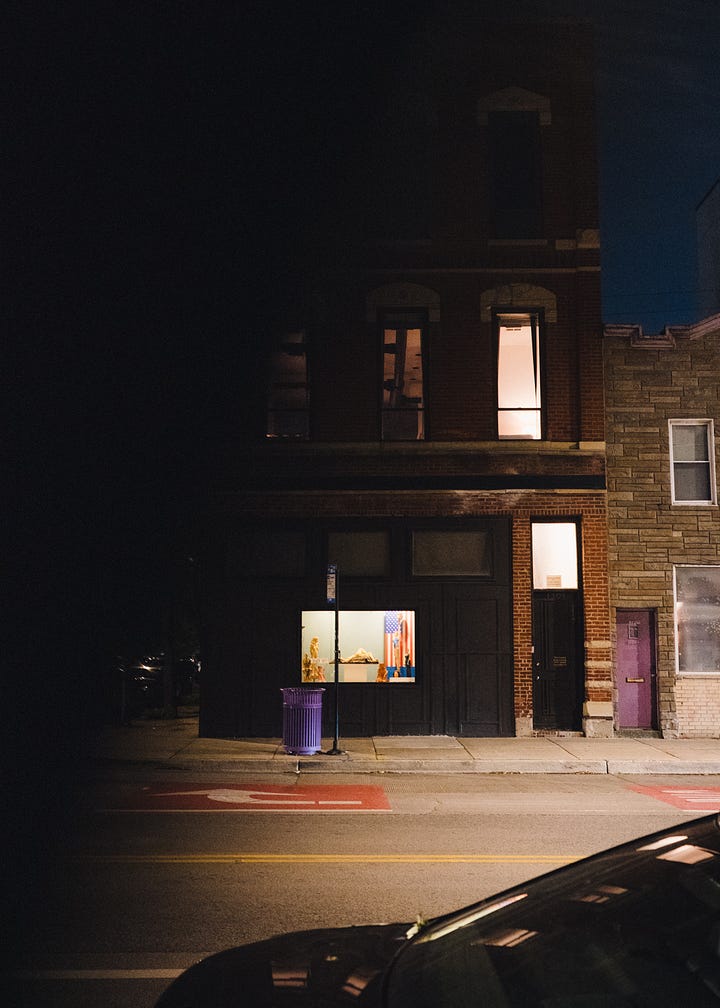
As we visited friends and explored the neighborhoods of Chicago (River North, Ravenswood, Andersonville, Wrigleyville, River West, West Town), I realized that, like Raleigh, Chicago is a city that is better experienced through its neighborhoods.
No posts
Comments
Nothing yet. Say the first thing.
Sign in to join the conversation.