
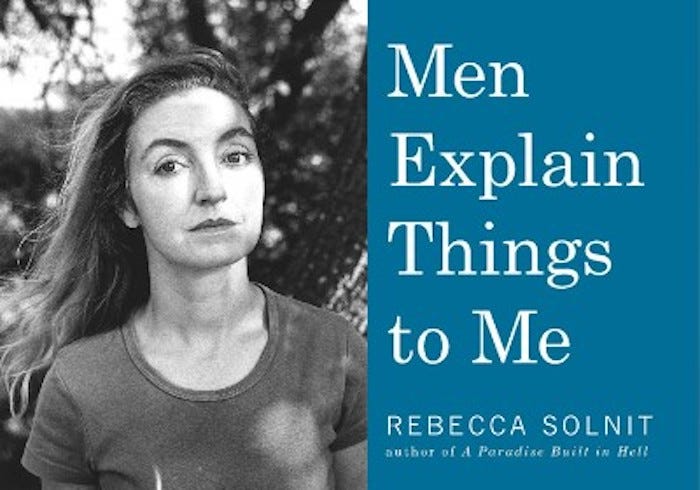
This is the third installment in a weekly series for paid subscribers that, each Friday, revisits classics or other older books you might like more than new releases.
Early in the pandemic, I went to see a leading retina specialist on the Gulf Coast after suddenly developing vision problems that left me unable to pass an Alabama driver’s test. The man was prominent enough once to have treated Harper Lee for the condition that caused her to wear those Coke-bottle glasses you see in old photos, and I’d been sent by my regular ophthalmologist, who wanted a second opinion on just one question: Would surgery help me see better?
In some ways, the specialist couldn’t have been kinder or more polite. After going over my records, he spent the visit explaining the many possible causes and effects of my problems in a detail that seemed overwhelming. I’ve interviewed Nobel Prize winners and Olympic gold medalists, but I couldn’t seem to get a word in, and his waiting room held dozens of others seeking time with him or a partner. When he stood up to leave, I hadn’t asked the one question the referring doctor had seen as vital, and I arrived home almost in tears about my failure.
This story, in a sense, ends happily. I hesitated to leave a doctor who had treated not just Lee but Winston Groom, who wrote Forrest Gump, and Fannie Flagg, the author of Fried Green Tomatoes at the Whistle Stop Café. There had to be a reason why every Alabama writer who had ever cashed a publisher’s check ended up in his exam room.
So I made a plan. On my follow-up visit, I would tell the specialist as soon as he entered the room: “I have one question for you. Would you like me to ask it now or wait until the end of the visit?”
Comments
Nothing yet. Say the first thing.
Sign in to join the conversation.