
We do a lot to support our Boards in the association community. We provide training and consulting on board governance, fiduciary responsibilities, meeting procedures, legal risk and compliance issues, etc. We provide orientation sessions for new board members (though the effectiveness in that category is hit or miss in my view). We give them volumes upon volumes of information prior to their meetings. We take them through 18-month strategic planning processes. Larger associations will have employees or even whole teams that are dedicated fully to board and governance work. This small (but obviously important) group of people gets a lot of our attention.
But there’s a gap, and it’s one the board is not likely to fill on its own: surfacing and resolving the right conflicts. Let’s look at an example (full disclosure: I’ve had lots of conversations with lots of association leaders over the years, and this scenario contains details spread across many of them, but doesn’t describe any one of them specifically).
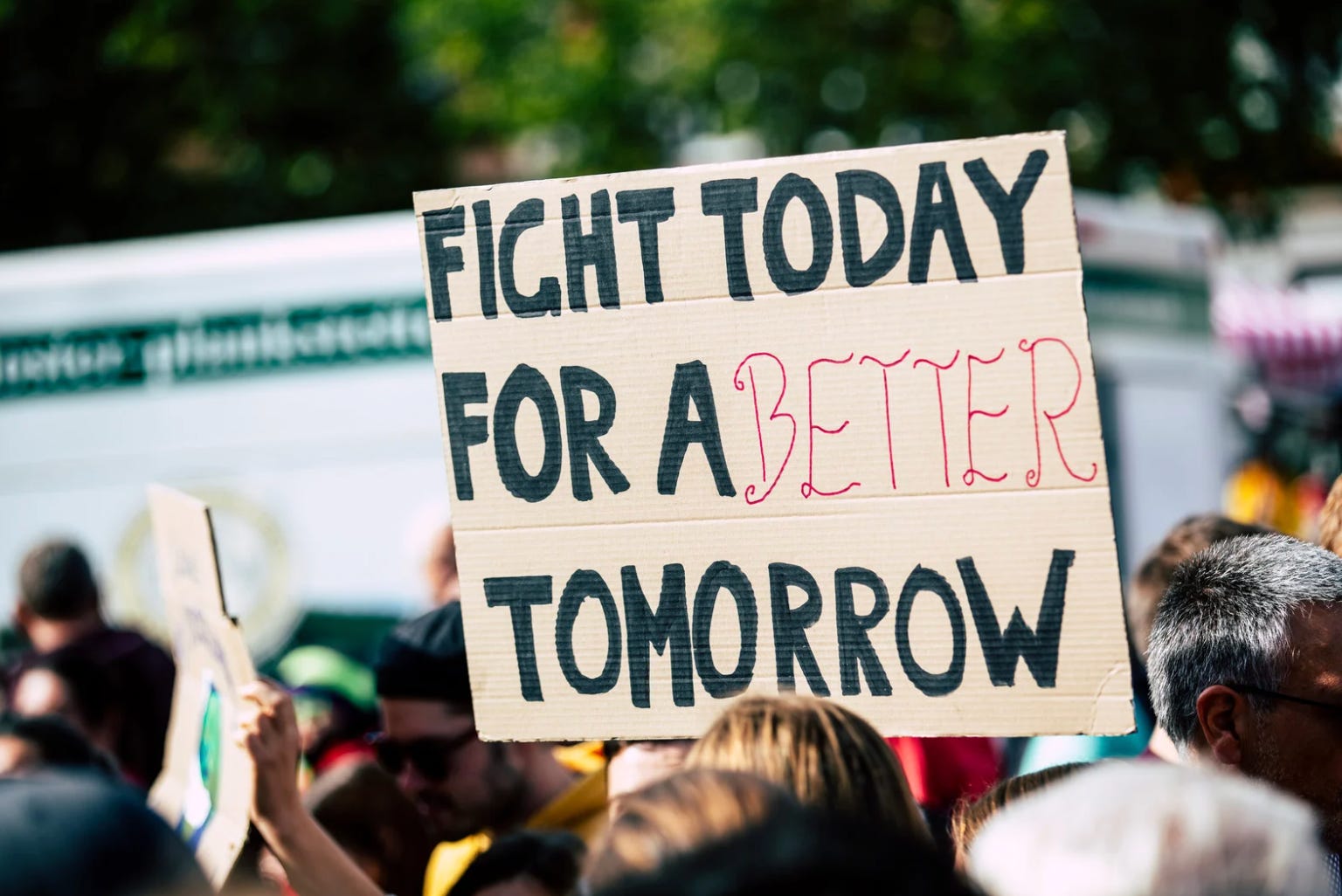
You start down the path of governance change, and you get some push back from a group of vocal members who feel the association is becoming too “centralized” or “undemocratic,” and they make their displeasure known both at an open board meeting and on the online community. In the subsequent board meeting, the board addresses the potential crisis and develops talking points for a communication plan, ensuring they speak with one voice about the importance of the governance initiative. They review and clarify the core principles underlying the governance changes, like enabling more agility, stronger financial controls, and strategic discipline—all things that are needed in today’s environment. They leave clear and unified.
Except they’re not. Several board members felt uncomfortable raising some concerns they had about this bigger trend toward centralization. They were fine with the specifics of the proposed governance changes, but they actually agreed with some points the vocal members were making about democratization more broadly, such as not providing enough opportunities for members to have genuine input into decision making. They didn’t bring it up, though, because they weren’t sure the other board members agreed on the issue, and they didn’t want to start a fight at a board meeting that was already focused on a crisis.
This created two problems: an unintended consequence and a missed opportunity. In the weeks that followed, those board members ended up posting on the community about the need for more member input into decision making. They weren’t coming out against the governance changes at all—there was still unity on that—but they ended up unintentionally mobilizing new people against the changes because the board members appeared aligned with the vocal members around the broad issue of democratization. Had the conflict been raised at the board meeting, the board could have woven some nuances into their communication plan that would have addressed that issue.
They also missed an opportunity to move forward with some concrete actions addressing the members’ concerns, and instead focused only on communicating the concepts. The communications are critical, but actions speak louder than words, and rolling out some processes where members could provide input could actually bring down the temperature of the governance debate since members would start to see relevant change more quickly.
That’s a big deal: communications that are more on target, and concrete change that addresses resistance positively and proactively. But you only get those results if your Board stays ahead of the conflicts, which includes surfacing the right ones and not wasting time on the wrong ones. That’s easier said than done, particularly in today’s environment (I predict the “undemocratic” theme will only grow in the next few years).
Boards today need to take a hard look at whether their current practices and capacities result in the right conflicts getting surfaced and resolved. Do board members have the skills to raise and handle tough conversations? Are you designing your agendas to ensure you identify and address the real (and sometimes hidden) conflicts? Does your follow-through ensure that action is taken (and evaluated after)?
Boards do a lot—governance, strategy, stewardship of the organization—and the success of all that effort rests on a platform of surfacing the right conflict, resolving it, and converting it into new practices. I can help with all of this, and the easiest way to start is with a 90-minute Board session I’ve designed on Surfacing the Right Conflicts in the Boardroom. If you’d like to discuss that (or other projects), just fill out my contact form and we’ll schedule a time.
--
For more information on my speaking or advisory services, visit JamieNotter.com.
No posts
Comments
Nothing yet. Say the first thing.
Sign in to join the conversation.