
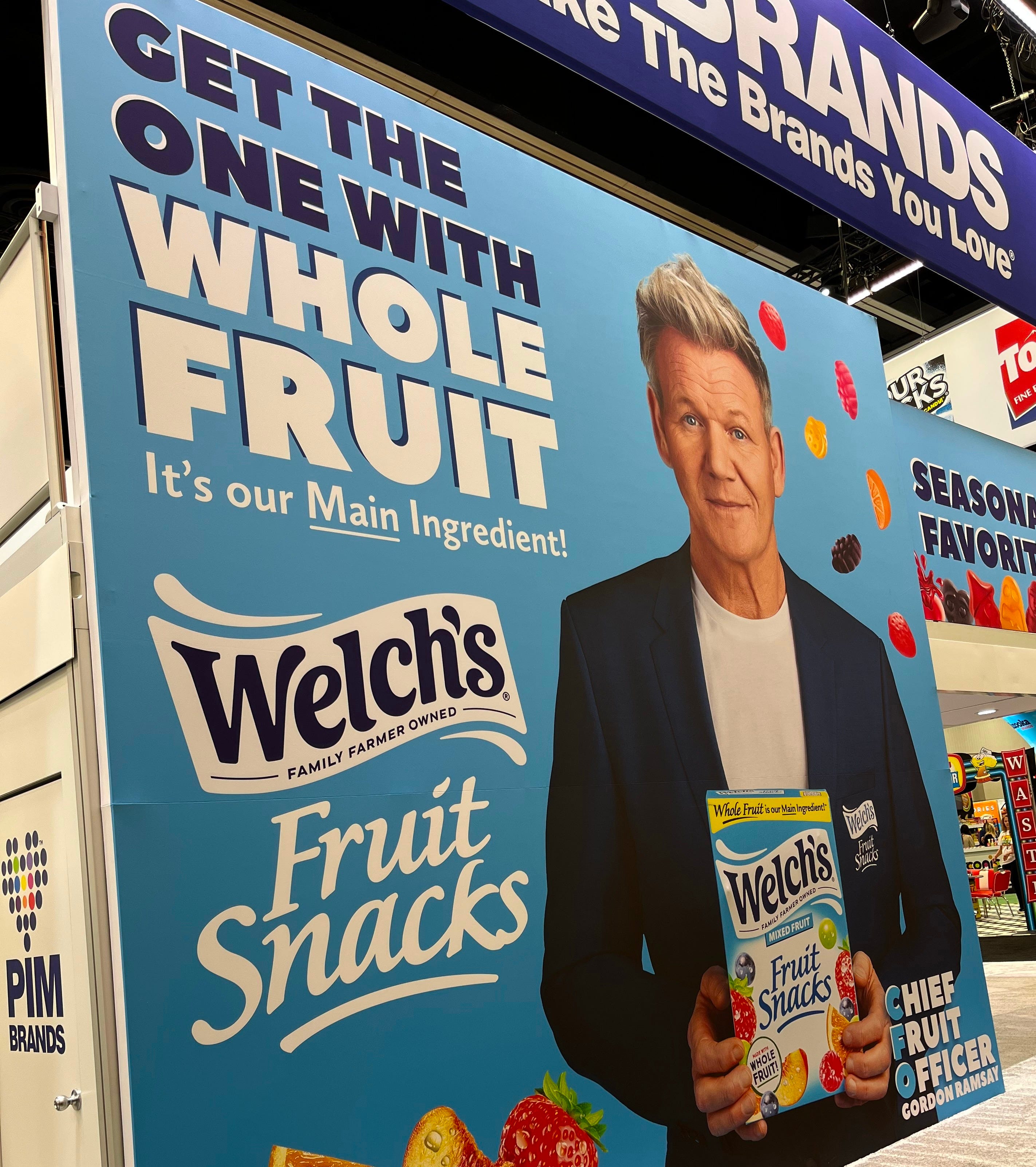
I’ll let you decide. Here are the ingredients in this product:
Fruit puree (grape, peach, orange, strawberry and raspberry), corn syrup, sugar, modified corn starch, modified tapioca starch, gelatin, concord grape juice from concentrate, pectin, citric acid (acidulant), lactic acid, natural and artificial flavors, ascorbic acid (vitamin C), alpha tocopherol acetate (vitamin E), vitamin A palmitate, sodium citrate, coconut oil, carnauba wax, annatto (color), turmeric (color), red 40, and blue 1.
Note the package claim: “Whole Fruit is our Main Ingredient”.
In my recent post titled “Packaged Edible Substances Available” I used ‘fruit snacks’ as an example of what I call a ‘packaged edible substance’. I was making the point that maybe the confusion around the term ‘ultra-processed foods’ was due to the fact that it’s questionable whether some products are legitimately ‘food’ or if they just happen to be edible - meaning you can eat them and they won’t kill you on the spot.
Little did I know that I would run across this stunning example of the point I was trying to make at the Sweets and Snacks trade show in Indianapolis this past week.
I don’t think language is complicated, especially everyday words about everyday things. When I say the words ‘whole fruit’ - what do you see in your mind’s eye? An apple-shaped apple? A seedy heart-shaped strawberry? A single grape fresh from the stem? That’s my guess, because that’s what appears before my mind’s eye.
I don’t see fruit puree. There’s nothing wrong with fruit puree. It’s mashed fruit. I mashed fruits every day for the first few years of my daughter’s life and still mash fruits from time to time for various meal occasions (ok, and cocktails!).
But I guess fruit puree meets the ‘legal’ definition of ‘whole fruit’. Ok. Fine. Legal terms are known to stretch, morph, tweak and otherwise change the meaning of words. But commercial fruit purees are almost never mashed “whole” fruit. Apple puree does not contain the skin, where much of the fiber and many nutrients reside that are not in the flesh below the peel. Same with grapes and other fruits. Strawberry puree does not contain the seeds, orange puree does not contain the section membranes nor the white pith.
‘Whole Fruit’ contains fiber. And fiber is the thing missing most from the SAD (Standard American Diet). Despite people thinking they need more protein, more animal fats, etc., the simple truth is Americans don’t get enough fiber in their diets. ‘An apple a day keeps the doctor away’ was an old saw recommending fiber.
Fiber in fruits slows down the absorption of sugar into the bloodstream. The digestive tract has to do a little ‘work’ to separate the sugar from the fibrous cell walls of the fruit. This ‘slowing’ can make all the difference in how insulin does its work.
The product shown above has 4 kinds of sugar - fruit puree, corn syrup, sugar, and concord grape juice concentrate. Needless to say, this product doesn’t waste any time jacking your glycemic index up and giving your pancreas a real run for its money. And you can see the rest of the ingredients. They’re just in there to hold the sugar together as a gummy, and make it look and smell nice. Oh and there are some bonus vitamins! Because ‘whole fruit’ needs vitamins added, right?
In a rational world where language is uncomplicated, this product would be called ‘fruit-based candy’ or something along those lines.
But the “food” industry doesn’t live in that world. It lives in a world where candy can fly off production machines into pouches and boxes and claim there’s ‘whole fruit’ in the package. As I said - Packaged. Edible. Substances.
As for the celebrity chef who is the ‘Chief Fruit Officer’? Cognitive dissonance given his reputation for maligning restauranteurs who dare to use processed and packaged foods on their menus.
But hey…. I’m sure he cashed the ‘whole check’.
Comments
Nothing yet. Say the first thing.
Sign in to join the conversation.