
Hi everybody! Thanks for being here. This week I’ve been thinking about what makes us us. And that’s led me to spend some time reflecting on character.
But before we start, a quick word about scheduling me for your event. My colleague Holly Davis is now working on my 2027 schedule. If you would like to invite me to lead a retreat, offer a talk, participate in a webinar, or preach at your event, just give her a shout.
And now on to…..
I believe it was George Burns who used to say, “The first thing I do in the morning is read the obituary. If my name’s not in there, I’ll have breakfast.” That old gag came to mind the other day as I read the obituaries of two old friends. It’s just the sort of thing we laughed together about.
Both were retired priests who had served faithfully in my diocese. They had died only days apart. And my role as their bishop includes presiding at their funerals.
When I prepare to preach someone’s funeral, I spend a lot of time remembering who the person was. I mean, who they really were. Sometimes, obituaries help me do that. Mostly, they don’t.
That’s because so many of them provide a list of the person’s accomplishments. And what I focus on is their character. Because it’s in their character that we can see what Jesus had made of them over a lifetime. Let me explain. I’ll start with what I mean by character.
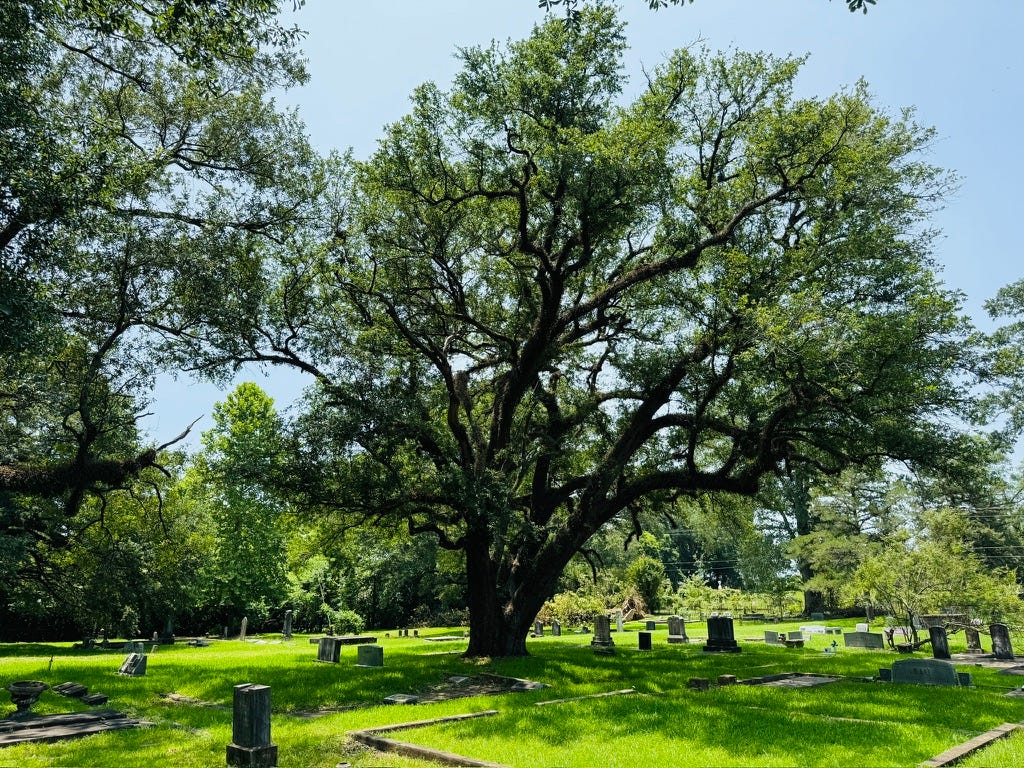
Our character is comprised of our habits of thinking, feeling, and acting. These are not inherent personality traits like quick-tempered or even-keeled, introverted or extraverted. Instead, they are the patterns of how we navigate the various contexts of our lives.
We know a person’s character when we see how they are at work and with their grandchildren. What they’re like at church or at dinner with friends or in the gym.
In other words, character is formed over time. We’re not born with it. And there are broadly speaking two very different views about how our characters are shaped.
In his book The Road to Character, David Brooks subscribes to what he calls the crooked timber tradition. It goes like this. Each of us is born with gifts and flaws. We are crooked timbers. The character we end up with is a result of how we have dealt with those gifts and flaws. A virtuous character emerges from a long struggle of self-control. We admit our flaws, resist our worst impulses, and devote ourselves to acts of service again and again. Among others, Dwight Eisenhower and Dorothy Day serve as Brooks’ examples.
I’ve tried to live that way. Fought my own crookedness, called it discipline, called it grit. It got me somewhere. But it never got me to beloved.
The Gospel offers us a radically different view of character formation. Instead of looking within for our gifts and faults to find the source of character, the Gospel teaches us to look beyond ourselves. We are not first and foremost either our abilities or our worst impulses. Instead, we are Jesus’ beloved. Because, well, Jesus. That is our root identity. And yes of course we are born with various personality traits, and we will wrestle with desires and impulses, fears and fantasies. But our starting point is the realization and acceptance that we are the beloved of Jesus.
We habitually open ourselves to that love through our spiritual practices in the community of the faithful. Through prayer, worship, and works of mercy. Jesus’ love shapes the pattern of our lives through these practices.
Paul calls this love-formed pattern of life the fruit of the spirit. He writes, “The fruit of the Spirit is love, joy, peace, forbearance, kindness, goodness, faithfulness, gentleness and self-control.”
Consider the story of Peter walking on water. The disciples are at sea in a pitched storm. Jesus approaches their boat walking across the waves. Peter says, “If that’s you, call me out there with you.”
And sure enough, Jesus invites him over the gunwales. Peter makes it a few steps before sinking. Jesus then says, at least in my reading, “I know you hesitated there. Just keep believing.”
In other words, Jesus wasn’t inviting Peter to have self-confidence about his water-walking abilities. He was teaching him, and teaching us, that he can makes us what we cannot make of ourselves.
And that is the sort of thing I try to convey in funeral homilies. I don’t look to celebrate a life of personal achievement. But I do intend to highlight and celebrate a life. A life of gracious humor and tender affection for all of God’s people. A life formed by the power of Jesus’ love.
Sit in silence for a few minutes at the end of the day. Let your mind settle and the quiet settle in.
Before you sleep tonight, walk back through today. Find one moment you were trying to prove something — your competence, your worth, your grip. Then find one moment someone simply loved you, or you loved them, and nothing was being proven at all. Sit with the difference.
Bring your quiet time to a close with this prayer:
Lord Jesus, this day is past. Help my restless heart to rest in you, not in what it has proven or earned. You have made me for yourself, and however far I wandered into striving today, hold me now simply as your beloved. Amen.
That’s it for this week, ya’ll. Until next time, be well and God bless.
Jake
P. S. Everything at The Woodlands is always free. Paid subscriptions are voluntary. Proceeds are used to support ministris in under-resourced communities. Those include providing food, adult literacy, and educational support for children and youth.
P.P.S. I just signed a contract for a new two-book project with Abingdon! More on this later, but it looks to hit the shelves in fall 2027. Stay tuned…….
Comments
Nothing yet. Say the first thing.
Sign in to join the conversation.