
Eight years before she walked her first Camino, Heather Morse describes moving through life on autopilot, showing up but not truly tending to herself or the people around her. By the time she finally arrived in Spain, she had already done the inner work and begun to shift out of that pattern, yet something in her remained unresolved, still searching for what she calls her “TO,” the moment that realigns you, opens you, and creates the conditions for something new to emerge.
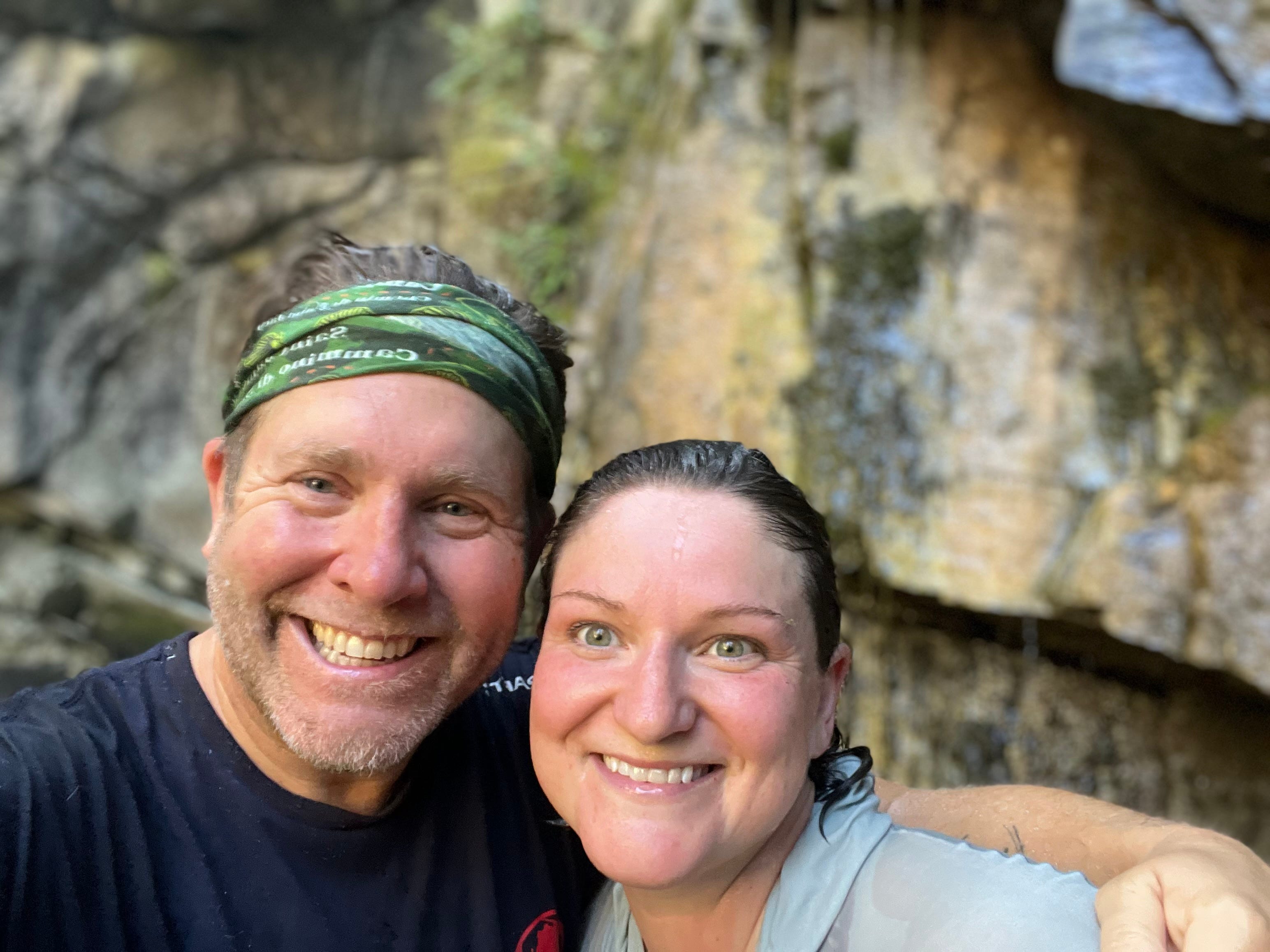
I met Heather on my very first Camino. We were strangers then, stepping into a shared rhythm we did not yet understand, walking side by side without any sense of how significant that experience would become. There is a particular quality to pilgrimage that is difficult to replicate elsewhere, a kind of slow unfolding that happens when people move at the pace of the body rather than the speed of thought, and over the course of those days something began to take shape between us, not through intention but through the simple consistency of walking, talking, and being present to the same landscape.
That first walk extended far beyond its physical boundaries. Over the years that followed, we walked together across countries and terrains, logging hundreds of miles on pilgrimage, and what began as a shared experience evolved into a deep friendship and eventually into a shared body of work. Those miles created a foundation of trust and perspective that now informs how we show up in the world, and today, with Heather serving as the COO of the Transformational Travel Council, we continue to build on what we first encountered on the trail.
What we encountered, and what continues to guide our work through TTC and TTI, is the understanding that transformation is not something that can be engineered solely through design or intention. It is something that emerges through lived experience and is shaped over time through reflection and integration. This is why pilgrimage remains central to what we offer, because it is not a modern invention or a constructed framework, but an ancient and ongoing expression of transformative travel in its most authentic form.
Pilgrimage has endured for centuries because it creates the conditions for change in a way that few other experiences can. It asks something of the individual, requiring time, presence, and a willingness to move through discomfort without the usual distractions that allow us to avoid ourselves. The structure is simple, but the impact is not. Days are marked by the rhythm of walking, by long stretches of quiet, by conversations that deepen naturally in the absence of urgency, and by the gradual release of the mental noise that often obscures clarity.
Within that rhythm, something begins to shift. The body tires and, in doing so, softens the defenses that the mind has constructed over years. Attention moves away from constant stimulation and toward a more immediate awareness of self and surroundings. Relationships form in a different way, shaped not by roles or expectations but by shared experience and mutual witnessing. These elements combine to create an environment where insight is not forced but arises organically, often in ways that are subtle at first but become more coherent over time.
Equally important, and often overlooked, is what happens after the walk ends. Transformation is not complete at the moment of arrival; in many ways, that is only the beginning. The return introduces the challenge of integration, the process of carrying what was revealed on the trail back into everyday life. This phase requires intention and patience, as insights must be translated into action and new ways of being must be sustained within familiar environments. Without this integration, even the most profound experiences risk remaining isolated moments rather than catalysts for lasting change.
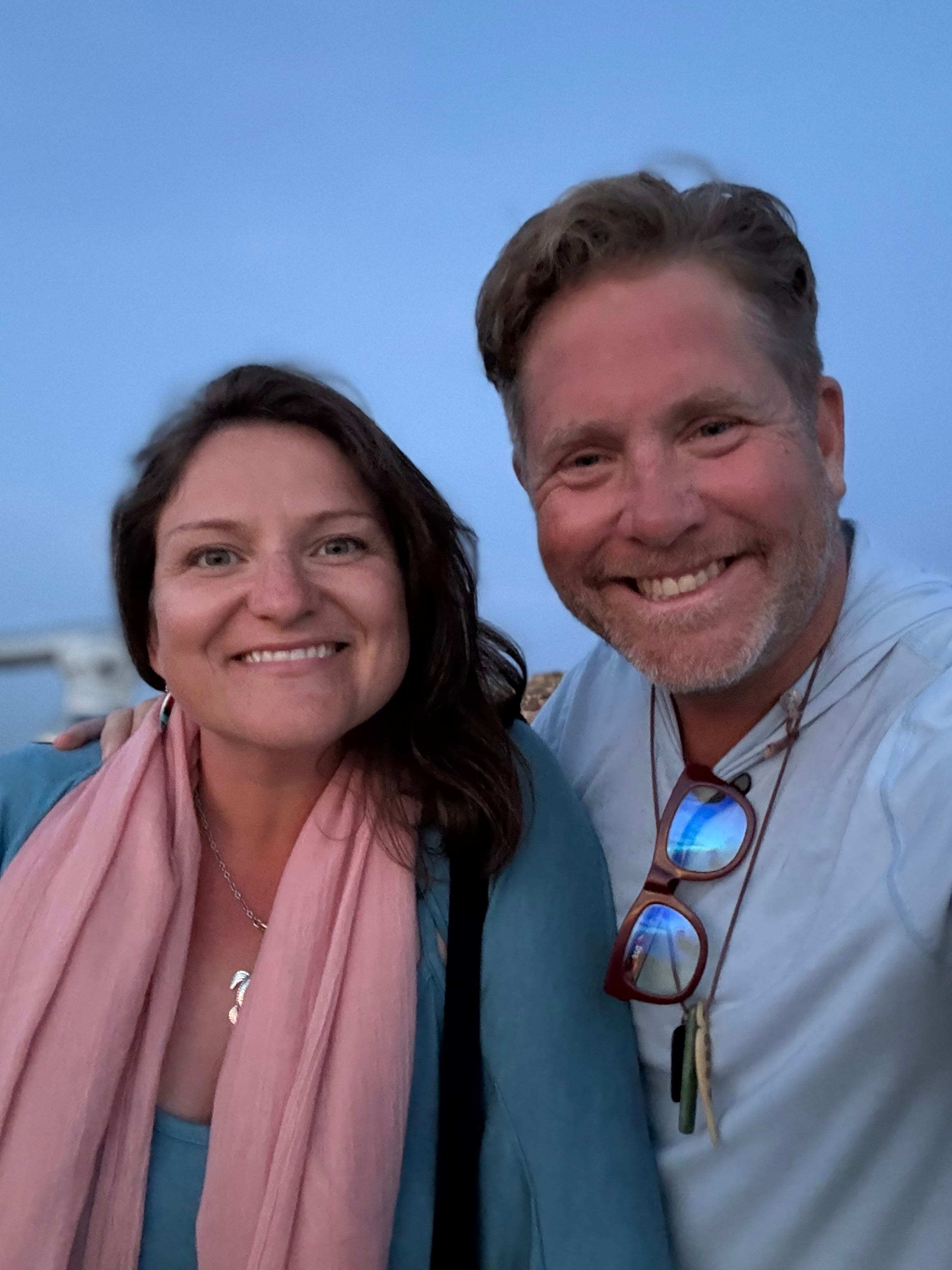
This understanding is why we continue to return to these paths and why we invite others to walk them with us. Pilgrimage offers a rare opportunity to engage directly with the principles of transformative travel, not as a concept but as a lived reality. For those working within the travel industry, it also provides a space to step outside of professional roles and into a shared human experience, one that often reshapes how we think about the work itself.
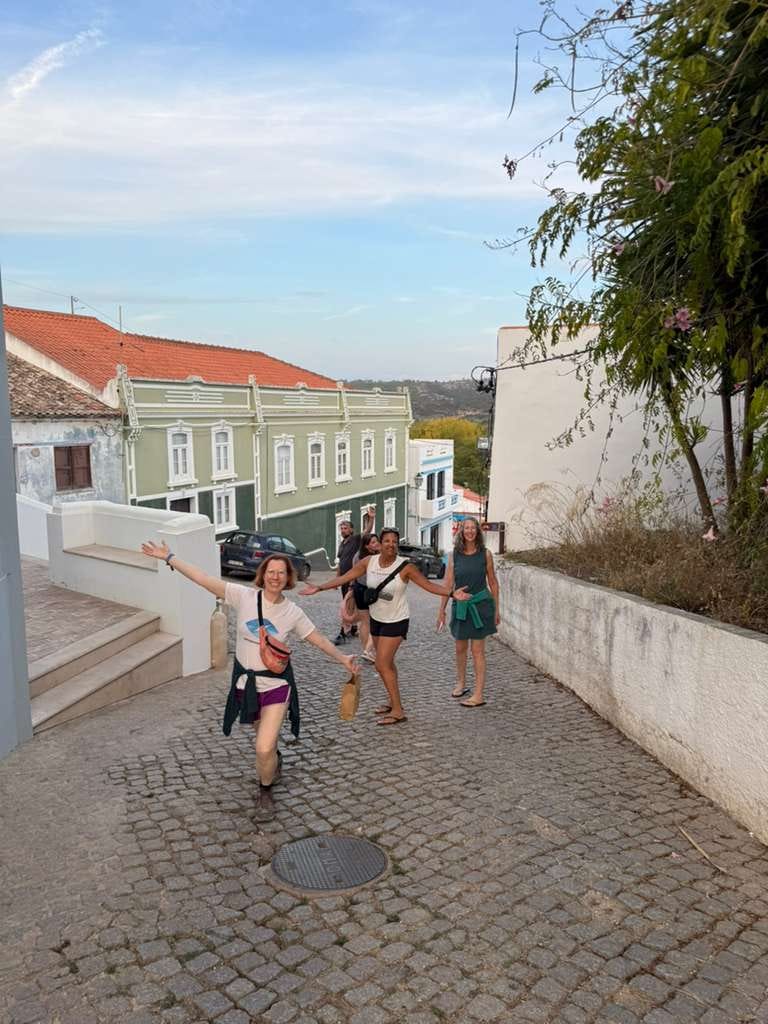
There are currently a few places remaining for travel professionals to join the Camino this May, from May 22 to 30, walking the Vía de la Plata with Jillian Dickens. This route offers a quieter and more reflective experience, moving through landscapes that have changed little over time and creating space for deeper engagement with both the journey and the people walking alongside you.
In October, Heather and I will be hosting a pilgrimage on the Kumano Kodo in Japan, a route that serves as a sacred counterpart to the Camino and offers its own distinct expression of this tradition. Walking these paths, whether in Spain or Japan, is not about reaching a destination as much as it is about engaging in a process, one that continues to unfold long after the physical journey is complete.
For those who feel a sense of recognition in this, there is value in paying attention to that response. The decision to begin is rarely fully formed at the outset. More often, it emerges through a willingness to step into something without complete certainty, to trust that clarity can be developed through movement rather than resolved in advance.
In this way, the act of walking becomes both the method and the metaphor, a reminder that understanding is not always something to be figured out, but something that can be experienced, step by step, over time.
Take the next step here: https://www.transformational.travel/education/pilgrimages
Gratitude to our partners at Walking Mentorship!
Comments
Nothing yet. Say the first thing.
Sign in to join the conversation.