
There is a moment, somewhere in the final year before they leave, when you begin to feel it. Not all at once, and not in a way you can easily name, but in small, ordinary ways that start to carry more weight than they used to. It shows up in the sound of them coming home late at night, in the way the house settles when everyone is finally under one roof, in the quiet awareness that this rhythm, the one you have lived inside for years, is beginning to change.
We don’t really know how to mark this moment anymore. Somewhere along the way, life sped up, and we learned how to keep pace with it. We became efficient and capable, learning how to move our kids from one commitment to the next while holding together the many threads of family life. School, sports, applications, decisions about the future all build gradually until one day you realize you are standing at the edge of something you cannot slow down or extend.
They are about to leave, not all at once and not in a way that breaks the bond, but in a way that changes everything. Somehow, the center of gravity in the home begins to shift, and the familiar rhythm loosens as the energy that once filled the house starts to move outward into a wider world. And yet, we rarely pause to honor this threshold, moving through it with a kind of quiet momentum, telling ourselves we will feel it later. I am so guilty of this.
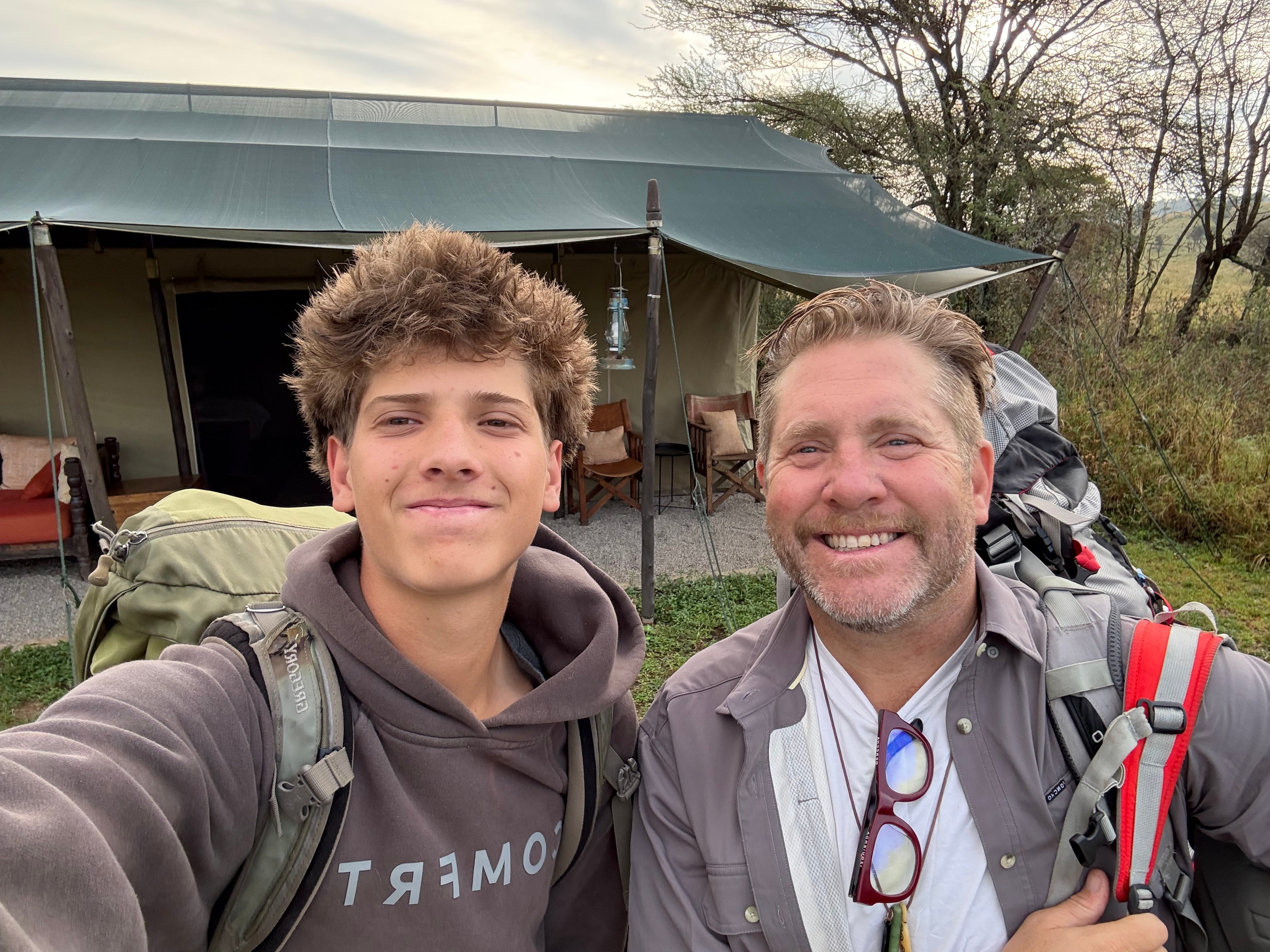
I have seen that commercial about only having eighteen summers with our kids, and it has always stayed with me, not because it is sentimental, but because it carries a truth that is easy to overlook until it becomes undeniable. At first, there is always another summer coming, another season, another year, until suddenly you realize you are standing inside the last one.
This time is filled with endings that do not announce themselves. There is the last time you hear them come in late and feel that subtle exhale when the house is complete again, when everyone is home, and nothing is missing. There is the last game, the last gathering of friends filling your home with noise, dancing, and life being celebrated, the last stretch of time where you are still at the center of their daily world before it begins to slip away. These moments pass quietly, and unless we are paying attention, they’re going, going, gone.
If I am honest, there is a sadness here that I am still learning how to feel through this; I’ve not released yet, but it is coming. I can already feel the edges of it, the thought of the house without his presence, without the familiar sounds of his stomps through the house, the laughter, the music, the small, ordinary interactions that have shaped our days. There is a kind of emptiness in that image that is difficult for me to sit with for too long, a physical sensation that floods my body and makes my stomach turn when I allow myself to fully feel it. Not because something is wrong, but because something deeply meaningful is changing.
At the same time, I look at the world they are stepping into, and I feel a different kind of weight. They are growing up in a time that is fast, complex, and often disorienting, a time marked by disconnection from self, from one another, and from the natural world. They are carrying an awareness of climate change, navigating mental health challenges, living inside a constant stream of information and digital noise. They are coming of age alongside the rise of artificial intelligence, in a world shaped by polarization, uncertainty, and ongoing questions about identity and belonging. It is a lot to hold at such a formative moment, and it raises a deeper question of how we truly prepare them.
This all started last year, Quinn and I felt something different calling us, something that asked for more intention, more presence, and more space than our everyday lives were allowing. Through my work with Explorer X, Michael Bennett and I designed a quest, if you will, that could hold that intention, bringing together a small group of families, three other fathers and their sons, each of us arriving with our own experiences but standing at the same threshold.
There was something powerful in simply being together in that space, sensing the unspoken questions that were present for all of us. We found ourselves reflecting on what it means that our sons are becoming young men, how we can guide them without holding them back, and what we hope they carry into the world beyond our homes. There was a shared desire for them to grow into men who are grounded and confident, who are strong without being closed, who are capable of love, care, and awareness, and who move through the world with a sense of responsibility to others and to the living systems they are a part of.
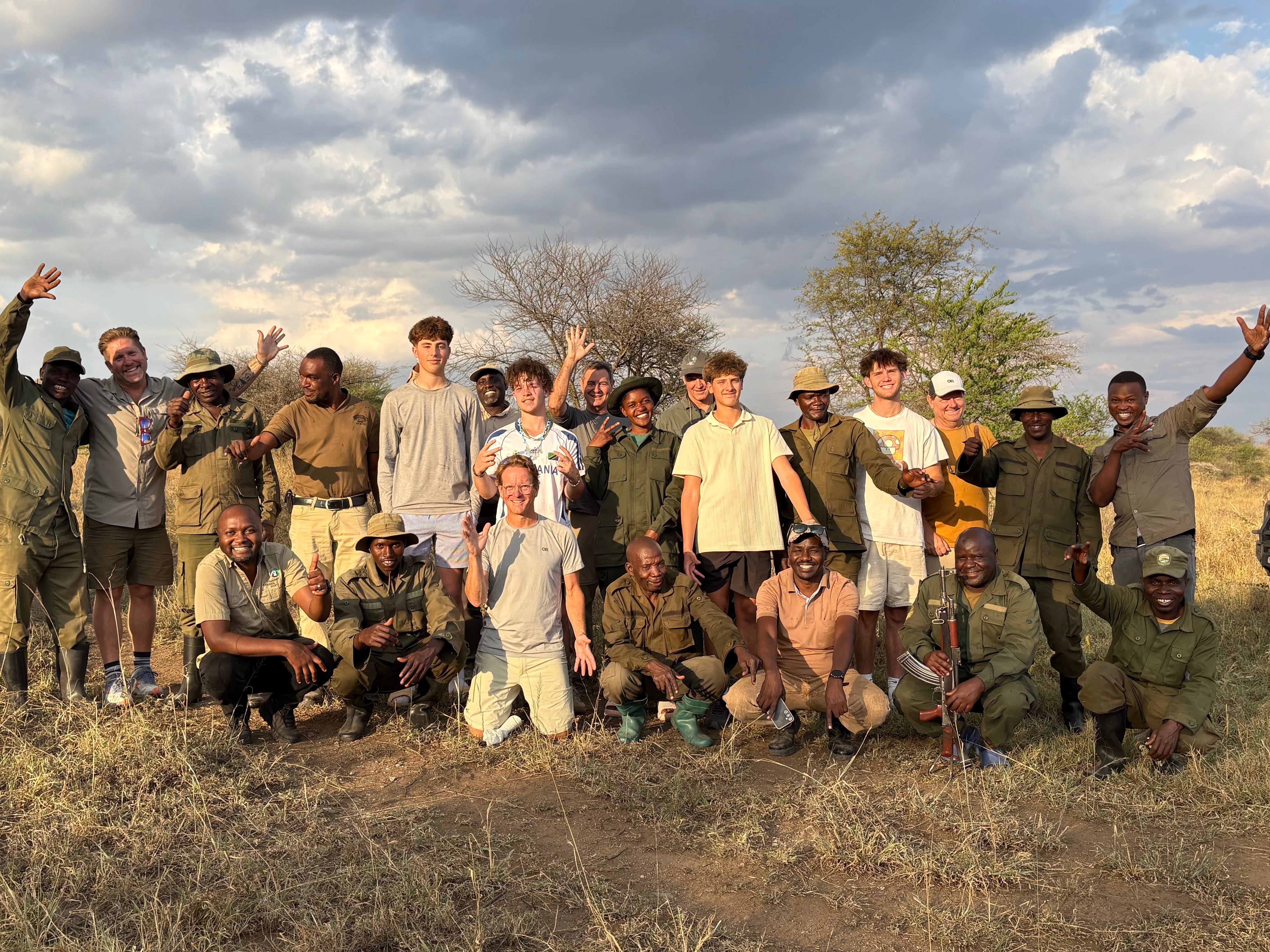
Tanzania gave us a place to explore those questions in a way that felt real. We spent time working alongside local fishermen restoring marine habitats while sustaining their communities, and we sat with a Maasai community where sustainability is not an abstract idea but a lived relationship with land, animals, and each other. One of the most meaningful connections during that time was with a Maasai elder named Lemra, whose presence carried a grounded wisdom that did not need to be explained. The boys were drawn to him, not because he was trying to teach them something, but because he embodied something they could feel.
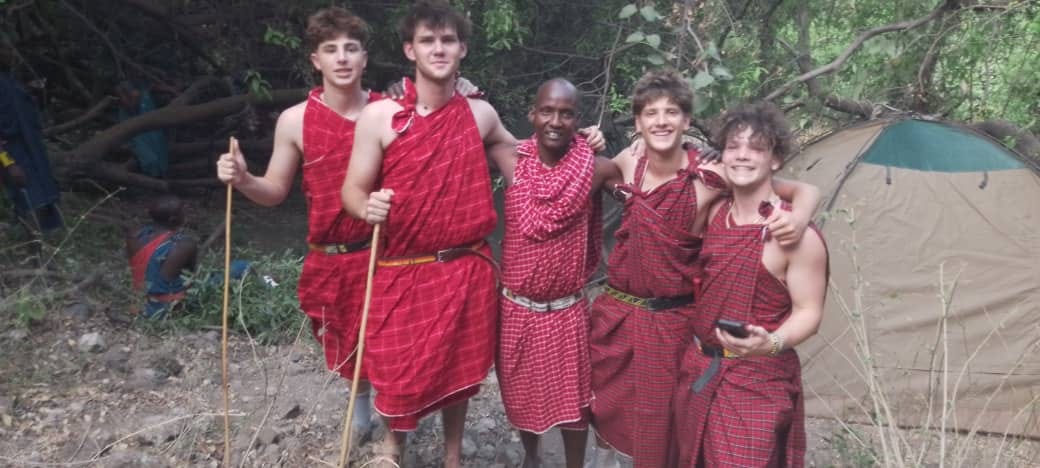
And then we climbed Ol Doinyo Lengai. The phrase that guided us was pole pole, slowly, slowly, a reminder that the mountain is not something to rush, but something to move through with patience and attention. In the darkness, we moved step by step together, finding a shared rhythm that required us to slow down and stay present.
When we reached the summit, as the sun rose in the east, we stood together in that thin, quiet air and watched the earth come alive beneath us. The lava below us was grumbling and quietly spewing, a living reminder that even in stillness something powerful is always forming, always shifting, always becoming. Standing there with our sons, it was hard not to feel that something similar was unfolding within them.
What has stayed with me most is not just the experience itself, but what has continued to unfold from it. Watching Quinn and the other boys carry it forward, into his writing, into his leadership, into the way he is beginning to shape his own path, has made something very clear to me.
This passage is sacred, and we need more of it in our lives, in our society.
Nature, more than anything, seems to know how to guide us back to this. When we step into a place that is larger than us, something softens, and the urgency that defines our days begins to fall away. In its place, there is space for reflection, for conversation, and for a deeper kind of presence with one another.
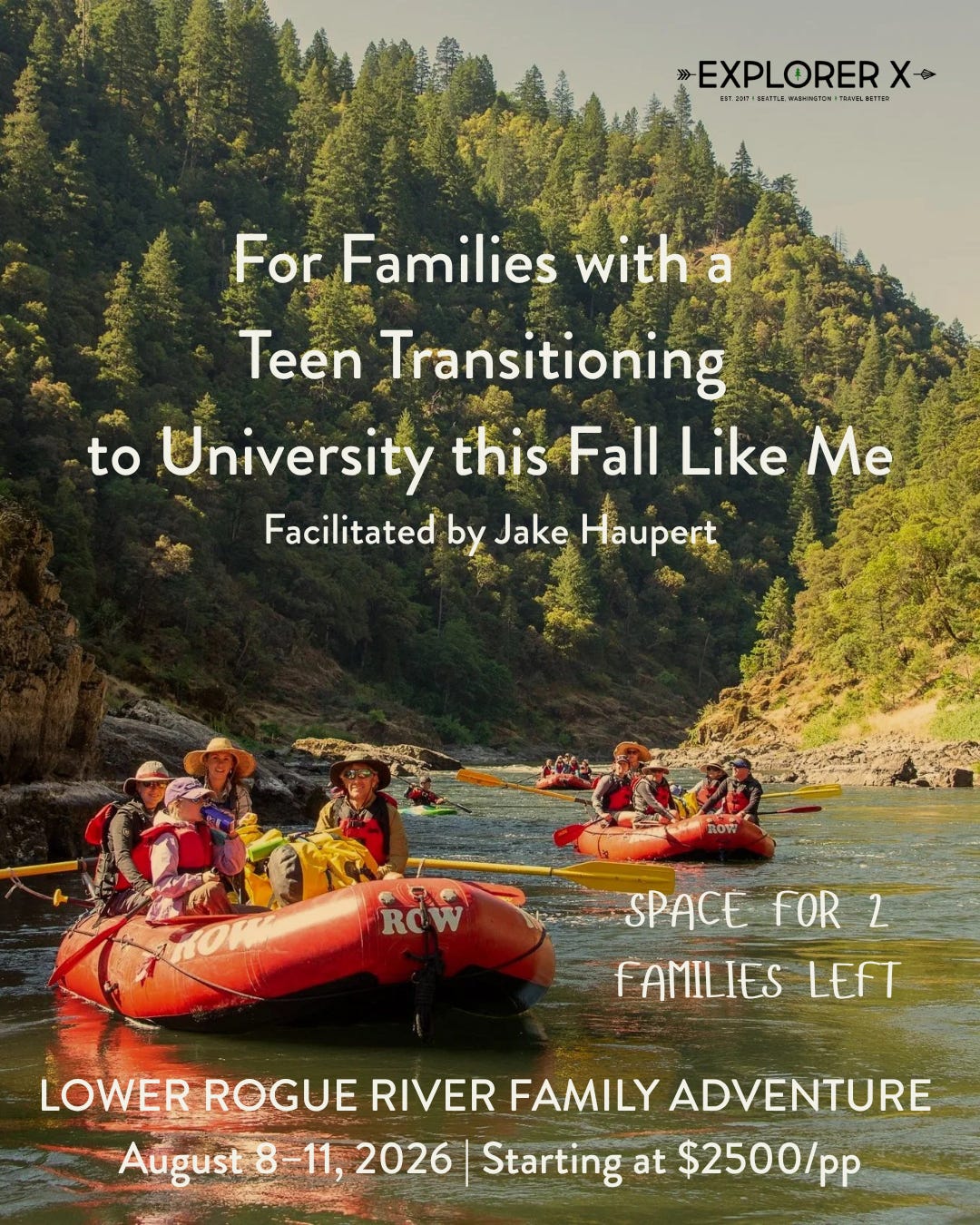
This August, we have space for 2-3 more families to gather on the Lower Rogue River in Southern Oregon for a few days of paddling with the current, jumping off cliffs, and sitting under the stars. It is an opportunity to slow down, to talk about some things that may have yet been said, and to honor who our children have been and who they are becoming.
There is nothing to fix and nothing to rush, only an opportunity to meet this moment with connection, with a sense of the sacred, with aliveness, and with love.
And if we are willing to slow down and be present with it, this moment becomes something we hold onto long after, not because we tried to keep them, but because we were fully there with them before they go.
Journey on,
Jake
https://www.explorer-x.com/rogue-2026
Comments
Nothing yet. Say the first thing.
Sign in to join the conversation.