
I came across a post this week from a pair of neurologists ranking popular brain health hacks from worst to best. I loved the format and wanted to do my own version — as a psychiatrist who specializes in brain health, and who sees patients in my memory clinic every week.
My rankings are based on a combination of the research I follow closely and what I actually observe in clinical practice. Some of these might surprise you. A few might annoy you. All of them are my honest opinion.
I am going worst to best. Keep scrolling.
One note before we start: if something I rank low has been helpful for you personally, I am genuinely not trying to take that away. Mental health and brain health are deeply individual. These rankings reflect the overall evidence base — not a verdict on your personal experience.
First, quick life update:
We just got back from ten days in Florida on vacation. Leo had an absolute blast with his cousins and grandparents — pool, beach, good food, and the kind of pure toddler joy that makes you remember what actually matters. I did not check email. I barely opened my laptop. And I came back feeling more like myself than I have in months.
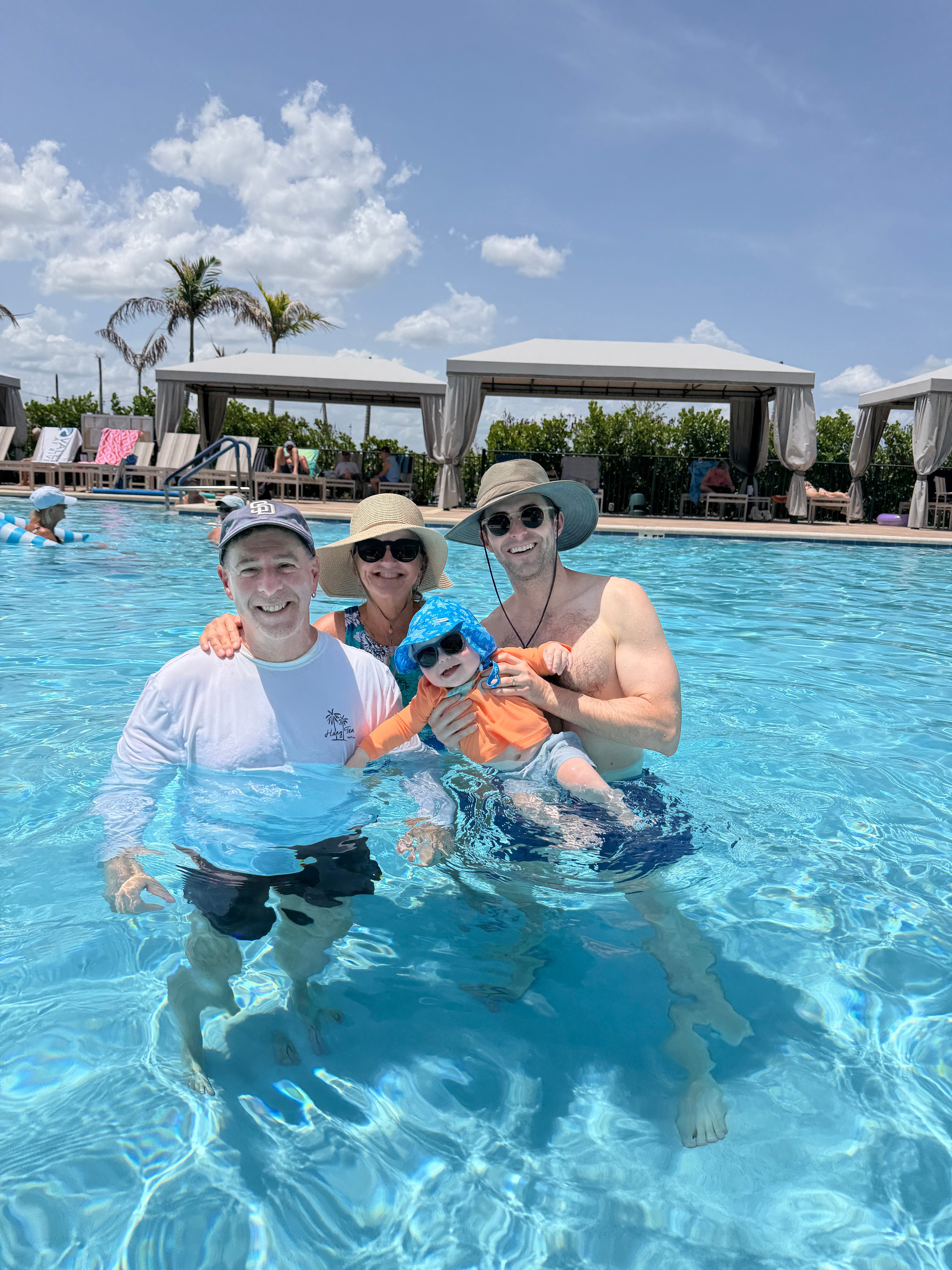
Rest is medicine. I say that to my patients constantly, and this trip reminded me I need to listen to my own advice more often.
Also — I have been cooking almost every night from the garden. Eggplant, okra, an Armenian cucumber (see below) and heirloom tomato salad with fresh basil that genuinely might be one of the best things I have ever made. There is something deeply satisfying about eating food you grew yourself. Highly recommend.
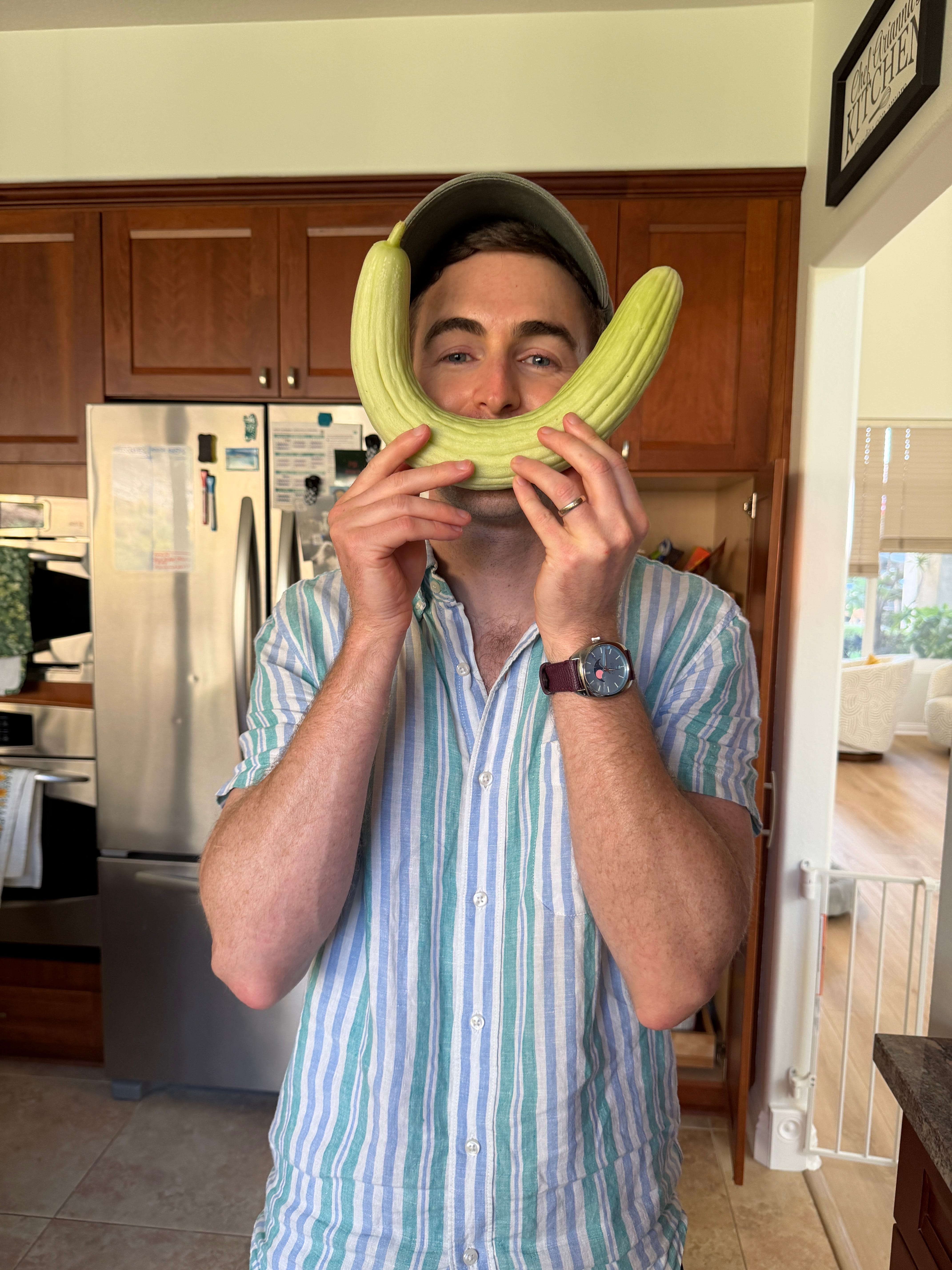
One more thing before we dive in: I am working on something big for you all this summer. Something designed to help you get your brain as sharp as possible and meaningfully reduce your risk of dementia — and I am bringing it to all of you. Details coming soon.
Okay. Let’s go!
#14 — Grounding / Earthing
Grade: D
Grounding, also called earthing, is the practice of walking barefoot directly on natural surfaces like grass, sand, or soil. The idea is that direct skin contact with the earth allows you to absorb electrons that reduce inflammation, improve sleep, and protect the brain.
Look… I love being outside in my grass. It is a great feeling. There is something peaceful and grounding — pun intended — about standing barefoot outside in the morning.
But the data on earthing as a brain health intervention is weak. The claim that direct contact with the earth’s electrons meaningfully protects your brain or reduces dementia risk is not supported by any research that I have seen.
If you enjoy it, do it. Fresh air, morning light, and a moment of stillness are all genuinely good for you. Just do not give the barefoot part the credit.
Also — watch where you step. Speaking from experience…💩
#13 — Microdosing Psilocybin
Grade: D
I want to be careful here because I do not want to dismiss an entire area of research that I find interesting.
There is real and promising data on psilocybin — full dose, therapeutically guided — for treatment-resistant depression and a couple of other conditions. That research deserves attention and respect.
But microdosing specifically, as a brain health protective strategy? The data is not there yet. And more importantly — it is not without risk. I have personally seen microdosing trigger psychosis and manic episodes in vulnerable individuals. That is not a theoretical concern. That is something I have witnessed in practice.
For the general population as a brain health hack? Not ready for prime time. D rating.
#12 — Cold Shower
Grade: C-
I know. I know. The cold shower people are going to come for me in the comments.
Here is my honest take: Cold showers will probably make you feel alert and energized. You will get a short burst of adrenaline. You might feel proud of yourself for doing something uncomfortable first thing in the morning, which has its own psychological value.
But does it protect your brain? Is there convincing data that cold exposure meaningfully reduces dementia risk or improves long-term cognitive health?
Not that I have seen. It is not bad for you. It might even be good for mood and circulation in ways we do not fully understand yet. But as a brain health intervention, it is near the bottom of my list. If you love it, keep doing it. If you have been avoiding it out of guilt — you are not missing much.
#11 — Fish Oil / Omega-3 Supplements
Grade: C
This one is not bad. But it is just not as powerful as the wellness industry wants you to believe.
If you have a deficiency, omega-3 supplementation can be genuinely helpful. There is some decent data on mood regulation and cardiac health. And it is extremely safe — a common side effect being fish breath, which you can almost entirely eliminate by keeping your capsules in the freezer.
But as a brain-protective supplement for the average person eating a reasonably balanced diet? Middle of the pack. It is a C… passing, not exciting. Worth taking if you do not eat much fish. Not a magic bullet by any stretch.
#10 — Magnesium Supplements
Grade: C
I have magnesium in my own supplement drawer. I take it occasionally.
Magnesium can help with sleep and relaxation, particularly magnesium glycinate taken in the evening. If you are someone who struggles to wind down at night, it may be worth looking into.
But it is massively overhyped on social media as a brain health intervention. The data on magnesium specifically for dementia prevention or cognitive protection is not compelling enough to put it higher on this list. It is safe, it is relatively cheap, it might help you sleep — and that indirectly benefits your brain. But it is not doing the heavy lifting on its own.
#9 — GLP-1–based medications
Grade: C
Everyone is talking about GLP-1s — Ozempic, Wegovy, Mounjaro — and I think the conversation deserves real nuance.
For brain health specifically, the data is not yet convincing. But here is what I think is actually happening: for people who are overweight, insulin resistant, or have significant metabolic risk factors, GLP-1s can reduce diabetes risk, promote weight loss, and improve cardiovascular health — all of which have meaningful downstream benefits for the brain.
There is also emerging and genuinely interesting data on GLP-1s and addictive tendencies — some patients report reduced cravings not just for food but for alcohol and other substances.
I have seen GLP-1s be life-changing for the right patient. But I have also seen them prescribed too casually without lifestyle support alongside them, which limits their long-term impact.
Right now? C. Promising. The next few years of research are going to tell us a lot more. That grade might go up.
#8 — Brain Training Apps
Grade: C+ / B-
I want to give these a fair shake because there is actually some decent evidence behind certain brain training programs — particularly for the specific skills they train.
The problem is transfer. Getting better at a brain training app mostly makes you better at that app. The evidence that it translates into meaningful protection against real-world cognitive decline is much weaker.
What beats a brain training app every single time? Learning something genuinely new. A new language. A new instrument. A new sport. A new dance. These force your brain to build entirely new neural pathways rather than reinforcing existing ones. They are harder and less convenient than opening an app.
Brain training apps are a C+ or B-. Not bad. Just not as good as the real thing.
#7 — Creatine
Grade: B
This one might surprise some of you — and I want to flag something before I get into the science.
Creatine has become extremely trendy in the brain health space and some companies are now selling it at outrageous price points with big claims. If your creatine costs $100, you are probably getting ripped off… You do not need an expensive branded version. Basic creatine monohydrate — the plain, unflavored kind — is what the research is actually based on and is relatively inexpensive.
Now the science. Most people associate creatine with gym culture and muscle building, and yes, the data there is extremely strong. But there is a growing and genuinely interesting body of research on creatine for brain health — particularly around cognitive performance under sleep deprivation. Don’t mistake creatine for a substitute for sleep. More sleep beats creatine every time.
Very safe. Inexpensive when bought correctly. I give it a solid B, and I would not be surprised if that grade moves up as the research matures.
Now we are getting into the territory that actually moves the needle.
#6 — Mediterranean Diet Pattern
Grade: A-
The Mediterranean diet has more evidence behind it for brain health than every supplement on this planet combined. That is not an exaggeration.
Leafy greens, berries, olive oil, fish, nuts, whole grains, legumes — consistently associated with slower cognitive decline and reduced Alzheimer’s risk across some of the largest and most rigorous nutritional studies available.
The reason it gets an A- and not a straight A is that I do not think it is a cure-all, and I do not want people to feel that venturing outside of it occasionally is going to undo everything. If you are eating this way most of the time, you are doing something genuinely powerful for your brain. If you have a burger on Saturday, you are fine.
Consistency over perfection. Always.
#5 — Blood Work
Grade: A
This one might be the most underrated item on this entire list.
I say this as a psychiatrist who runs a memory clinic: some of the most common causes of cognitive decline, brain fog, and memory problems are things routine and targeted blood work can catch. Thyroid dysfunction. Vitamin B12 deficiency. Uncontrolled blood sugar. Elevated LDL. Anemia.
These things do not announce themselves. They creep in quietly. And I have had patients come to me convinced they were developing dementia who were actually dealing with hypothyroidism that nobody had ever checked.
If you have not had blood work done recently, that is your action item from this newsletter. Call your primary care doctor this week. It is one of the highest-leverage things you can do for your brain.
#4 — Morning Walk With Sunlight Exposure
Grade: A
A morning walk is one of the most underrated brain health habits that exists. And it is completely free.
Here is what you are actually getting:
Morning sunlight exposure sets your circadian rhythm for the day, which regulates your sleep, your energy, and your mood.
Movement increases blood flow to the brain and boosts BDNF — a protein that supports the growth and resilience of brain cells.
And if you are doing it first thing in the morning before the demands of the day start pulling at you, there is a mindfulness component that is genuinely valuable too.
Even better if you bring a dog. Basil gets me outside twice a day without negotiation and I consider that one of the best things in my life for my own mental health.
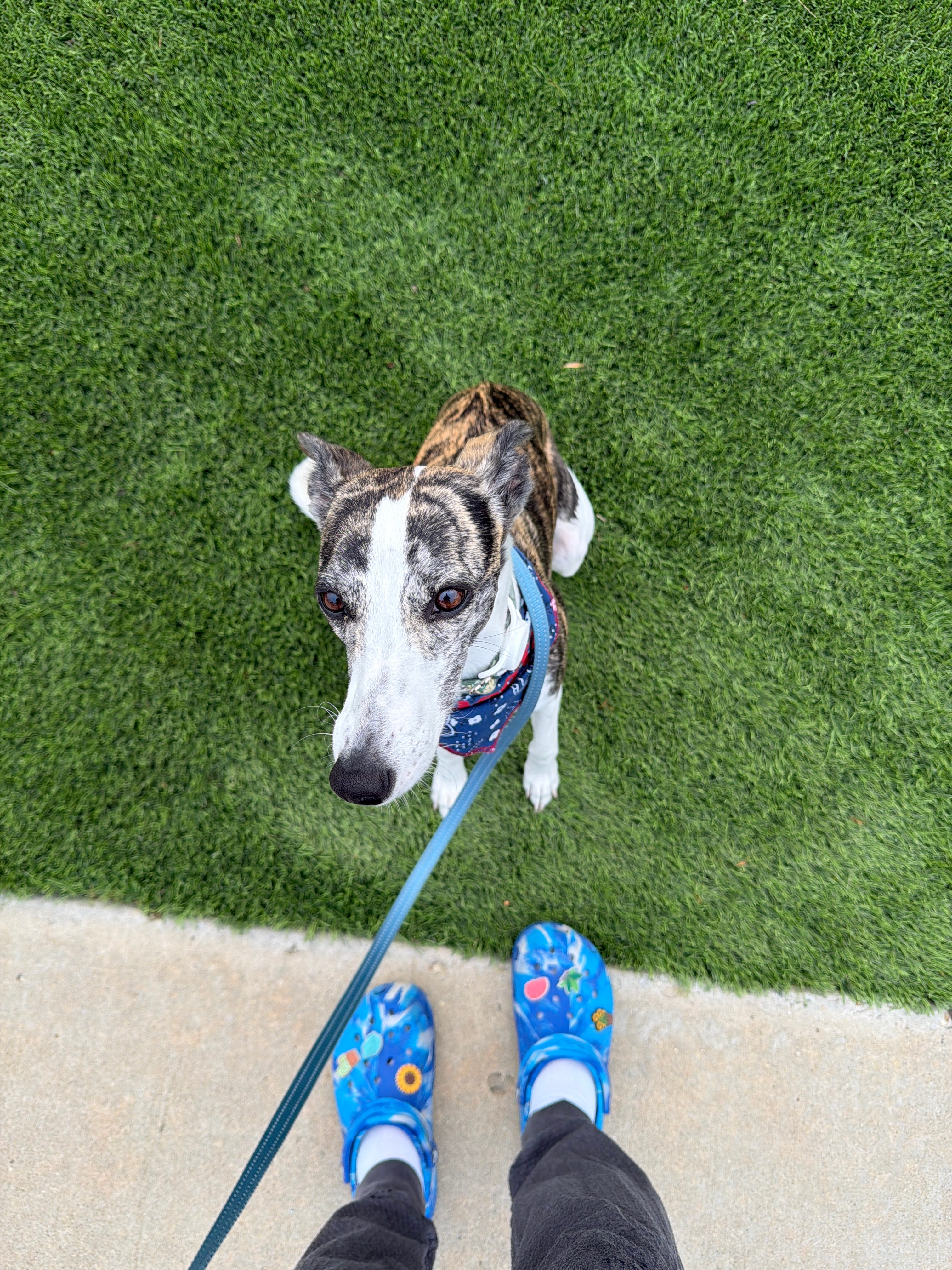
Even better still? Walk with a friend. Which brings us to the top three.
Looking for a psychiatrist who specializes in brain health? I help my clients uncover the cause of their memory issues, brain fog, sleep problems, and more, and build a more balanced life. Accepting new patients in CA, FL, and NY (more states coming soon).
#3 — Resistance Training
Grade: A+
Most people think of exercise as cardio. A walk, a run, a spin class. And those are all great.
But resistance training — lifting weights, bodyweight exercises, resistance bands — does something nothing else on this list can fully replicate.
Lifting weights builds and preserves muscle mass, which is directly tied to metabolic health and cognitive function as we age. It increases bone density and meaningfully reduces the risk of osteoporosis. It protects against falls — which in older adults are not minor events. Falls can lead to fractures, hospitalizations, immobility, and in some cases a rapid cognitive decline that never fully reverses.
People who resistance train consistently tend to age better across almost every measurable metric. Two sessions a week is enough to make a real difference. You do not need to become a bodybuilder. You just need to lift something heavy on a regular basis.
This is an A+. Do not skip it.
#2 — Optimizing Sleep
Grade: A+
Sleep is when your brain does its most important work.
It consolidates memories. It clears metabolic waste — including amyloid, one of the proteins associated with Alzheimer’s — through a system called the glymphatic system that is active during deep sleep. It restores cognitive function, emotional regulation, and the capacity to focus.
Chronic sleep deprivation is one of the fastest ways to accelerate cognitive decline. And most people are not getting enough — or not getting good enough quality even when the hours are technically there.
Here is what actually moves the needle on sleep quality: a dark room, a cool temperature, no TV in bed, consistent sleep and wake times, and a wind-down routine that signals to your nervous system that the day is over. Aiming for seven to eight hours of sleep is one of the highest-leverage investments you can make in your brain.
This is an A+. Non-negotiable.
#1 — Social Connection
Grade: A+
This is one of the most powerful brain health intervention on this entire list. And it is the one people take the least seriously.
Loneliness is not just emotionally painful. It is neurologically damaging. A meta-analysis of over 600,000 people found a 15% increase in cognitive impairment among those experiencing prolonged loneliness.
Meaningful social connection, not scrolling through someone’s Instagram, not a text chain, but actual human interaction with people you care about, is one of the most protective things you can do for your aging brain.
And if you can combine social connection with physical movement? Walking with a friend, playing pickleball, joining a tennis league, taking a group fitness class — that is the gold standard. You genuinely cannot do better than that combination for brain health.
It is free. It is available to almost everyone. And it is wildly underused.
What did I get wrong? What did I miss? Drop it in the comments — I read every single one!
Sources:
Avgerinos KI, Spyrou N, Bougioukas KI, Kapogiannis D. Effects of creatine supplementation on cognitive function of healthy individuals: A systematic review of randomized controlled trials. Exp Gerontol. 2018 Jul 15;108:166-173. doi: 10.1016/j.exger.2018.04.013. Epub 2018 Apr 25. PMID: 29704637; PMCID: PMC6093191.
Azevedo CV, Hashiguchi D, Campos HC, Figueiredo EV, Otaviano SFSD, Penitente AR, Arida RM, Longo BM. The effects of resistance exercise on cognitive function, amyloidogenesis, and neuroinflammation in Alzheimer's disease. Front Neurosci. 2023 Mar 2;17:1131214. doi: 10.3389/fnins.2023.1131214. PMID: 36937673; PMCID: PMC10017453.
Klausen MK, Thomsen M, Wortwein G, Fink-Jensen A. The role of glucagon-like peptide 1 (GLP-1) in addictive disorders. Br J Pharmacol. 2022 Feb;179(4):625-641. doi: 10.1111/bph.15677. PMID: 34532853; PMCID: PMC8820218.
Luchetti M, Aschwanden D, Sesker AA, Zhu X, O'Súilleabháin PS, Stephan Y, Terracciano A, Sutin AR. A Meta-analysis of Loneliness and Risk of Dementia using Longitudinal Data from >600,000 Individuals. Nat Ment Health. 2024 Nov;2(11):1350-1361. doi: 10.1038/s44220-024-00328-9. Epub 2024 Oct 9. PMID: 39802418; PMCID: PMC11722644.
Wani AL, Bhat SA, Ara A. Omega-3 fatty acids and the treatment of depression: a review of scientific evidence. Integr Med Res. 2015 Sep;4(3):132-141. doi: 10.1016/j.imr.2015.07.003. Epub 2015 Jul 15. PMID: 28664119; PMCID: PMC5481805.
Disclaimer: This newsletter is for general informational and educational purposes only. It is not medical advice, diagnosis, or treatment, and should not be used as a substitute for professional medical care. Nothing in this publication creates or implies a doctor-patient relationship with me, and reading or interacting with this newsletter does not make you my patient. The information shared here may not be applicable to your personal health, medical history, or circumstances. If I cite patient examples in this newsletter, the information has been changed to protect patient privacy. Do not use this content to make decisions about your health or delay seeking professional care. Always consult your physician or another qualified healthcare professional before starting, stopping, or modifying any treatment, medication, supplement, or lifestyle practice. I make every effort to provide accurate, up-to-date, research-based information, but medicine evolves, details may change, and errors can occur. I cannot guarantee the completeness, reliability, or applicability of the content. Any actions you take based on this information are at your own risk. If you are experiencing a mental health crisis or thoughts of self-harm, seek immediate help by contacting your healthcare provider, calling 988 in the United States, or going to your nearest emergency room.
No posts
Comments
Nothing yet. Say the first thing.
Sign in to join the conversation.