
Why do people who live in small, often isolated towns keep secrets? There’s an answer so obvious when we think about how small-knit communities are built. New towns are often seeded by key families, clans of closely related people who are either searching for something or fleeing something.
In the early years of such settlements, certain families may rise to the top through honest or nefarious means - but rise they do. There are always consequences to these emergent hierarchies: grievances, sour grapes, and generational rivalries.
We can add to this human ferment the ravages of a new environment: the scourges of disease, seasonal famines, hostile neighbors, war, and severe winters. The result is a hotbed of disquiet set in seemingly idyllic landscapes. New England, along the East Coast of the US, is riddled with such towns. Places that harbor ghosts and dark undercurrents that sensitive writers like Stephen King leverage for their settings.
When an individual or family’s very survival is connected to social acceptance within a community, the psychological and social mechanisms that enable concealment in tight-knit communities are disturbingly consistent. This can take the form of “looking the other way” and covering up abuse. It can involve harboring murderous leaders and enabling financial crimes to continue.
In small communities, relationships aren’t optional; they are a living, breathing, all-seeing infrastructure.
You can’t simply avoid your abuser if he’s also your pastor. You can’t report the chief of the police when he extorts a monthly bribe from your bar, when he’s the son of the town’s main judge. Then there’s the country doctor who knows everyone’s medical secrets but is married to the principal of the town’s only high school. How can that doctor whistle-blow on domestic abuse or sexual assault if their partner’s cousin is the perpetrator?
Breaking ranks and exposing dark secrets risks not only one’s status within a community, but it potentially destabilizes a family’s entire social and economic existence.
Keeping secrets or generational oaths often reinforces one’s place within a small community. Loyalty is a kind of local currency. A person’s reputation for “playing ball” will be intrinsically connected to their work prospects, romantic opportunities, financial aid, and social inclusion.
One family member’s actions (breaking ranks), whether of disclosure or of resistance or of siding with newcomers, threaten the status quo and can undo literally hundreds of years of cohesion. Retribution, violence, blackmail, and even the covering up of murder are potential consequences.
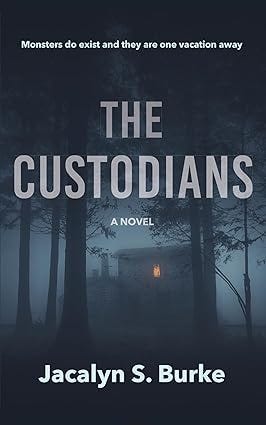
The Custodians is now available at an 80% discount, here. I am currently writing its sequel. If you were kind enough to have read this, thank you. Please consider leaving a review on Amazon or Goodreads. Thank you.
Rousinac, set in rural SW France, ticks all of the boxes for a small town hiding dark secrets.
There are many hamlets and isolated towns near where I live. Many are being hollowed out into ghost towns as the young move to nearby cities for work. A few survive underpinned by a strong local agricultural economy and tightly-knit families.
In my story, the locals have a saying, “blood is blood,” which stems from a misplaced pride in a distant Merovingian history, when that part of France hosted the early royals of Europe. If any blood mingled between the gentry and the peasants of Rousinac, it’s highly questionable if it was consensual.
Indeed, the ancestral inner landscape of the peasants is rich fodder on which to build the stuff of nightmares. Countless wars, whether amongst feuding duchies or against foreign invaders, endlessly ravaged communities like Rousinac, leaving everyone in a permanent state of PTSD.
There was little comfort to be found in the church sermons either, spoken in Latin but filled with bleak narratives around sin and hellfire. Only in the seasons, in the familiarity of the landscape with its hunts and feasts, and in the cycles of fetes, in the birth of children, did the locals find comfort, solidarity. In short, through it all, they clung more intensely to one another.
“Blood is blood,” and so it goes.
Rousinac survived a Revolution and served beneath an Emperor. They witnessed the demolition of church power. They took the foundation stones of great abbeys to build their new peasant homes. The Feudal system was over, yet they remained, chained to the land.
What tipped Rousinac into “Stephen King” small-town dark secret infamy?
World War 2 and Nazi occupation, whose German horror would merely distill a rot that had been hidden for centuries. It is no mistake that Rousinac’s evil would rise from its chateau castle dungeons, a symbol of psychopathic rule for centuries, or from its dark tunnels and sewers. It’s no coincidence that the great primordial forests surrounding Rousinac - the cruel hunting grounds of the despotic monarchs - would nurture and hide the monsters.
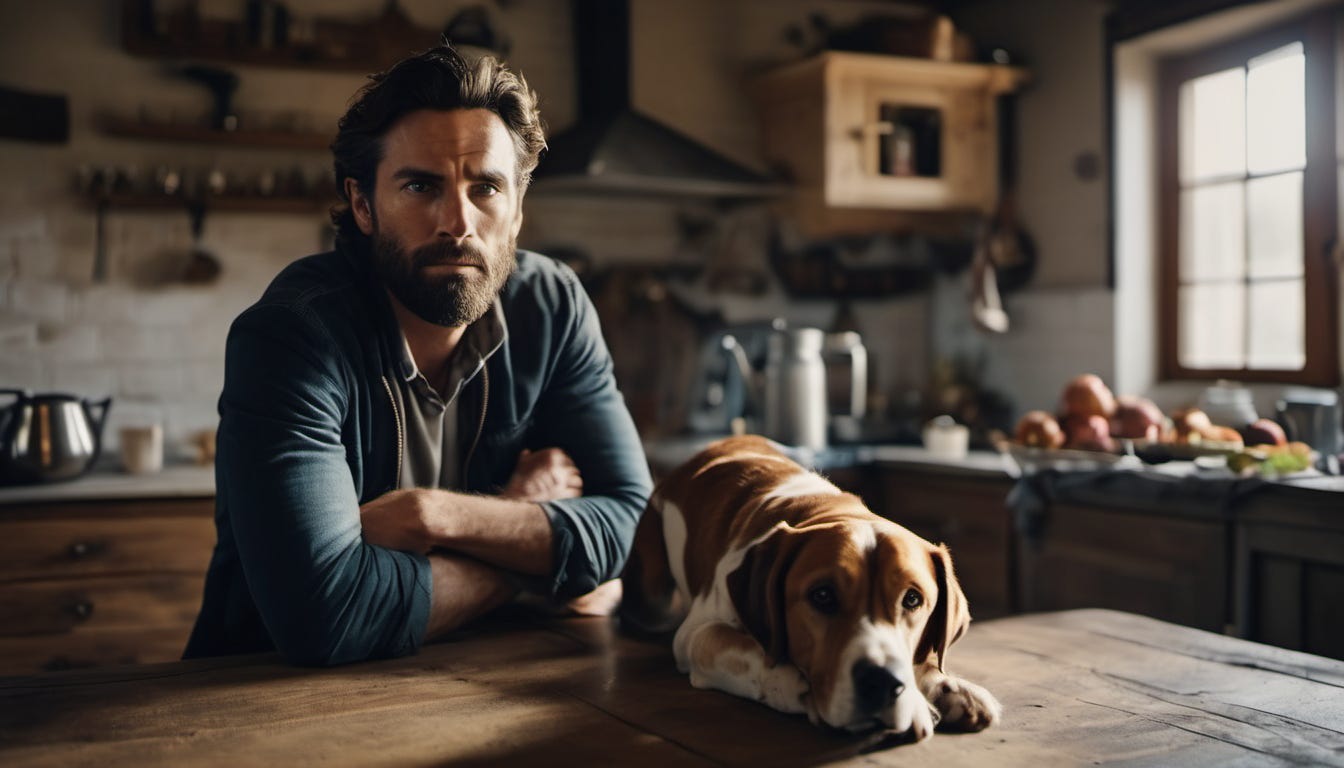
Rousinac knows how to keep a secret. They’re experts. But everyone has a breaking point. Freddie Prevat has reached his.
Have you ever lived in a small town that kept secrets? What’s your favorite Stephen King book or thriller writer?
No posts
Comments
Nothing yet. Say the first thing.
Sign in to join the conversation.