
I love to talk to my friend Réka about reading. She’s the most voracious reader I know and always has good insights. We had a reading chat on Sunday and I shocked her by admitting that I don’t actually love reading, I love having read. My fun is found more from embedding what I’ve learned from books into my life via note-taking, rather than the actual page turning action of reading. This conversation got me thinking about my workflows, so in this post I will share them.
I read both fiction and non-fiction.
I always have a fiction book on the go. I love anything to do with spies (spies = networks = connections!), then historical fiction (particularly a family saga), and the very occasional and very short sci-fi book. Sometimes I read literary fiction, but I am a plot-driven girl through and through.
Non-fiction wise, I read pretty much anything but normally only in summer for some reason. Purchases are driven by current obsessions, or whatever is on offer on the Kindle daily deals!
Reading is at minimum a twice-daily habit for me, like brushing my teeth. It simply must happen. I’m not sure when I became so resolute in this (I typically have the resolve of a paper straw), but I’m not complaining!
I read before I go to sleep and as soon as I wake up. I never bring my phone into my bedroom, I just have my Kindle, which makes this super easy to put into action. I also read on public transport, on my lunch break, and whenever my boyfriend is watching football.
I am always looking for connections. Connections to real life, real people, real places, concepts I know about, new ideas I’ve never come across. I am a note-taking nerd, and connected notes are my love language.
It didn’t start this way. Through my education, I read because I had to, and then I sometimes read non-fiction, but rarely fiction. In 2023, I picked up a fiction book to relax and escape, having worked myself into burnout. I started with Ken Follett’s century trilogy. It was an immersive read, but I actually enjoyed digging into all the rabbit holes more, so I just continued on this path, which brings me to today. Now, I read because I want to learn, and I want to be changed by what I read. This goes for fiction and non-fiction.
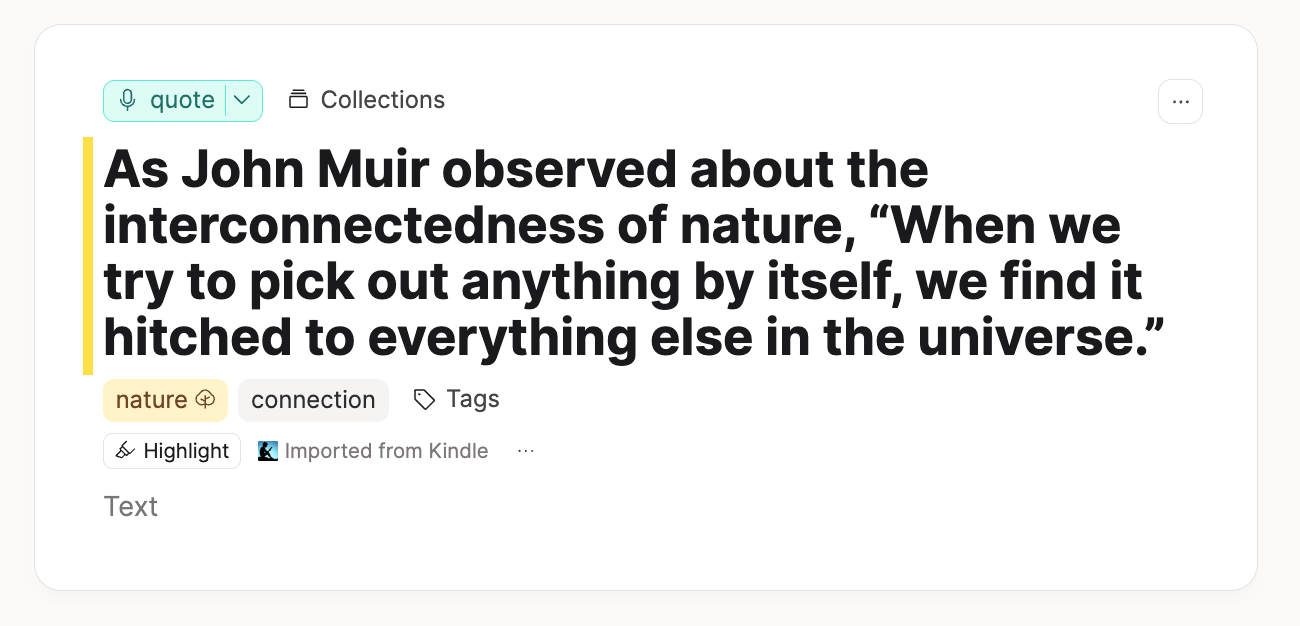
To do this, I want to spend time with the book (or rather, its highlights but I’ll come to that soon!) in an external system so I can “play” with and connect all the ideas and takeaways. This is Capacities comes in, and a fabulous tool called Readwise which syncs my Kindle highlights into Capacities.
I exclusively read Kindle books because that is the easiest way to get my highlights into Capacities. I will use my Kindle til it breaks and then likely move onto Kobo.
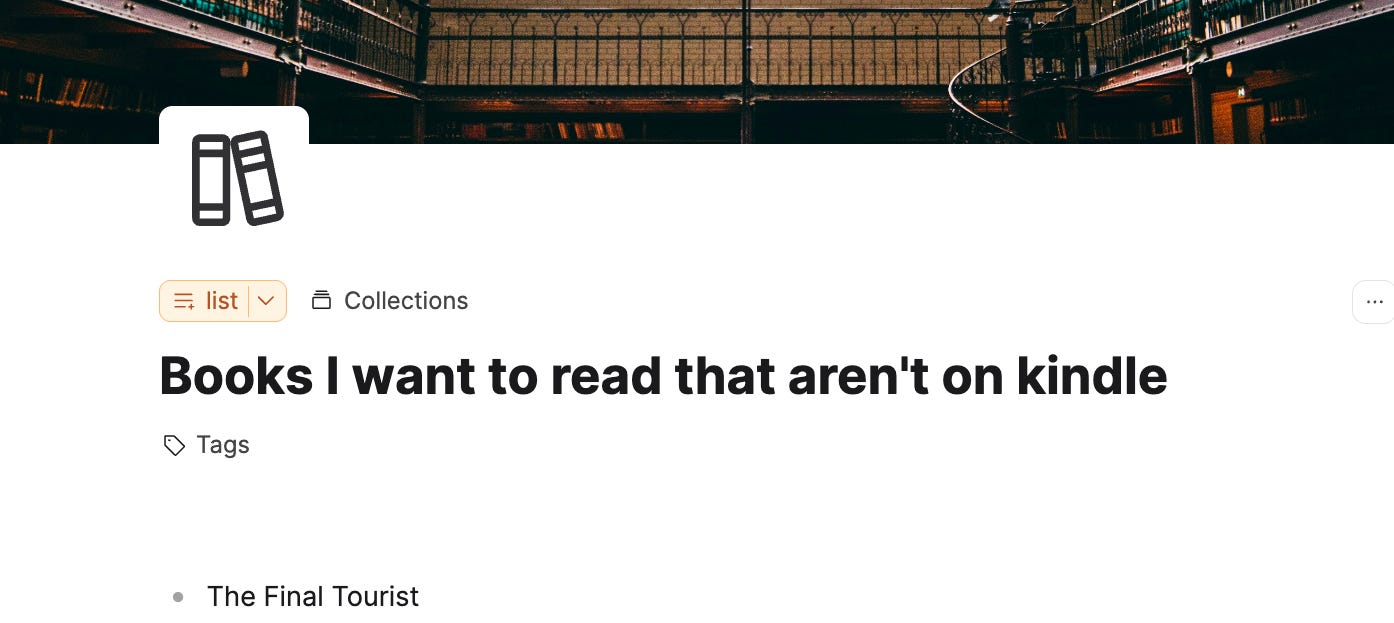
If there is no Kindle book, I am not going to buy the book. That is frustrating at times, and I keep a running list of the books I’m waiting for on Kindle.
But given the system I will tell you about, the friction of reading physical books is simply at odds with what I want out of reading, so it no longer works for my goals.
Before Feb 2025, I read physical books, believing that the smell of the book and the tactile nature was enough to make up for the friction of transforming my reading notes into digital notes. However I typically read a book every 2-3 days, and this got old very quickly, particularly for some of the giant books I read. For example, I never went through New York by Edward Rutherford, even though it’s one of my favourite books. It was too overwhelming to type up all the quotes before even getting to them. So, I made the switch to Kindle and I don’t regret it!
I tried many different systems for book wish lists and ultimately settled on an Amazon Shopping List, as unglamorous as it is. I find the book I want to read, check if there’s a Kindle version and if there is I add it to my shopping list. If not, I add it to my list in Capacities.
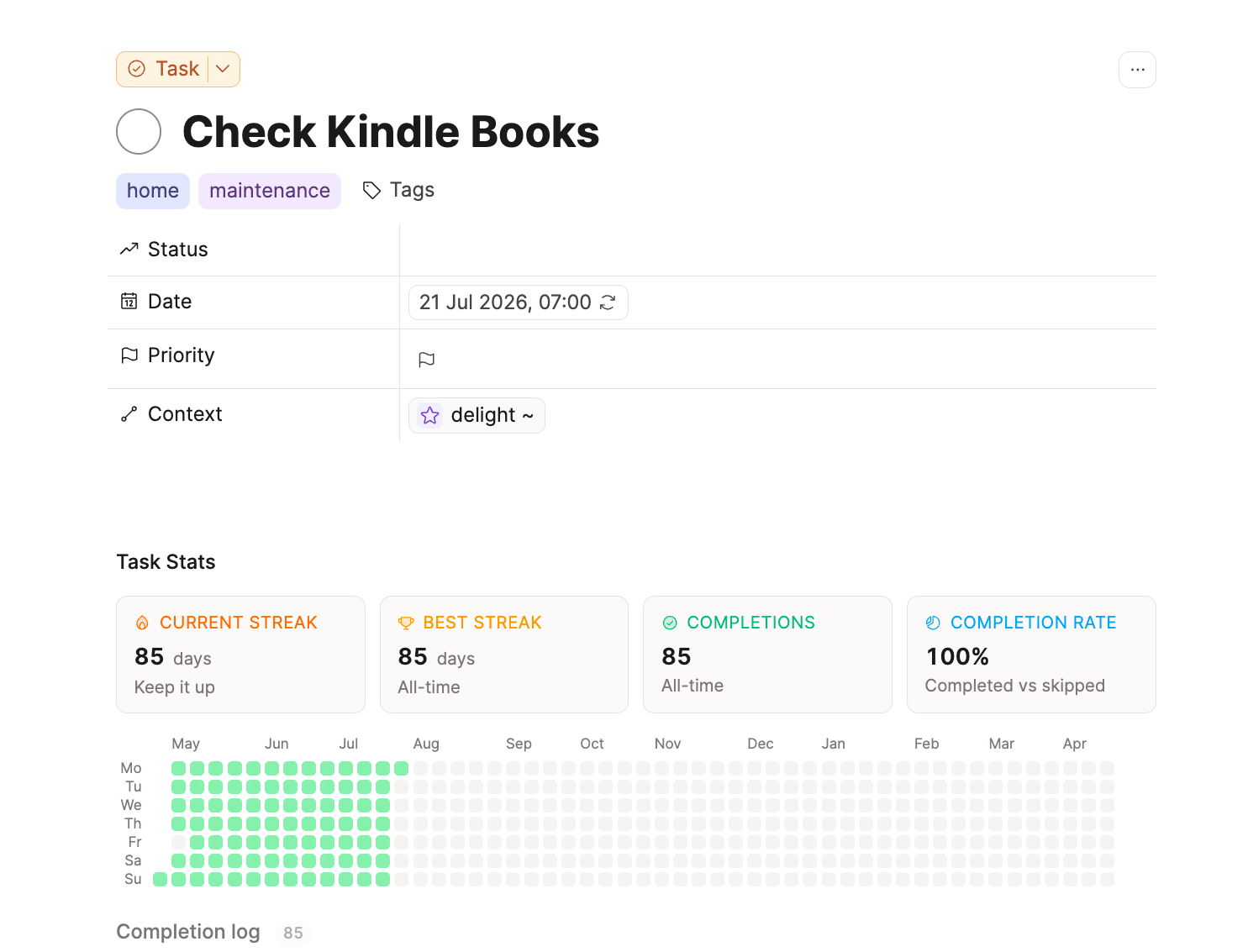
I check my shopping list every morning, after I check the Kindle daily deals. I also use BookBub to find deals. This is a recurring task you won’t see me skipping!
I still go to bookshops, I just take pics of the cover and search them on Amazon later. I am doing the A-Z challenge this year, for fiction and non-fiction, so yesterday I went to Waterstones to get inspired. This is much better than browsing Amazon as I’m sure you can imagine.
I start reading any book in the same way: at least 50 uninterrupted pages. I got this from Naomi on Tiktok. After that I read chapter by chapter. I cannot DNF before 50 pages, and unless I hate a book, I try not to DNF before 100 pages. I still DNF many books!
When I read, I’m not actively looking for things to highlight, I’m trying to get into the flow of reading! But things inevitably jump out to me: things that make me think, things that confused me, famous people’s names, locations, things I disagree with. I highlight all of those, and for the less obvious ones I’ll add a little note as to why I’ve highlighted.
I continue doing this until I have finished the book, and then I will open Capacities to my ‘Unprocessed’ view. Waiting for me in Capacities is a note for the book, created with some behind the scenes magic thanks to Readwise syncing my Kindle Highlights to Capacities. I can also use the Kindle integration and email the highlights into Capacities, which is great for non-fiction because it imports the highlights and separates them into chapters, which Readwise doesn’t support. Either way, when I finish a book, I write down my initial thoughts and give it a rating. Then, typically at a different point in time, I will go through my highlights.
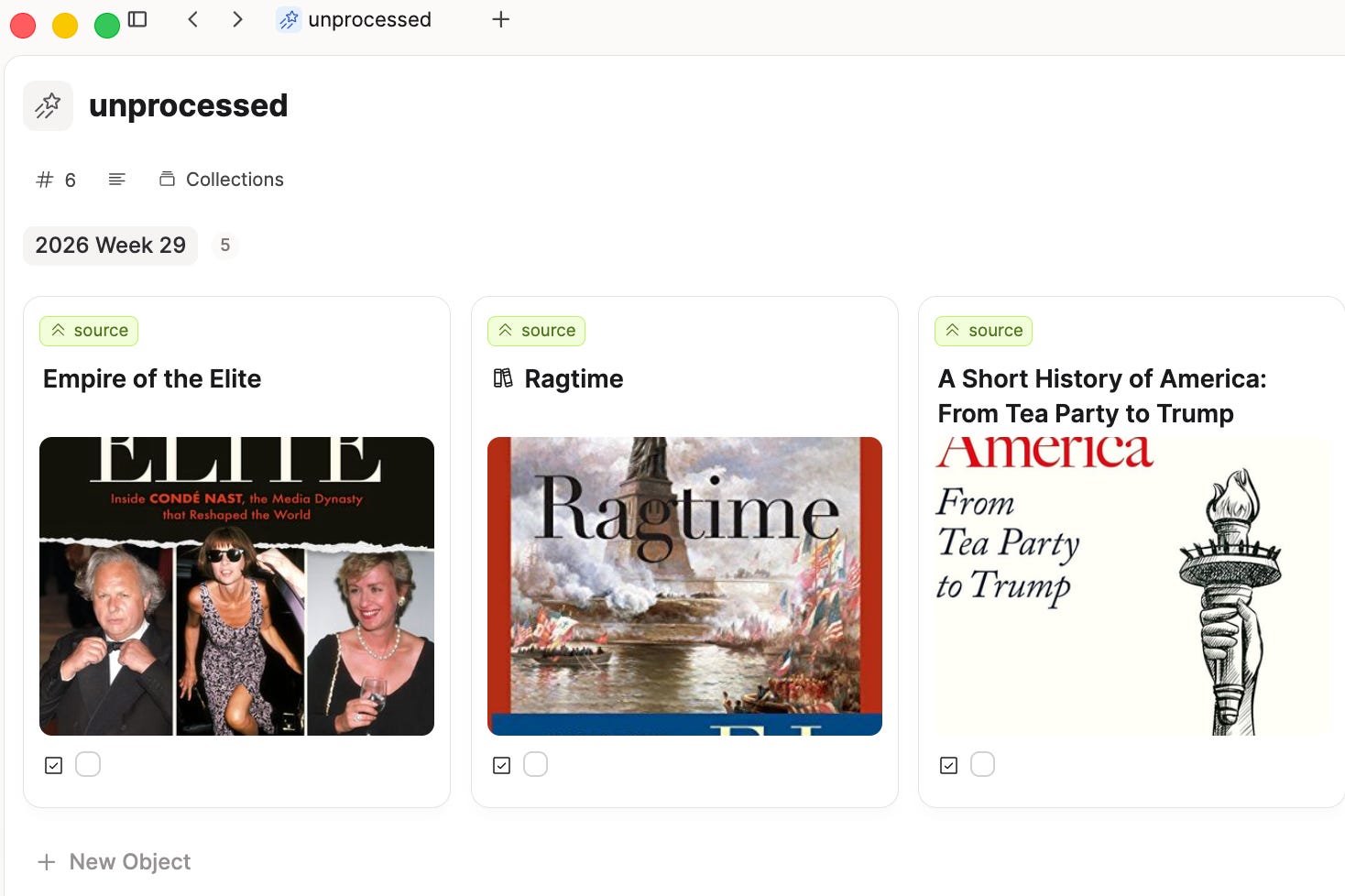
This view is collected automatically because of how I structure my reading notes. Each book is created as a source note in Capacities. These notes have a few properties, and one of them is ‘Processed’. This view looks for any sources without that checkbox checked. Typically after work I will open this view, pick a source and get to reviewing the highlights.
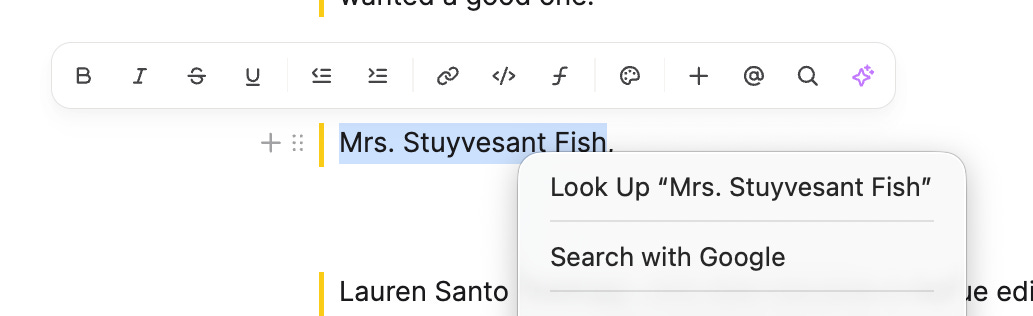
My first pass is the “easy” highlights: people, places, words I don’t know. I highlight the text, right click and click ‘Search with Google’. I may create a note for these things or not, totally depends. If I don’t want to do anything with those highlights I’ll just delete them.
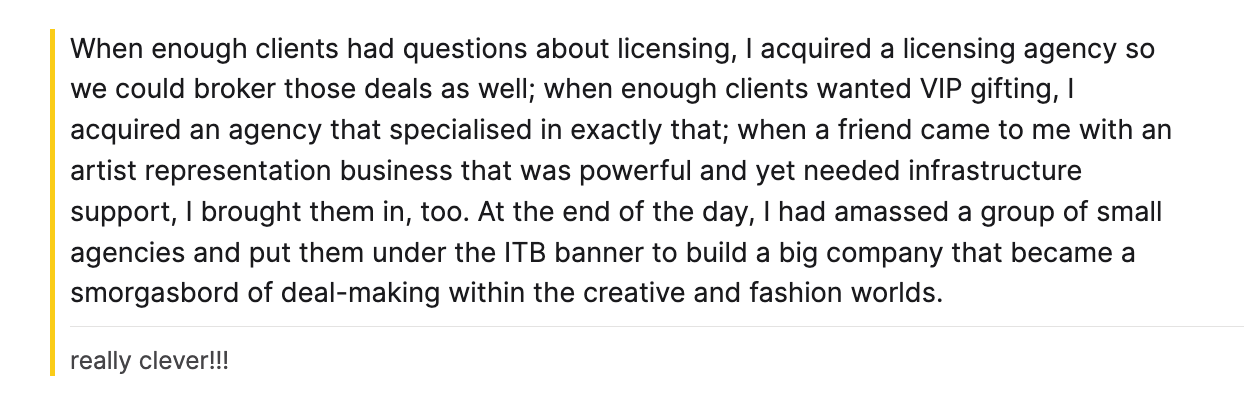
This leaves me the “juicy” highlights. They need my brain, so I might not do this in the same session. I might need to sit with what it’s teaching me: why did I save it, which part of me did it speak to. I’ll write a comment to myself then. It might not be a particularly deep comment, but I highlighted for a reason so I want to make that reason visible.
I might also just tag a highlight. I’m currently obsessed with two ideas: maintenance, and the process™, and how they are connected. I’m tagging with those keywords, and I’ll sit down and write about them soon.

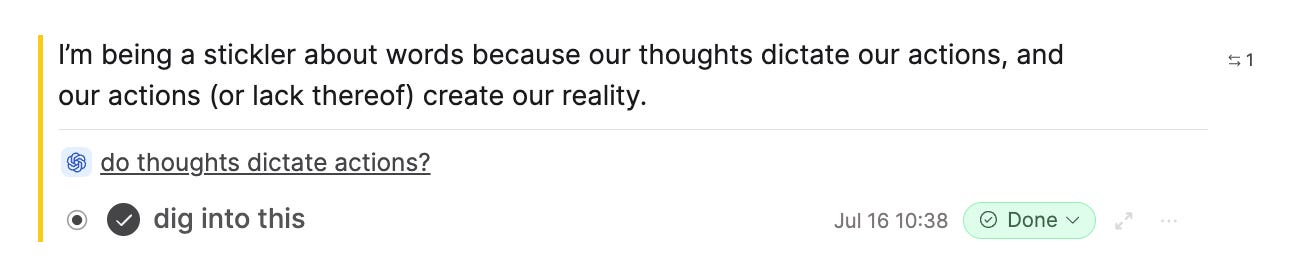
I’m learning all the time but sometimes a specific quote unlocks a simple observation or realisation, and I write about them in what I call insight notes (these are atomic notes/permanent notes if you’ve come from Zettlekasten). By creating the note from this highlight, it’s clear where it came from.

Other times it’ll prompt a further research task. I’ll capture the task in Capacities, and give it a date of my next free weekend so I can dig into it then.
I’ll also make a summary out of the highlights (for non-fiction, see this in action here), or I’ll write the plot summary for fiction. So overall, it really depends what the highlight says, what the book is and who I am at the time of reading it… Once I’ve gone through the highlights, I’ll check ‘Prcoessed’.
But as of recently, I don’t end my reviews there. Inspired by a blog, which I think was inspired by Ali Abdaal, I’ve just started using a new template for books. It’s more structured and has something delightful, and that’s “how did this book change me”.
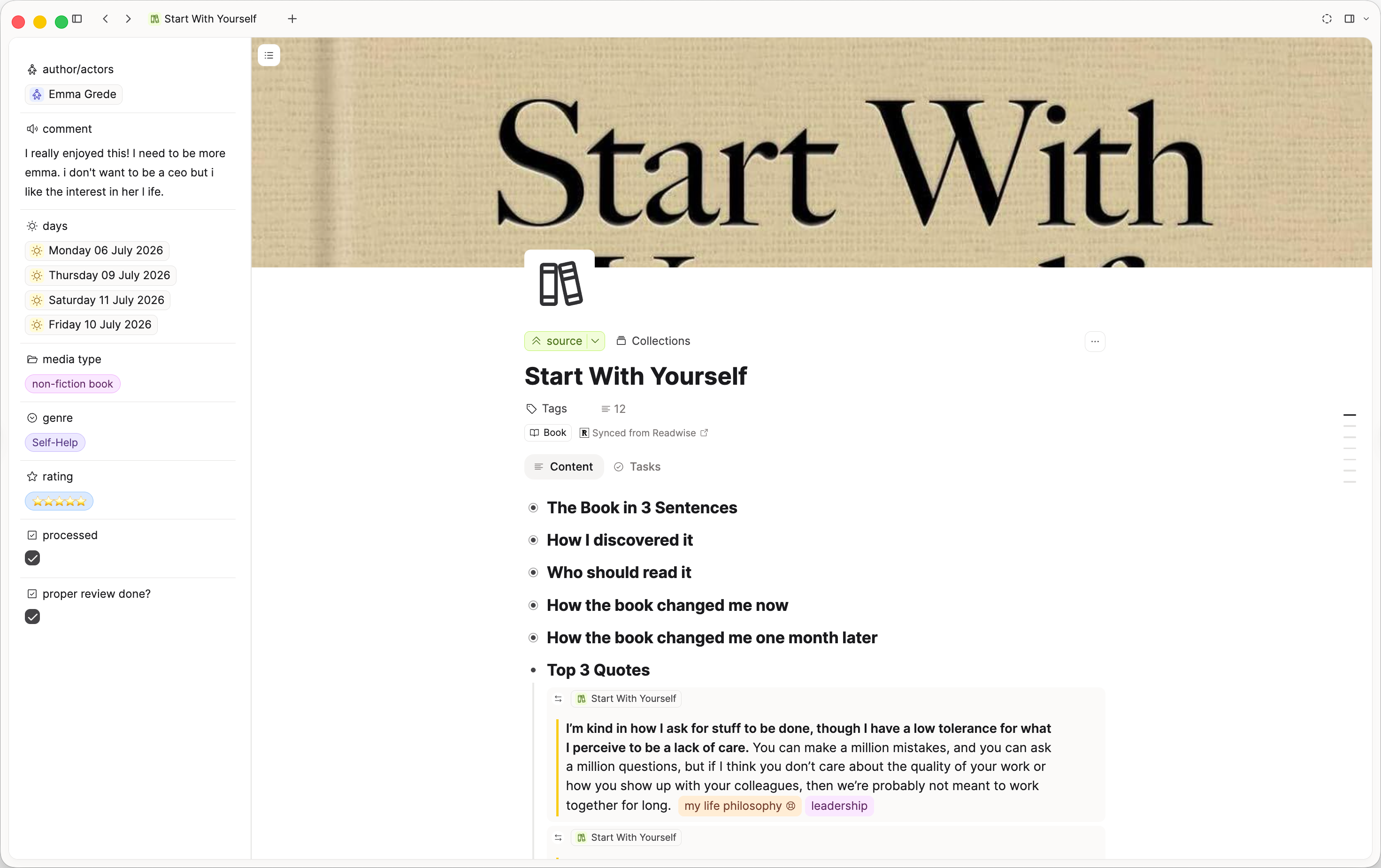
As stated earlier, I want to be changed by what I read, so this template suggestion really spoke to me. I added my own flavour and that’s to answer the question again in a month. Sometimes it takes a while for an idea to really embed into my mind and to show up in my real life, other times I’l find myself randomly thinking of characters or settings. This one month later reminder asks me to check in with that. I do this review in another session, so there’s another checkbox for this. Once done, I check ‘proper review done’. This is just for books though. ‘Processed’ is more than enough for articles and other media types at this time.
Overall, this process properly embeds what I read into my note-taking app. Because my whole life is in Capacities, it’s functionally embedded into my life too. I write reviews, I make plans, I make tasks. Link by link, the notes become a part of this system which is the core of my personal infrastructure.
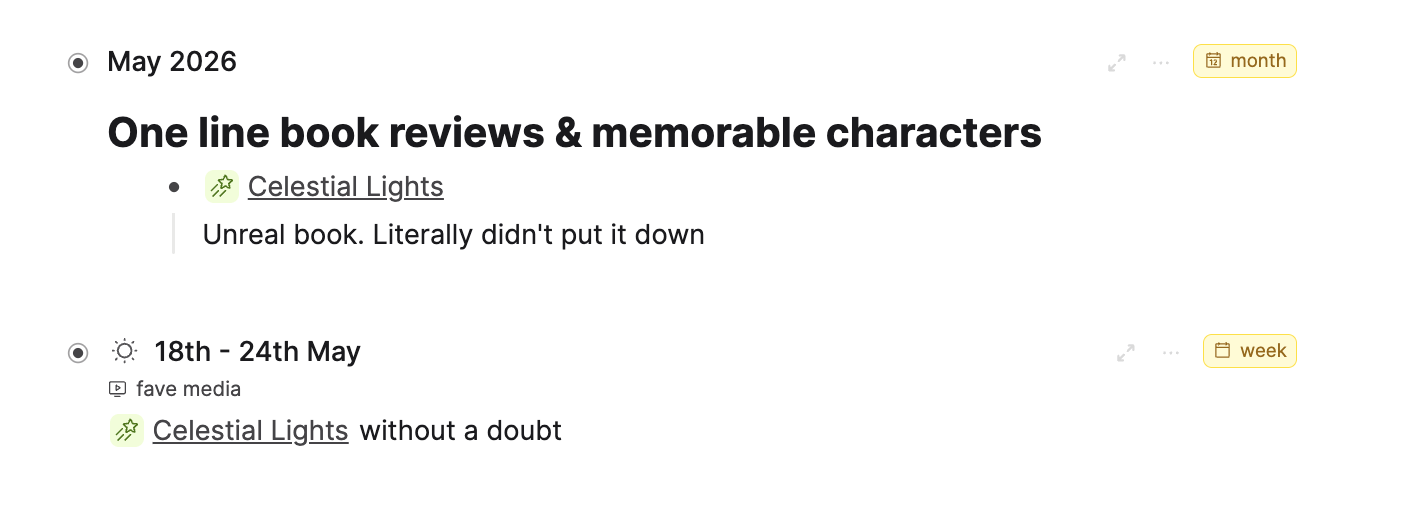
When I first got into note-taking and reading, I had this perception that I needed to be a literature student who understood themes and tropes and observations that would make an essay marker happy. I also thought that reviews had to be long, or they weren’t worth it. I resisted doing that, and just went for the connections instead: who did I learn about, where did the book take place etc.
Over time, my personal standards became clearer. I want to know what happened in a book, and I can’t rely on my memory to tell me that, so I should rely on an external system instead: my reviews in Capacities. I want to connect to what notes I already have, therefore linking to existing or new notes must be part of my process.
The existence of these standards doesn’t mean it’s homework though! Views like ‘Unprocessed’ means my highlights are ready and waiting for me whenever. On an average week, I clear it each Sunday in part of my reviews. On busier weeks I just go with the flow. I think there’s a difference between knowing your standards and enforcing a timetable.
If you’ve read this and thought “Wow that sounds boring! What happened to getting lost in a book!”, then our reading-related sources of joy are different. I still get lost in books and think of characters years later, but the absolute thrill (genuinely) comes from the connected notes at the end of it. I presume I read like this because I returned to (fiction) reading through the lens of already being a note-taker.
If you find your joy(s), you can work backwards from there and craft the infrastructure that makes it easier to access. That’s why I went to Kindle and why I can’t imagine letting my Readwise subscription lapse!
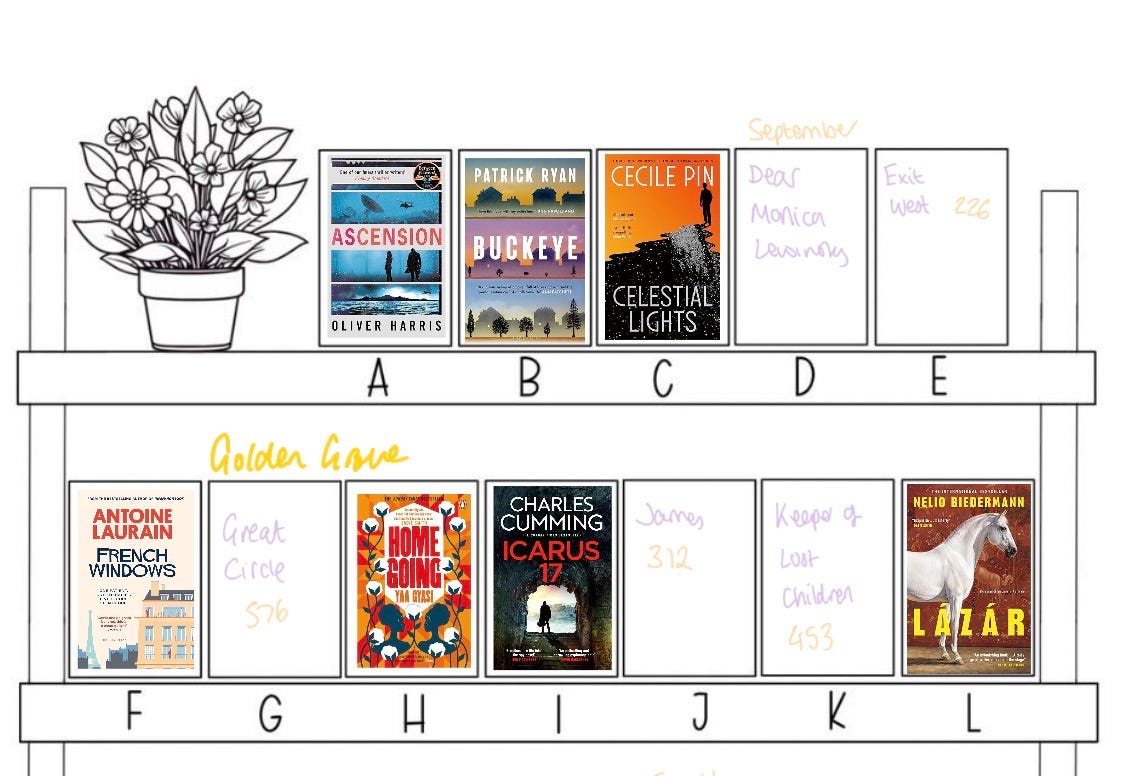
Everything you’ve read so far is about efficiency in my practices, because I find that increases the surface area for joy. But not everything is about efficiency, and to that end I’ve been enjoying spending hours on my reading journal that I’ve put together recently. I track what I read and their ratings, I can track my A-Z Challenge or the countries that show up in a nice map. It’s got a lot of crossover with Capacities, but it’s for a different reason: fun, creativity and experimentation. This is on top of the “work” for me which is the highlighting, and thinking. I just want to doodle sometimes too.
I tried doing this on paper but my lack of artistic talent nudged me back to Zinnia on my iPad, I’m enjoying the flexibility a lot!
So there’s my reading system as of July 2026. What is yours? :)
No posts
Comments
Nothing yet. Say the first thing.
Sign in to join the conversation.