
Italy does not suddenly empty after Ferragosto. The traffic simply changes direction.
Ferragosto falls on Saturday, 15 August this year, which creates a strange two-way squeeze. On Saturday morning, plenty of people will still be heading towards beaches, islands, lakes and mountain towns. By Sunday evening, the first meaningful controesodo begins: Italians heading home.
That return pattern repeats over the final two weekends of August.
And for travelers, the biggest transport problem this fortnight is not a wave of strikes.
It is railway engineering.
Several important lines are undergoing major summer works, including the Florence–Rome high-speed corridor and multiple routes around Milan. Add Ferragosto schedules, event crowds and persistent heat, and this is a period when a little planning can save a lot of unnecessary stress.
Biggest thing to watch: major railway works, especially between Florence and Rome and around Milan.
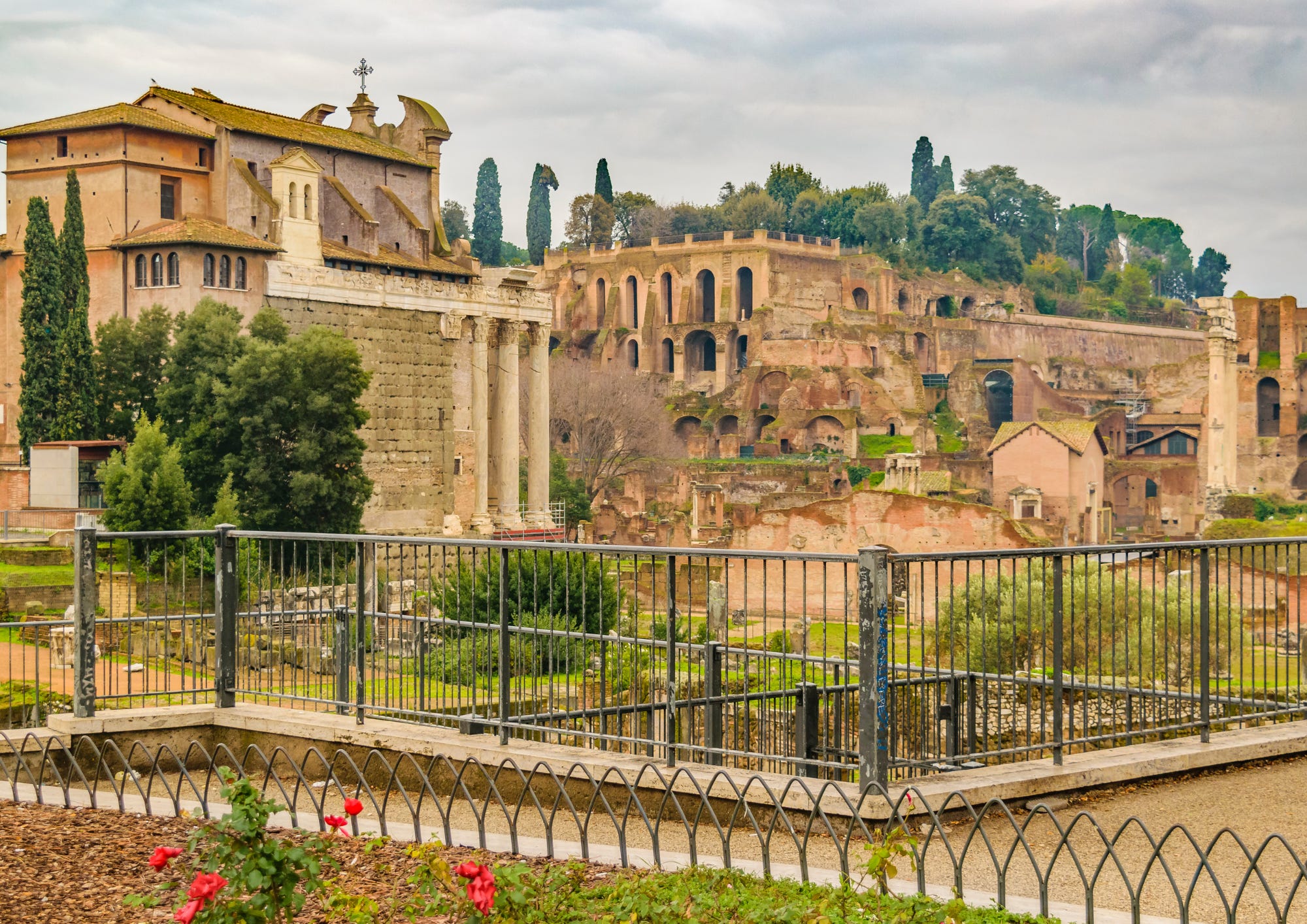
Best opportunity: evening openings at the Colosseum, Roman Forum and Vasari Corridor offer a very useful alternative to sightseeing in the hottest part of the day.
Main crowd pressure: Siena on 16 August, Melpignano on 22 August and the Vatican Museums on 30 August.
Weather note: hotter-than-average conditions remain the main official signal through at least 23 August. Anything more precise for the final week is still too early.
One thing I would avoid: building a tight self-made rail connection through Florence, Rome or Milan during the works.
One other useful warning before we get into the details: you do not need to pay Venice’s day-tripper access fee at any point between 15 and 31 August. The 2026 fee period ended on 27 July.
If an old article sends you looking for a payment form or exemption QR code, the information is outdated.
Below: the routes most affected, museum dates worth watching, practical weather strategy and the late-August events that may change your itinerary.
Italy’s national traffic forecast shows the familiar August pattern beginning to turn around.
The periods marked red are:
Saturday mornings: 15, 22 and 29 August
Sunday evenings: 16, 23 and 30 August
Monday mornings: 17, 24 and 31 August
Friday evenings: 21 and 28 August
The cleanest-looking national driving days are 18–19 August and 25–26 August.
That does not mean the Amalfi Coast, Lake Garda or the road into a popular beach town will suddenly be empty. This is a national traffic forecast.
But if I had flexibility over a long driving day, I would choose Tuesday or Wednesday rather than Sunday afternoon.
When this research was checked on 27 July, there were no notified passenger rail, aviation, maritime or local-public-transport strikes listed between 15 and 31 August.
That is reassuring, but it is not a guarantee.
New regional or company-level action can still be announced.
What I would do: recheck the official strike register and your operator’s app shortly before an important transfer.
The high-speed line between Chiusi Sud and Orvieto Nord is closed until 28 August.
Trains are diverted onto the conventional railway, meaning longer journey times on one of Italy’s most important north–south corridors.
And this is not only a Florence–Rome problem.
It can affect trains continuing towards Bologna, Milan, Naples and Salerno.
Who should care: anyone travelling by high-speed rail through central Italy before 29 August.
What I would do: build a generous buffer around connections and avoid booking an airport transfer, tour or fixed reservation immediately after your expected arrival.
Milan is the other place where I would pay close attention.
The Milan–Bologna high-speed route is affected through 17 August.
The Milan–Venice corridor is affected through 16 August.
Services between Milan and Genoa/Liguria face cancellations, altered stations and replacement buses through 28 August.
And the Milan Passante remains heavily altered through 30 August.
That last one is easy to underestimate. A traveler may arrive in Milan and discover that the usual central Passante stop is not being served.
What I would do: check the exact station shown on your ticket rather than assuming a train labelled “Milano” will follow its normal route.
I would also avoid treating Milan–Cinque Terre as an effortless day trip during these works.
The conventional Rome–Cassino–Naples line has staged closures through 23 August, with replacement arrangements on affected sections.
This is the regional FL6/conventional route, not the Rome–Naples high-speed line most Frecciarossa and Italo passengers use.
Before worrying, check which railway your ticket actually uses.
The Bologna–Vignola line is replaced by buses from 18 to 31 August.
Some Trenitalia services do not stop at Napoli Montesanto until the morning of 20 August.
And on 31 August, selected Pisa–La Spezia services begin partial cancellations and replacement buses.
If you are heading between Tuscany and the Cinque Terre at the end of the month, check your actual train rather than relying on an old screenshot.
Italy’s state museums, archaeological parks and other state cultural sites are generally opening on 15 August according to their normal site-specific rules.
The distinction that matters:
State museums are generally participating.
Municipal, church, private and foundation-run attractions make their own decisions.
Open does not mean free.
Open does not mean you can walk in without a timed reservation.
Booking pressure: medium.
I would check every important attraction individually rather than assuming “Ferragosto opening” applies to everything.
The Vatican Museums are closed from 14 through 16 August.
They reopen normally afterward.
The other date worth noting is Sunday, 30 August, the last Sunday of the month, when standard admission is free.
That sounds attractive.
It will probably not feel peaceful.
Booking/crowd pressure: high.
If seeing the Museums well matters more than saving the ticket price, I would choose a normal paid weekday instead.
The Necropolis of the Via Triumphalis also remains closed throughout this briefing period.
The Uffizi is closed on:
17 August
24 August
31 August
The Vasari Corridor has special Friday-evening openings on 21 and 28 August, with mandatory reservations.
In Rome, the Colosseum has night openings on:
18 August
20 August
25 August
27 August
The Roman Forum opens at night on:
21 August
28 August
Booking pressure: high.
These are not just atmospheric extras.
In late August, they are useful itinerary tools.
If you can visit an exposed archaeological site after sunset instead of at 14:00, I would.
The most responsible forecast right now is also the simplest:
Expect heat to remain the default problem through at least 23 August.
The official long-range guidance does not yet support precise city-by-city forecasts for 24–31 August.
Temperatures are expected to remain above seasonal norms.
Liguria and the northern plains have a drier-than-average signal through 16 August.
That does not rule out thunderstorms.
I would pack primarily for heat, but still carry a lightweight rain layer if you are moving through the north or mountains.
Above-normal temperatures remain the dominant signal.
For Rome and Florence, I would continue treating midday as something to plan around rather than something to push through.
Move long walks, archaeological sites and viewpoints earlier or later where possible.
The heat signal continues.
Parts of Sardinia and Sicily may see wetter-than-average conditions between 17 and 23 August, but that should not be translated into “a rainy week.”
It simply means local rain or thunderstorms remain possible.
Reliable city-level temperatures and storm timing are not available yet.
I would not change a trip based on a two-week weather app at this stage.
Wait for short-range forecasts, then adjust the daily order of your itinerary rather than rebuilding the whole trip.
16 August
The August Palio takes over Piazza del Campo and much of Siena’s historic centre.
The historical procession enters the Campo at 16:50, with the horses scheduled to emerge at 19:00.
Standing inside the Campo is free, but access closes before the race once capacity is reached.
What I would do: treat this as the entire Siena day. Do not plan a normal sightseeing itinerary around it.
22 August
The main Concertone turns a small Salento town into a major all-night event.
What I would do: organise transport, parking and accommodation before arrival. This is not the kind of concert where I would assume I can park nearby and leave easily afterward.
22–30 August
The candle procession is on 27 August, followed by the main barrel race on 30 August.
It is one of the better excuses to build an itinerary around inland Tuscany rather than simply passing through.
What I would do: make Montepulciano the destination that day rather than squeezing it between wineries and another hill town.
Pesaro: Rossini Opera Festival, until 23 August
A strong option if you want a major cultural event with a formal programme rather than an outdoor festival atmosphere.
L’Aquila: Perdonanza Celestiniana, 23–30 August
The central religious rite takes place across 28 and 29 August.
I would verify the final programme before travelling specifically for an individual concert or performance.
Comacchio and Ferrara: Ferrara Buskers Festival
Comacchio hosts the preview on 23 August, with Ferrara hosting the main programme from 26 to 30 August.
The Rimini Meeting runs from 21 to 26 August.
Even if you have no interest in attending, it may affect accommodation and transport demand around Rimini.
Siena, Melpignano, Montepulciano and Ferrara should also be treated as event destinations rather than ordinary day-trip towns on their main dates.
This is exactly the kind of travel rule that becomes confusing because old information does not disappear from Google when the rule changes.
Venice’s 2026 day-tripper access-fee period ended on 27 July.
That means visitors travelling between 15 and 31 August do not need to pay it and do not need to request an exemption QR code.
You may still encounter old blog posts, social videos, screenshots or unofficial pages saying otherwise.
People fall for it because the information was true earlier in the season.
It is simply no longer true for these dates.
What I would do: check only the current City of Venice information and ignore any third-party page trying to sell or arrange something that is not required.
If I were traveling in Italy during this period, I would…
Add real buffer time to rail journeys crossing Florence, Rome or Milan.
Choose Tuesday or Wednesday for long drives if I had flexibility.
Recheck strikes and individual train numbers shortly before travel.
Confirm Ferragosto opening hours attraction by attraction.
Use evening museum and archaeological openings to escape the worst heat.
Keep late-August outdoor plans flexible until short-range weather forecasts are available.
Ignore any Venice access-fee request for these dates.
Check my exact train number and arrival station.
Leave extra time for connections.
Recheck transport strikes before departure.
Confirm 15 August attraction opening hours.
Reserve any high-demand night opening.
Check the 72-hour heat outlook before major walking days.
Plan transport before attending a major festival.
Do not pay a Venice access fee for 15–31 August.
Thank you for supporting the Italy Briefing.
The point of these updates is not to make Italy feel complicated. It is to catch the few things that can genuinely derail a day before they become your problem.
If you are travelling during these dates, leave your route and dates in the comments. I’ll tell you which part of this briefing I would pay the most attention to.
Buon viaggio,
Maria
📍Rome
No posts
Comments
Nothing yet. Say the first thing.
Sign in to join the conversation.