
Andropov commissioned a KGB super-spy myth in 1973. Inside the casting, uniforms, and censorship behind “Seventeen Moments of Spring.”
Dear readers and subscribers,
On August 11, 1973, the premiere of the television series “Seventeen Moments of Spring” took place.
It all began when Yuri Andropov, who became head of the USSR State Security Committee in May 1967, decided to create a positive image for the agency entrusted to him and to match Western intelligence agencies in the arts as well. A story about an unknown intelligence officer’s heroic deed was perhaps the best way to realize this vision.
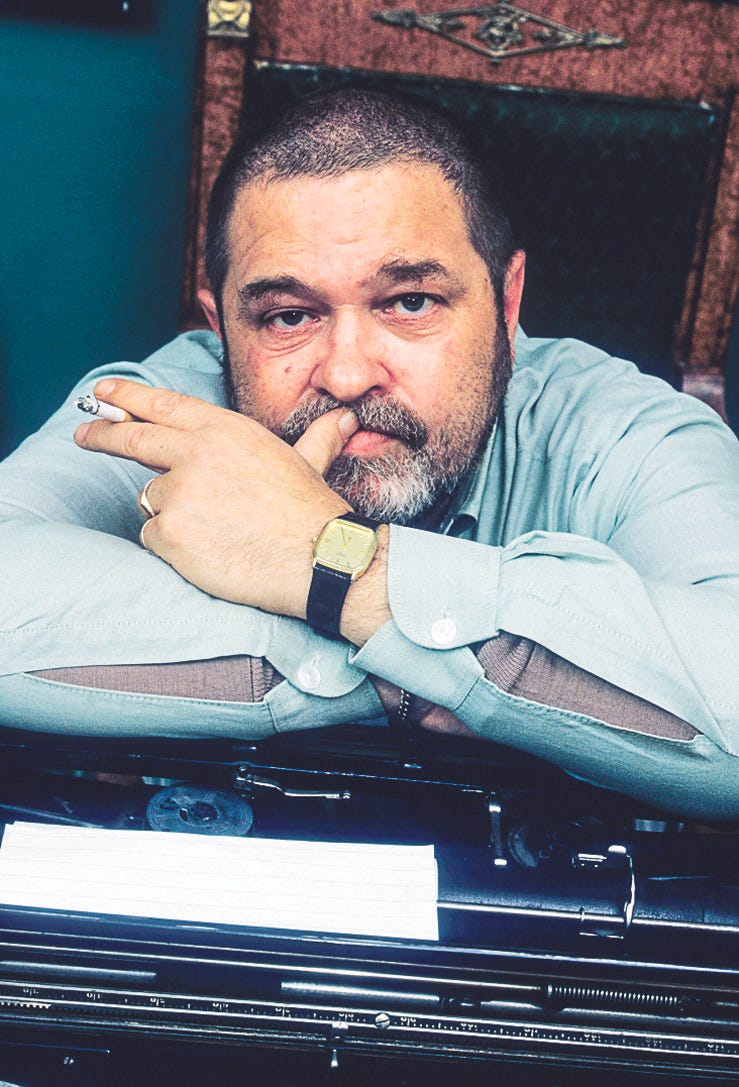
Writer Julian Semenov created his hero in the mid-1960s. Vsevolod Vladimirovich Vladimirov, aka Maxim Maksimovich Isayev—that was the name of the future Stierlitz in his homeland. In 1967, two films based on Semyonov’s novels were made: “No Password Needed” by director Boris Grigoriev, about the Civil War in the Far East, and “Major Vikhr” by Yevgeny Tashkov, about the Great Patriotic War. However, Soviet intelligence officer Vladimirov-Isayev only played a peripheral role in these stories; he wasn’t the central character.
Andropov, informed of the films’ success, found time to watch them and realized that Yulian Semyonov was the author for the job. The writer was invited to the Lubyanka, where the KGB chief offered to transform the merely competent intelligence officer Maxim Isayev into a “super agent” operating in the very heart of the Third Reich.
He was granted access to archival materials on Soviet intelligence officers who had worked in Nazi Germany at various times, but, of course, not all of them. Archival research took almost a year. And, according to his daughter Olga, he wrote the novella in just 17 days. Hence, incidentally, the title.
Semyonov truly was a fast writer. He was captivated by the process of gathering information and intoxicated by the opportunity to immerse himself in secrets unknown to mere mortals. He considered the literary “cutting” of these unearthed treasures a chore: slaving away at a desk was a far cry from embarking on a new adventure. As a result, “Seventeen Moments of Spring” was published in the last issues of the magazine “Moscow” for 1969.
The story fell into the hands of director Tatyana M. Lioznova. The plot immediately captivated her, and she wanted to adapt it for the screen. For Tatyana Mikhailovna, who had never tackled war themes before, it was a matter of honor: her father and three of her mother’s brothers volunteered for the front and died in the first year of the Great Patriotic War. However, as a director, she had absolutely no interest in making an action film, and she drastically reworked Semyonov’s script.
Three years later, when the film was being submitted to the artistic council of the Gorky Film Studio, one of the speakers categorically stated, “I read Yulian Semyonov’s novel. It was a typical detective story. But Lioznova managed to elevate it to the heights of a psychological film.”
Lioznova selected the actors by imagining the entire film with various combinations of them. And there are over 30 key characters!
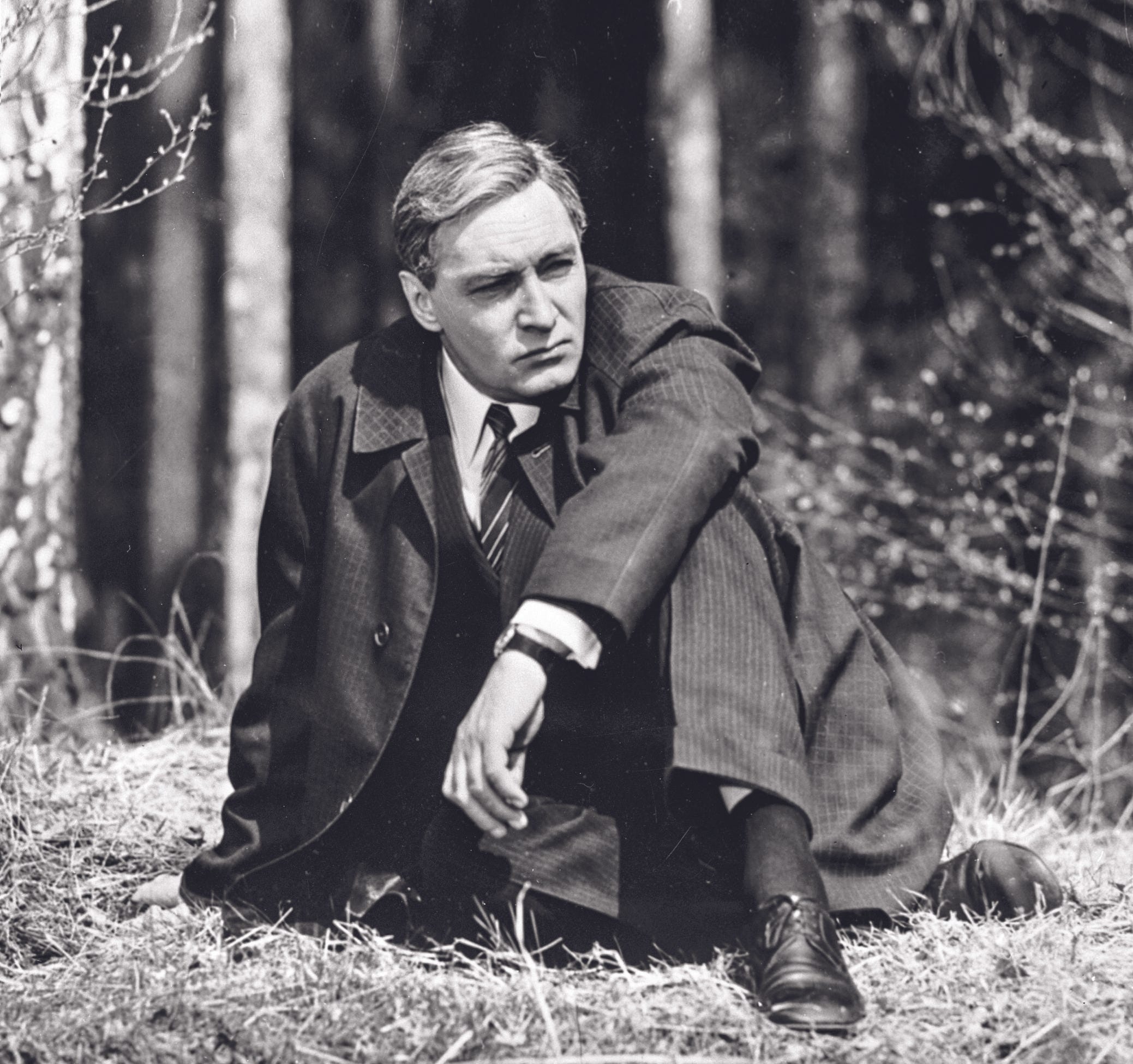
Vyacheslav Tikhonov’s performance was enhanced by his history teacher, Ilya Melnikov, from the film “We’ll Live ‘Till Monday.” According to Semyonov, when Bormann meets Stierlitz, he tries to recall where he might have seen him, and Stierlitz prompts him: “When you presented me with the Iron Cross, you said I had the face of a mathematics professor, not a spy.” Tikhonov, too, was supposed to play a “non-spy.” While getting into character, Vyacheslav Vasilyevich often asked himself if he could become an intelligence officer, and each time he came to a categorical “no.”
The character was shaped by contradiction: “I was busy searching for material that would help me ground Stierlitz as much as possible. I wanted my character to not seem superhuman.”
Andropov’s first deputy, Colonel General Semyon Tsvigun, supervised the film. He used his son’s name as a pseudonym and is listed in the credits as S.K. Mishin.
KGB Colonel Georgy Pipia oversaw the filming on set and emphasized the ancient origins of his Colchian ancestry with his pseudonym, G.V. Kolkh.
Of the consultants, only Heinz Braun is listed under his own name in the credits. He fought in North Africa under General Erwin Rommel, was wounded, and was sent to serve in the SS. He was captured on the Eastern Front and, after serving his sentence, remained in the Soviet Union. He worked as an announcer for the foreign broadcasts of All-Union Radio, acted in films, and often served as an expert on Nazi military uniforms.
During the filming of “Seventeen Moments of Spring,” Braun participated in the creation of every uniform, and quite a few were made—the country’s leading tailoring workshops, including the “general’s” atelier of the USSR Ministry of Defense, worked on Lioznova’s film.
For Stierlitz alone, over a hundred white shirts, civilian suits, dress and field uniforms, coats, raincoats, and even a tailcoat were made, which Tikhonov’s character wears for just a few dozen seconds—in the scene at the embassy reception, accompanied by Schellenberg, who is also wearing a tailcoat.
Lioznova did everything to ensure authenticity.
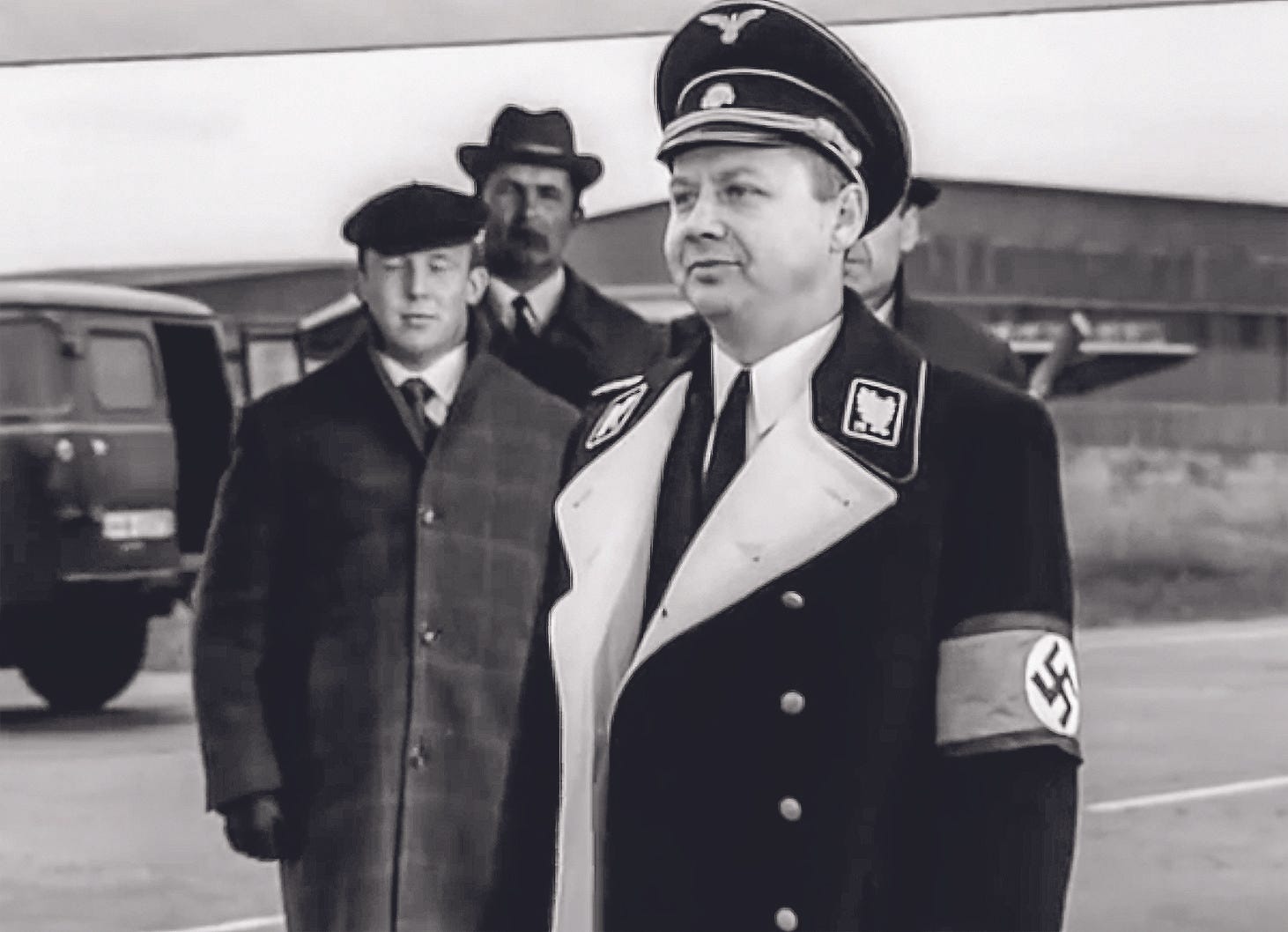
For the scene where General Karl Wolff meets Tabakov and Schellenberg at the airfield, craftsmen from the Ministry of Defense’s special atelier sewed a dress overcoat for an SS brigadeführer, replicating the original in every detail.
“Schellenberg’s Overcoat” was on camera for only 42 seconds. But it was remembered for half a century!
If you want to support my work but don’t want to commit to a monthly or annual subscription, you can make a one-time or recurring donation by using PAYPAL or the “Buy Me A Coffee” buttons below. —Jerry B. Marchant.

Comments
Nothing yet. Say the first thing.
Sign in to join the conversation.