
I just finished telling a friend about some ludicrous dating story.
I watched her face shift—intrigue to shock to something like horror, then delight—as I led her through the events of the night, performing it a little, shaping it, choosing where to pause. I used all my storytelling instincts to make it land in the most satisfying way possible.
“Oh my god, I cannot wait to read your post about this,” she said, grabbing another handful of popcorn from our communal bowl.
“Oh, I am not putting this online,” I said.
She lit up like I’d just delivered a punchline.
“You have to.”
There was a beat where I realized she wasn’t kidding.
And then, almost immediately, I felt it—that familiar internal squirm. The subtle but unmistakable sense that I was withholding something I owed. That the story wasn’t finished until it had been packaged, polished, and offered up for public consumption, like a small, shining object.
And the worst part is: I built this.
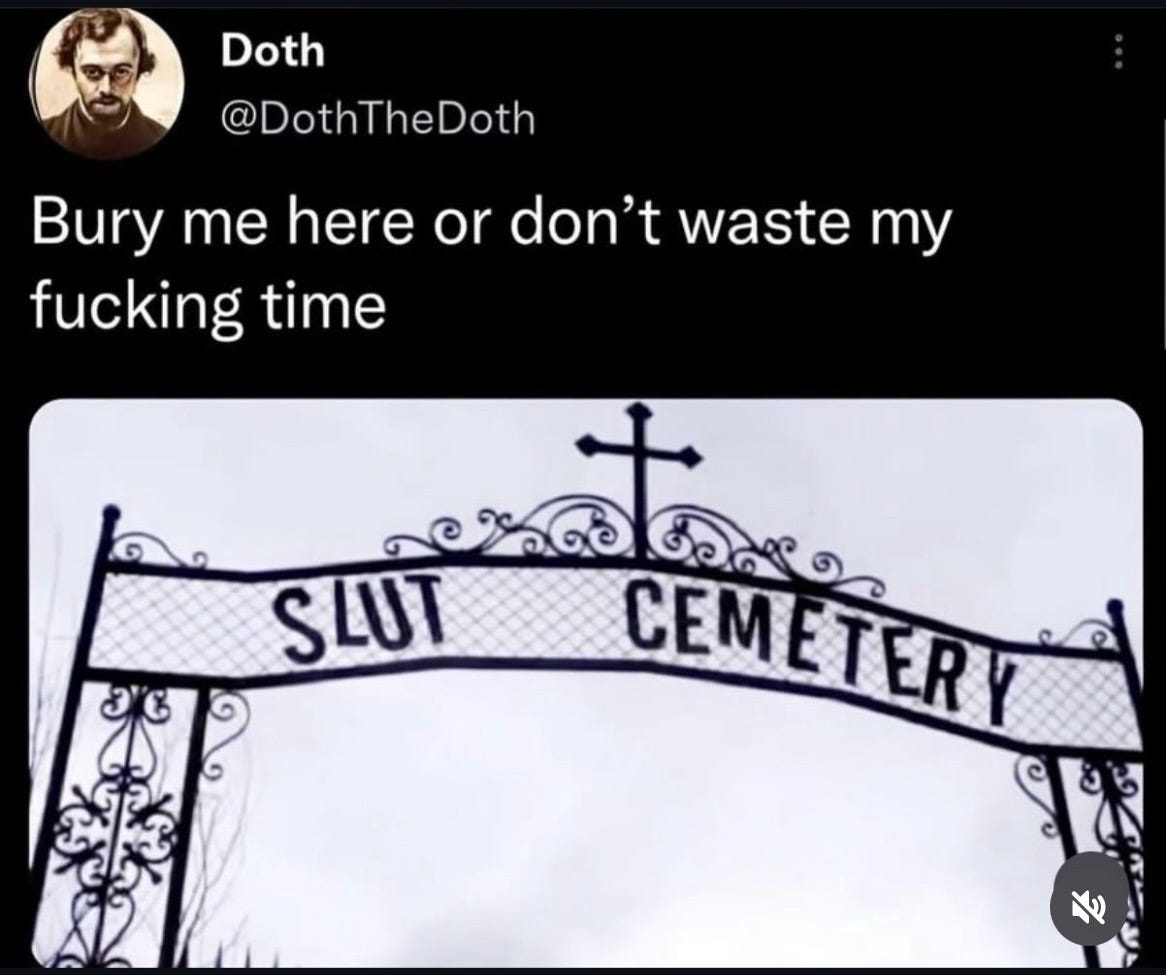
When I started writing on here, it wasn’t because I thought my life was particularly interesting. It was because something deeply painful had become public, flattened into gossip and passed around like a game of telephone I couldn’t opt out of.
I wasn’t trying to build a persona. I was trying to correct the record. At least, that’s what I told myself.
At the time, the story of my husband’s affair and our subsequent divorce was inaccurate, cruel, and—most importantly—out of my control.
“She deserved it,” wrote someone on Reddit who claimed to have known me fifteen years ago in college. I guess they didn’t like me then. Or now.
“I heard he—” began a dozen Instagram messages, each one trailing off into speculation dressed up as certainty.
So I did the only thing that felt available: I told the truth, plainly and vulnerably. And then I got more vulnerable. As I processed the pain, I had more to say. More revisions. More footnotes to my own life. It became stylized. I wrote it all down, knowing some people would find it tacky. Knowing that one day I might regret how much I had revealed.
But being seen felt really good.
I was getting the recognition I had been begging for in my marriage from hundreds of strangers online. It made me feel understood, held—even if that holding was abstract, pixelated. And yes, maybe I got a little addicted to that. I’m not immune to the dopamine hit of validation, especially when I was that low. That was part of it too.
But at no point did I think my life was especially interesting.
I love my life. I’m happy with it. Some days are exciting, but most aren’t. The majority of my days are comprised of working, sleeping, trying to smoosh in some fun when I can. I don’t mind mundanity—cooking dinner, texting friends, washing my hair. The boring moments don’t feel like failures, and they don’t need to be upgraded into something else. They’re just the lifeiest bits.
But also, they’re not worth writing home about. Or writing on Substack about.
When I do write, it’s usually because an idea has been pacing the labyrinth of my mind, bumping into things. I try to pull it apart, put language to feelings that resist language. It’s less reporting, more reaching. I’m not documenting big, cinematic life events—I’m circling the quieter questions, the in-between spaces that usually go unexamined. I don’t post because I think I’m a good writer. I post because I hope someone might feel less alone inside something small and weird and hard to name.
But there’s this other current, always running underneath.
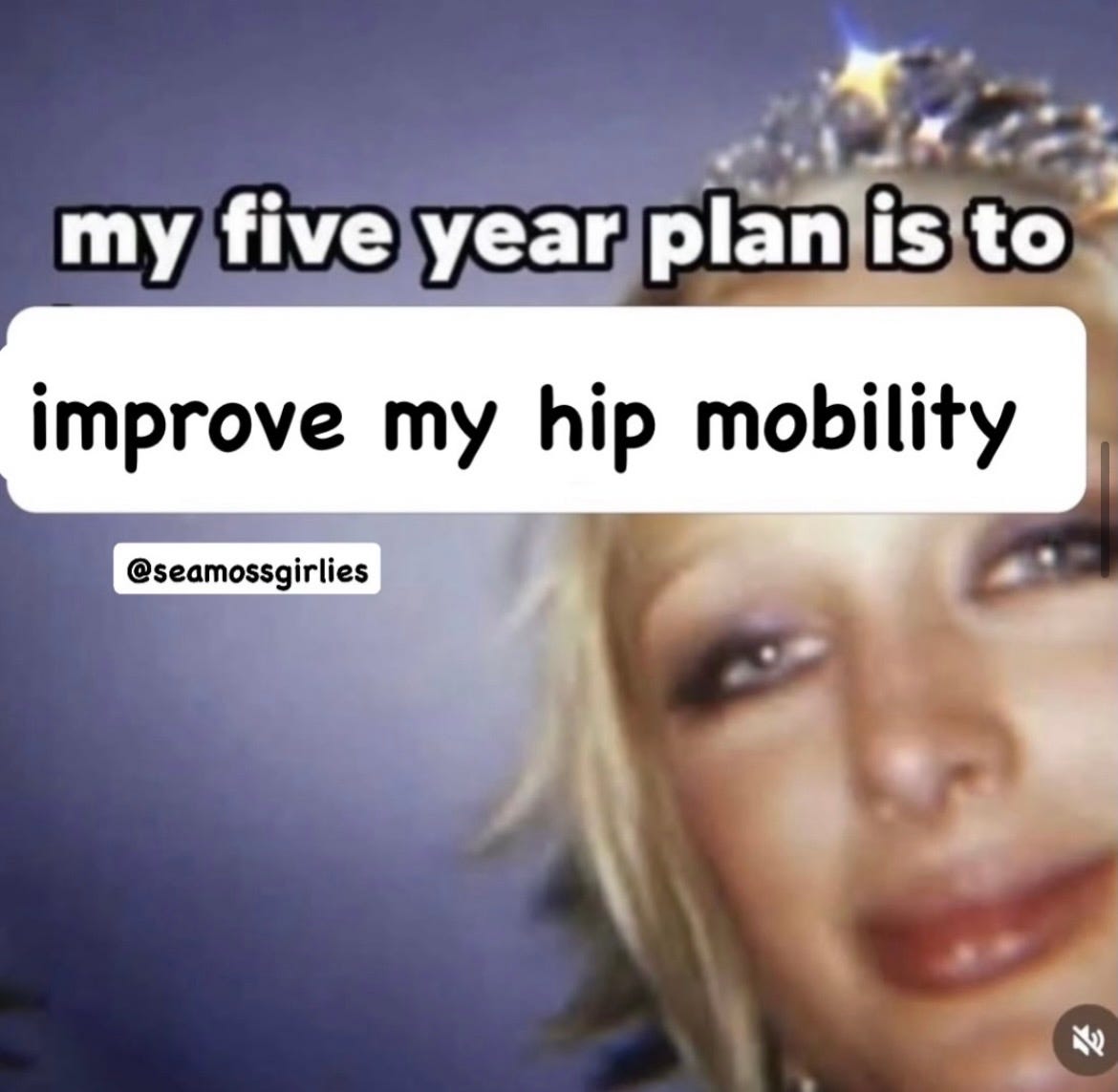
Millennial women have been Carrie Bradshaw–ified into oblivion. Our dates are interesting! Our mess is consumable! Everything we think, everything we wear, everyone we fuck with becomes fair game. “What I eat in a day,” one woman on TikTok chirps. “A day in the life of a marketing girly,” chimes another, in a remarkably similar cadence to all the others. Who are these videos for? We are all the main character in our own life, and social media helps us package it all accordingly. We are thirty-somethings in New York and, somehow, we have convinced ourselves we are the most compelling creatures alive. Blegh.
It’s very easy to start self-exploiting for content—to treat your life like a mine, something to excavate, refine, and ship out along the information highway. Dates become fodder for quippy, detached posts. Fights with friends deserve multipart “story time” exposés. Your meals, workouts, skincare routines— they all can be parsed out into posts. When we talk about our personal lives, we drop clues, little narrative breadcrumbs, like we’re writing a season finale.
In the process, we become both the protagonist and the producer, unable to stop scanning our own lives for usable material. The private self erodes, replaced by a version that anticipates an audience. And while it feels empowering to narrate your own story, there’s something quietly disorienting about realizing how much of it is shaped by what strangers might double-tap. The result is a peculiar kind of inflation: we feel hyper-visible, endlessly interesting, and yet strangely interchangeable—stars of shows that all look eerily the same.
And eventually, nothing feels fully real.
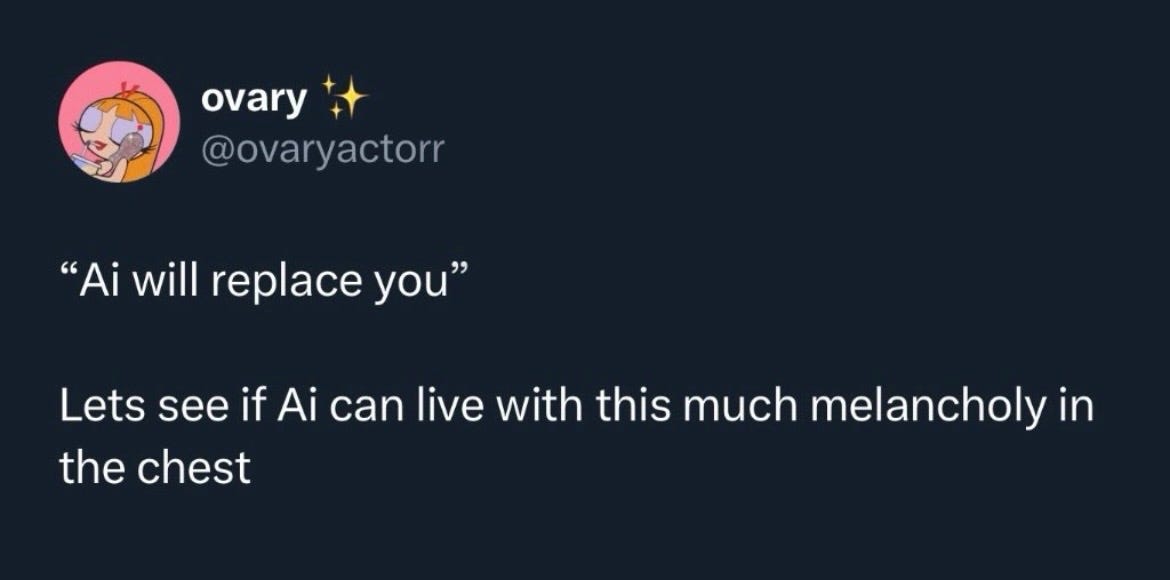
I get it because I grew up inside this. Tumblr, LiveJournal—then the shift, when self-exploitation became something you could monetize. I sold stories about my phobias to Teen Vogue and Medium. I flattened relationships lessons into “listicals”, turned private moments into pitches. Sometimes for money. Sometimes for exposure, which is just money’s ghost. Ahhhh the 2010’s.
The lesson I absorbed, over and over, was that making private thoughts public could be rewarding. Emotionally, financially. But the currency is your privacy, and you don’t always realize how much you’ve spent until it’s gone.
Which is why, strangely, privacy has become so important to me now.
Right after my divorce, I performed okayness online. A big, glittering “I’m fine.” Every night out was documented, a little cryptic, a little curated. It’s a canon event. I don’t even judge that version of myself—I understand her completely. After all, nothing says “healing” like compulsively checking if his family watched your IG story.
Now I still share things. Just not everything.
There are nights out and afternoons in the park that never make it online. Trips, dates, small wins that exist only in my camera roll, or just in my body. I scroll back sometimes and remember a day vividly and feel almost protective of it, like if I had posted it, it would have thinned out somehow.
Before the divorce, I used to plaster the internet with photos of my husband and me, like proof. Like if enough people witnessed it, it would solidify into something unbreakable. Back then, things didn’t feel like they counted unless they were public.
I don’t think that way anymore.
Now, being perceived all the time feels exhausting. I move my mat in workout classes when someone sets up a phone to record themselves. I instinctively duck when someone walks into my job with their camera already open. Meals get eaten without documentation. Friends are seen without commemorative selfies. Haircuts go undebuted. There’s something I love about the anonymity of a big city—the way we move together, like a school of fish. You can disappear inside it. You can belong without being known.
And I don’t want to fall back into that validation loop—checking how a post performs, constructing little narratives about what people must think of me based on what I’ve shared. It makes real-life conversations thinner somehow, like you’ve already pre-chewed everything.
Enjoying this post? Buy me a coffee!
I’ve been thinking about Lindy West. She built a career on personal essays—her body, her bullies, her relationships, all rendered in detail. Her memoir, Shrill, became a big TV show. But there’s something that happens when you offer that much of yourself up repeatedly: you become legible in a way that invites flattening.
The more she revealed, the more people felt they understood her. And maybe they did, in a limited, curated sense. But readers begin to form a fixed version of you—what you want, what you don’t, what you should do next. When she later wrote about entering a polyamorous relationship after discovering her husband’s infidelity, people already had opinions about whether that made sense for her.
As if they knew her better than she knew herself.
It’s hard to change when you’ve already narrated your preferences so definitively. Hard to contradict your past self when it’s all documented, searchable, quotable. You become accountable not just to who you are, but to the character you’ve been performing.
I don’t want that.

I think about how I come across online—maybe strong, thoughtful, like I’ve got it figured out. I don’t. I’m still insecure, avoidant, often confused, especially after everything fell apart.
I like to think I can change my mind, even if I feel weirdly bound to past versions of me, like I signed some invisible contract. I have to remind myself: evolution is allowed. Regression too. Sometimes shrinking is part of growing—annoying, but true.
It’s exhausting, feeling guilty for not becoming who you once promised the internet you’d be.
So sure, I rescind it all—every neat conclusion, every premature final draft of myself.
Nah. Not really. The internet doesn’t do nuance, so I guess I’ll just keep evolving. And, naturally, keep posting obvious shit about it <3
Anyway, please validate me. Like, subscribe, share—my entire sense of self depends on the metrics.
No posts
Comments
Nothing yet. Say the first thing.
Sign in to join the conversation.