
Listen to the article ☞
0:00
-11:33
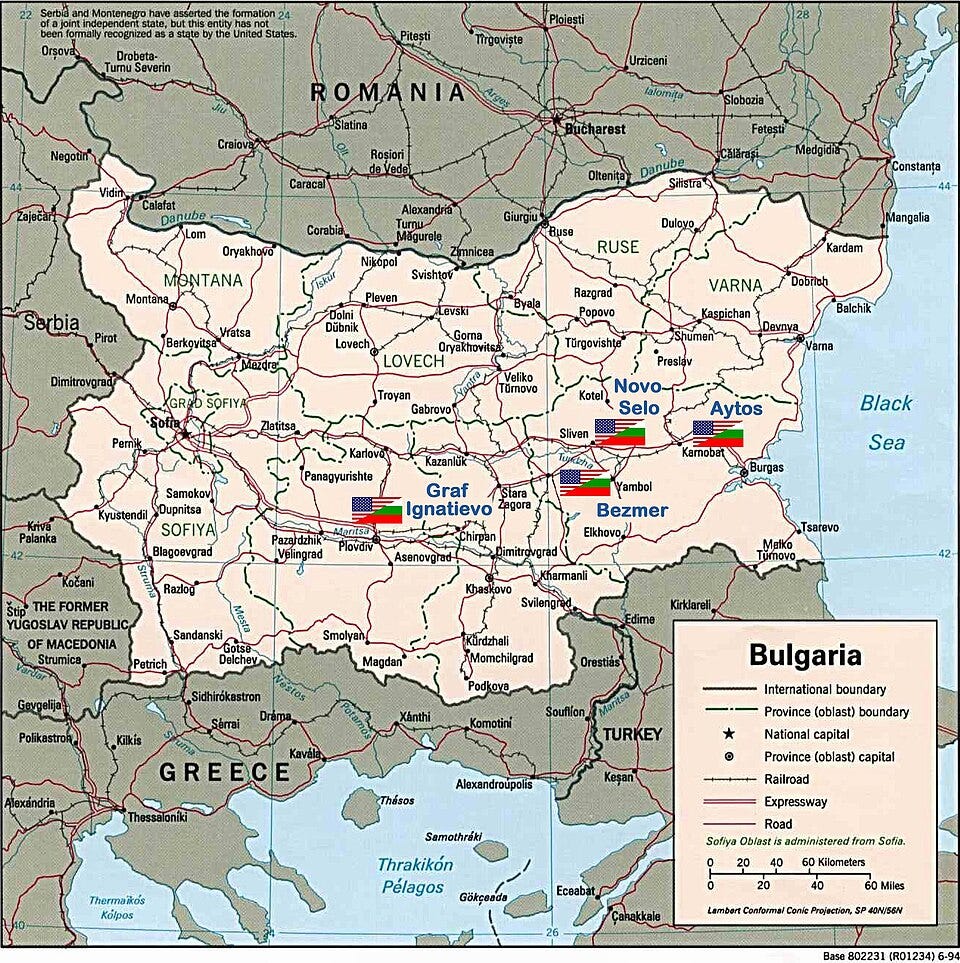
Two U.S. Air Force KC-135 aerial refueling aircraft have left Bulgaria’s Bezmer Air Base amid mounting concern over threats from the Islamic Republic of Iran against American military assets in southeastern Europe.
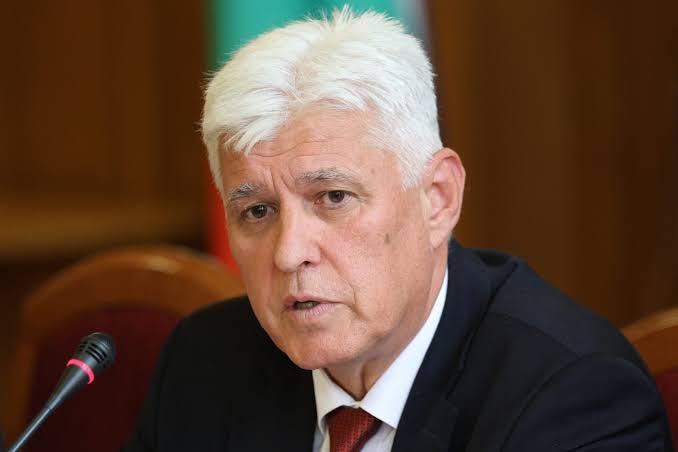
Bulgarian Defense Minister Dimitar Stoyanov
Bulgarian Defense Minister Dimitar Stoyanov announced Saturday that the aircraft departed the country on Friday for an undisclosed destination. The departure came only days after reports that officials in Tehran had examined the possibility of striking U.S. military targets in Bulgaria and Cyprus should hostilities between Washington and the Islamic Republic intensify again.
The timing has inevitably drawn attention, although Bulgarian officials have not said that the American aircraft were removed because of Tehran’s threats. Stoyanov said Sofia had been working in close coordination with Washington and that the government’s decisions were based on intelligence available to it. Bulgarian defense authorities have also maintained that they possess no intelligence indicating an imminent or direct threat to Bulgarian national security.
Nevertheless, Sofia’s actions before the tankers departed suggest that the threat was being taken seriously.
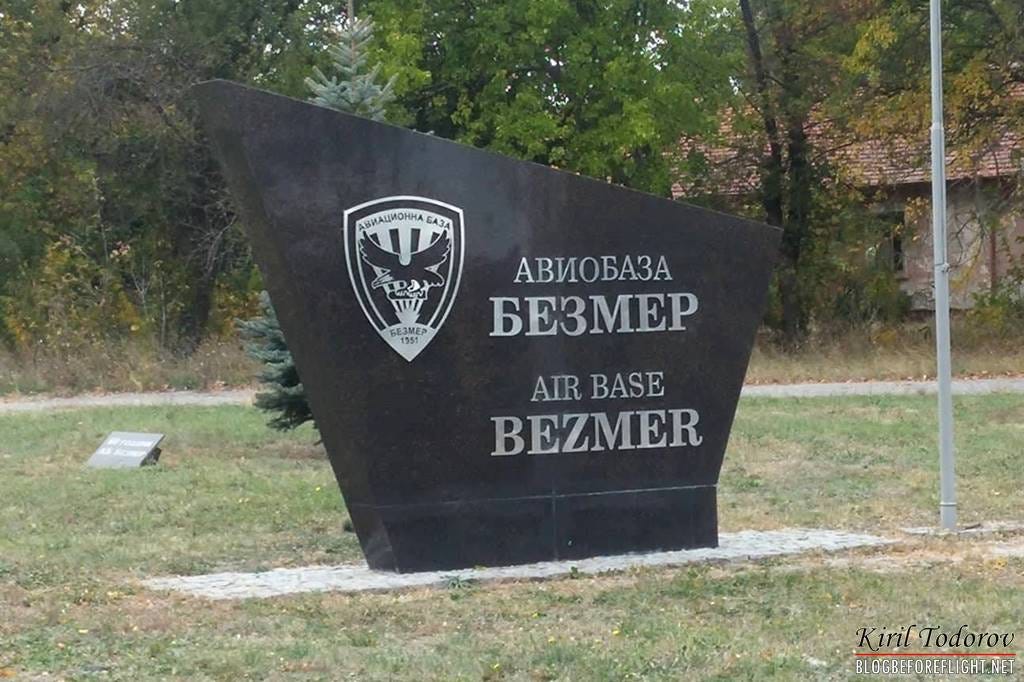
Following publication of the reports, Bulgarian authorities substantially increased security around Bezmer. Interior Minister Ivan Demerdzhiev said the government had implemented precautions designed for a level of danger considerably higher than that indicated by Bulgaria’s own security services. NATO simultaneously declared its readiness to respond to threats against allied territory.
The episode therefore raises a larger question than the fate of two American aircraft: how far is the Islamic Republic prepared to extend its confrontation with the United States into Europe?
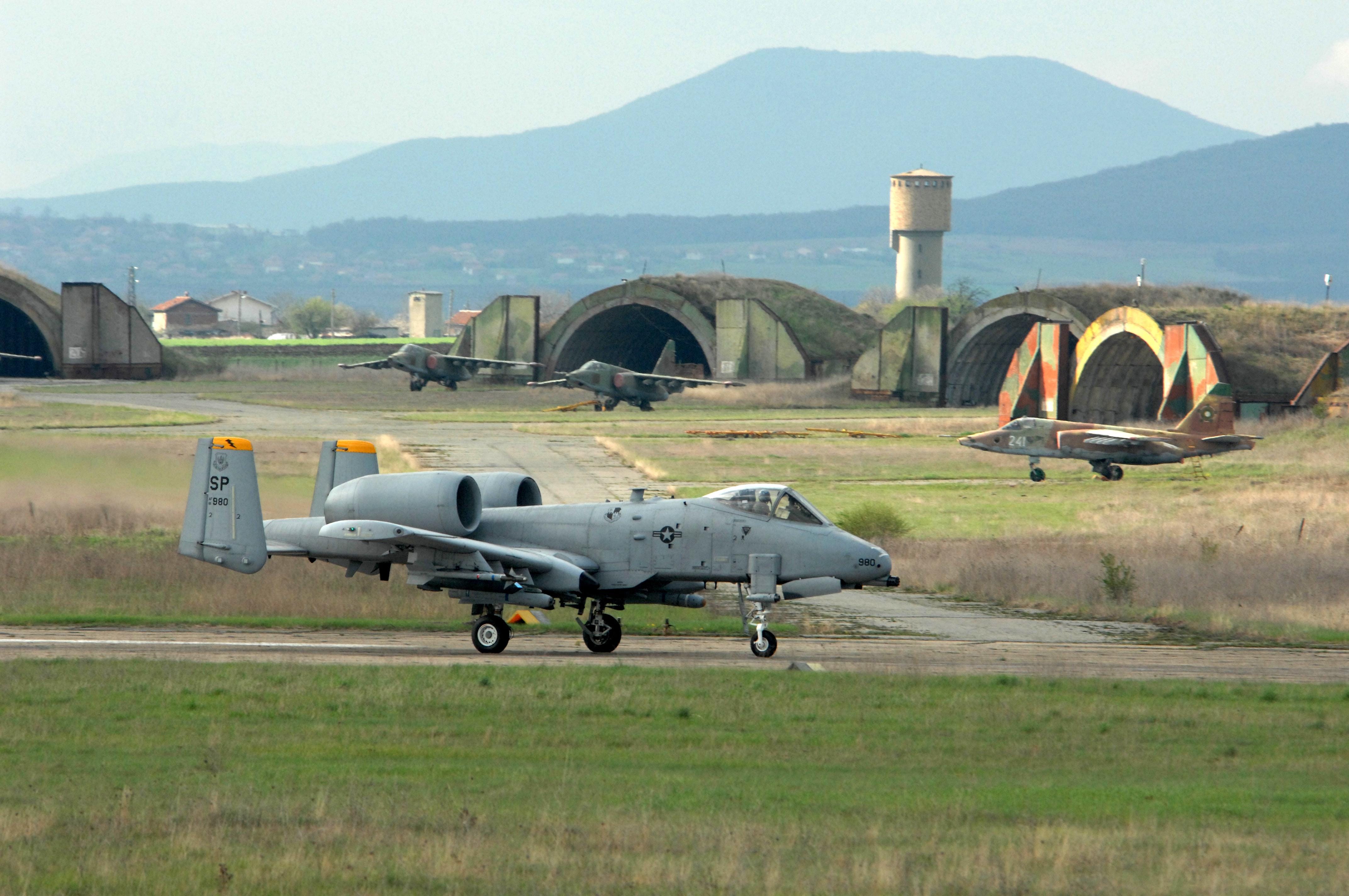
Bulgaria’s parliament approved the temporary deployment of as many as eight U.S. KC-135 Stratotankers and up to 250 American military personnel at Bezmer in July. The aircraft are capable of refueling combat aircraft in flight, extending the range and duration of fighter and bomber operations.
Sofia said the deployment was connected with training and allied operations and rejected Tehran’s accusation that Bulgaria had become complicit in military action against the Islamic Republic.
Tehran nevertheless reacted sharply.
Iranian Foreign Minister Abbas Araghchi urged Bulgaria to reconsider allowing U.S. aircraft to use Bezmer and warned his Bulgarian counterpart that countries participating in military operations against the Islamic Republic would have to accept responsibility for the consequences.
That warning acquired considerably greater significance this week.
The Financial Times, citing two sources inside the Islamic Republic, reported that Iranian military officials had assessed options for attacking American assets beyond the Middle East if President Donald Trump resumed or expanded military operations against Tehran. Bulgaria was specifically identified, as was Cyprus. The report said Tehran was considering ways of making the cost of renewed conflict felt outside the immediate Persian Gulf theater.
That moves the issue beyond rhetorical condemnation of countries hosting American forces. It suggests that military facilities on European soil are being incorporated into the Islamic Republic’s retaliatory calculations.
For Bulgaria, that distinction is critical.
Bulgaria is not simply another country hosting American aircraft. It is a member of NATO.
On August 20, Bulgarian Prime Minister Rumen Radev spoke with NATO Secretary General Mark Rutte about the reported Iranian threat. According to the Bulgarian government, Rutte reaffirmed the alliance’s readiness to use its defensive capabilities in the region to neutralize threats against NATO members.
The message was unmistakable: an attack on Bulgaria would not be treated merely as a bilateral confrontation between Sofia and Tehran. NATO reiterated that an attack against a member state would be treated as an attack against the alliance, with the consequences provided for under the North Atlantic Treaty.
Greece has also reportedly considered making a Patriot air-defense system available to help protect Bulgaria if Sofia requests assistance. Greek defense planners have simultaneously examined additional measures to protect military installations elsewhere in southeastern Europe.
These are extraordinary precautions against a government geographically separated from Bulgaria by more than a thousand miles.
But Bulgaria is not an isolated case.
Cyprus provides perhaps the clearest warning that threats against European-based military facilities cannot simply be dismissed as rhetoric.
In March, a drone struck the runway at Britain’s RAF Akrotiri base on the island of Cyprus. The attack caused limited damage and no casualties, but European officials said an Iranian-made Shahed drone had reached the base after flying at low altitude, most likely after being launched by the Iran-backed Hezbollah organization in Lebanon. Two other drones were intercepted.
Britain, France and Greece subsequently deployed additional air-defense capabilities to Cyprus.
The Akrotiri incident illustrates one of the central difficulties in assessing the Islamic Republic’s threat to Europe. Tehran does not have to launch every attack directly from Iranian territory. Its longstanding use of proxies, allied militias, intelligence operatives and criminal intermediaries provides other means of extending violence beyond Iran’s borders.
For European governments, therefore, the relevant danger is not limited to the range of an Iranian ballistic missile.
Iranian missiles have already tested NATO territory
Turkey, another NATO member, has experienced a still more direct manifestation of the expanding conflict.
On March 4, NATO air defenses destroyed an Iranian ballistic missile approaching Turkish airspace. Five days later, Turkish authorities said NATO defenses had intercepted a second Iranian ballistic missile that had entered Turkish airspace. Ankara warned that it would respond to future violations.
Those incidents matter when assessing the current debate over Bulgaria.
The possibility of the Islamic Republic threatening NATO territory is no longer entirely theoretical. Iranian weapons have already forced NATO air defenses into action.
There is another dimension that should not be lost amid discussion of missiles, drones and military bases.
European governments have been warning for years that the Islamic Republic conducts covert operations on European soil against Iranian dissidents, journalists, Jewish and Israeli targets and others regarded by Tehran as enemies.
On June 10, 2026, 24 governments, including Bulgaria, Britain, France, Germany, the Netherlands, Sweden, Italy, Spain and numerous other European states, issued an unusually direct joint condemnation of the Islamic Republic.
They accused the Islamic Revolutionary Guard Corps Intelligence Organization, the Quds Force and the Ministry of Intelligence and Security of what they described as “lethal plotting and other malign actions” in Europe, North America and Australia.
The governments also condemned a campaign of attacks across Europe aimed at Jewish communities, Iranian journalists and U.S. interests and emphasized the Islamic Republic’s longstanding relationship with international and local criminal organizations used as intermediaries.
The warning was explicit: attempts to kill, kidnap, intimidate or attack people on foreign soil constituted violations of national sovereignty, and the participating governments pledged further measures to stop them.
Britain’s experience illustrates the scale of the problem. MI5 has reported responding to more than 20 potentially lethal Iran-backed plots involving people in the United Kingdom since 2022, while British authorities say the Islamic Republic has repeatedly relied upon criminals and third-party operatives to carry out surveillance and violent operations.
The threat to Europe, in other words, did not begin with Bezmer.
What has changed is its increasingly overt military dimension.
The departure of the KC-135s also comes as senior officials of the Islamic Republic continue issuing increasingly aggressive warnings despite efforts by some members of the government to revive diplomacy.
Iranian military leaders have promised “devastating” responses to further U.S. pressure. State television has broadcast images of senior commanders touring what it described as an underground ballistic-missile production facility, while officials have insisted that Iran’s missile and weapons industries remain capable of producing larger quantities of increasingly sophisticated equipment despite months of warfare and sanctions.
At the same time, President Masoud Pezeshkian has called for an end to the war, exposing once again the tension between the Islamic Republic’s diplomatic messaging and the posture of its military-security establishment.
Washington, meanwhile, is shifting toward intensified economic pressure. Treasury Secretary Scott Bessent has promised what he described as the toughest sanctions yet imposed on the Islamic Republic, while the Trump administration has warned countries and companies against providing Tehran with economic lifelines.
The Islamic Republic has responded by portraying those measures as unlawful “economic warfare” while simultaneously threatening military retaliation and maintaining pressure on commercial traffic through the Strait of Hormuz.
Europe can no longer regard the Islamic Republic as a distant security problem
The Bulgarian episode should therefore not be viewed in isolation.
A British military installation in Cyprus has already been struck by an Iran-linked drone. Iranian ballistic missiles have entered the defensive calculations of NATO over Turkey. European intelligence services say Iranian state agencies have organized or supported lethal plots inside their countries. Twenty-four governments have publicly accused Tehran’s security apparatus of threatening people on their soil. And now Iranian officials are reported to have examined American military installations in Bulgaria and Cyprus as potential targets in a renewed conflict.
The distinction between the Middle Eastern and European theaters is becoming increasingly difficult to maintain.
For decades, European policy toward the Islamic Republic often treated Tehran primarily as a problem of nuclear diplomacy, sanctions, regional instability and human rights inside Iran. The evidence accumulated across Europe now points to something broader: a regime willing to project coercion beyond its borders through missiles, drones, intelligence services, proxies and criminal networks.
Bulgaria says it faces no immediate direct threat, and that qualification matters. There is no evidence at present that an Iranian strike on Bezmer is imminent, nor is there evidence that the two U.S. tankers left Bulgaria because Sofia capitulated to Tehran’s warning.
But the measures taken by Bulgaria, Greece and NATO demonstrate that the possibility itself can no longer be dismissed.
The significance of Bezmer is therefore larger than two departing aircraft.
The Islamic Republic has spent years attempting to make its opponents abroad understand that geographic distance does not necessarily provide immunity from its reach.
Increasingly, Europe appears to be taking that message seriously.

Comments
Nothing yet. Say the first thing.
Sign in to join the conversation.