
When I was first starting out in the entrepreneurial ecosystem in the early and mid-2010s, I constantly received advice on building my brand. I heard that my personal brand and my company’s brand were the most important things on which to focus when first starting out. These marketing professionals attempted to convince everyone in the room that branding was more important than building or problem-solving. It was the ultimate case of style over substance.
This was the era of fast growth regardless of profitability. It was the age of “Silicon (fill in the blank),” where so many entrepreneurial ecosystems were trying to pattern themselves after Silicon Valley. The era of “CEO-as-celebrity” captivated an entire generation of builders, most of them on the younger end of the scale, who saw people just a few years their senior jumping from one fast-growth startup to another. An entrepreneur’s brand was tied to how many startups he or she had worked – the more, the better. It was quantity over quality.
Thankfully, much of this attitude has washed out of the ecosystem. About a year or two before the pandemic, I noticed a shift in the local startup community where people seemed less likely to attend events like Startup Weekend because they were already building something. These creatives and entrepreneurs were finding actual problems to solve and building solutions, rather than looking at an exit and another banner to hang from the personal brand flagpole. While I would have loved to have them attend Startup Weekend, the fact that people were actually solving problems was a bigger win in the long-term.
The pandemic and the shift in priorities among a new generation of builders has washed most of the personal brand grifters out of the ecosystem. I believe that this is allowing a kind of creative rebirth in the startup community – one that relies less on branding and more on sustained growth through problem-solving. The ideas that people are bringing to the EntrePartners Innovation Center are significantly less focused on a quick exit – these are businesses that are in it for the long term. High-growth, venture-fundable startups in our center are leaning more into substance than they may have a decade ago when meeting with investors from the coast. This is a welcome change and shows that the more thoughtful path local investors took was wise.
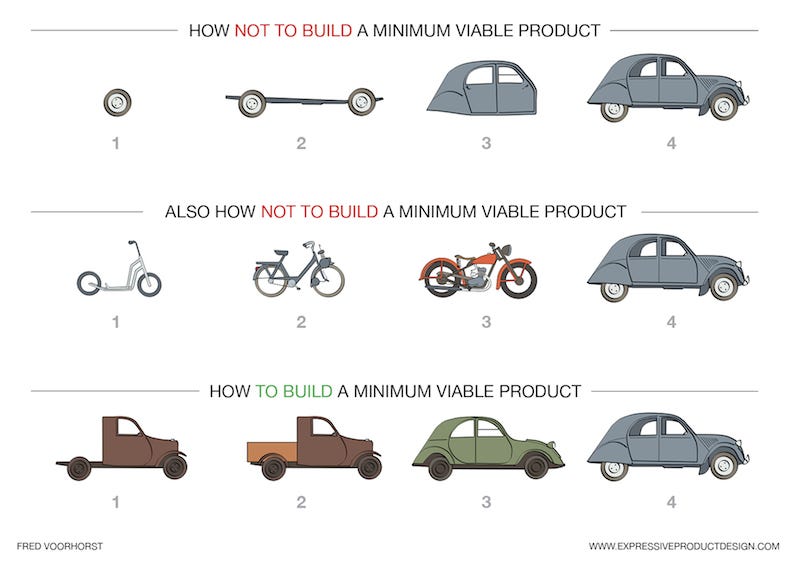
One point that I try to stress with new entrepreneurs is that the branding of your company should take a back seat to your actual product. If your solution satisfies customers enough, you should be able to sell it to them in a plain cardboard box. This is the basis for the Minimum Viable Product – the least amount of features and style necessary to adequately solve a problem for the customer. You can add those things later (and potentially charge more for them) in the future. In fact, your customers may stick around longer if you release something that adequately solves the problem but you have a long-term roadmap to add features for power users. If they’re satisfied at the blank cardboard box stage, they will stick around to see the version in a fancier box with a big red bow on top.
It also doesn’t matter what you originally name your company – with a few exceptions. Your company’s name does not have to match your product line. Your company should obtain trademark protection for intellectual property like brand names. XYZ, LLC can own trademarks for products BigRedBox and TinyBlueBox without forming subsidiaries. It’s just a good idea to make sure your brand names are registered in the appropriate jurisdictions prior to launch. If you plan to launch your product in multiple countries or regions, like the United States, Canada, and the European Union, make sure you have filed the correct paperwork everywhere to avoid issues down the line.
My first Startup Weekend win was part of a team launching a product called “Sexy Life.” While this was a fun, lighthearted joke based on an activity during the event, we soon found out that the product name was being blocked by some workplace Internet content filters. Before we launched the product for sale, we decided to pick a new name for both the company and the product. We settled on BondingBox – a name with its own issues, but something that did not trigger workplace filters. While your customers may appreciate somewhat inappropriate language in your company or product name, just remember that not all Internet connections may understand the joke.
The businesses that need to worry about “personal brand” are those that deal with your personal image: freelancers and service-based businesses. I’ve seen many product-based businesses that lean heavily into an individual’s likeness, and it always worries me about the stability of the business long-term. Unless you’re Colonel Sanders, customers are not going to care about you as your brand. They want a solution to a problem, and putting your face on the business could actually drive some customers away.
Trends come and go in the entrepreneurial ecosystem. Your first priority as a founder is to build something that solves a problem for a defined group of people and to get that solution out in front of those people as quickly and as often as possible. Worrying about your “personal brand” is just a distraction.
No posts
Comments
Nothing yet. Say the first thing.
Sign in to join the conversation.