
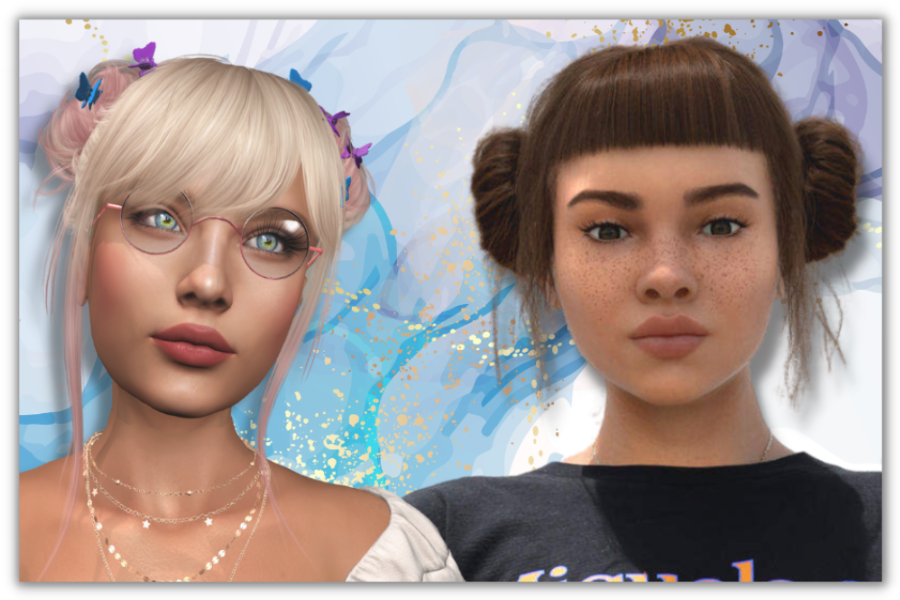
The term “Virtual Influencers” covers a lot of territory but refers to fictional, computer-generated humans with the basic characteristics, features, and personalities of real people. Also known as CGIs they have gone from being a kind of interesting phenomenon to BIG business for those who specialize in creating and representing them.
Yes, virtual influencers have agents and agencies that brand, market, and sell their products. There is even a business model that allows flesh and blood humans, such as ourselves, to invest in (meaning buy shares of) a Virtual Influencer using NFTs (non-fungible tokens). If this strikes you as a bit strange, you’re not alone. But that’s a story for another post.
The image above shows my avatar, Jenaia, on the left and one of the most popular virtual influencers, Miquela Sousa, on the right. Although both images are computer-generated, Jenaia lives solely in the virtual world of Second Life. And, while it’s possible to take photos, create videos, and record audio of her speaking (using my voice of course), her life is always set against the backdrop of Second Life and is always driven by me - a flesh and blood human being.
It’s important to pause here and note that Virtual Influencers are puppeted (driven by) AI algorithms designed to mimic actual human behavior and to evoke specific responses from their followers.
Miquela, and many other Virtual Influencers on the other hand, are specifically designed to not only look VERY lifelike but interact with and function in the physical world as if they were flesh and blood people. Their lives are set against real-world backdrops and they are often depicted hanging out with actual human beings. They appear on TV and radio, model in fashion shows, record and sell music, and create “sponsored” posts for social media platforms. In other words, they generate engagement, drive sales, and increase the value of their creators’ brands. Miquela’s photos and videos of unboxings and product reviews, for example, have been viewed over 10 million times on TikTok alone, as well as on Instagram.
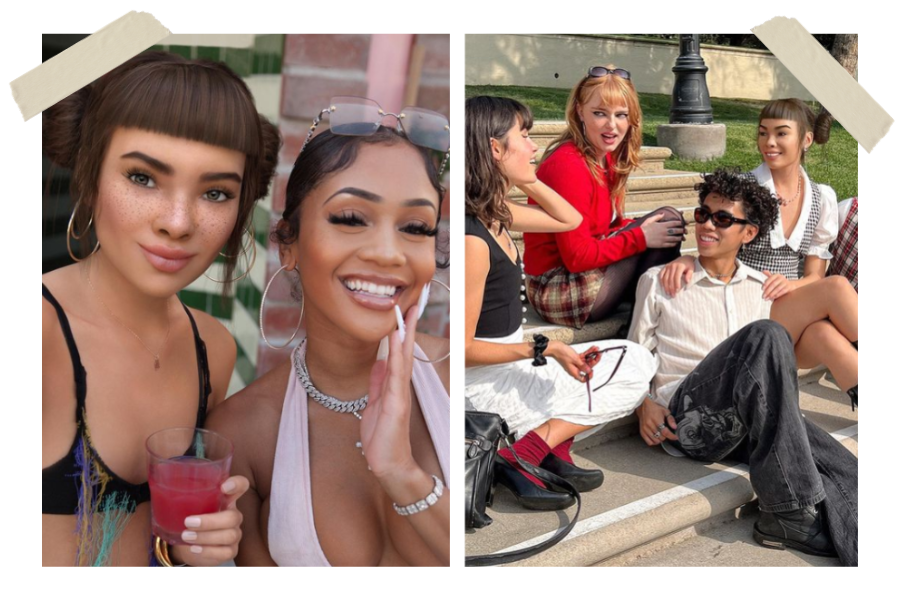
Virtual Influencers typically have detailed backstories and constantly evolving, regularly updated lives that are reminiscent of soap operas. These stories are designed to keep their fans (many have large fan bases) engaged and eager to buy their merchandise. Miquela, for example, is a 19-year-old Brazilian-American model, music artist, and influencer with over three million Instagram followers. She was created by Brud, an L.A.-based start-up that describes itself as engineers, storytellers, and dreamers who specialize in artificial intelligence and robotics. Check Miquela’s profile out on Instagram: https://www.instagram.com/lilmiquela/
The question of course, is how and why these influencers are being created and used. The video below takes a deep dive into how one agency, that specializes in the creation of Virtual Influencers, goes about creating a Virtual Influencer.
As this video makes abundantly clear, Virtual Influencers are created using time-tested marketing techniques that focus on demographics and user personas to build and market brands. In other words, they are created as money-making tools.
Characters Versus Influencers
The use of characters to build brands and sell merchandise is nothing new. Think Disney, Marvel, and Pixar all of whom make a fortune on merchandise based on the characters in their movies. So why are Virtual Influencers different? What is it about how real they look and how genuine their stories feel that is so appealing to fans?
As a storyteller, the problem for me is that the line between real and programmed becomes blurred. Using AI algorithms to mimic human behavior to elicit particular responses feels manipulative. I don’t like the idea of corporate marketers sitting in their offices dreaming up stories that will get me to feel and/or buy something. If Miquela and others like her were to engage with me just to create an experience without profit entering into it, I’d be less put off.
So what do you think?
Are Virtual Influencers appealing or interesting to you? If so, why? Do you have a favorite?
If the AI aspect of Virtual Influencers bothers you, would you feel better about a Virtual Influencer who was piloted by a real human in real-time?
Stay tuned for my next post in which I explore some of the different kinds of Virtual Influencers and how they market themselves and their products. I’m also hoping to talk to an AI expert who can help me better understand how these algorithms are built and function.
Copyright 2022 by Jena Ball. All Rights Reserved.
No posts
Comments
Nothing yet. Say the first thing.
Sign in to join the conversation.