
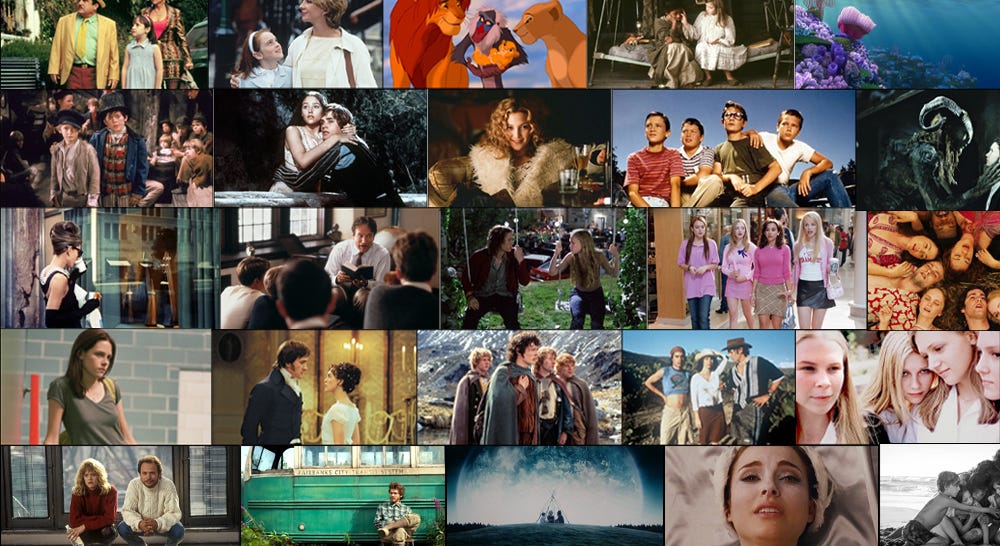
If I measure my life in art, which to some extent I always have, I find a reflection of who I am in good and bad. I turned 30 this year, and while through ingrained fears of being past my best I was determined to treat it as any other birthday… it still felt momentous. I spent half of the day crying (the overwhelming pouring of love from the people in my life was something I hadn’t fully expected), the other half thinking about how, if at all, I could measure my life in art. I think it may be time, for the first time, to do it properly.
So for better or worse, here are thirty films that have shaped the last thirty years of my life. May my finding a reflection through them mirror some parts of your life too.
Note: these are in rough chronological order of when they entered my life, not in order of favourites.
Note 2: This is obviously too long for email so do come over to substack to see the whole thing.
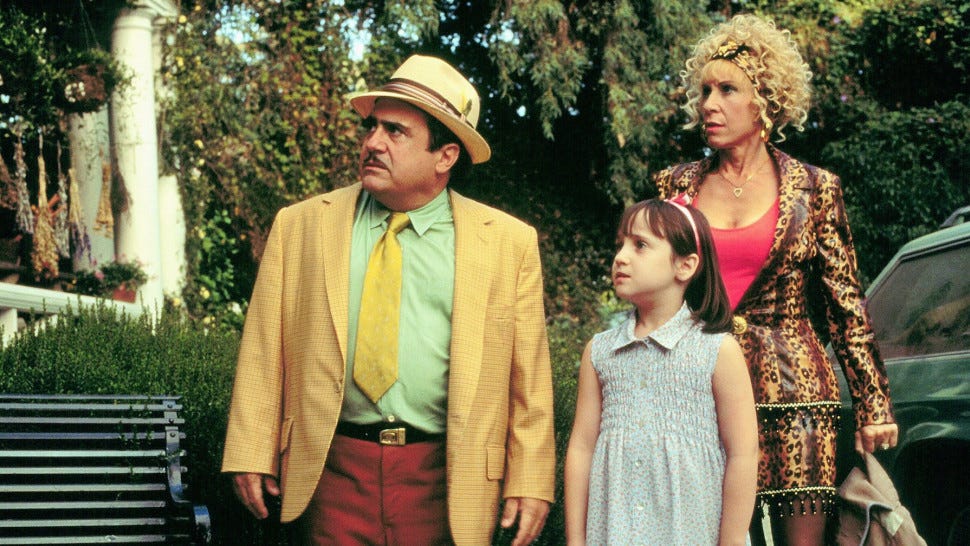
“The books gave Matilda a comforting message: you are not alone.”
My parents couldn’t possibly count how many times I watched this as a child. I would anxiously wait to be able to sit in front of the TV at any given point in the day, play it, take the VHS tape out, rewind it by hand, and play it again. Over and over. And by sit in front of the TV, I mean the way a child does - literally as close as I could get to the screen. I adored this film. Something about a little girl who loves to read and who wants nothing but love and care through the hardened facade of independence, paired with the satisfying visuals of cake eating, flying ribbons and pancake dancing to Send Me on My Way by Rusted Root. To this day, whenever I get a chocolate that resembles one of Miss Trunchbull’s gold-wrapped chocolates, for a second I step back into childhood and feel so lucky I get to be the version of Matilda that eats them.
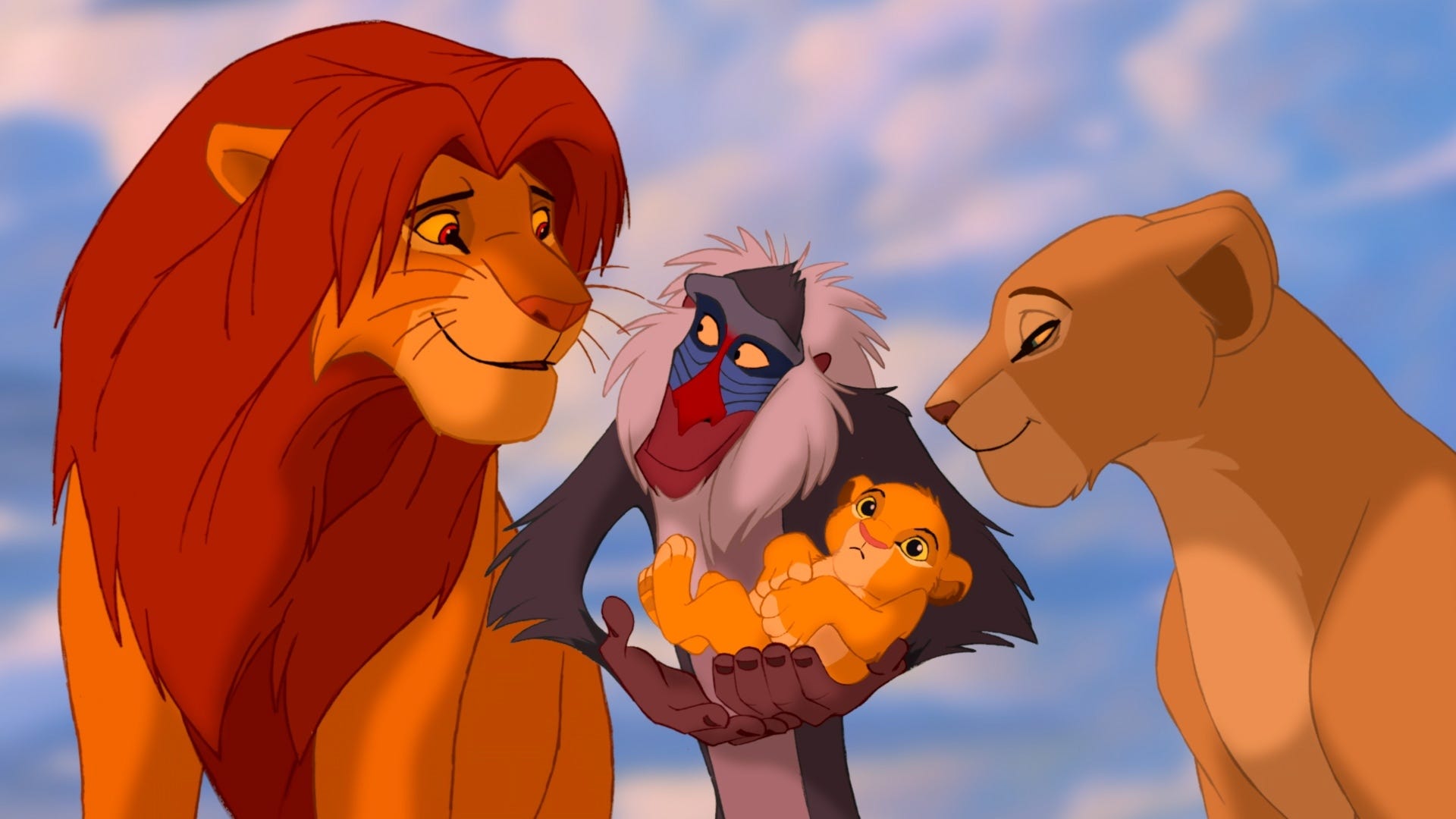
“As king, you need to understand that balance and respect all the creatures, from the crawling ant to the leaping antelope.”
How lucky to have been able to grow up with a film as wonderful as The Lion King. It barely requires me to explain what this film means to me, because I’m sure it’s the same for most people of my generation, but it taught me about bravery in ways I don’t think I understood then. It was also the first time I ever cried with a film, which has become a fixture of my way of understanding art (a fancy way of saying I cry too much at films and books and music).
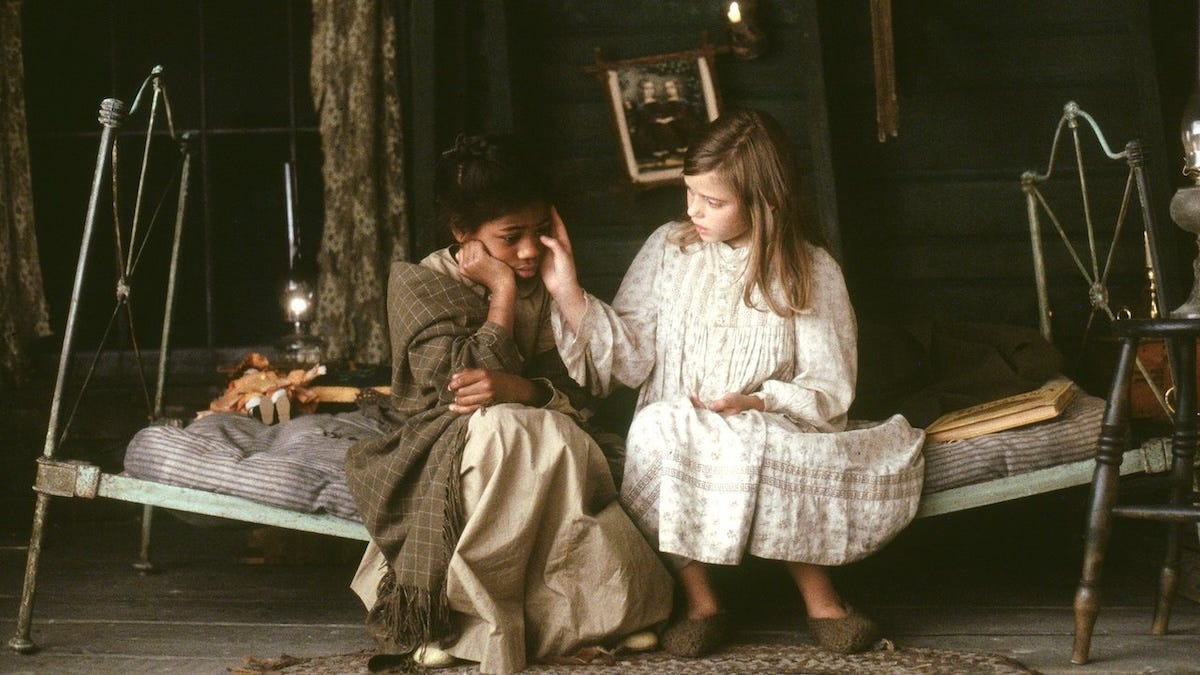
“What are you doing? Memorizing me by heart?”
”No, I already know you by heart.”
A film I know I will play for my children without fail. This film is magic in a bottle. It taught me about storytelling and its place in the world, no matter the circumstances; it taught me about when a father-daughter relationship is healthy and when it’s not, and which pieces of paternal relationships to cherish. But most of all, it taught me about kindness and female friendships, and that’s something I’ve carried with me since. To get so much from a film I first watched at six years old is a lot, and I will always be more than a little bit emotional when I think or talk about A Little Princess.
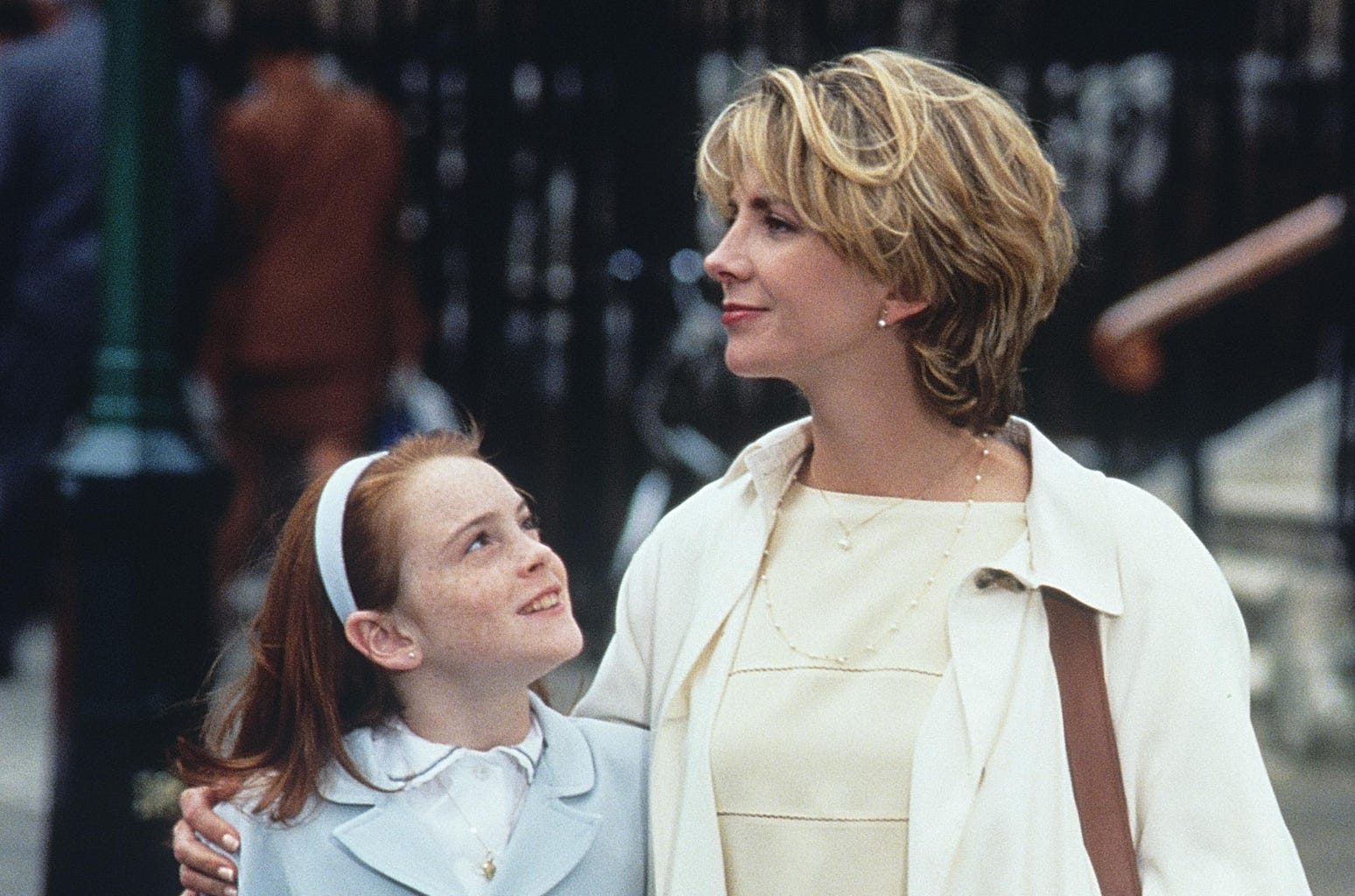
“So if your Mom is my Mom and my Dad is your Dad... and we’re both born on October 11th, then you and I are... like... sisters.”
“Sisters? Hallie, we’re like twins!”
When I graduated from watching Matilda an average of ten times a day, I turned to The Parent Trap. Same old - I would wait anxiously until it was time to sit in front of the TV, put the VHS on, finish it, rewind it by hand, put it back on, watch again. Over and over. The sisterly rivalry that made me feel vindicated to sometimes-hate my sister with the undertones of the deep love they have for each other, my first ever adoring glimpses at the city that would become my home almost 20 years later (London), and an obsession with Here Comes the Sun by The Beatles from the ripe age of seven. Easily one of my most referenced films.
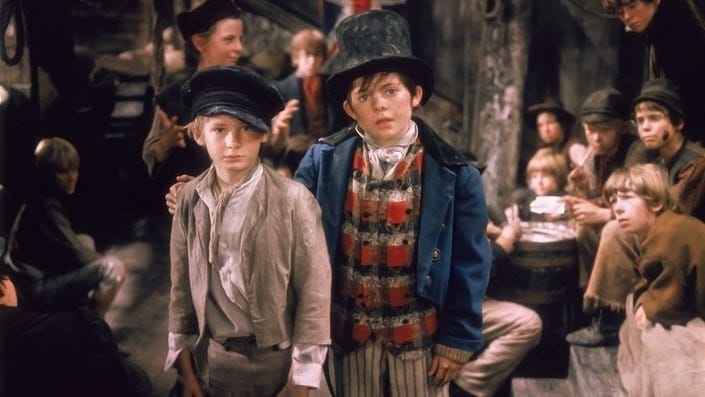
“Just to find some peace of mind
We have to pick a pocket or two”
Who could forget their first musical? One of two films my dad forced us to watch when we were young that ended up growing on us. Somehow the 1968 aesthetic in film was not something that drew three 90’s children in (shocker!), but I look back at Oliver! with a lot of love and gratefulness, because it really is a gem of a little film.
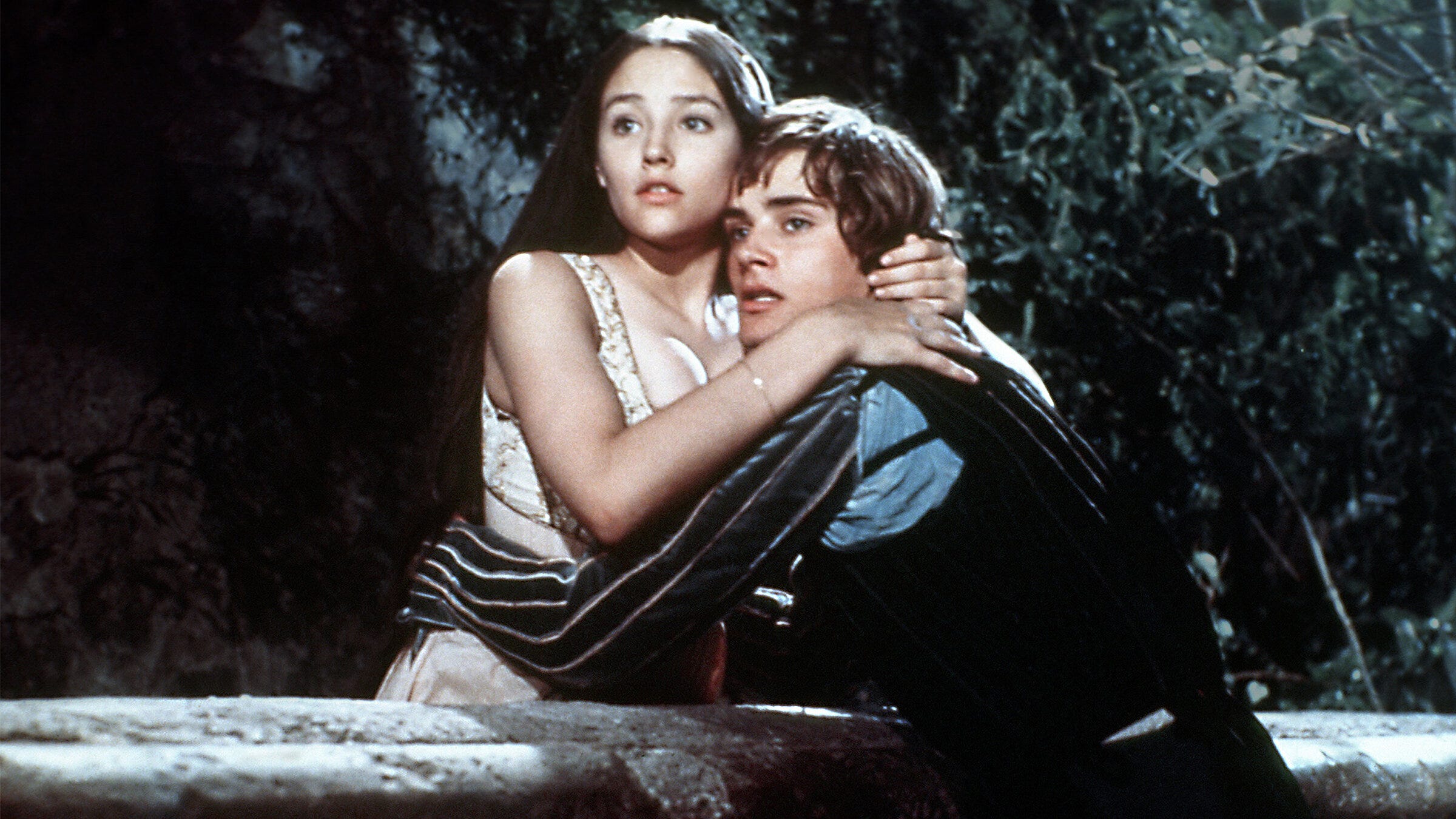
“Where be these enemies? Capulet! Montague! See, what a scourge is laid upon your hate, That heaven finds means to kill your joys with love! And I, for winking at your discords too, Have lost a brace of kinsmen. All are punished.”
The second of my father’s film education. This one, although arguably showing a bit less horrible realities than Oliver!, I truly saw as a horror film. Everything about it felt like a warning, and I suppose that is a pretty good first introduction to Shakespeare (excluding The Lion King, of course). To this day I also do still listen to the absolute stunning song that is Nino Rota’s What is a Youth, the musical theme for the film. Also, fun fact, its first notes were sampled to create the whistle in The Hunger Games.
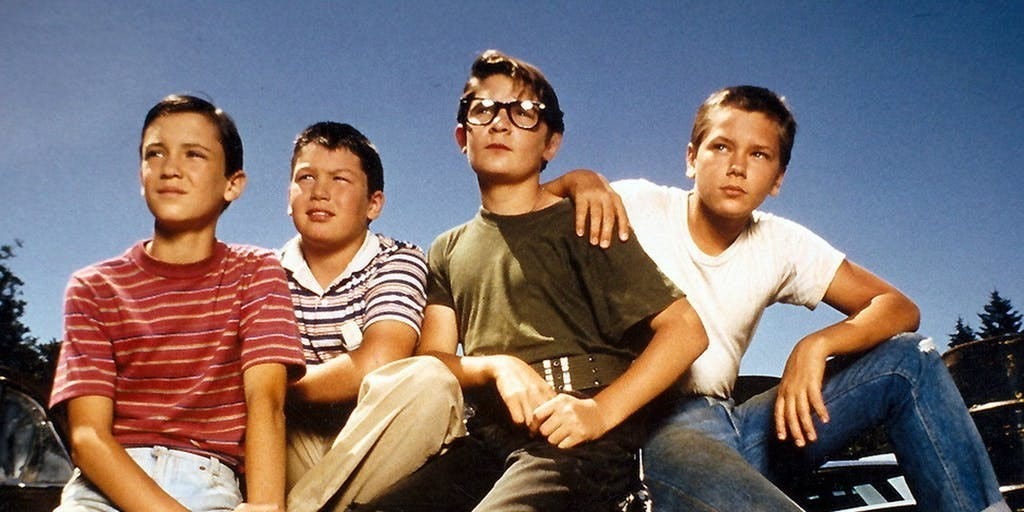
“I never had friends again like the ones I had when I was twelve years old. Jesus, does anyone?”
So many shots of this film are forever ingrained in my brain. I still see a train track and think of four boys on their way to see a dead body. There is something mythical about Stand by Me, it’s a beautiful film and I’m certain a lot of my friendship standards come from Chris and Gordie’s.
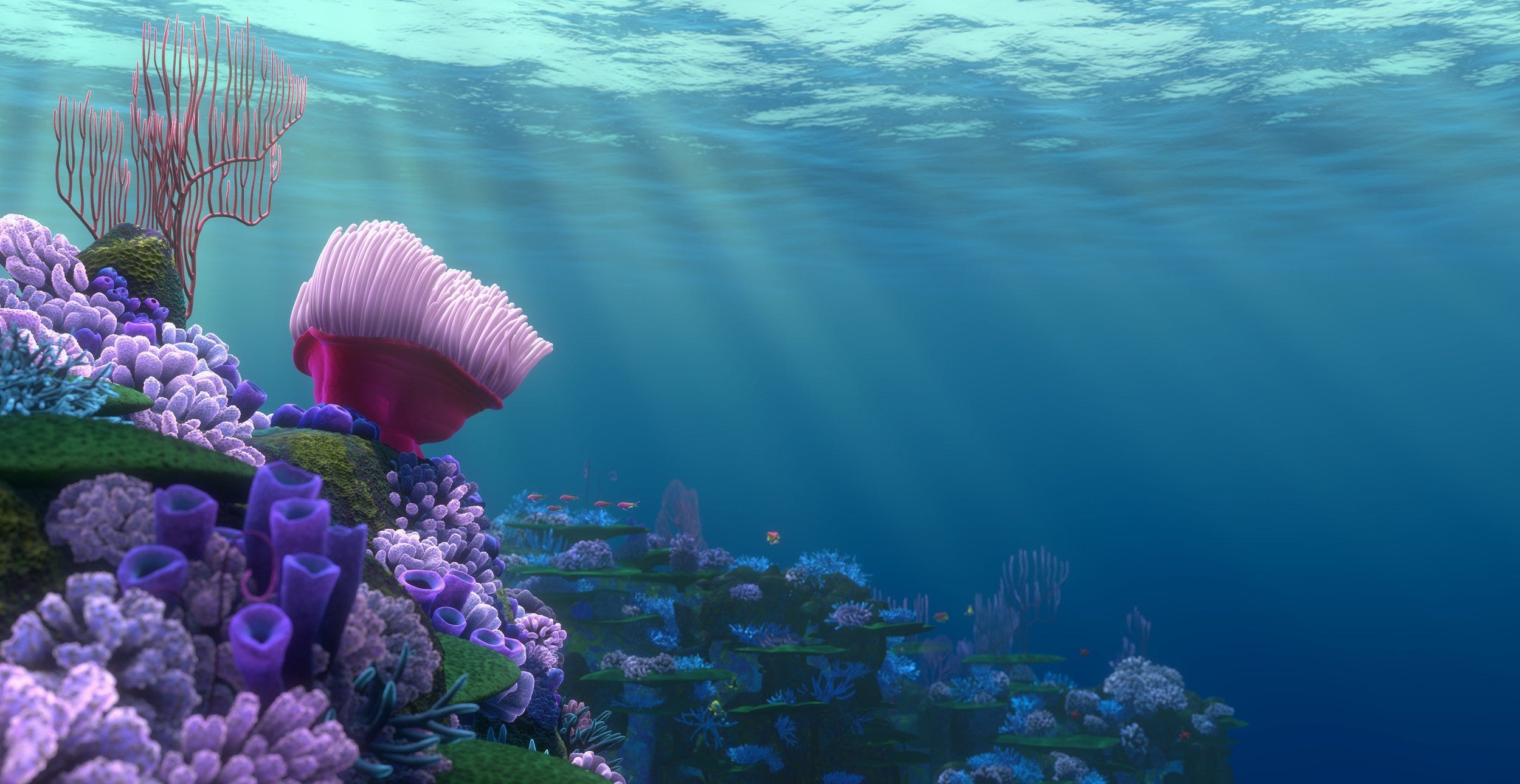
“He touched the butt!”
A little fish navigating the big wide world and learning to love the things that make him different? With a loving father that would go to the ends of the earth for him and who also learns how to be a little lighter through friendship? How can you not be shaped by Finding Nemo? I loved so much about this film, and if you grew up in Latin America you know its dubbing is one of the best ever. I still recite lines from this to myself.
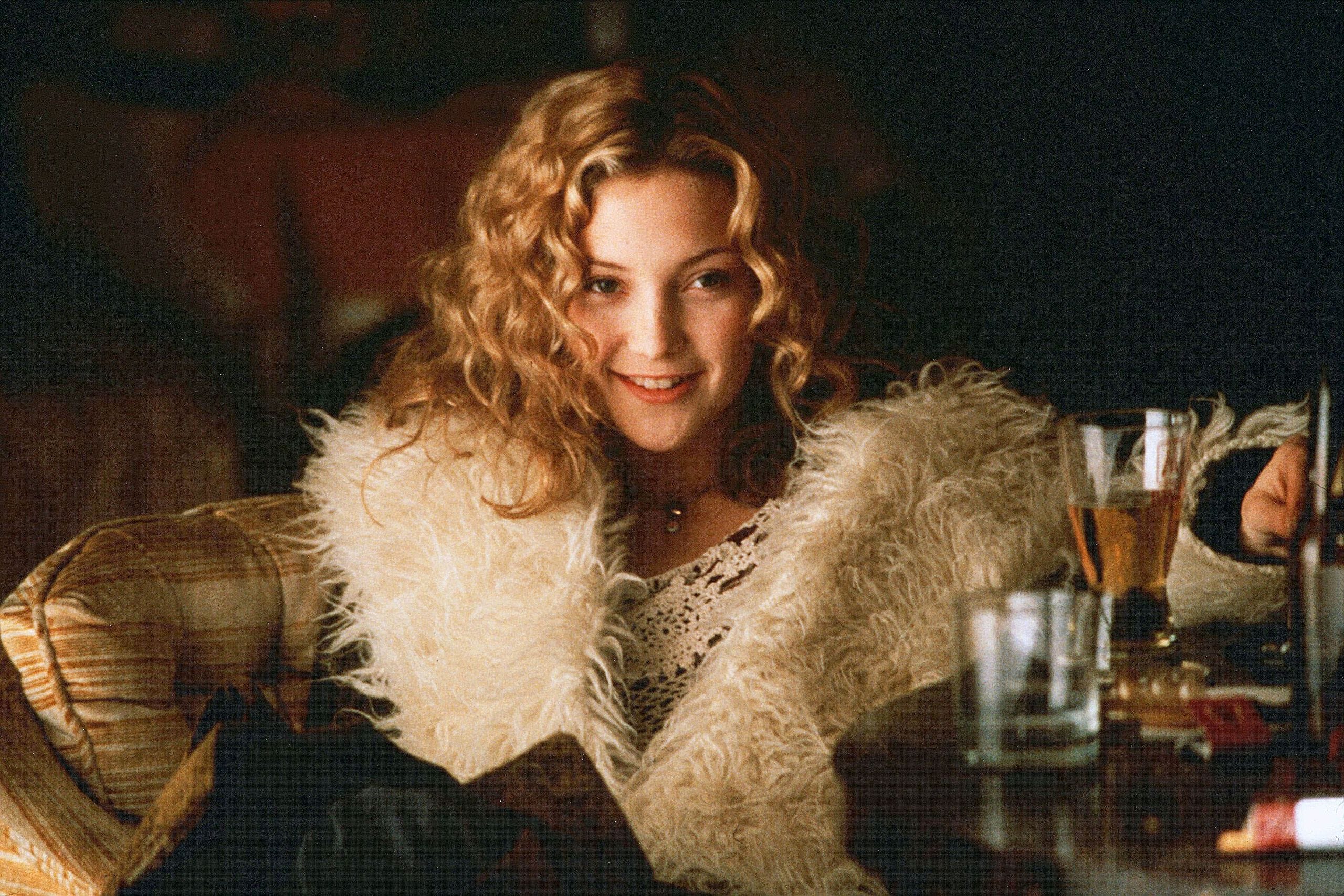
“One day, you’ll be cool. Look under your bed. It will set you free.”
Discovering Penny Lane in my teen years is what defined cool for me. In fact, this film is probably why I started loving music as much as I did (and do). I wanted to live in this film. It also shaped a lot of what I believe makes a good film, which is probably something I should unpack a little bit more! Also, Penny Lane is still a main style inspiration for me.
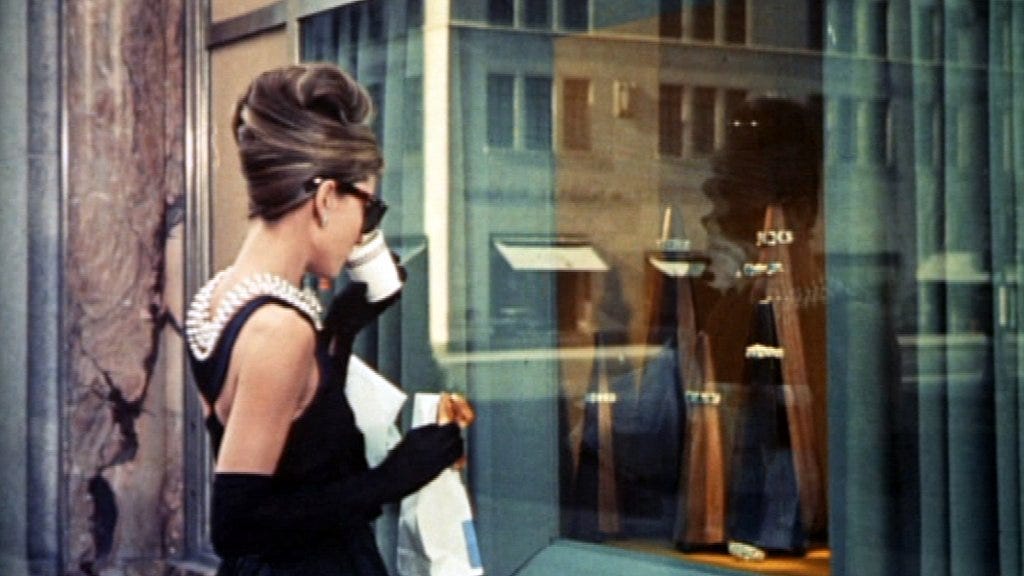
“I’m like cat here, a no-name slob. We belong to nobody and nobody belongs to us. We don’t even belong to each other.”
Was a girl ever really a girl if she didn’t dream of singing on fire escapes and owning a cat called Cat? I loved Holly Golightly, I loved how difficult she was and how unbothered and how put-together cool she was. I understand that the vision of womanhood that would tell us Audrey Hepburn is a messy, unkempt woman is extremely fuelled by patriarchy, but I still believe this was one of the films that taught me women were allowed to be messy and still be adored (by cats and others).
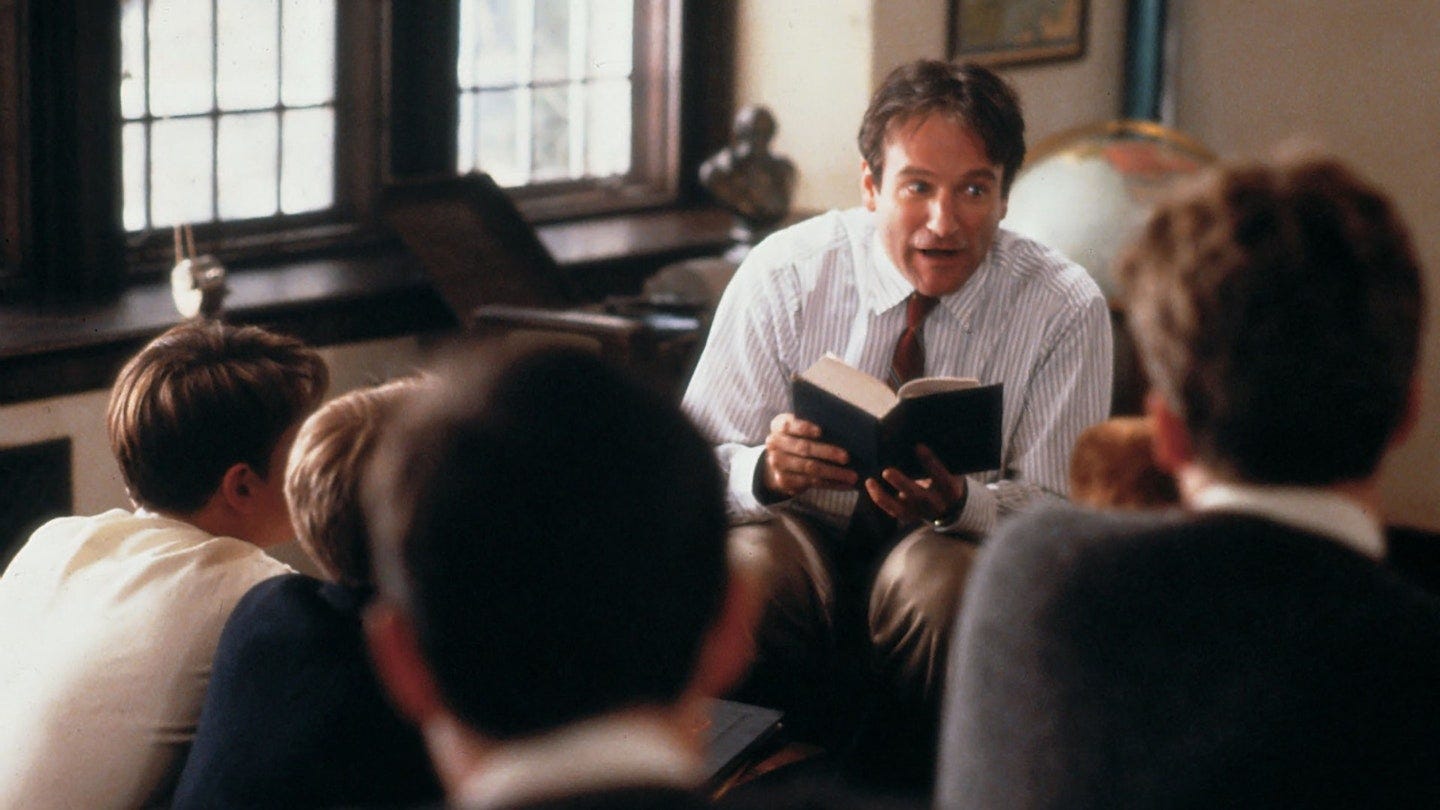
“We don’t read and write poetry because it’s cute. We read and write poetry because we are members of the human race. And the human race is filled with passion.”
If this film caught you at the right time in your teen years, and I sincerely hope it did, it felt like John Keating was also teaching you about life. Granted, watching it back now his lessons feel a bit obvious, maybe even a bit trite, but that doesn’t make them any less important. I wasn’t a young boy, but I think this does capture the messiness and magic of young men’s relationships in a way that’s, even if heartbreaking, also a little hopeful. And, stay with me here, this was also a big style inspiration for my adolescence.

“But mostly I hate the way I don’t hate you. Not even close, not even a little bit, not even at all.”
One of the best Shakespeare adaptations of all time and I will not hear otherwise. Kat is like a modern day Holly Golightly in some ways (perhaps a bit more realistic, for the ‘90s anyway). She’s cool and loves rock and refuses to give men the time of day because her interests are much too important for that, I was obviously obsessed. And I dare you to find a teenage girl who was not enamoured by Heath Ledger as Pat - that scene of him playing with the flame in class… sighs of teens could be heard across the globe. And the sisterly dynamics? Just a perfect film.
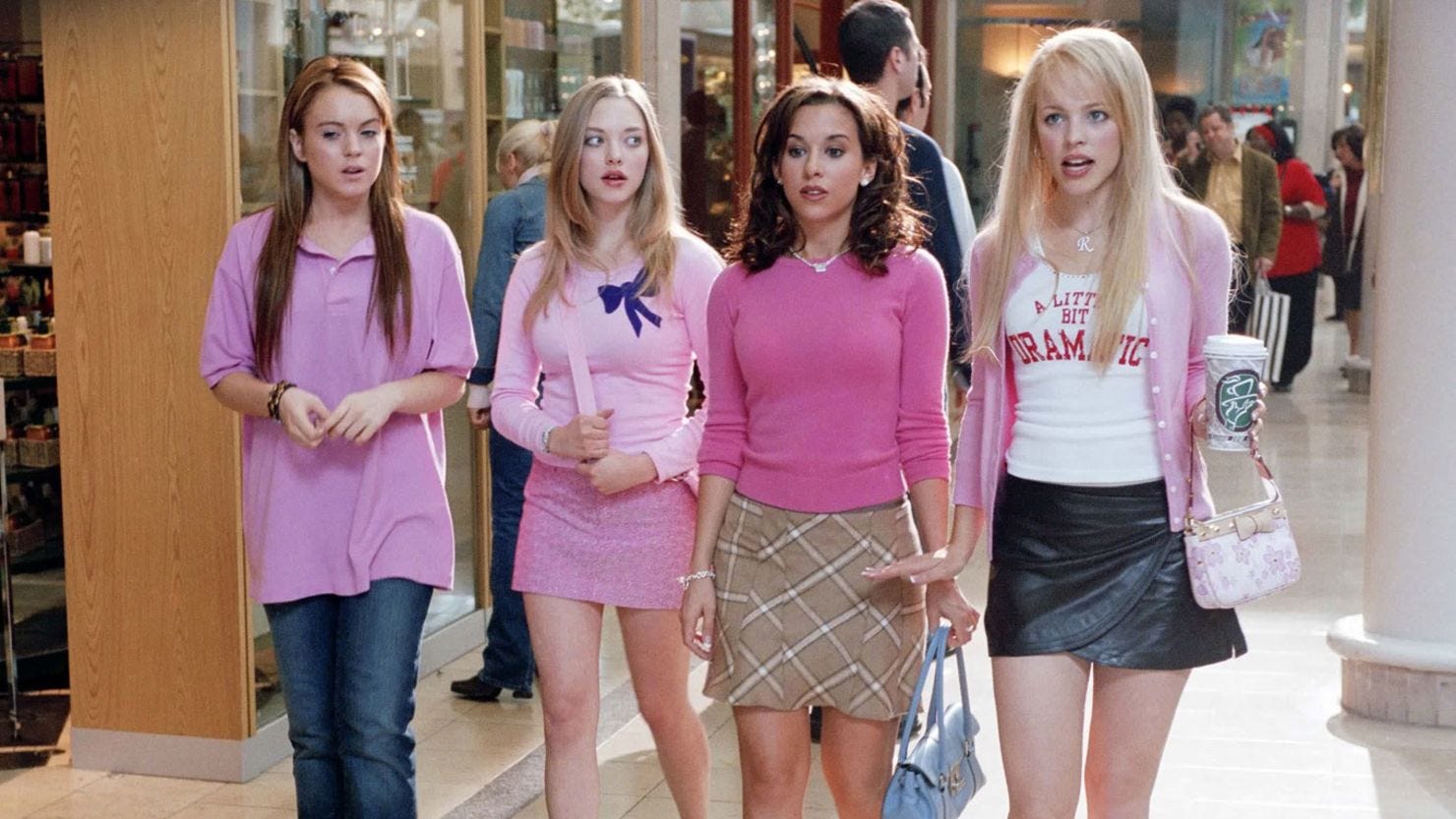
“That’s why her hair is so big, it’s full of secrets!”
I don’t even think I need to say much, do I? One of the only films in our lifetimes that has not only spanned generations, but become an intrinsic part of the vernacular. It’s highly quotable, it’s iconic and no matter how much they try to recreate its magic, it’s fully spent in that one hour and thirty eight minute run time. It’s Mean Girls, of course it’s in this list.
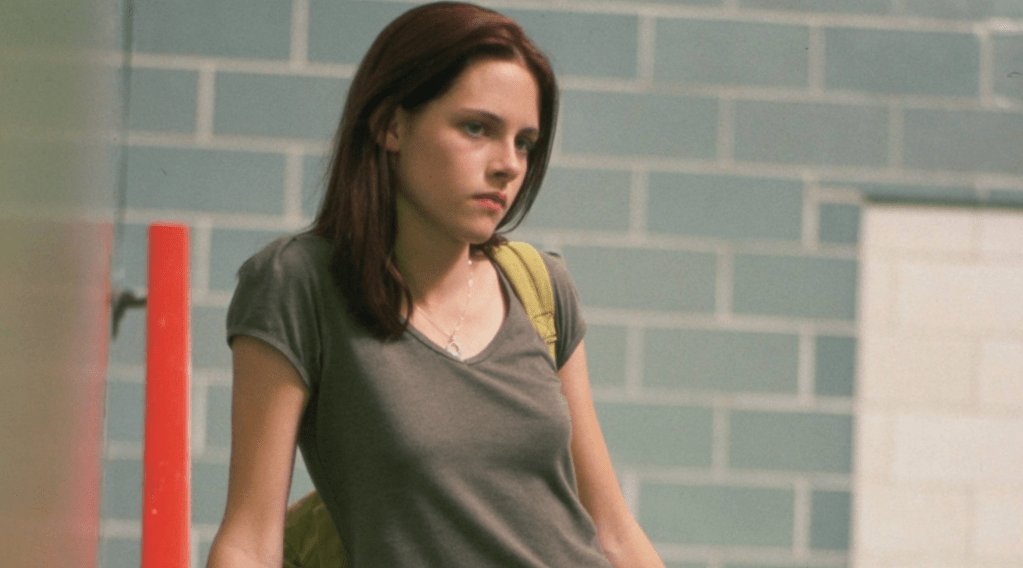
“I wonder how long it would take for anyone to notice if I just stopped talking.”
It’s hard to actually explain what this film shifted in me. I was experiencing and coming to terms with a lot of things in my own life when I watched this, and I felt deeply moved and stunted and freed by it. There is one scene near the end that never fails to bring me to tears.
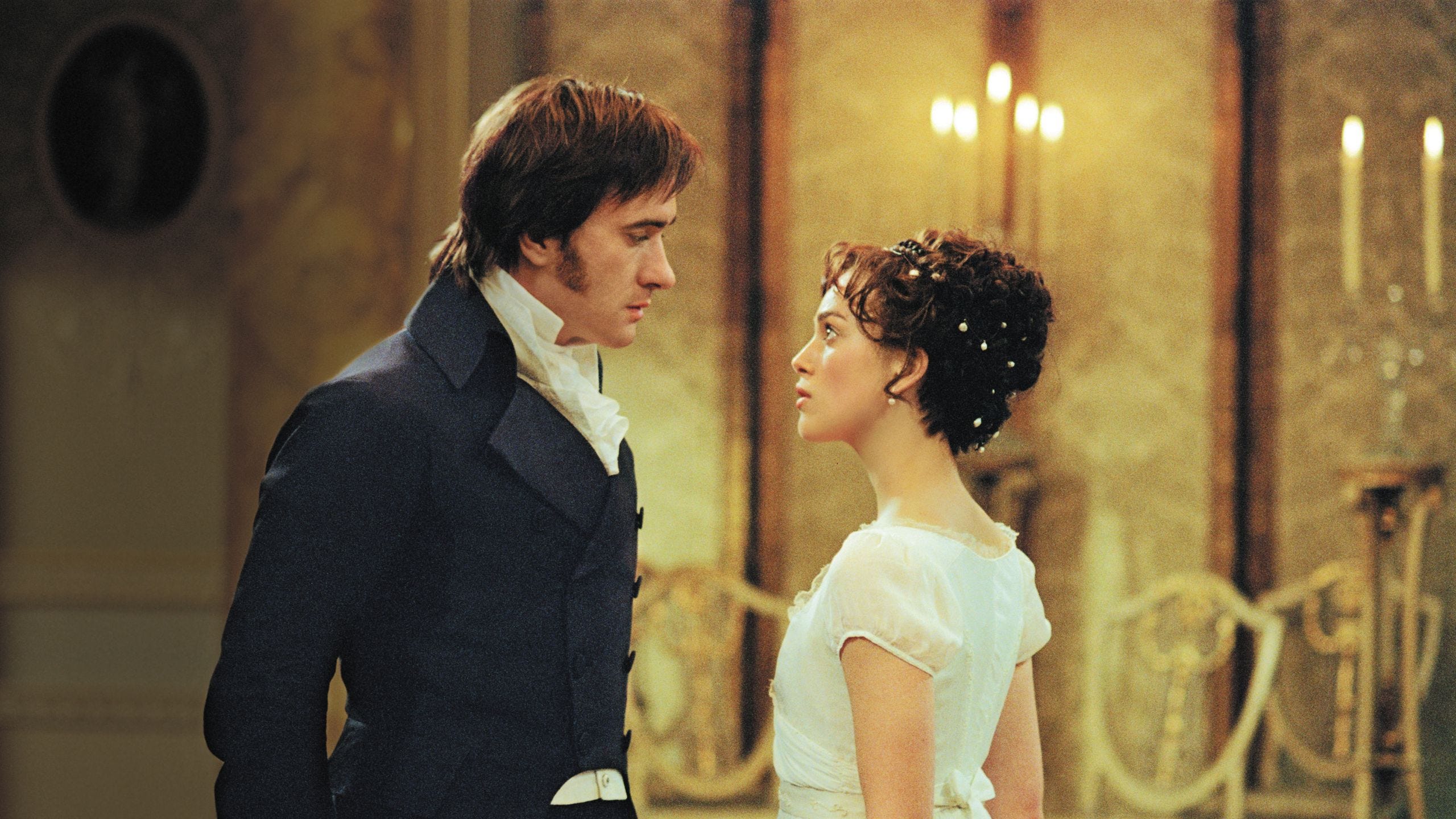
“You have bewitched me body and soul and I love - I love you.”
To this day I believe Mr. Darcy to be one of the best romantic leads of all time, and there’s a lot of competition. But this film was so much more to me than Mr. Darcy (I know, hard to believe), it’s about family love and sisterhood and learning to be yourself - which comes from a source material that is a centuries-old girl bible for a reason. I must also say I prefer the costume in this adaptation than the BBC one, I know it’s less period accurate but it looks so much nicer on film. Pride & Prejudice, almost on the same level as Mean Girls, was also true moment of bonding for my female friendships.
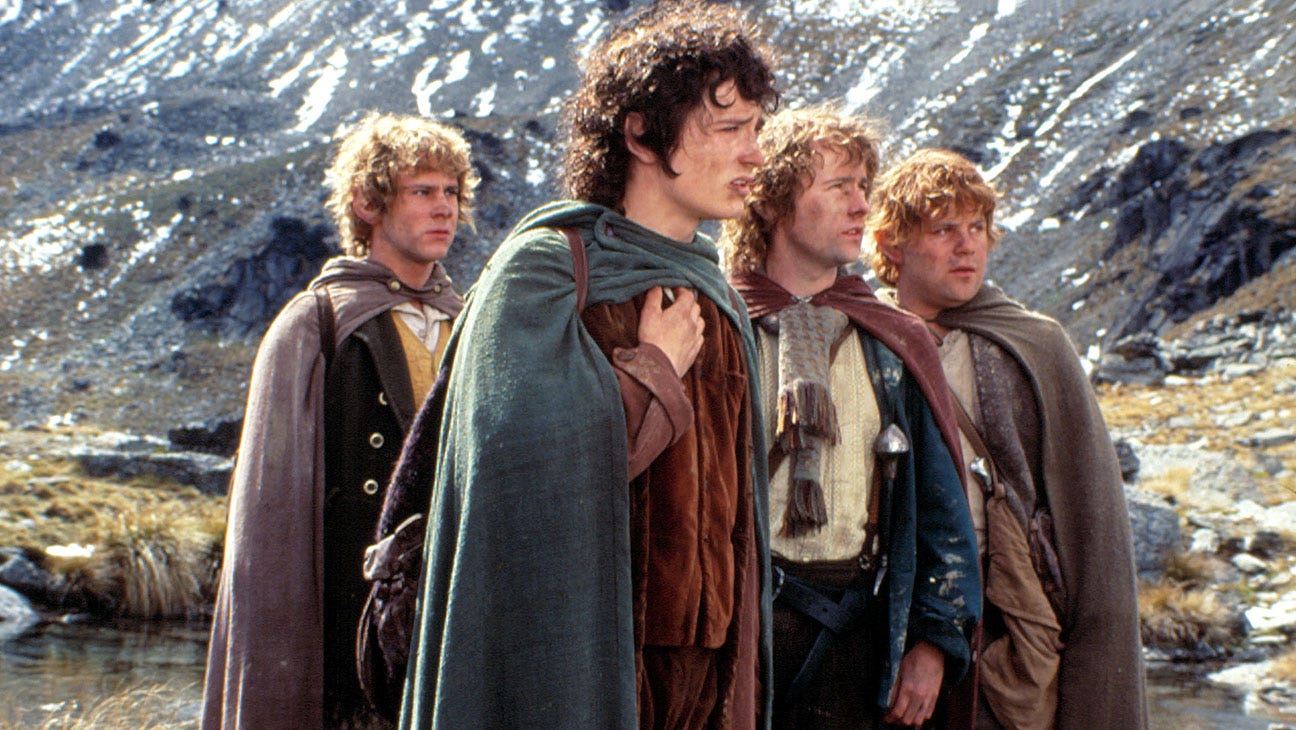
“If I take one more step it will be the farthest away from home I have ever been.”
Kind of cheating by putting a trilogy in here but a formative film list would never feel complete without this story. Some of my fondest memories is sitting with my siblings, chili popcorn and sweets in hand, watching all three extended editions (I can’t remember the last time I watched the non-extended versions). Lord of the Rings taught me about adventure and heroes, it revived my imagination time and time again, even as it wavered. These films felt like an event, and it saddens me that it’s likely — in a world that moves on so fast from one thing to the next — we will never experience one like it again. But how lucky were we to get to see these in the cinema? How lucky were we to get to collect them when physical media was the only way?
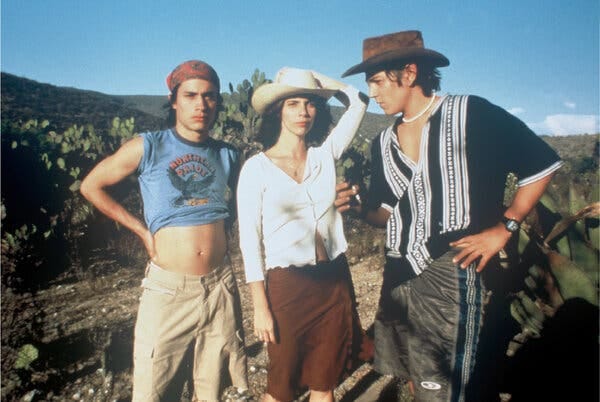
“Life is like foam, so give yourself away like the sea.”
If Cuarón’s A Little Princess marked my childhood, I would say Y Tu Mamá También marked my teenage years. This film encapsulates so much about Mexico in its time that I wouldn’t have been able to put into words then: the fall of the Institutional Revolutionary Party after seventy years, newfound freedoms and democracy, the early start of challenging masculinities. It was the latter that probably called to me as a teenager, watching Gael García Bernal and Diego Luna (who, by the time I watched it, were already Mexico’s sweethearts and heartthrobs), fall head over heels and be controlled by Maribel Verdú definitely shifted something. Y Tu Mamá También recently had a little renaissance by being dubbed the original Challengers, but dare I say Y Tu Mamá También’s context, its genuine awe at its own sexual freedom and deep understanding of its message make it, in my very bias opinion, a better film.
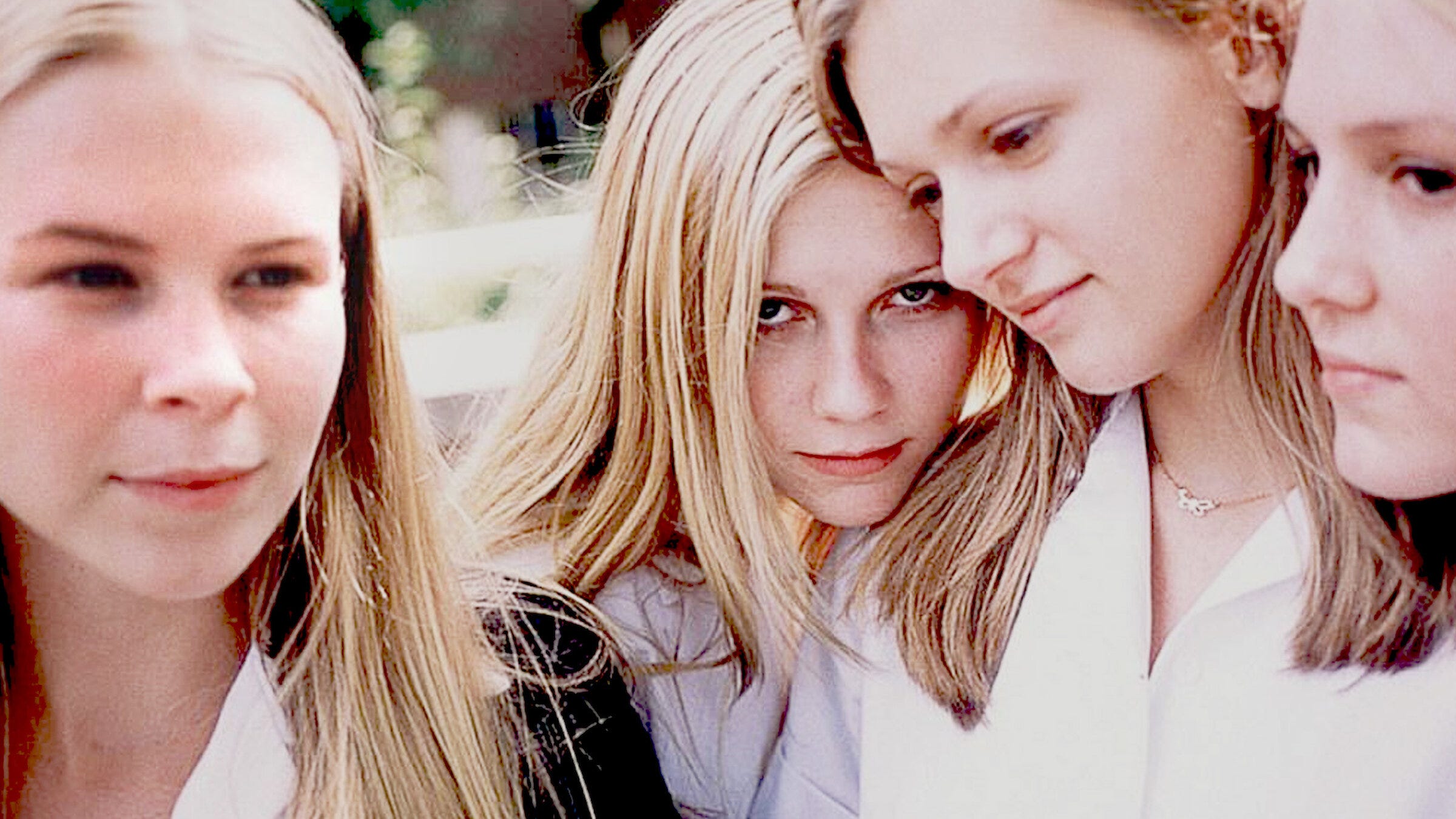
“What he have here is a dreamer, someone completely out of touch with reality. When she jumped, she probably thought she would fly.”
A film that not only defined part of my personality as a teenager, but a writing style and aesthetic sensibility that still visibly trickles down into my creativity today. To me, this is the ultimate Sofia Coppola film - it encapsulates nearly every thematic strand and visible trait she touches on in all her films. And, surprisingly, I actually think it’s better than the book. Not to take anything away from Eugenides but I do think the story of the Lisbon sisters needed to be touched by a woman, even if seen from the perspective of men (perhaps especially because of it).
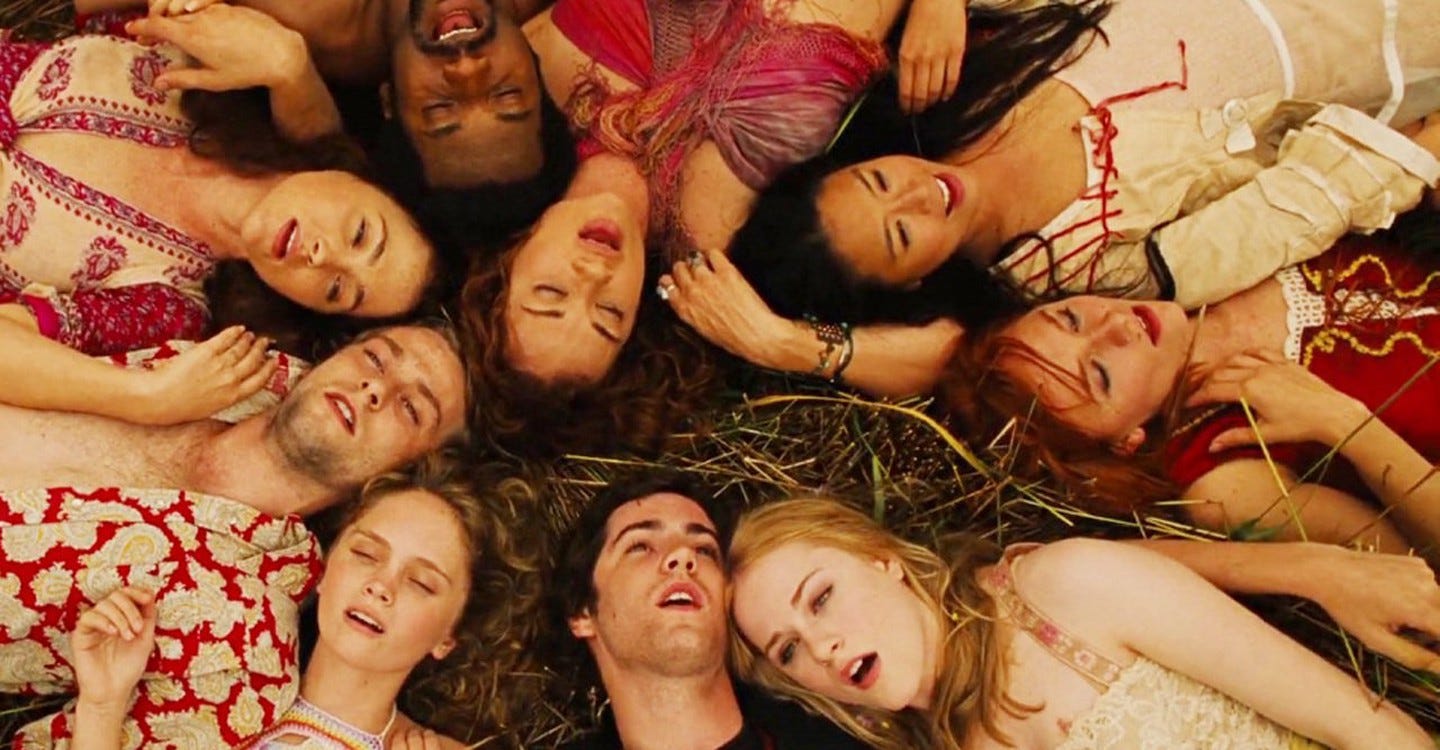
“Why is it always what will I do? “What will he do”, “What will he do,” “Oh, my god what will he do”, Do, do, do, do, do. Why isn’t the issue here who I am?”
I’m glad that with time Across the Universe has come to be regarded as a cult favourite. Even though it sought to capture the youth of the 1960s through a cultural touchstone of the times (songs by The Beatles), I think Taymor managed to encompass what a lot of youth feels like generally. Between activism and art, and art that acts as activism and the usefulness or, inevitably, uselessness of it all. Both hopeful and hopeless. In any case, regardless of themes and impact, I think Julie Taymor deserved much more just for the sheer ambition of a film like this.
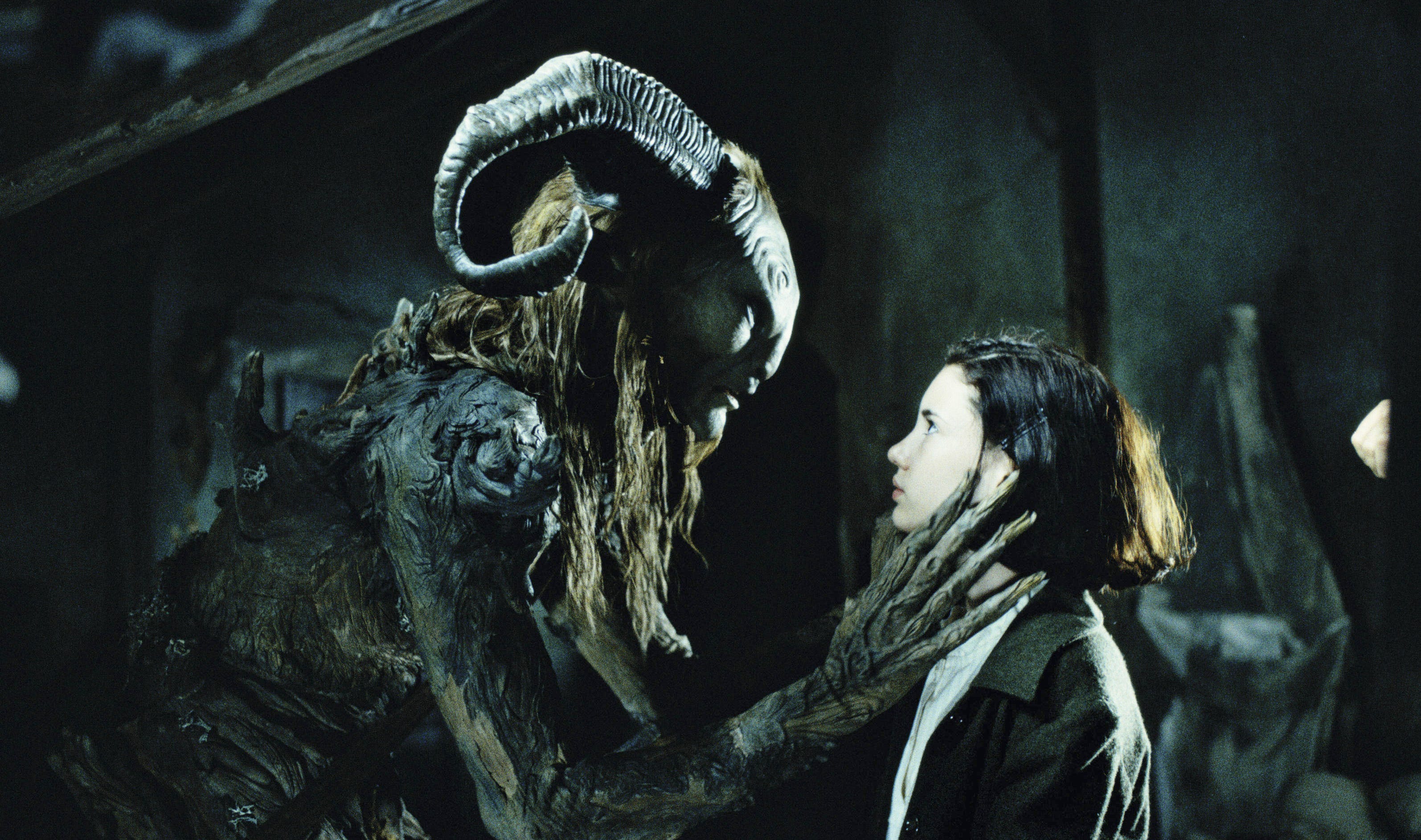
“The world is a cruel place. And you’ll learn that, even if it hurts.”
It’s undebatable that this is del Toro’s masterpiece. It’s a film where his love of fairy tale and creature creation truly serves the greater purpose of story. It’s also a film where his unwavering belief that no matter how hard it tries, the world cannot be a cruel place so long as good people live in it, is represented in a way that feels real despite it’s forays into un-reality. I believe my fascination with fairy tales didn’t come from the ones I heard as a child, it came from this, and the knowledge that one could create their own fairytales for the purpose of reflecting our own beliefs.
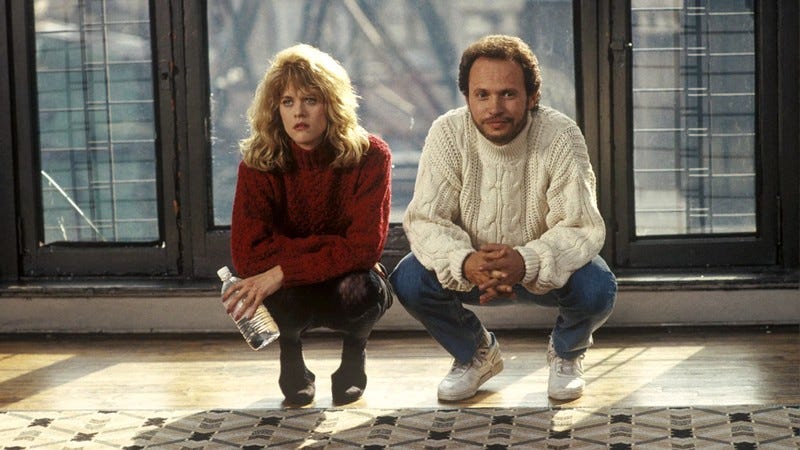
“When you realize you want to spend the rest of your life with somebody, you want the rest of your life to start as soon as possible.”
My sister came to visit me at the start of autumn. As it is London, and we had people to meet and weddings to go to, we only had one night at home. So we used it to watch this. We always used to watch it together before we left home, and it was the first time in six years we’d got to do it again. I couldn’t really question its importance in this list after that. Great fashion, a love story with actual buzz, funny, Meg Ryan, what’s not to love?
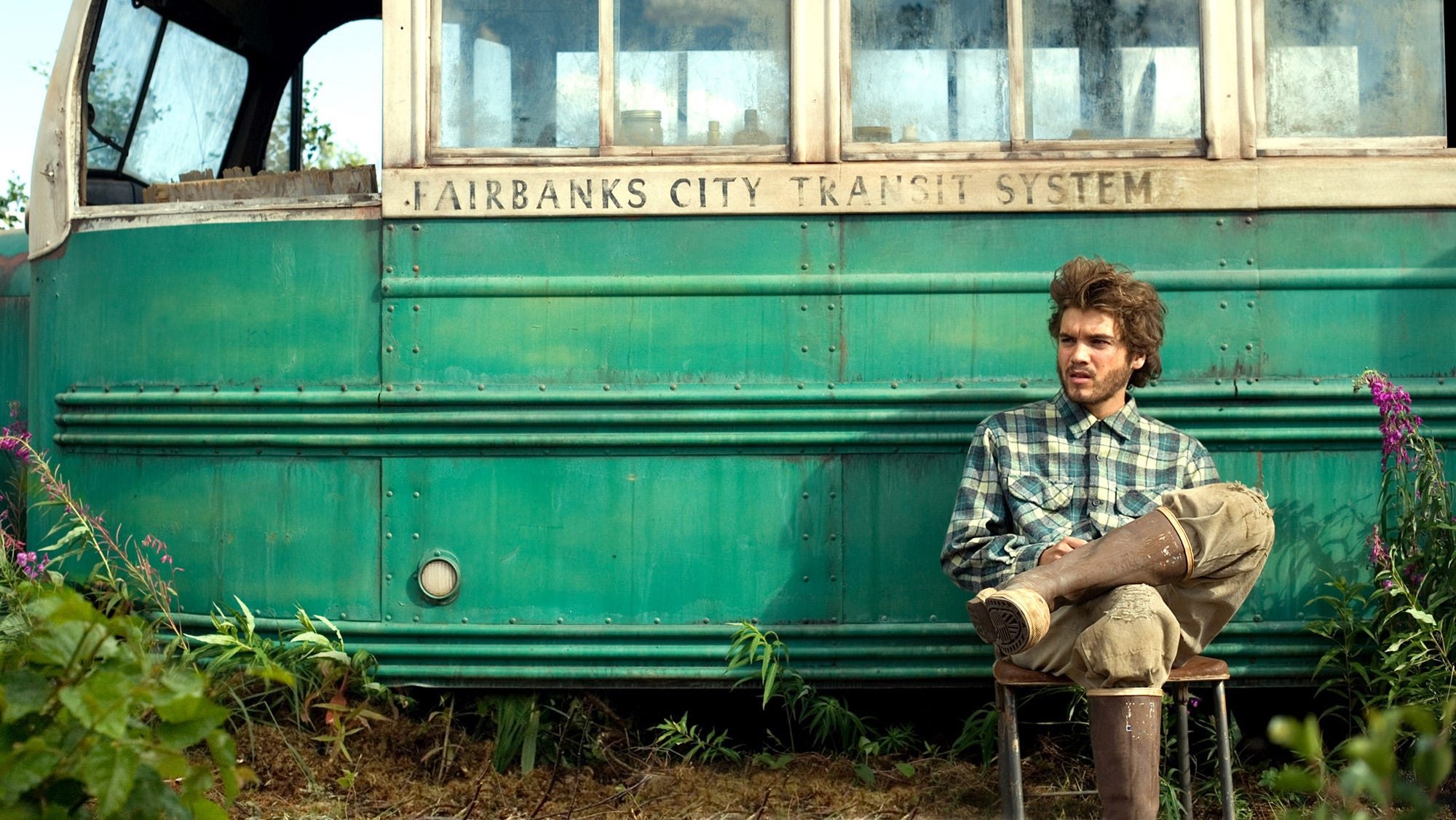
“The sea’s only gifts are harsh blows, and occasionally the chance to feel strong. Now, I don’t know much about the sea, but I do know that that’s the way it is here. And I also know how important it is in life not necessarily to be strong but to feel strong.”
I still can’t pinpoint exactly what it was about this story that buried itself so deeply within me when I was a teenager. It could have been my (not very big) rebellious side finding solace in Christopher McCandless’s hate for the system, or maybe, on the contrary, that it neatly dissuaded that small rebellion. But after years of thinking about it, I believe it’s about people. It showed me how much this very young, not very world-wise boy, marked every single person he ever met. How he made their lives just a little better by having been part of it. And I wanted that. I want my existence on this earth to be remembered through the way I marked the people around me, even if just a little.
*Disclaimer: I debated having this one here because I hate the thought of Sean Penn in this list, but it meant too much to me to remove.
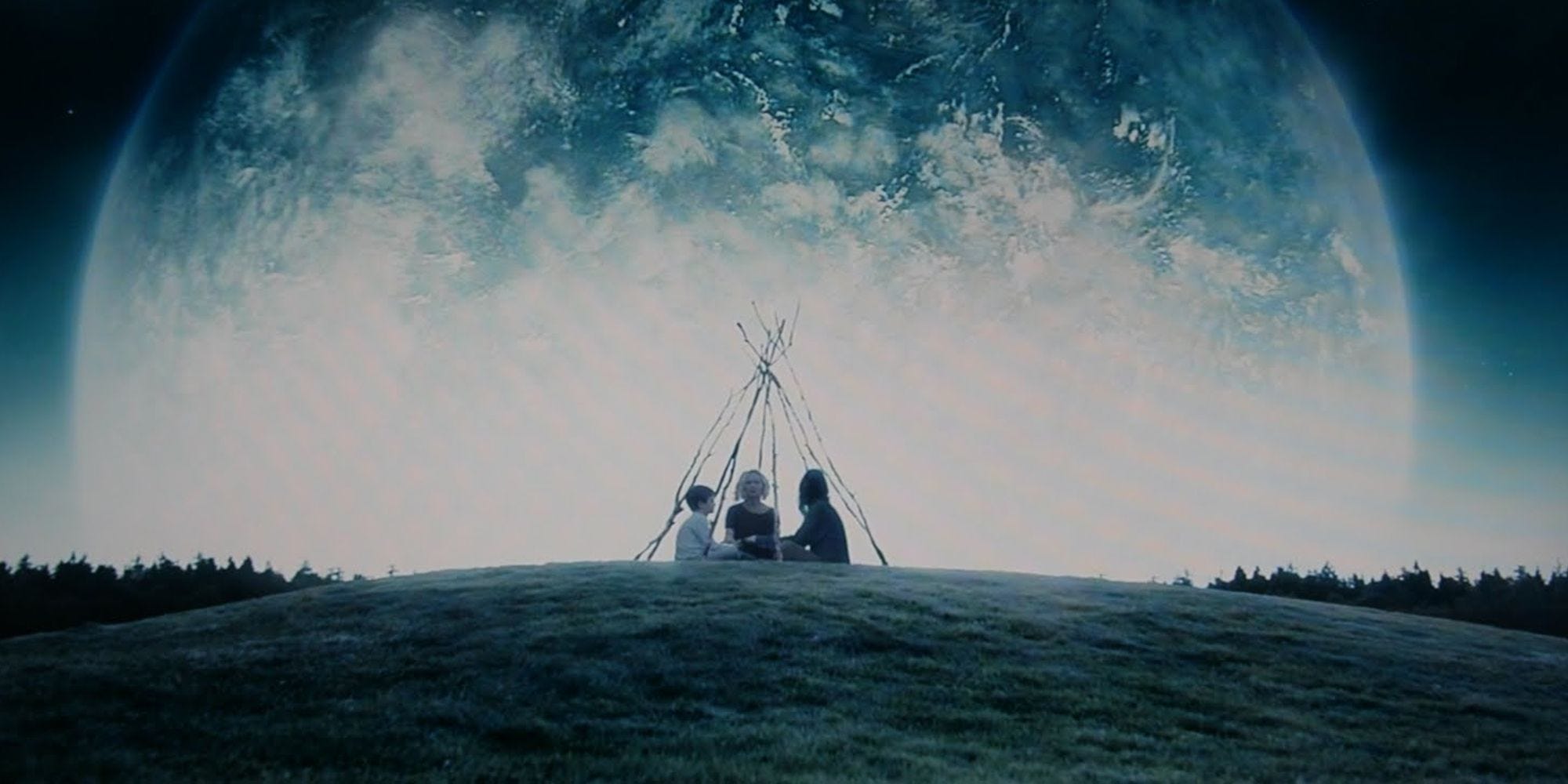
“The Earth is evil. We don’t need to grieve for it, nobody will miss it.”
It’s not the first or last attempt at aiming for the audience to understand depression through the literal end of the world, but it’s truly fantastic at it. It’s the imagery of this film that has never let up for me, I keep scenes stored in the back of my brain and, whenever I’m pondering life, death, grief and imminent endings, they will come back to me. Not necessarily in a sense of pointlessness, but in a sense of understanding and, eventually, of letting go.
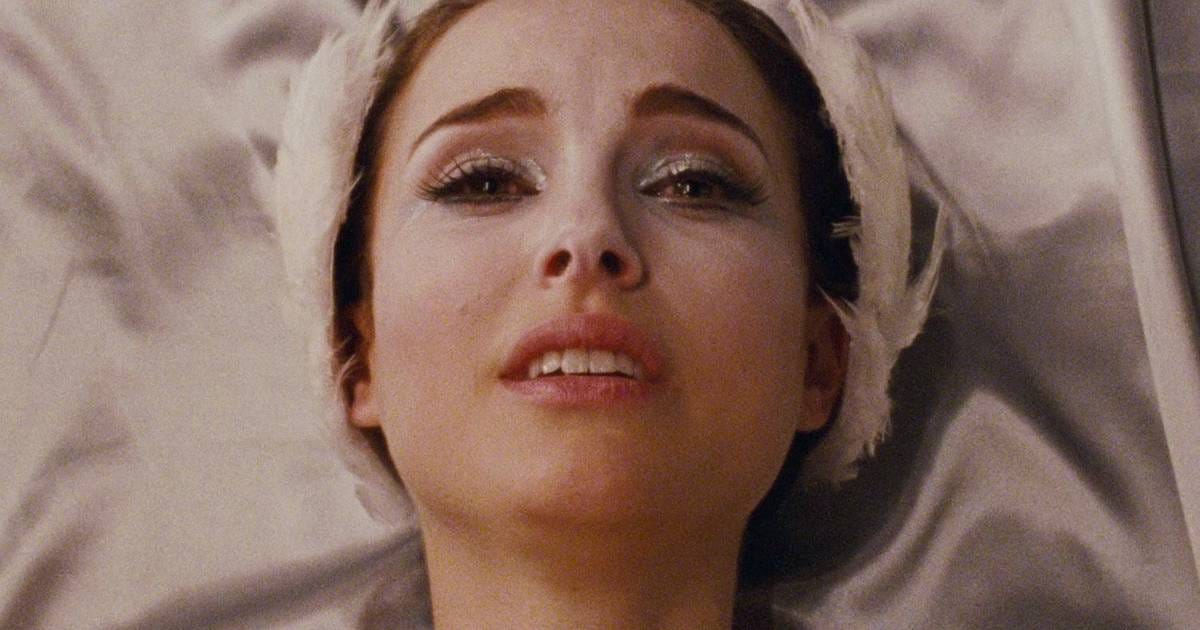
“The only person standing in your way is you. It’s time to let her go. Lose yourself.”
My uni self refused to write any final essays about other films for a good year. Once you find the meat in this one, it’s hard to let go. I’m not sure if Aronofsky ever studied psychoanalysis but so many of his films contain its theory I’d be surprised if he hadn’t (and he is, famously, quite good at academia). This film, in its technicalities, its script and its performances is a perfect bubble - every single things serves the other. It’s stunning.
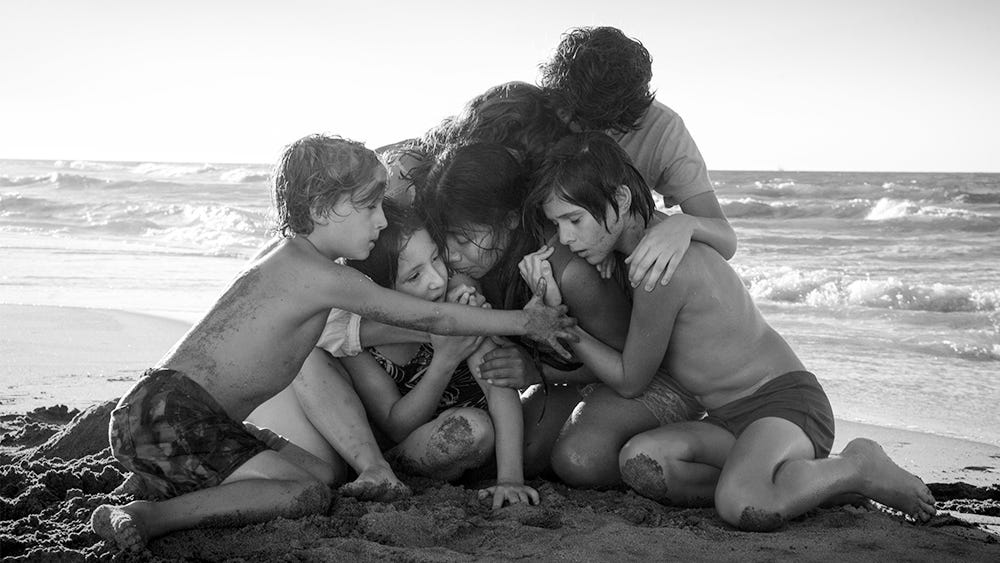
“When I was older, I used to be a sailor. But I drowned in a storm. The waves were huge!”
We’ve made it to the Cuarón film of my adulthood. Roma is, to me, a perfect show of intimacy equating universality in storytelling. It’s such a specific, personal story that reflects so many. I’m always shocked at how well loved this film is outside of Mexico, because everything about it — from the social circumstances to the political context — feels deeply rooted in Mexican-ness. But perhaps I shouldn’t be shocked, because again that specificity in feeling leads to its wide relatability. I adore almost everything about this story, about what it represents and the uncomfortable societal truths it forces us to grapple with.
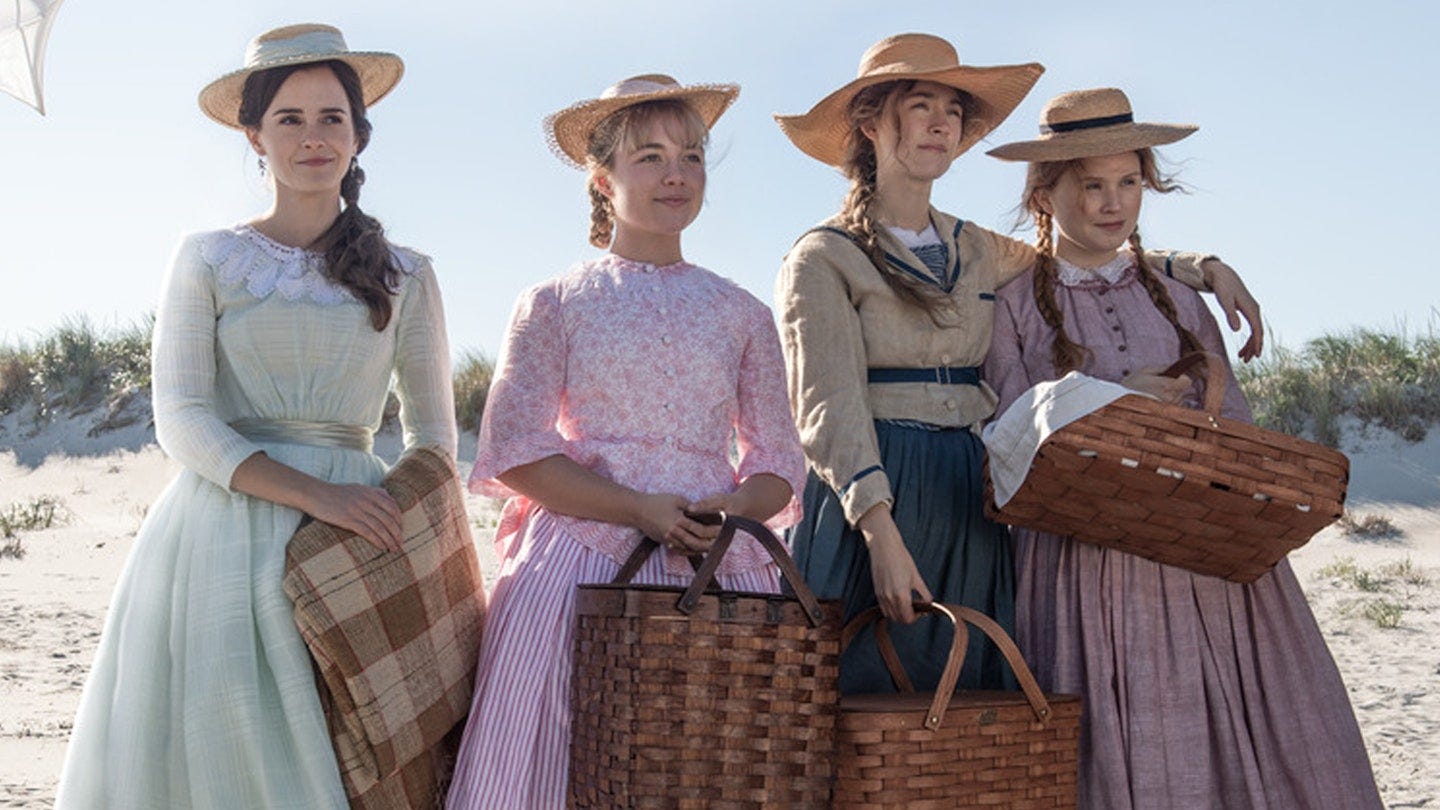
“Women, they have minds, and they have souls, as well as just hearts. And they’ve got ambition, and they’ve got talent, as well as just beauty. I’m so sick of people saying that love is just all a woman is fit for. I’m so sick of it.”
After watching this for the first time, Fraser and I were walking from Peckhamplex back to our flat in the chaos of an evening in Rye Lane and my brain was entirely stuck on it. When Fraser asked me what I thought I said, “I can’t begin to put it into words right now.” It was one of those times when art hit me right in the gut, not because I even believe it to be objectively brilliant, but because every piece of it felt like it was made for me. The sisterhood, the loss of innocence, the trauma of childhood ending, the ambition, the anticipatory grief, the motherhood. It is all so personal to me I don’t believe I’ll ever see this film objectively (even though I do think Gerwig nailed the approach into adapting a book).
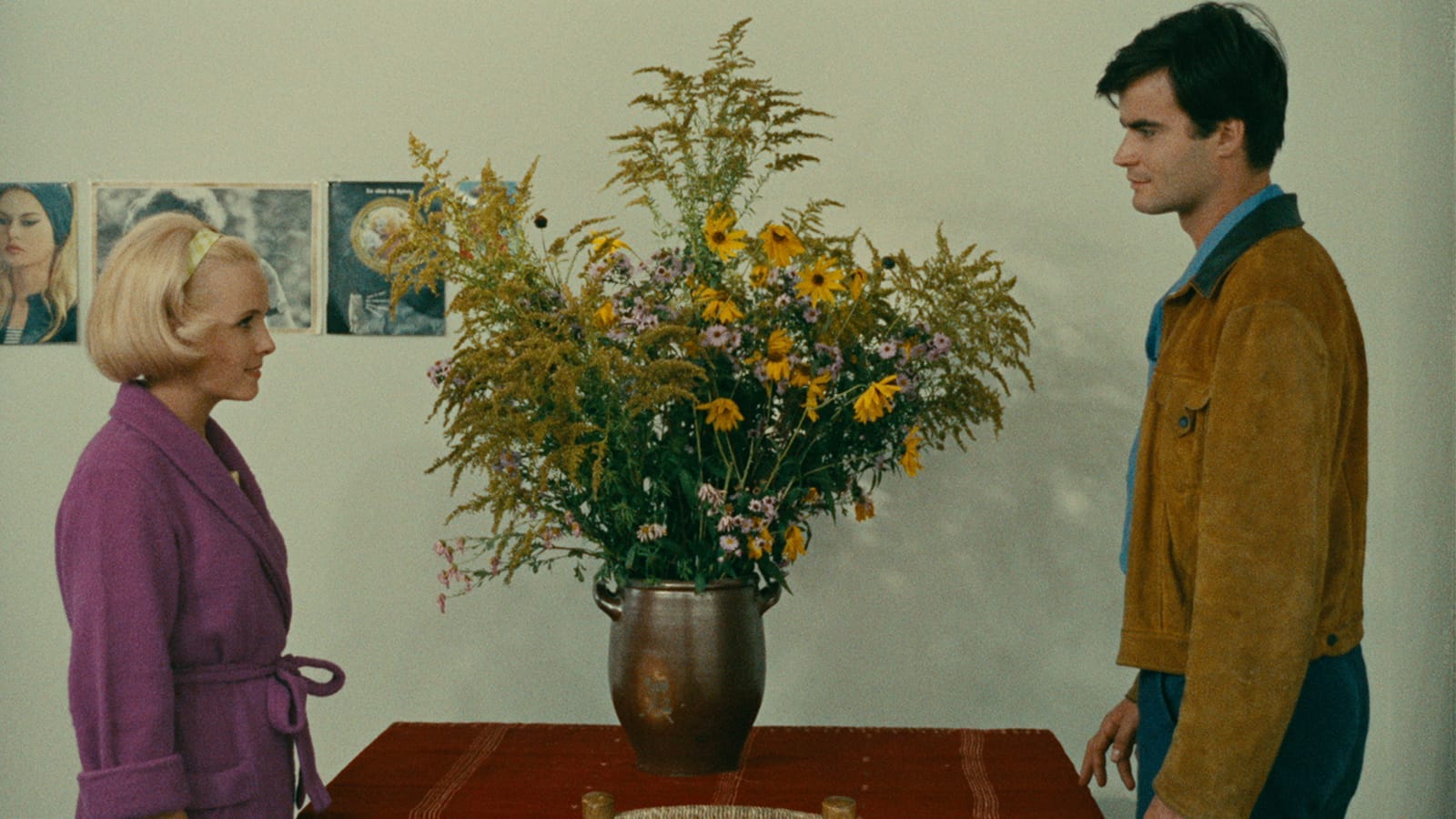
“You and I and the kids, we’re like an apple orchard, a square field. Then I notice an apple tree that grows outside the field and blooms with us. More flowers, more apples. It adds up, you know.”
I want to frame every single shot of this film, I genuinely believe one of the most visually beautiful pieces of filmmaking. It is also, however, one of the most quietly horrifying films. “I imagined a summer peach with its perfect colors, and inside, there is a worm,” is how Varda described it. It is a deeply feminist film told form the eyes of a man, where his understanding of the situation seems so simple, yet we are always thinking of the women. It’s brilliant, in a way only Agnès Varda could be.
![The Worst Person in the World – [FILMGRAB]](https://substackcdn.com/image/fetch/$s_!PoYp!,f_auto,q_auto:good,fl_progressive:steep/https%3A%2F%2Fsubstack-post-media.s3.amazonaws.com%2Fpublic%2Fimages%2Fd7caae17-40ff-40bd-b789-d854134ec07e_1920x1038.jpeg "The Worst Person in the World – [FILMGRAB]")
“I’m sure I remember things about you that you’ve forgotten.”
If we have souls, this film is lodged into mine. It’s a film that pretends to center around a love triangle in a tired trope of growing up and ends up allowing us to almost entirely forget about it (and making you feel kind of guilty for believing it was about that in the first place). The title is also telling us more about ourselves than anyone within the film, setting us up to dislike the main character but instead falling in deep understanding, if not love, with her. Because it is a film about love, and about hate, and about loneliness, and about wanting to devour the world with ambition and wasted potential. The scenes in the hospital, during the final act of the film, are some of the most gorgeously written scenes I’ve ever had the pleasure of seeing. If you get it, you get it.
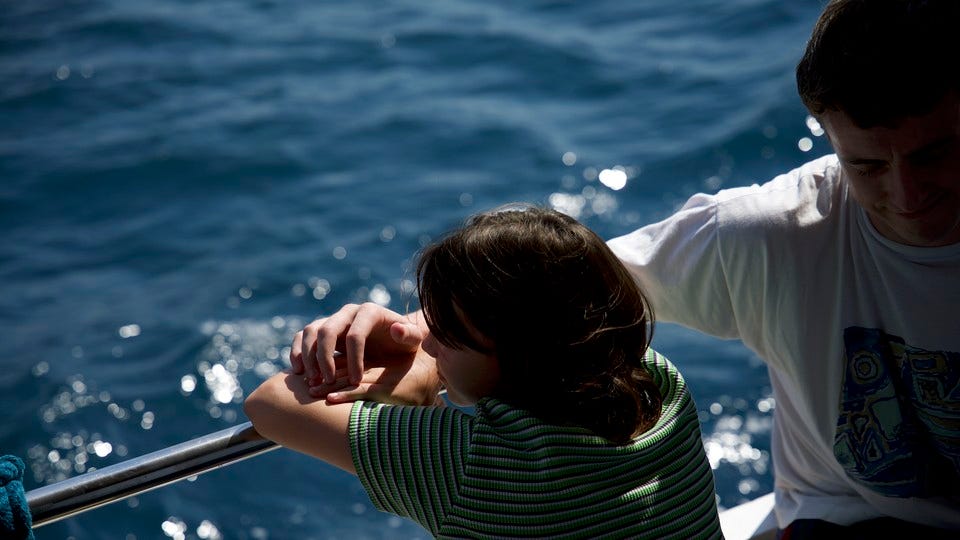
“And there’s this feeling, once you leave where you’re from, like, where you grew up, that, um, you don’t totally belong there again.”
I remember reaching the final scene Aftersun, knowing I’d just seen something incredible and, ever-so-slightly surprised that I hadn’t cried. Then the credits started rolling. And something dislodged in my throat and I bawled. There is something so effective about the way Wells leads us in this film, she always has us right where she wants us, but she’s so gentle about it — so subtle. You can feel, in the way it masters itself, that Wells had to tell this story, it’s visceral. That’s why it’s effective, and beautiful, and moving. And if you grew up within a strained father-daughter relationship… oh boy.
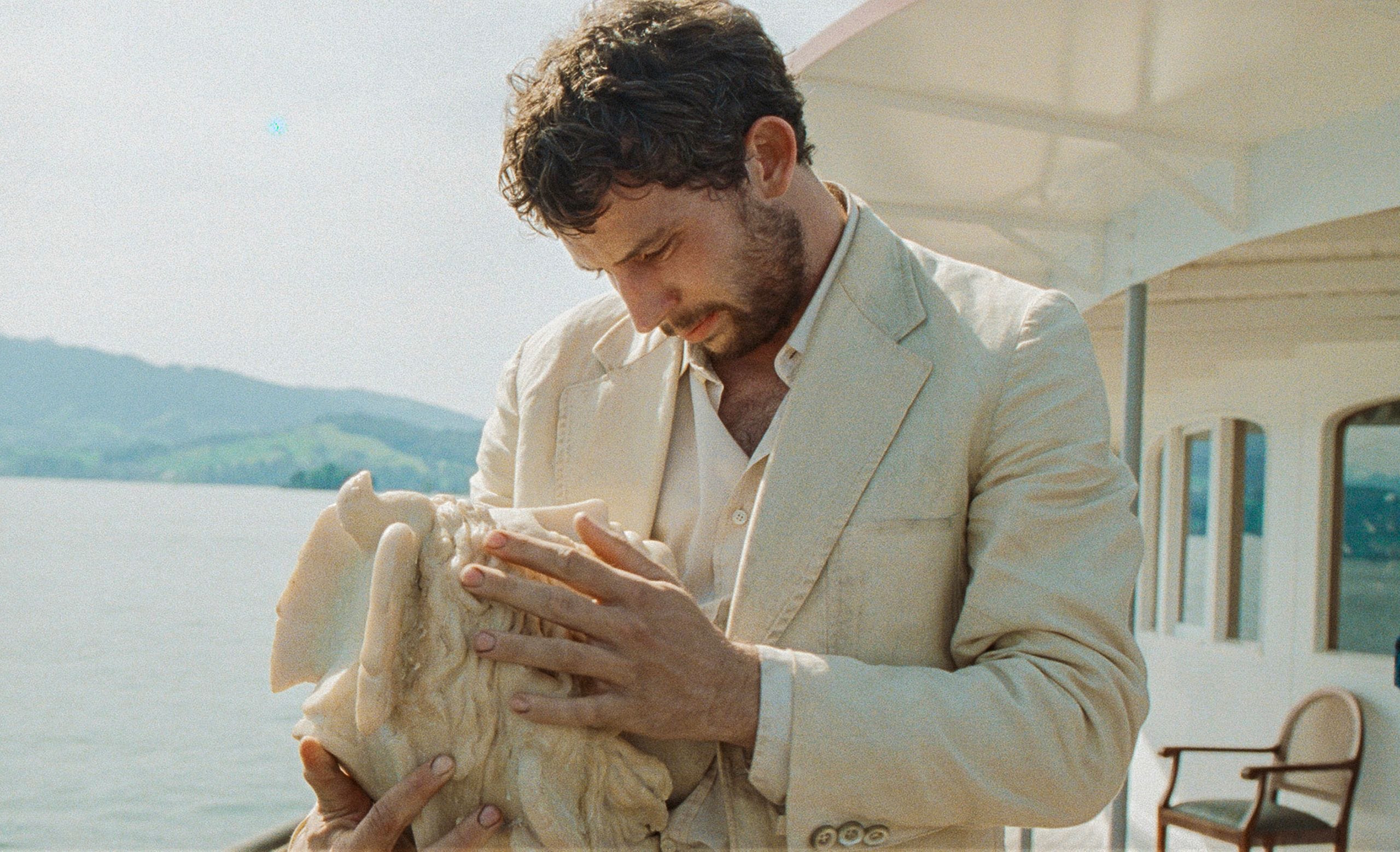
“Those things aren’t made for human eyes but those of souls.”
When choosing my final life-changing films, I had to be careful not to fall into recency bias, which is harder than it sounds. But I genuinely do believe La Chimera shifted something inside me. I read somewhere that watching this film feels like being under a spell, like some sort of magic has been cast within it, and I have to agree. It’s a film that plays with magical realism through ancient superstition in a way that doesn’t devour its meanings for gratuity, but respects them as part of our own world (like we’d be fools to question their existence). Its questions and themes are much the same: how much can we respect ideas if we are constantly searching to consume them, both materially and immaterially? Rohrwacher is clearly a visual and storytelling genius and how exciting to have her to look forward to.
No posts
Comments
Nothing yet. Say the first thing.
Sign in to join the conversation.