
I have always, to some extent, measured my life in art. I’ve come to believe, as I put these lists together, most of us do. What films did you love this year? How many books did you read? Which were your favourites? Is a constant stream of conversation in the final months of the year. Or perhaps I just surround myself with the right people.
I turned 30 this year, and if you read my Thirty films for thirty years post, you will know I spent a lot of that day crying — in a good way — and the other half putting together lists of how I could possibly begin to measure who I am through art. It was surprisingly shocking (because I should have known) how much of myself I can trace back to these stories.
Books have been a constant companion in my life, my trusted source of fulfilment, through thick and thin. And remembering who I was while reading them is a pleasure in itself. How wonderful that we get to remember life through the words of others.
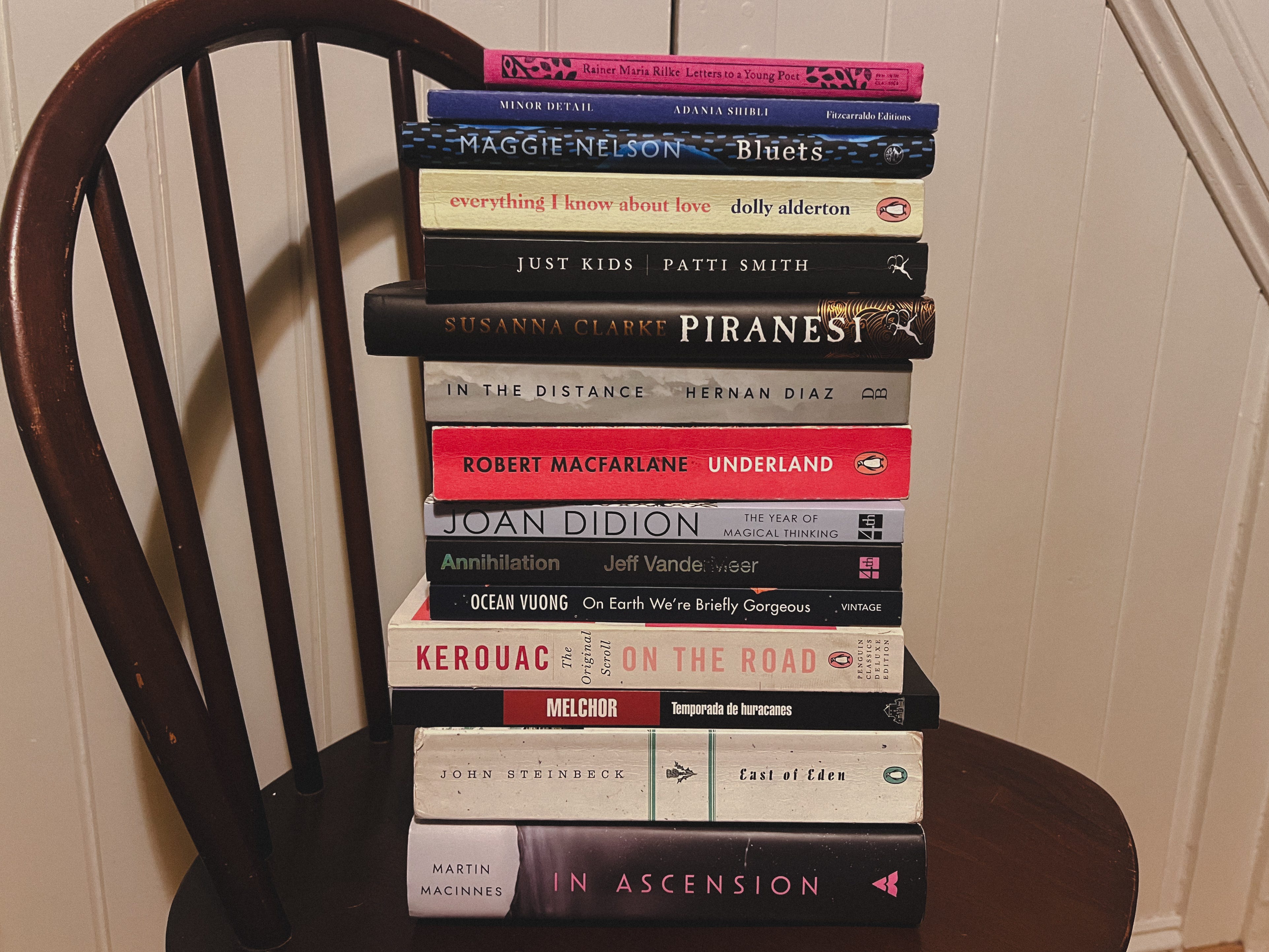
I could have added many other books in here, these are the ones that I can trace to different specific points in my life that changed, in one way or another, how I experience the world. So for better or worse, here are thirty books that have shaped the last thirty years of my life. May my finding a reflection through them mirror some parts of your life too.
Note: this is in no particular order, in fact I jump quite a lot in time of publishing and time of reading, between ultimate favourites and ones that shaped parts of me
Note 2: this is too long for email, so come over to Substack to see the full post.
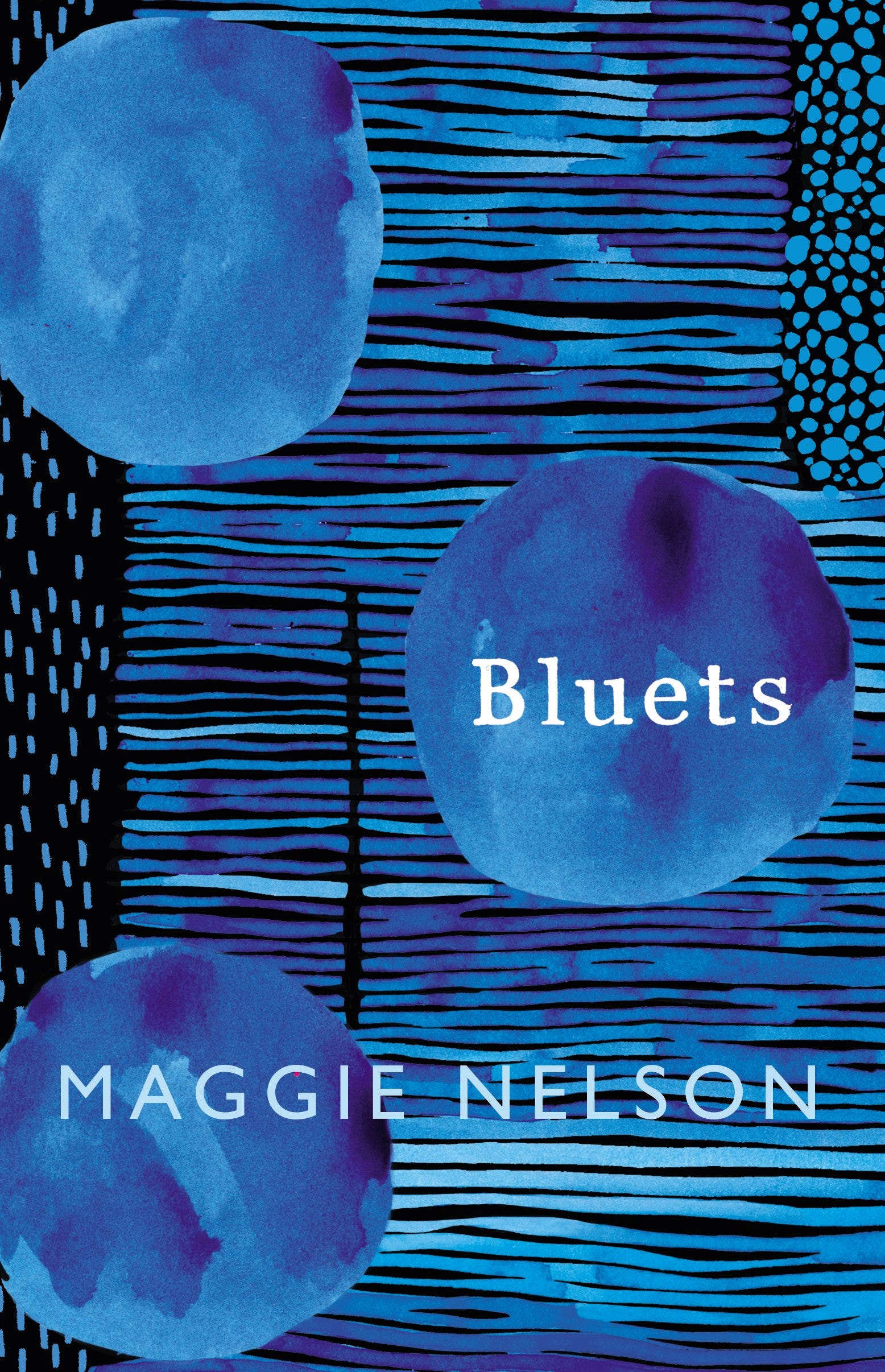
“229. I am writing all this down in blue ink, so as to remember that all words, not just some, are written in water.”
The ultimate book on loss. Whether it’s a break up or a different kind of heart break, even an anticipatory one, I think reading Bluets is a healing practice. Maggie Nelson explores her obsession with the colour blue while navigating the loss of a lover and becoming a carer for a friend after an accident. The result, delivered in 240 “propositions” (small prose poems) in no particular order, is a gorgeous, heartbreaking and soul-nourishing tapestry of words.
Bluets winds its way through depression, divinity, alcohol, and desire, visiting along the way with famous blue figures, including Joni Mitchell, Billie Holiday, Yves Klein, Leonard Cohen and Andy Warhol. While its narrator sets out to construct a sort of 'pillow book' about her lifelong obsession with the colour blue, she ends up facing down both the painful end of an affair and the grievous injury of a dear friend.
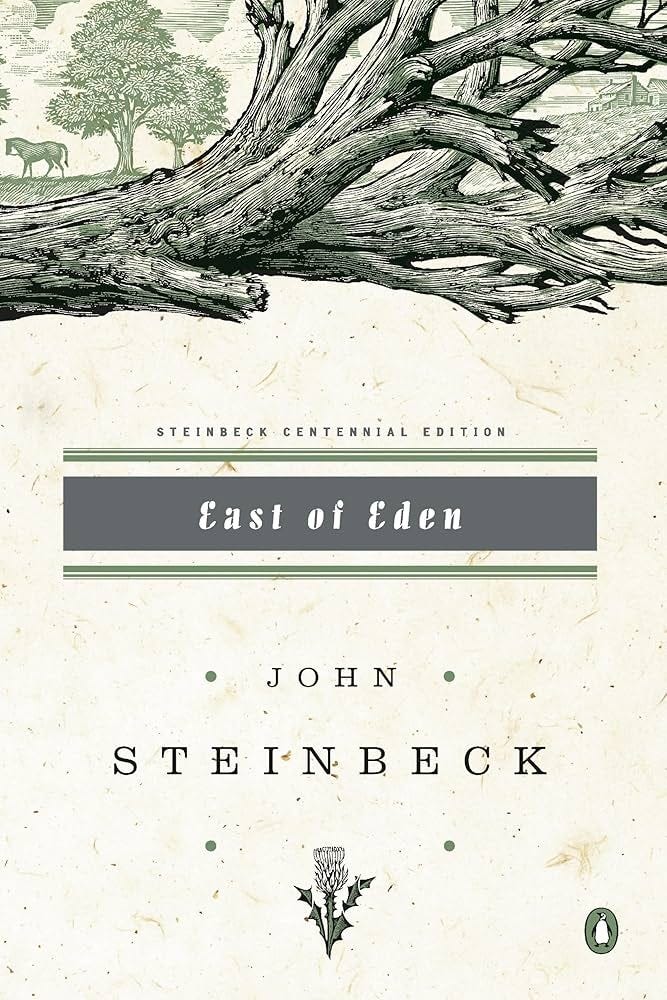
“When a child first catches adults out - when it first walks into his grave little head that adults do not have divine intelligence, that their judgements are not always wise, their thinking true, their sentences just - his world falls into panic desolation. The gods are fallen and all safety gone. And there is one sure thing about the fall of gods: they do not fall a little; they crash and shatter or sink deeply into green muck. It is a tedious job to build them up again; they never quite shine. And the child’s world is never quite whole again. It is an aching kind of growing.”
I first read East of Eden when I was thirteen years old. Arguably too young to fully grasp it. I was probably still dealing with the feeling described in the above quote, trying to understand how to live with flaws, both in myself and others. But maybe that’s what’s made it so special.
Steinbeck creates an imperfect novel through interspersing philosophical ramblings through narrative, it doesn’t always work, especially re-reading it as an adult, but I have to admit it’s that imperfection that charms me.
California's fertile Salinas Valley is home to two families whose destinies are fruitfully, and fatally, intertwined. Over the generations, between the beginning of the twentieth century and the end of the First World War, the Trasks and the Hamiltons will helplessly replay the fall of Adam and Eve and the murderous rivalry of Cain and Abel.
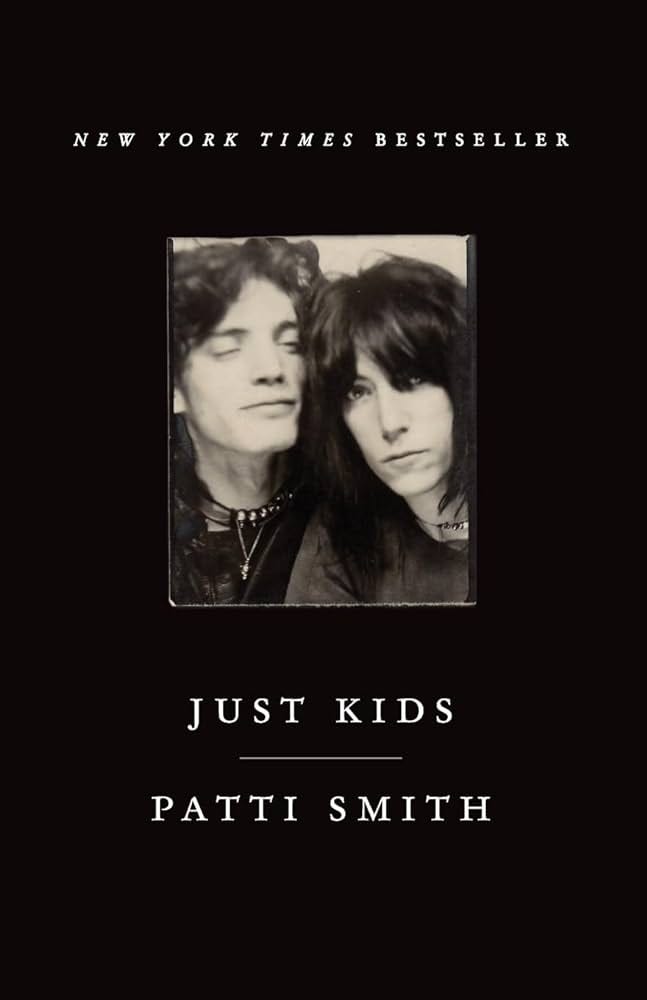
“The light poured through the windows upon his photographs and the poem of us sitting together a last time. Robert dying: creating silence. Myself, destined to live, listening closely to a silence that would take a lifetime to express.”
I understand that Just Kids isn’t for everyone, but boy was it for me. I read it at a time in my life where my creative ambitions were wavering and, even if I didn’t admit it then, I felt very uninspired. I had even started plotting a way back into traditional office work (anyone who knows me would probably gasp at this point). This book brought me back to myself. It taught me the importance of who I surround myself with and the soulmates that make you who you are. I’m eternally grateful to have read it.
A prelude to fame, Just Kids recounts the friendship of two young artists - Patti Smith and Robert Mapplethorpe - whose passion fuelled their lifelong pursuit of art. It was a heightened time politically and culturally; the art and music worlds exploding and colliding. In the midst of all this two kids made a pact to always care for one another. Scrappy, romantic, committed to making art, they prodded and provided each other with faith and confidence.
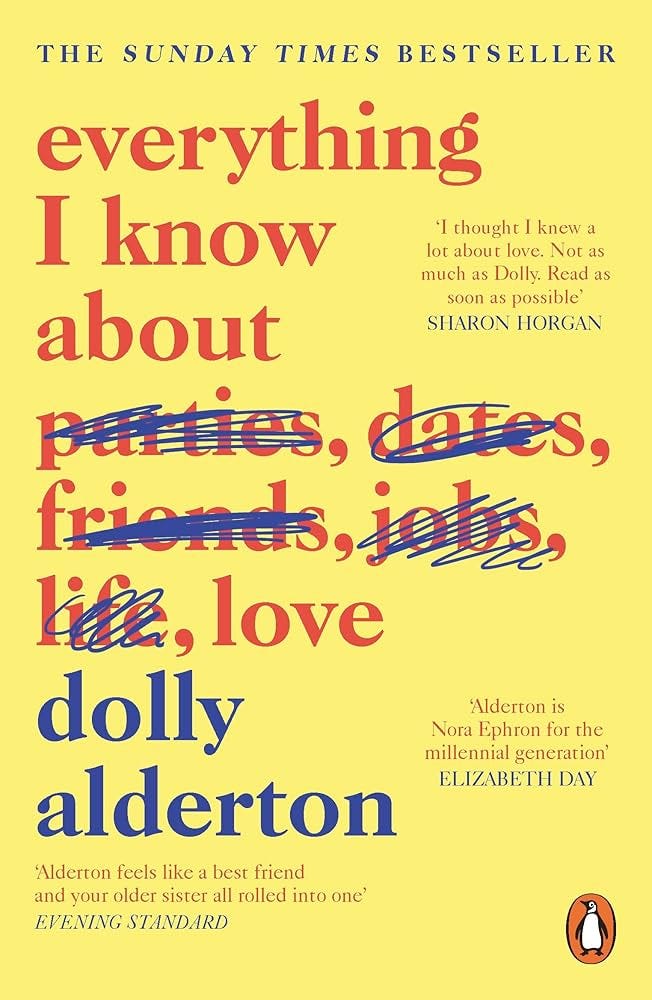
“We all know we’re going to die, and yet we still live. We shout and curse and care when the full bin bag breaks, yet with every minute that passes we edge closer to the end. We marvel at a nectarine sunset over the M25 or the smell of a baby’s head or the efficiency of flat-pack furniture, even though we know that everyone we love will cease to exist one day. I don’t know how we do it.”
I don’t know where I would be without female friendship. My women friends have saved me and understood me and, in many ways, raised me. I’ve been lucky to have many, and I’ve been even luckier to keep finding rays of sunshine in new female friends as I get older. To me, this book is the ultimate female friendship bible. Reading this was the first time I understood not just how much it meant to me, but how life-saving it is. I have not forgotten for a single day since reading this book that all soulmates are meant to be nourished, not just the romantic ones.
I know that love happens under the splendour of fireworks and sunsets, but also happens when you’re lying on blow-up airbeds in a childhood bedroom, sitting in A&E or in the queue for a passport. Everything I Know About Love is a celebration of our female friendships, of our messy years, and of growing up together. Glittering with wit, heart, and humour, it’s a book to share with every woman you’ve ever been lucky enough to call a friend.
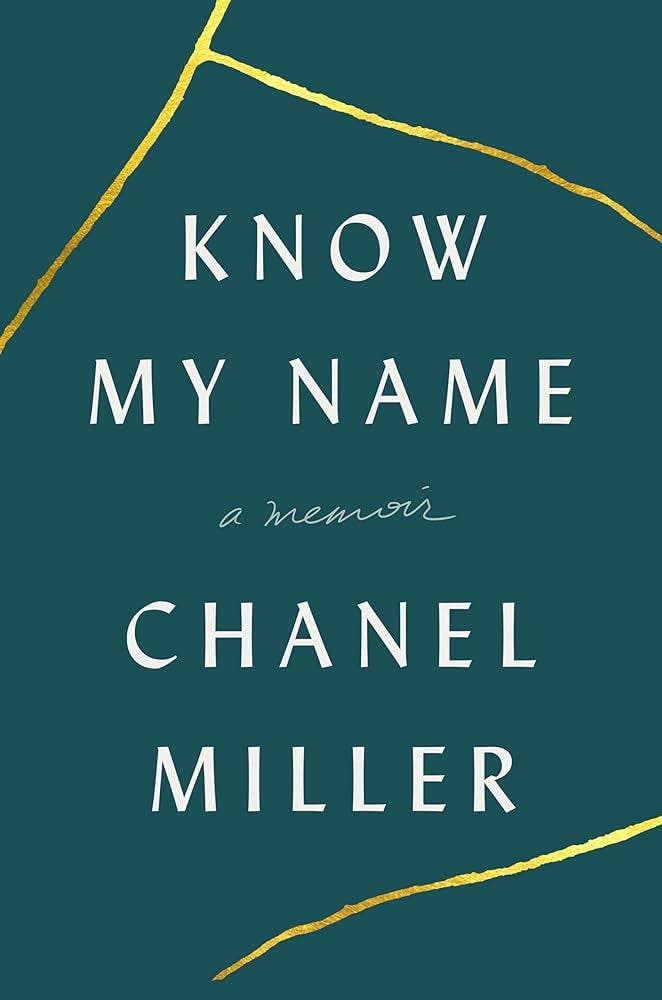
“The judge had given Brock something that would never be extended to me: empathy. My pain was never more valuable than his potential.”
One of the most important memoirs I’ve ever read. Chanel Miller is a gorgeous writer, and we should all be so grateful she found her voice again after Brock Turner took it. Violence against women is still so rampant and normalised and such a part of our daily lives that reading this is an essential step back into what it does and who it’s doing it to.
In 2016 Brock Turner was sentenced to just six months in jail after he was caught sexually assaulting Chanel Miller on Stanford's campus. His light sentencing, and Chanel's victim impact statement, which was read by eleven million people in four days, sparked international outrage and action. Know My Name is an intimate memoir that exposes a patriarchal culture biased to protect perpetrators and a criminal justice system designed to fail the most vulnerable.
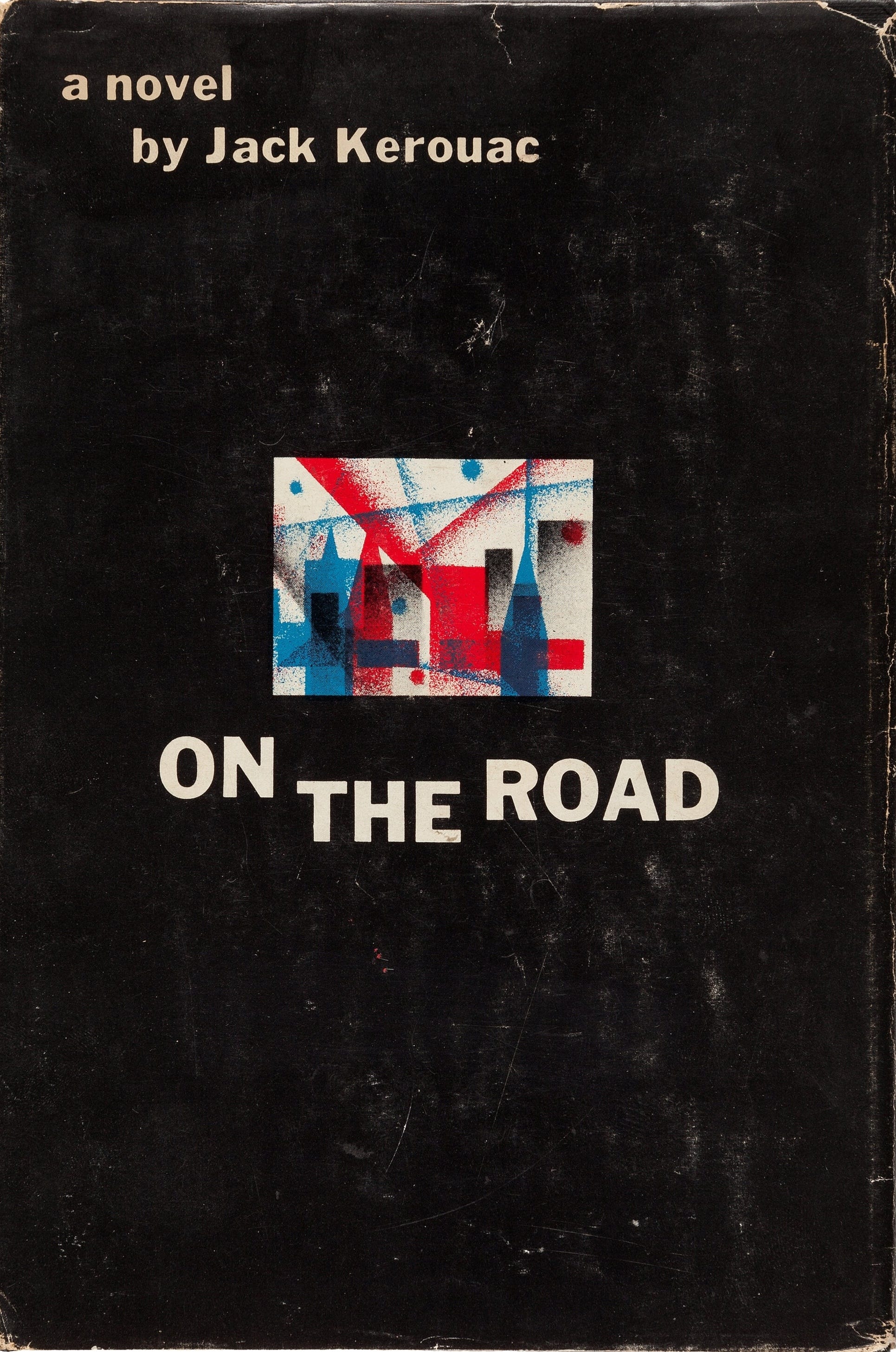
“Nothing behind me, everything ahead of me, as is ever so on the road.”
There is a certain kind of girl that found an obsession with The Beats at 14 years old and struggled to let go. That was me, I am that kind of girl. What a curse. On the Road, as an adult, reads like an asshole wrote it (because he did). However, I do look back on it fondly, particularly how much it influenced what I read in my teenage years, and what it taught me about the form of a novel and the place of impulsiveness in writing. I don’t think my reading would be where it is today had it not been for falling for Kerouac’s style.
Sal Paradise, young and innocent, joins the slightly crazed Dean Moriarty on a breathless, exuberant ride back and forth across the United States. Their hedonistic search for release or fulfilment through drink, sex, drugs and jazz becomes an exploration of personal freedom, a test of the limits of the American Dream.
A blend of fiction and autobiography, Jack Kerouac's exhilarating novel defined the new 'Beat' generation and became the bible of the counter-culture.
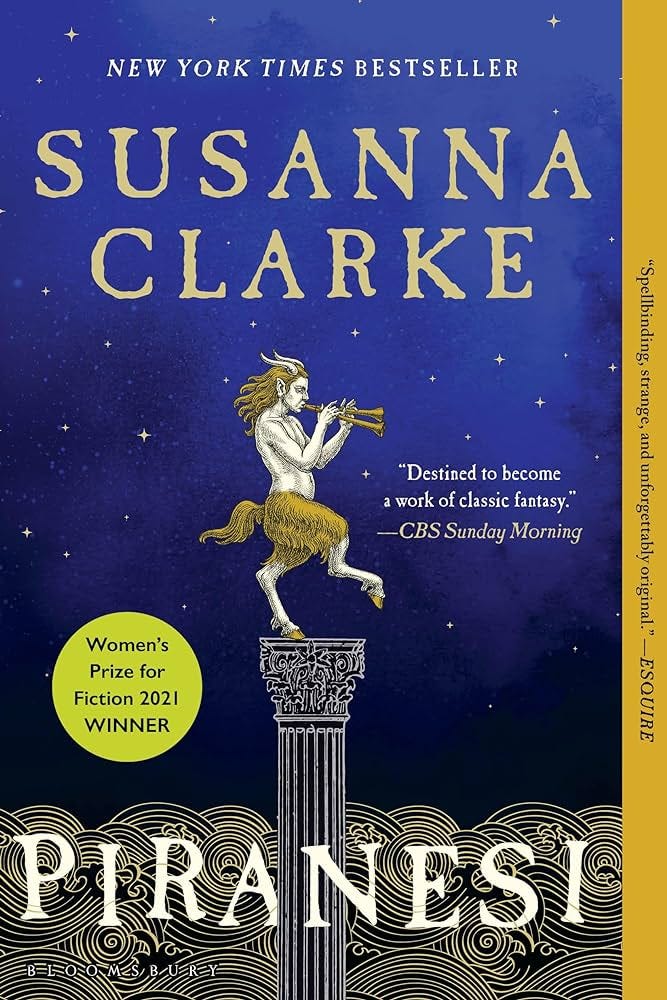
“I was in a house with many rooms. The sea sweeps through the house. Sometimes it swept over me, but always I was saved.”
A true masterpiece in containing, and exploring, so many complex ideas within a relatively short book. On the surface it’s a mystery wrapped in speculative fiction, but like most great books in the genre, it’s packed with so much more - with identity and what it means to be “good”, with the nature of humanity and abuses of power, with meditations on what a good life is and what it means to accept a crumbling world. Sometimes Piranesi will hit me again randomly, when writing or experiencing a particular moment, an idea (many of which are firmly lodged in my brain) will peek out and, yet again, make me go “aha!”
Piranesi lives in the House. Perhaps he always has. In his notebooks, day after day, he makes a clear and careful record of its wonders. On Tuesdays and Fridays Piranesi sees his friend, the Other. At other times he brings tributes of food and waterlilies to the Dead. But mostly, he is alone. Messages begin to appear, scratched out in chalk on the pavements. There is someone new in the House. But who are they and what do they want? Are they a friend or do they bring destruction and madness as the Other claims?
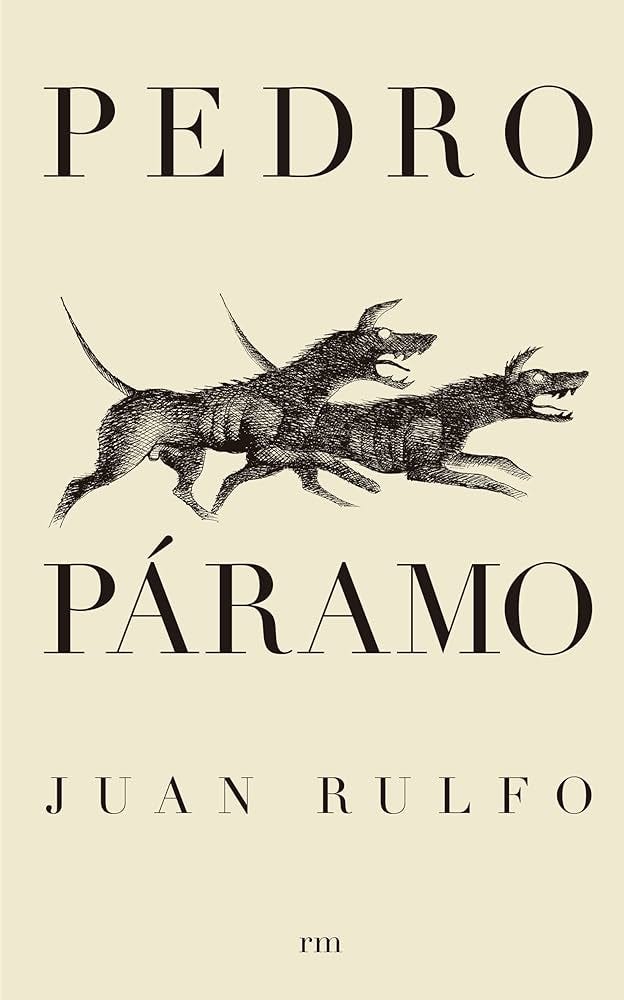
“There was no air; only the dead, still night fired by the dog days of August. Not a breath. I had to suck in the same air I exhaled, cupping it in my hands before it escaped. I felt it, in and out, less each time…until it was so thin it slipped through my fingers forever. I mean, forever.”
A rite of passage for Latin American literature, but really should be a rite of passage for all writers. This book is not logical, it doesn’t really follow any pre-established rules, its status as a classic comes purely from the depth of its story and feeling (and, as I’m always tempted to say, the vibes). It taught me about rule breaking within the boundaries you set for yourself — and about the importance of, every once in a while, believing in ghost stories.
In this stunning masterpiece of the surreal, Juan Preciado sets out on a strange quest, bound by a promise to his dying mother. Embarking down a parched and dusty road, Juan goes to seek his father, Pedro Páramo, from whom they fled many years ago. The ruined town of Comala is alive with whispers and shadows. Time shifts from one consciousness to another in a hypnotic flow of desires and memories, a world of ghosts dominated by the tyranny of the Páramo family.
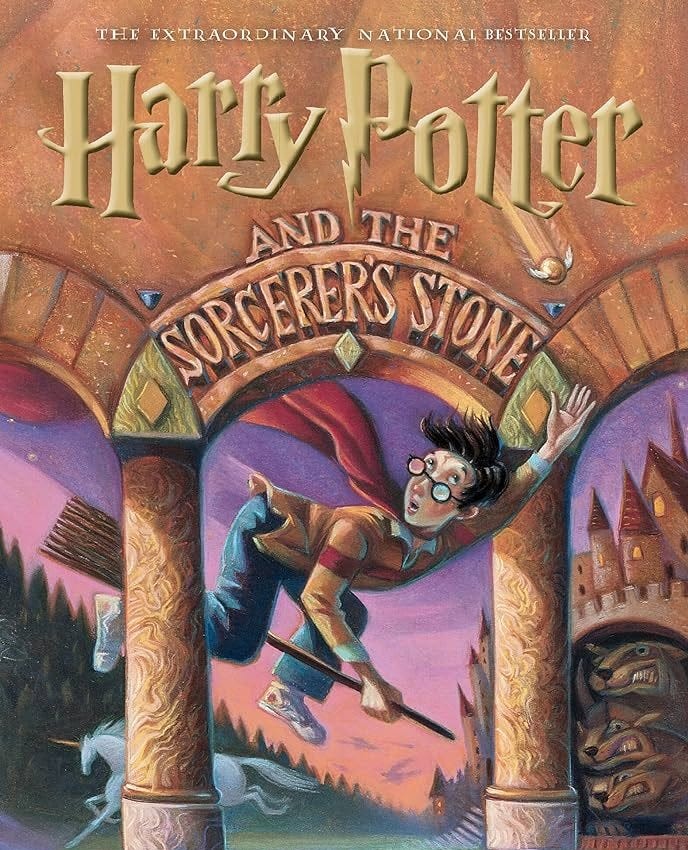
For obvious reasons, I was very hesitant to include this. However, it is the first novel I ever read in full, and probably the birth of my love for reading. My dad would sit me, my brother and my sister down in the living room of his house, in the middle of the forest, and read Harry Potter to us. And I learned about story telling and fantasy, I learned about friendships and odd characters (and that it was okay to be a little odd).
*Given it taught me to celebrate difference, it genuinely makes me incredibly sad that the writer of this series has tainted those memories for me. But it makes me angrier to know how much she’s advocating to actively hurt trans people and strip them of literal human rights. Hence her name is not mentioned here. Trans rights are human rights.
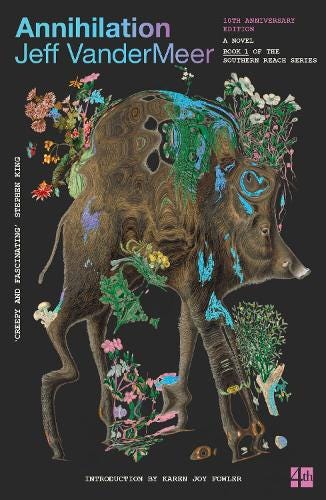
“The map had been the first form of misdirection, for what is a map but a way of emphasising some things and making other things invisible?”
I know this is meant to be what reading is about, but this is one of the only times when reading that I genuinely felt transported. VanderMeer’s writing style is as otherworldly as his stories, and the enmeshment of nature and speculative is pretty perfect.
For thirty years, Area X has remained mysterious and remote behind its intangible border - an environmental disaster zone, though to all appearances an abundant wilderness. The Southern Reach, a secretive government agency, has sent eleven expeditions to investigate Area X. One has ended in mass suicide, another in a hail of gunfire, the eleventh in a fatal cancer epidemic. Now four women embark on the twelfth expedition into the unknown. Narrated by the nameless biologist, the expedition undertakes their mission to chart and measure the land.
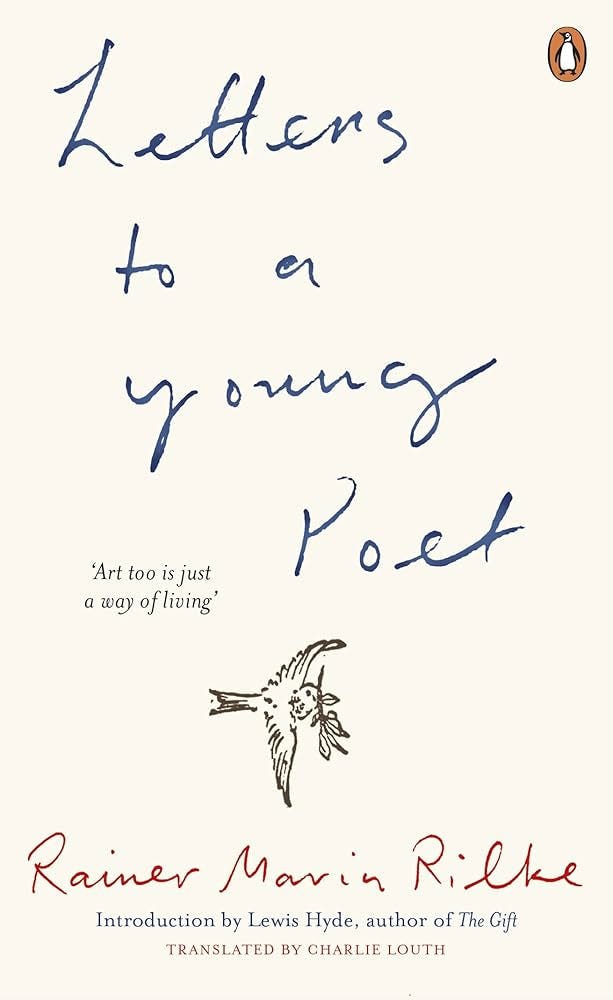
“I beg you, to have patience with everything unresolved in your heart and to try to love the questions themselves as if they were locked rooms or books written in a very foreign language. Don’t search for the answers, which could not be given to you now, because you would not be able to live them. And the point is to live everything. Live the questions now. Perhaps then, someday far in the future, you will gradually, without even noticing it, live your way into the answer.”
It’s a little book of advice so I think its influence on me is fairly obvious, but there are two particular things I love about this book that don’t have any bearing on Rilke’s advice itself: the fact that he continued to write to someone who was, for all intents and purposes, an average man — with no bearing on his life, no obligation to keep doing it —, and that there is no hint of pretension in the way it talks about writing. This book talks about writing as a tool to live, not a means to an end, and I think that’s something everyone who dedicates at least a portion of their life to it needs to hear.
At the start of the twentieth century, Rainer Maria Rilke wrote a series of letters to a young officer cadet, advising him on writing, love, sex, suffering and the nature of advice itself; these profound and lyrical letters have since become hugely influential for writers and artists of all kinds.
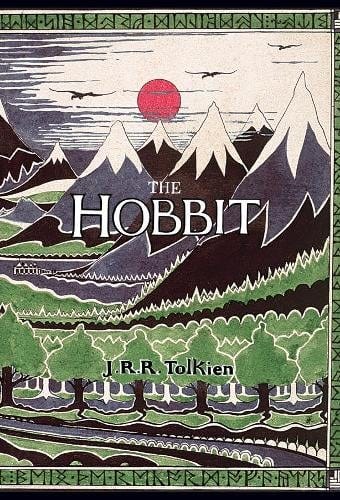
“Go back?” he thought. “No good at all! Go sideways? Impossible! Go forward? Only thing to do! On we go!” So up he got, and trotted along with his little sword held in front of him and one hand feeling the wall, and his heart all of a patter and a pitter.”
One of the first books I remember my brother recommending to me (at least that I actually read). It’s one of the best children’s books ever — I would say in my opinion, but I do believe it’s the opinion of most. The world of Middle Earth has become so widely known, but the self-contained, un-complicated way it evolves within this little book is so beautiful and all-consuming, most of the scenes in this remain in my mind’s eye and it’s been at least 15 years since I last read it.
Bilbo Baggins enjoys a quiet and contented life, with no desire to travel far from the comforts of home; then one day the wizard Gandalf and a band of dwarves arrive unexpectedly and enlist his services - as a burglar - on a dangerous expedition to raid the treasure-hoard of Smaug the dragon. Bilbo’s life is never to be the same again.
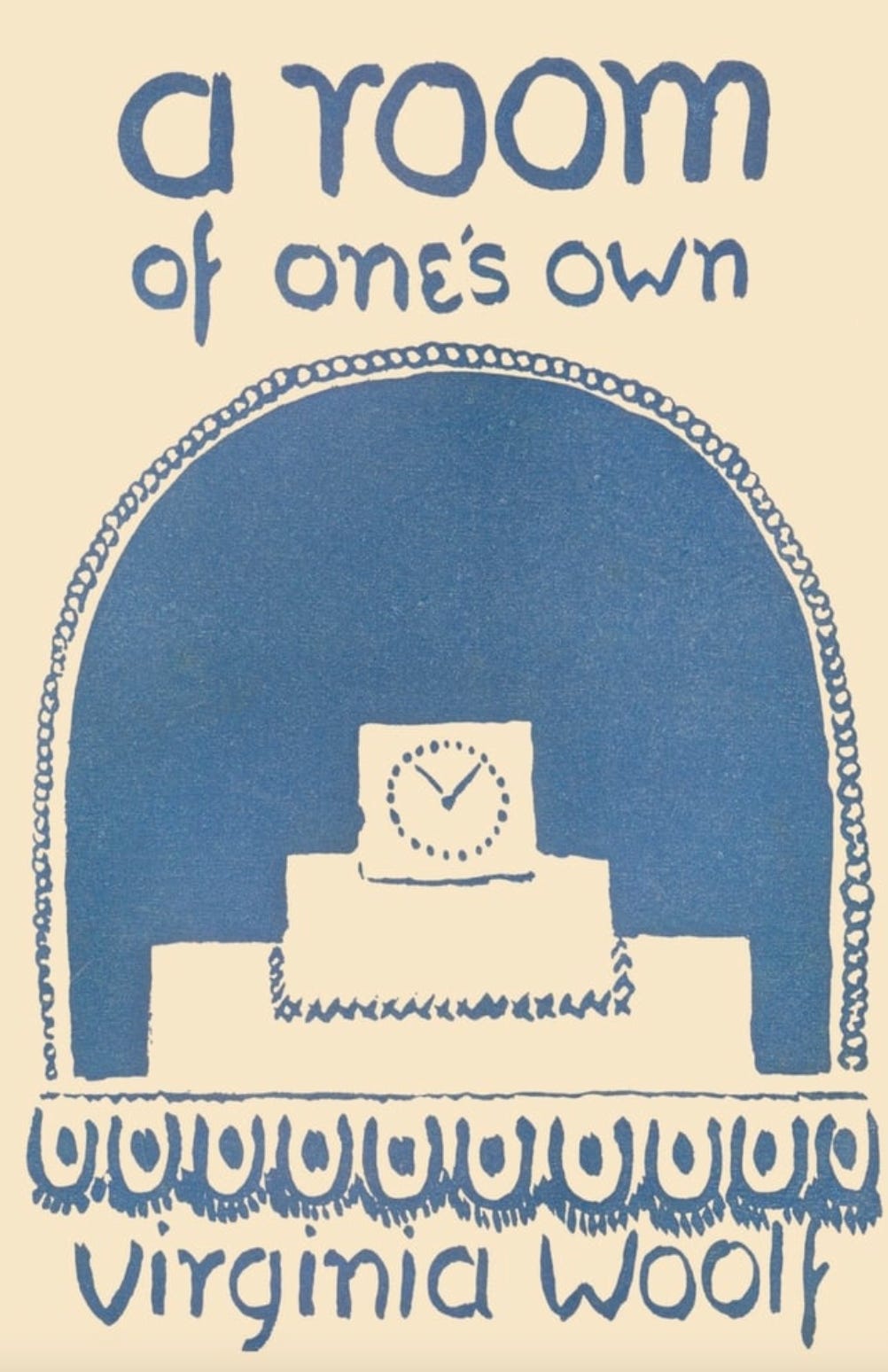
“The history of men’s opposition to women’s emancipation is more interesting perhaps than the story of that emancipation itself.”
A seminal text in so many lives, and definitely my most referenced. One of the first to wake me up to the urgency of feminism (even though it’s nearly 100 years old). In the same way I’m trying to measure my life in art here, I could easily measure it in moments of feminist epiphanies, and it’s hard not to set out on a list about literature without thinking of those two merging.
Virginia Woolf’s seminal feminist tract, an extended essay in six parts, which combines non-fiction, fiction, and stream-of-consciousness prose into a rigorous meditation on women and writing. Central to the work is the idea referenced in the title, that, as Woolf states, “a woman must have money and a room of her own if she is to write fiction.” While largely focusing on the struggles of white, upper-middle-class women, “A Room of One’s Own” still centers its argument on the need for financial independence that belies the ability for full personal and artistic expression, and in this way, if not by particular example, extends its rhetorical argument to a broader set of socio-economic circumstances.
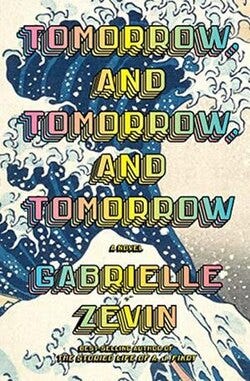
“There is a time for any fledgling artist where one's taste exceeds one's abilities. The only way to get through this period is to make things anyway.”
One of the few books I recommend to everyone because I think it’s written in a way that anyone could enjoy, while simultaneously having so many small themes to it that I believe anyone could get something out of it. It came to me at the right time in my life, and there are a lot of small bits of it I carry with me, from its musings on love to art and creation. It’s not all new or particularly groundbreaking, but I felt myself reflected in all of its characters, which is a feat for the generality in specificity from Zevin.
This is the story of Sam and Sadie. It’s not a romance, but it is about love. When Sam catches sight of Sadie at a crowded train station one winter morning he is catapulted back to the brief time they spent playing together as children. Their unique spark is instantly reignited. What comes next is a story of friendship and rivalry, fame and creativity, betrayal and tragedy, perfect worlds and imperfect ones. And, ultimately, our need to connect: to be loved and to love.
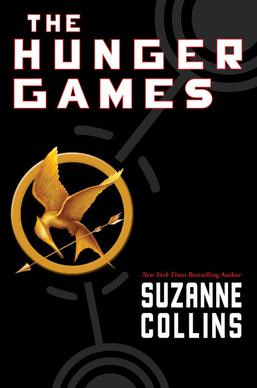
“It takes ten times as long to put yourself back together as it does to fall apart."
How many of us weren’t ever-so-slightly changed by The Hunger Games? I recently, for perhaps obvious reasons, re-visited these stories and realised how well constructed Collins’s world is and how much of it may have shaped my view of political activism. I think, in terms of YA, Collins really proved that to write something that will stand the test of time in such a spectacular way, you have to say something that matters.
In the ruins of a place once known as North America lies the nation of Panem, a shining Capitol surrounded by twelve outlying districts. The Capitol is harsh and cruel and keeps the districts in line by forcing them all to send one boy and one girl between the ages of twelve and eighteen to participate in the annual Hunger Games, a fight to the death on live TV. Sixteen-year-old Katniss Everdeen regards it as a death sentence when she steps forward to take her sister’s place in the Games. But if she is to win, she will have to start making choices that weigh survival against humanity and life against love.
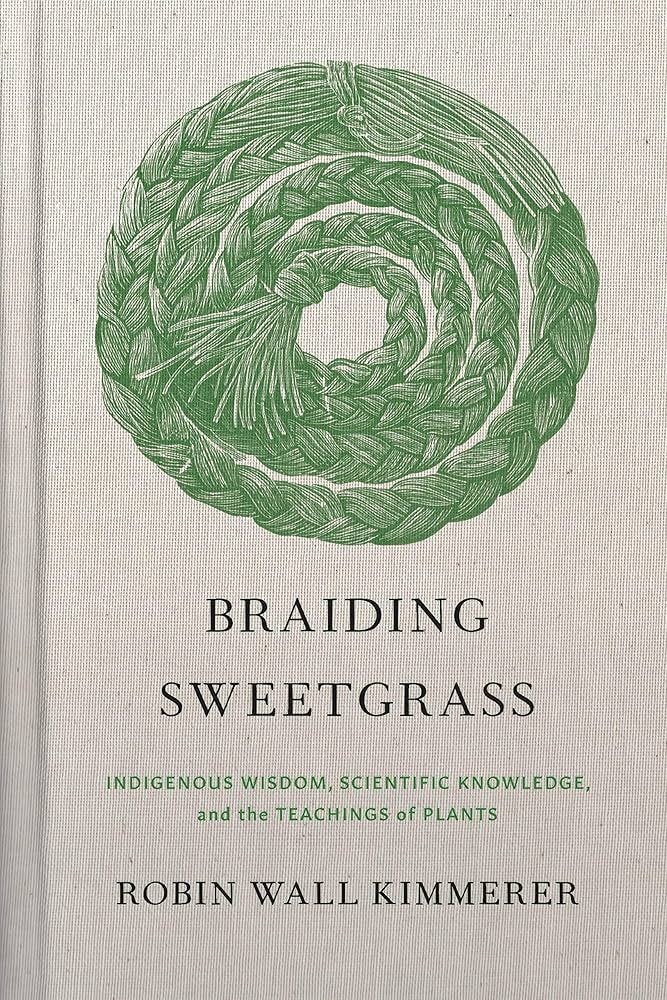
“Action on behalf of life transforms. Because the relationship between self and the world is reciprocal, it is not a question of first getting enlightened or saved and then acting. As we work to heal the earth, the earth heals us.”
A bible for nature writing, Braiding Sweetgrass is one of the most beautiful reads I’ve ever encountered. Wall Kimmerer’s view of nature changed the way I look at the world, and I would be shocked if anyone who read this didn’t leave it at least a little changed.
PS: I highly recommend the audiobook if that’s more your vibe, Wall Kimmerer reads it herself and she has one the most soothing voices, it’s a joy to listen to.
As a botanist, Robin Wall Kimmerer has been trained to ask questions of nature with the tools of science. As a member of the Citizen Potawatomi Nation, she embraces the notion that plants and animals are our oldest teachers. Drawing on her life as an indigenous scientist, a mother, and a woman, Kimmerer shows how other living beings offer us gifts and lessons, even if we've forgotten how to hear their voices.
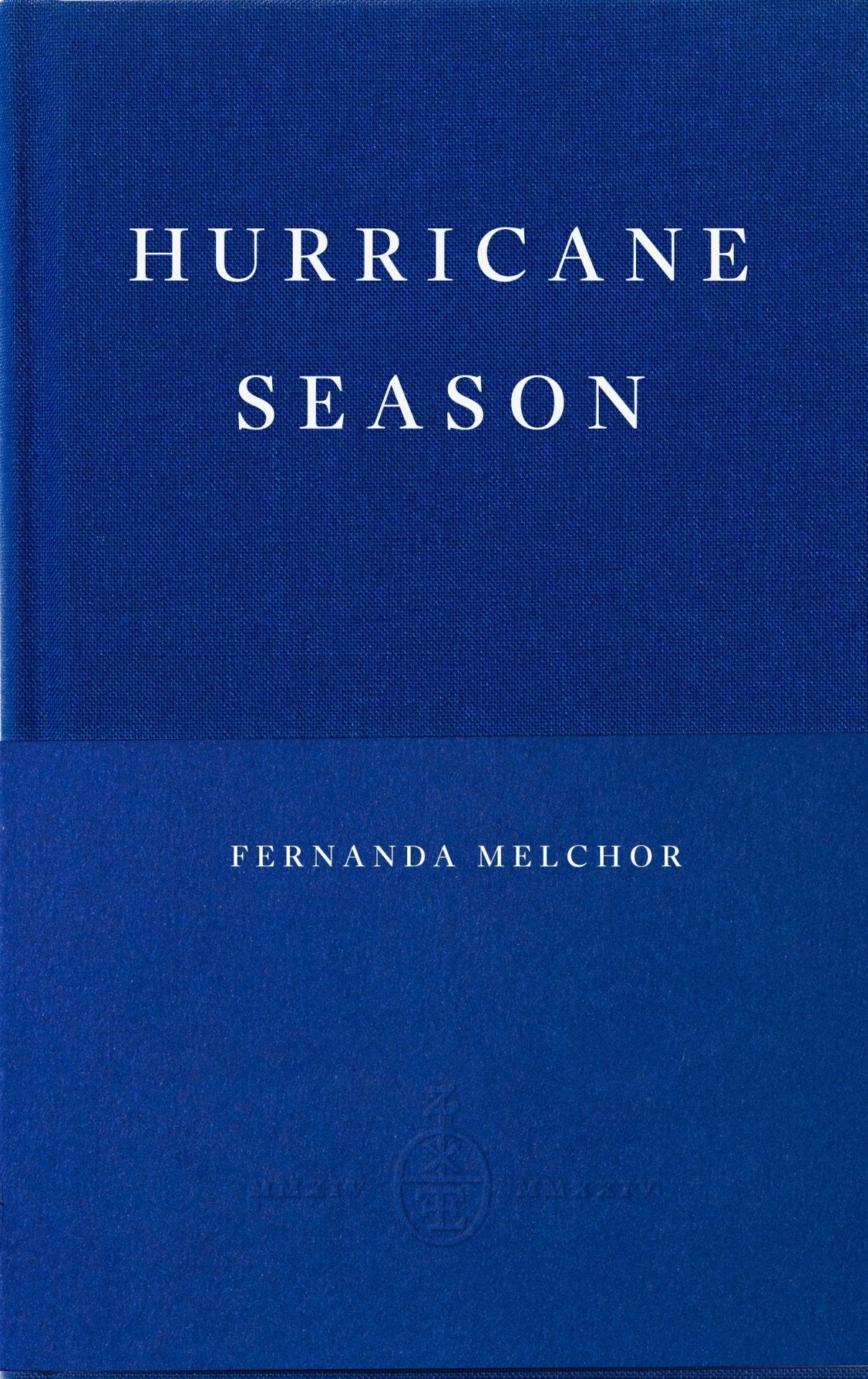
“They called her the Witch, the same as her mother; the Young Witch when she first started trading in curses and cures, and then, when she wound up alone, the year of the landslide, simply the Witch.”
I think it was the visceral nature of this book that stopped me in my tracks. I’d never read anything like it, and I haven’t since. It captures a portrait of the dangers of ingrained misogyny in Mexico in a way that doesn’t shy away from the horror and violence, but makes it part of its woven narrative (very much in the same way femicides are woven through everyday life in the country, particularly for women in poverty). I haven’t read the translation of this, but I hear Fernanda Melchor likes it so in Fitzcarraldo we trust.
The Witch is dead. After a group of children playing near the irrigation canals discover her decomposing corpse, the village of La Matosa is rife with rumours about how and why this murder occurred. As the novel unfolds in a dazzling linguistic torrent, Fernanda Melchor paints a moving portrait of lives governed by poverty and violence, machismo and misogyny, superstition and prejudice.
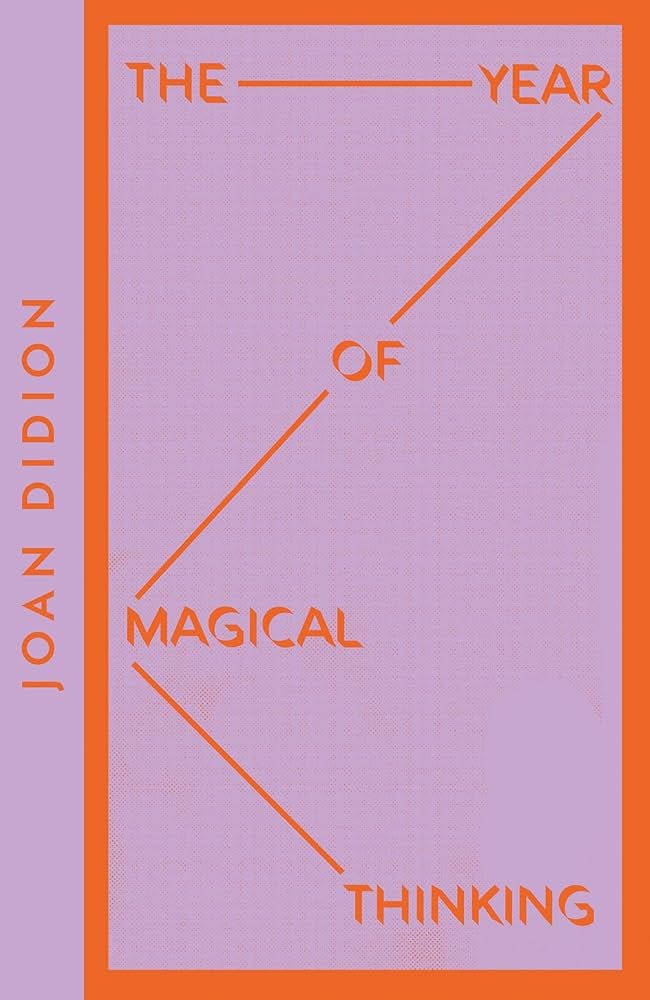
“I could not count the times during the average day when something would come up that I needed to tell him. This impulse did not end with his death. What ended was the possibility of response.”
I could add in a lot of Didion to this list, but this is the one that I know will stay with me consistently the longest (and in its largest chunks). Her reflections on grief, relationships, love and the space we carve out for others are as stunning as they are important. Didion famously said we tell stories in order to live, and I think this book is where she put that in action the most in her own life. How else can you carry the immense amount of grief she had to? How could she carry on if not through writing? That need and impulsivity to write is what shines the most, and I know I will return to this one at many points in my life.
Several days before Christmas 2003, John Gregory Dunne and Joan Didion saw their only daughter, Quintana, fall ill. At first they thought it was flu, then pneumonia, then complete septic shock. She was put into an induced coma and placed on life support. Days later - the night before New Year’s Eve -the Dunnes were just sitting down to dinner after visiting the hospital when John suffered a massive and fatal coronary. In a second, this close, symbiotic partnership of 40 years was over. The result is an exploration of an intensely personal yet universal experience: a portrait of a marriage, and a life, in good times and bad.
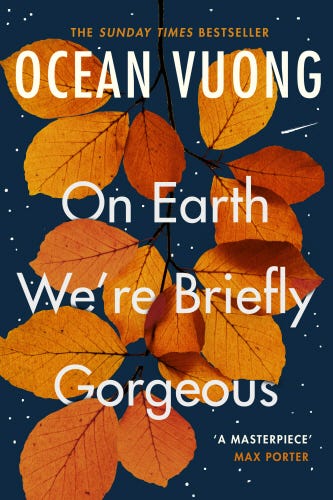
“In Vietnamese, the word for missing someone and remembering them is the same: nhớ. Sometimes, when you ask me over the phone, Có nhớ mẹ không? I flinch, thinking you meant, Do you remember me? I miss you more than I remember you.”
I read this at a time where I was evaluating and deeply thinking about the relationships we have with our parents, how we grow up in a world built by them only to create worlds for them when we get older, the importance of the reciprocity of it all. So this book hit me like a ton of bricks. Vuong is, obviously, a beautiful writer, and it doesn’t just come from his poetry-in-prose, but from the generosity he pours into it. He’s deeply honest, even in fiction, and the result is… well, gorgeous.
This is a letter from a son to a mother who cannot read. Written when the speaker, Little Dog, is in his late twenties, the letter unearths a family's history that began before he was born. It tells of Vietnam, of the lasting impact of war, and of his family's struggle to forge a new future. It serves as a doorway into parts of Little Dog's life his mother has never known - episodes of bewilderment, fear and passion - all the while moving closer to an unforgettable revelation.
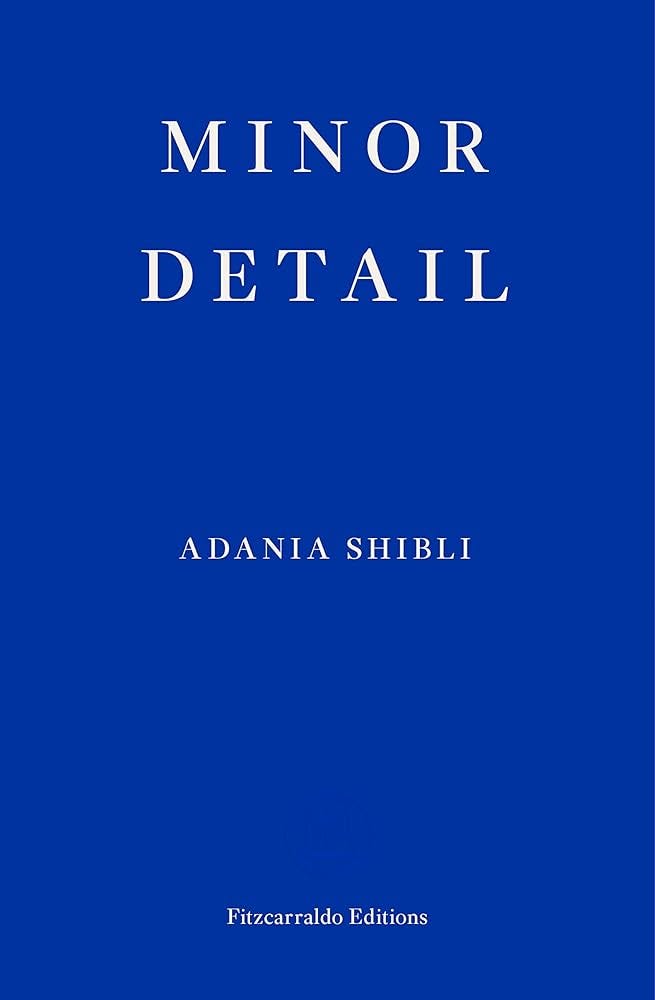
“There are some who consider this way of seeing, which is to say, focusing intently on the most minor details, like dust on the desk or fly shit on a painting, as the only way to arrive at the truth and definitive proof of its existence.”
It’s the small details of historical tragedies that get blurred most, particularly when those tragedies are deliberately smudged in order to remove human feeling. But it’s in those details that the evidence exists most plainly. This book is, obviously, not an easy read, but its impact on me is not just about its urgency or political motives, it’s also about the tools Shibli uses, the way she tells story, the construction of the novel. I suppose, what I mean to say is that it’s not just urgent, it’s also a great book.
I was also lucky enough to listen to Hisham Matar interview Adania Shibli at Hay Festival in 2024 and it’s a conversation that will stay with me forever.
Minor Detail begins during the summer of 1949, one year after the war that the Palestinians mourn as the Nakba and the Israelis celebrate as the War of Independence. Israeli soldiers capture and rape a young Palestinian woman, and kill and bury her in the sand. Many years later, a woman becomes fascinated to the point of obsession with this 'minor detail' of history. A haunting meditation on war, violence and memory, it cuts to the heart of the Palestinian experience of dispossession, life under occupation, and the persistent difficulty of piecing together a narrative in the face of ongoing erasure and disempowerment.
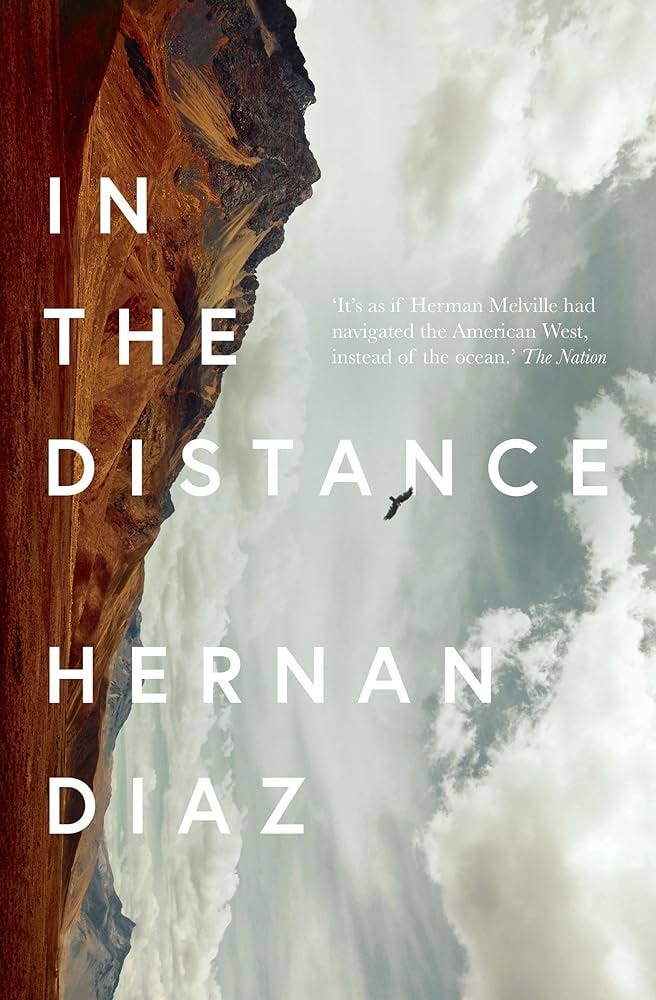
“Nothing left behind in the wilderness could ever be retrieved. Every encounter was final. Nobody came back from beyond the horizon. It was impossible to return to anything or anyone. Whatever was out of sight was forever lost.”
There are images from this book that are forever stored in my head. It’s one of the most visual books I’ve ever read without it being overly descriptive, the scenery and environment is such a part of the main character that it’s impossible to extricate him from it. And it’s in the meaning behind that, behind belonging entirely to landscape and not to place, being an outsider somewhere where there aren’t really insiders. It reads a little like a myth, and Håkan is one of my favourite main characters — I feel fiercely protective whenever I think of him.
(Also, there are some big Frankenstein vibes in this so if you like that one I would recommend reading this one. I find it hard to think of one without the other now.)
Håkan Söderström is a man who has become a legend. Giant in size, rumoured to be bloodthirsty and fearless, he is known simply as ‘the Hawk’. But behind this myth is a tale of loss and survival. As a young man Håkan is sent from Gothenburg with his brother Linus to seek their fortunes in New York. In the chaos of the port, he is separated from Linus and finds himself instead on a ship bound for California. In the Distance is a novel about radical foreignness – about being lost in a country that does not yet exist. As Håkan confronts desert and mountains, he is thrown between the threat of violence and devastating loneliness, all the while keeping the image of his brother, and the hope of companionship, in the distance.
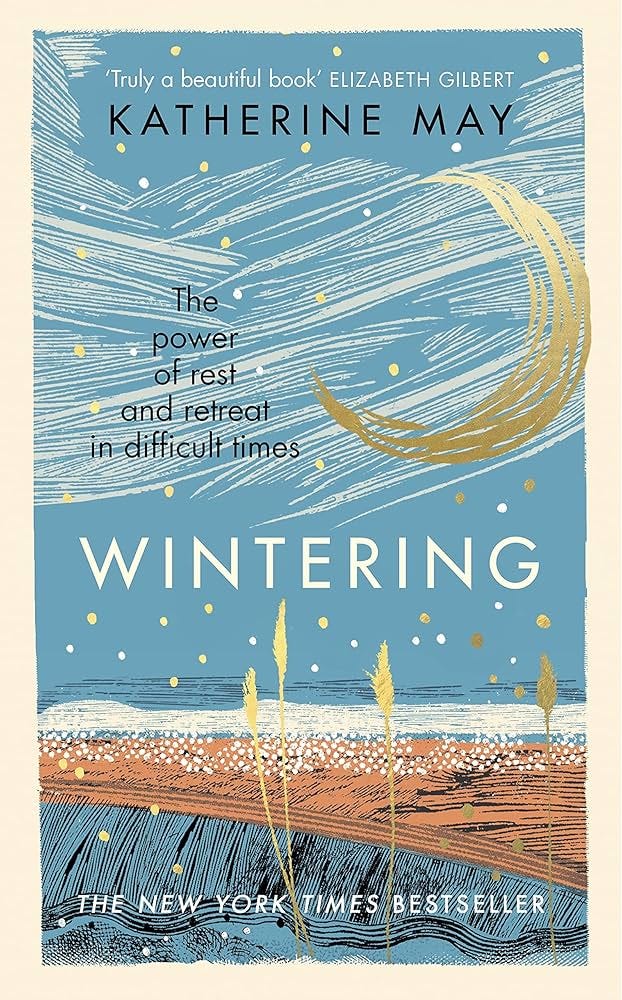
“Plants and animals don’t fight the winter; they don’t pretend it’s not happening and attempt to carry on living the same lives that they lived in the summer. They prepare. They adapt. Winter is not the death of the life cycle, but its crucible.”
I read this a year after moving from Mexico to the UK and, as anyone who’s made a similar move will know, one of the hard things is adapting to a place where winter exists. Where the sun goes down at 4pm and it bites to leave your house, where it’s months of bundling and pale faces. Wintering made me learn not just to endure it, but to love it. It made me understand there is something essential in hibernation and rituals, in hunkering down and starting over, in honouring the natural cycle of things. I (and most Brits will gasp at this) actually look forward to winters now. Go figure.
Wintering is a comforting meditation on the fallow periods of life, times when we must retreat to care for and repair ourselves. Katherine May thoughtfully shows us how to come through these times with the wisdom of knowing that, like the seasons, our winters and summers are the ebb and flow of life. A moving personal narrative interwoven with lessons from literature, mythology and the natural world, May's story offers instruction on the transformative power of rest and retreat. Illumination emerges from many sources: solstice celebrations and dormice hibernation, C.S. Lewis and Sylvia Plath, swimming in icy waters and sailing arctic seas.
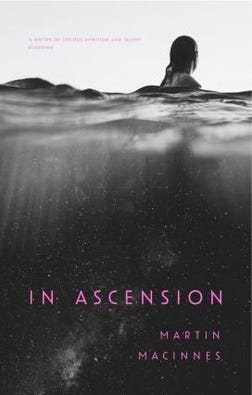
“You’re flawed, and the world you see corresponds to these flaws. Weaknesses define you, drive new and original strategies to cover them, and they make you who you are. You don’t exist without them.”
A larger-than-life novel that explores the depths of the world and the universe in sweeping, yet quiet narratives. I underlined so much of this book. Maciness wrote the novel by hand on the coast Scotland, which, thematically and plot-wise, makes a lot of sense. An isolation that brings about the importance of connection — with Earth and with others.
Leigh grew up in Rotterdam, drawn to the waterfront as an escape from her unhappy home life and volatile father. Enchanted by the undersea world of her childhood, she excels in marine biology, travelling the globe to study ancient organisms. When a trench is discovered in the Atlantic ocean, Leigh joins the exploration team, hoping to find evidence of the earth’s first life forms – what she instead finds calls into question everything we know about our own beginnings.
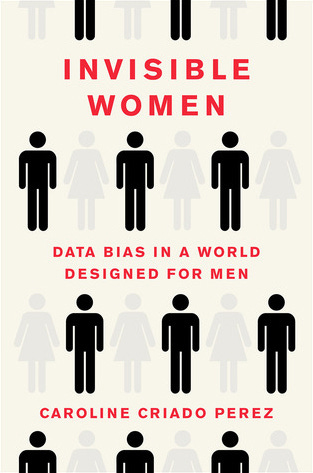
“It's not always easy to convince someone a need exists, if they don't have that need themselves.”
Everyone should read this and learn at least 30% of the facts it states, if we all did that, we could change the world. A deeply impactful, incredibly necessary book that I bring up consistently.
From government policy and medical research, to technology, workplaces, and the media. Invisible Women reveals how in a world built for and by men we are systematically ignoring half of the population, often with disastrous consequences. Caroline Criado Perez brings together for the first time an impressive range of case studies, stories and new research from across the world that illustrate the hidden ways in which women are forgotten, and the profound impact this has on us all.
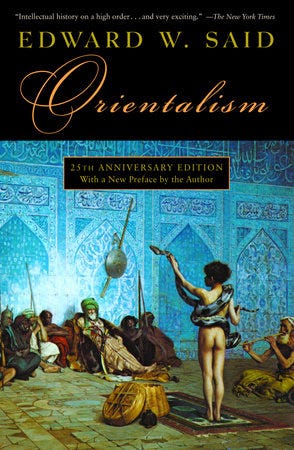
“From the beginning of Western speculation about the Orient, the one thing the orient could not do was to represent itself. Evidence of the Orient was credible only after it had passed through and been made firm by the refining fire of the Orientalist’s work.”
I don’t necessarily think this book is ageless, I think a lot of its theory can be found elsewhere today — perhaps even updated to current circumstance, but Said’s work was the first (and rightly so) work of this type I read as a teen, and it changed my worldview immediately.
In this highly acclaimed work, Edward Said surveys the history and nature of Western attitudes towards the East, considering Orientalism as a powerful European ideological creation - a way for writers, philosophers and colonial administrators to deal with the 'otherness' of eastern culture, customs and beliefs. Drawing on his own experiences as an Arab Palestinian living in the West, Said examines how these ideas can be a reflection of European imperialism and racism.
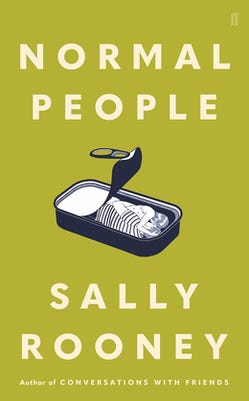
“Marianne had the sense that her real life was happening somewhere very far away, happening without her, and she didn't know if she would ever find out where it was or become part of it.”
Hands down my favourite Rooney, and the only one I’ve felt viscerally part of. Marianne will always mean a lot to me, her handling of her identity and her world was a little too familiar. And it’s also, I believe, Rooney’s biggest success in class commentary within a novel.
Sally Rooney’s follow-up to her celebrated debut, international bestseller Conversations with Friends, is a startlingly fresh and perceptive story of the most universal subject matter. Centred around the inner lives of Marianne and Connell, Rooney charts their entry into adult life as they learn about intimacy, forgiveness and self-belief against a backdrop of shifting social spheres.
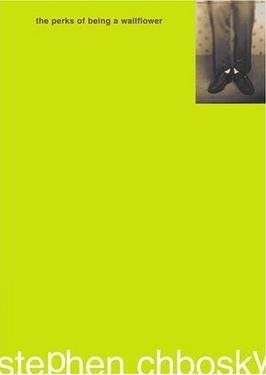
“It's strange because sometimes, I read a book, and I think I am the people in the book.”
I remember feeling like I had to consume this book, strip it to the bone, chew every sentence, then examine what was left. I wrote in it, underlined it, read it obsessively, gave it to friends. At that point in my life, for many reasons, I was a wallflower. I was quiet, withdrawn and very uninterested in expanding my social orbit. I have a very clear memory of being described, quite un-kindly, as “part of the furniture.” Chbosky had captured a kid like that and, despite giving him a lot of trauma, he made that life feel magical. I think I wanted that.
Charlie is a shy and introspective teenage boy, a wallflower always standing on the edge of the action. We learn about him through the letters he writes to someone of an undisclosed name, age and gender, a stylistic technique which adds to the heart-wrenching earnestness of the story. More intimate than a diary, Charlie’s letters are singular and unique, hilarious and devastating.
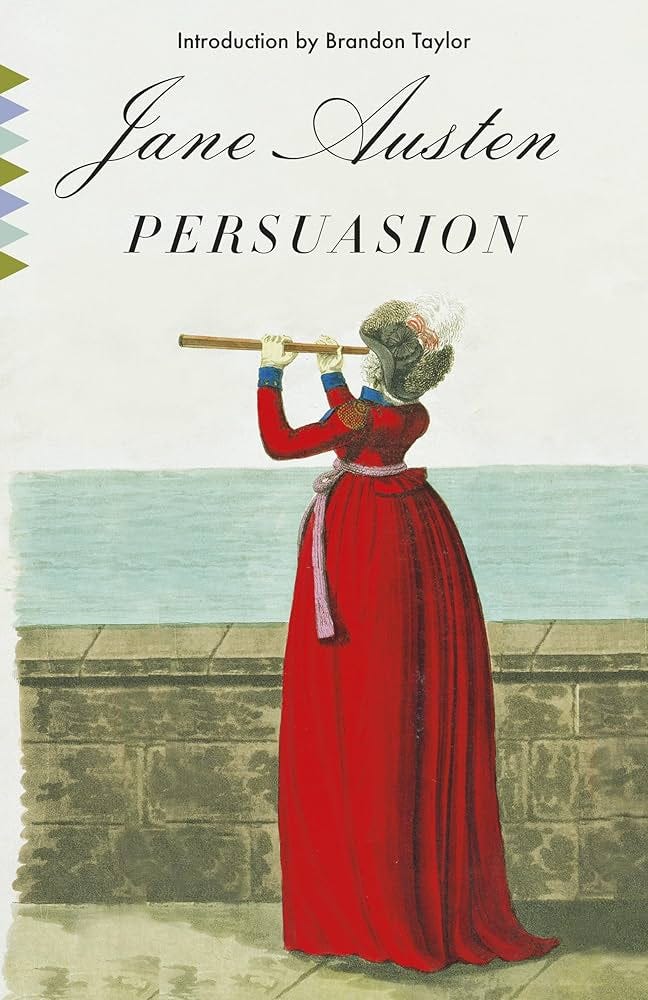
“Let us never underestimate the power of a well-written letter.”
I love a lot of Austen’s work, but I think Persuasion is as close to perfect as it gets. It maintains the tenseness all the way through, only letting us breathe at the very end through a beautifully written letter (again, one of Austen’s best endings). If there is one I wish I could experience for the first time again, it’s this one.
At twenty-seven, Anne Elliot is no longer young and has few romantic prospects. Eight years earlier, she had been persuaded by her friend Lady Russell to break off her engagement to Frederick Wentworth, a handsome naval captain with neither fortune nor rank. What happens when they encounter each other again is movingly told in Jane Austen’s last completed novel. Set in the fashionable societies of Lyme Regis and Bath, Persuasion is a brilliant satire of vanity and pretension, but, above all, it is a love story tinged with the heartache of missed opportunities.
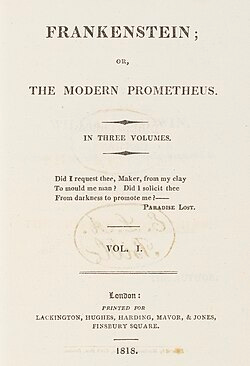
“I have love in me the likes of which you can scarcely imagine and rage the likes of which you would not believe. If I cannot satisfy the one, I will indulge the other.”
Arguably the first novel of science fiction and possibly the ultimate novel about being an outsider and humanity’s flaws in allowing the other to belong. The cultural cache of this one is hard to beat, and it earns its place. It’s a wonderful read with so much to unpack, so much to learn from (both in literature and life), and forever-haunting imagery for good measure.
Navigating the Arctic, the captain of a ship rescues a man wandering near death across the ice caps. How the man got there reveals itself in a story of ambition, murder and revenge. As a young scientist, Victor Frankenstein pushed moral boundaries in order to cross the final frontier and create life. But his creation is a monster stitched together from grave-plundered body parts who has no place in the world, and his existence can only lead to tragedy.
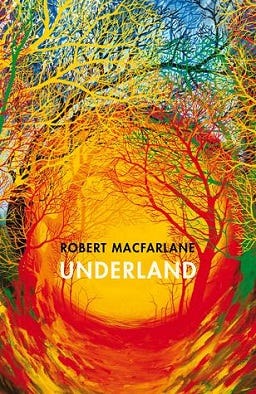
“We are part mineral beings too – our teeth are reefs, our bones are stones – and there is a geology of the body as well as of the land.”
There is a theme I have noticed with a lot of my most formative books, and it’s often those which create a sense of one-ness with nature, of being a part of the Earth. Macfarlane makes a beautiful case for it in Underland, his best work. It’s a book both about the people he surrounds himself with and the places they take him to. It’s interesting and surprising. It taught me a lot (literally facts about the underland itself, but also about connections and, particularly, the structure of story using landscape, people and time).
From the vast underground mycelial networks by which trees communicate to the ice-blue depths of glacial moulins, and from North Yorkshire to the Lofoten Islands, Robert Macfarlane traces a voyage through the worlds beneath our feet. He reaches back into the deep history of the planet, through the layers of rock and ancient buried objects, and forward to the future, the legacy of the anthropocene and the world we bequeath our descendants.
No posts
Comments
Nothing yet. Say the first thing.
Sign in to join the conversation.