
I frequently speak with people who know something isn’t right with a particular space in their home, but they can’t put their finger on what it is. Now, not to toot my own trumpet, but this is where an interior designer can really help you. We’re able to almost immediately see what it is that could help solve your problems.
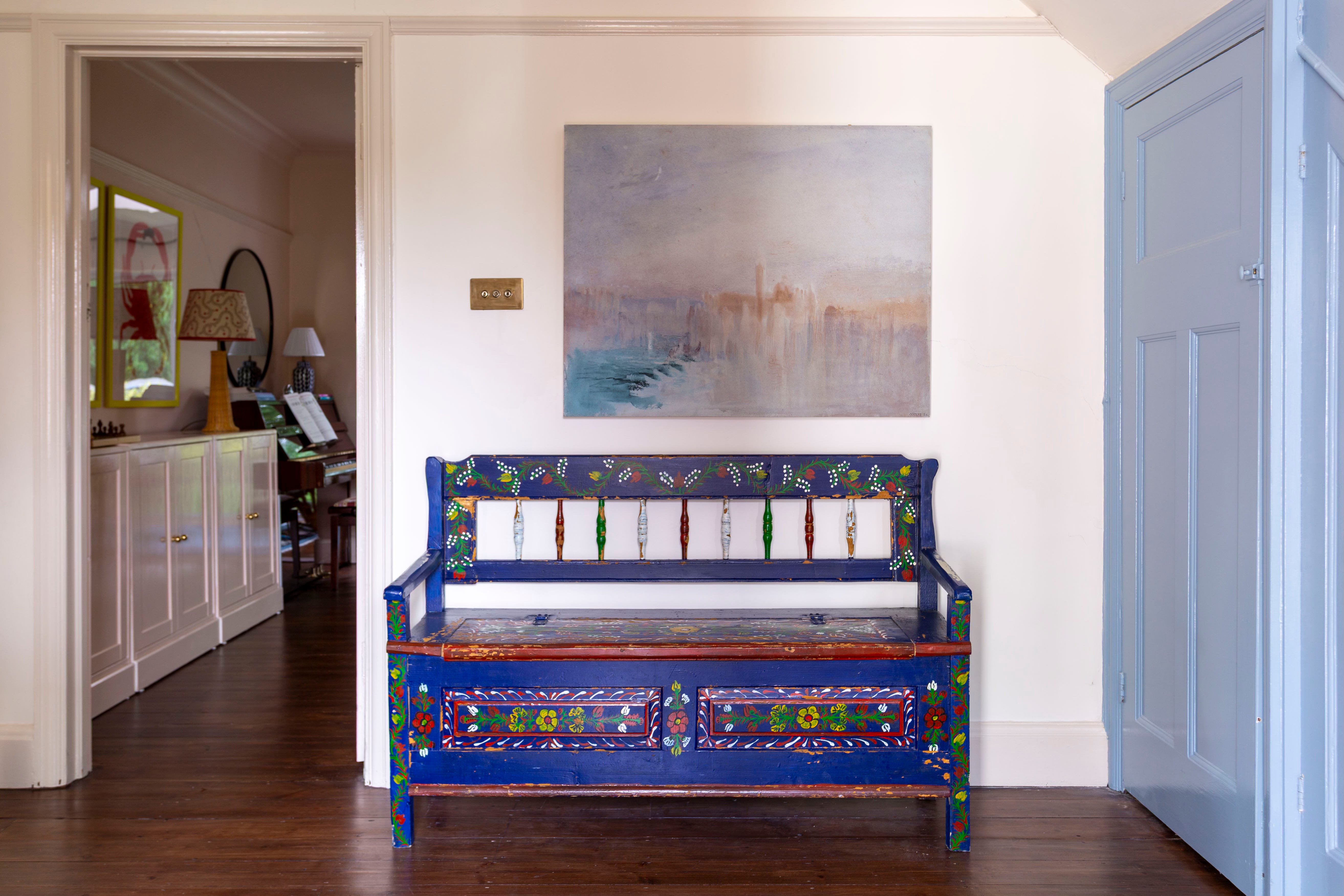
So this could be anything from the furniture doesn’t work in a space or the new paint you’ve used doesn’t look like the Pinterest images. With just a few questions asked, a designer can ascertain what is causing this issue and how you can resolve it. I can’t profess to be able to answer every single dilemma out there with a single Substack article, however I wanted to pull together an overview of some of the biggest flags I’d look out for.
This is by no means a criticism of any choices you’ve made! To be transparent, I would say every designer has succumbed to some of these at some point early in our careers. My hope is, it’s a handy guide to help and can also give an idea of how a designer could help in the form of consultations or a more extensive design service.
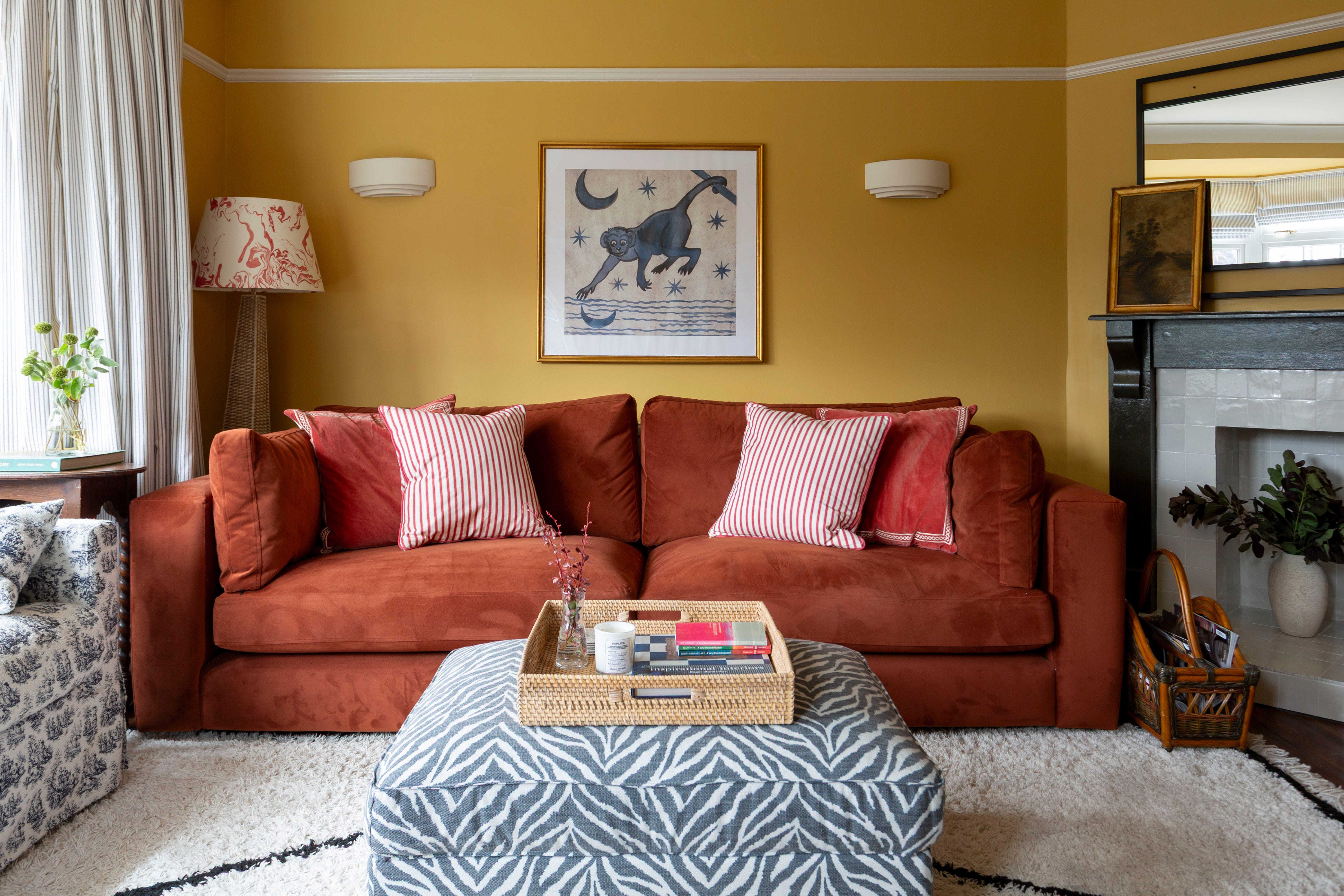
This is one of the most common things I see. It’s like Goldilocks - too small, it can make the room look smaller. Too big, the room feels cramped. So what are the things to look out for and how to solve this dilemma?
TOO SMALL
Even small rooms can benefit from furniture that feels almost slightly oversized. It feels generous, whereas small furniture feels stingy and like you haven’t the budget to fill the room. You can tell furniture is too small if there are large gaps between items or things look like they’re floating. Measure up and if you’re unsure, use masking tape on the floor to outline furniture.
TOO BIG
Slightly harder to diagnose, but a sure fire sign is either you can’t navigate around the room comfortably or your eye is drawn immediately to a piece that feels like a behemoth. In this instance, I'd ideally try and swap out for something that feels a bit more delicate or if there’s space, add in some items to balance out.
Finally, rugs. Designers talk about this a lot and for good reason. We don’t want a floating rug/magic carpet situation, no thank you. So try and get the biggest rug you can afford - ideally at least the front legs of furniture should sit on it. If you have a lovely rug that feels too small, a good solution is to put an inexpensive larger jute rug underneath which instantly grounds the space but still allows your rug to shine.
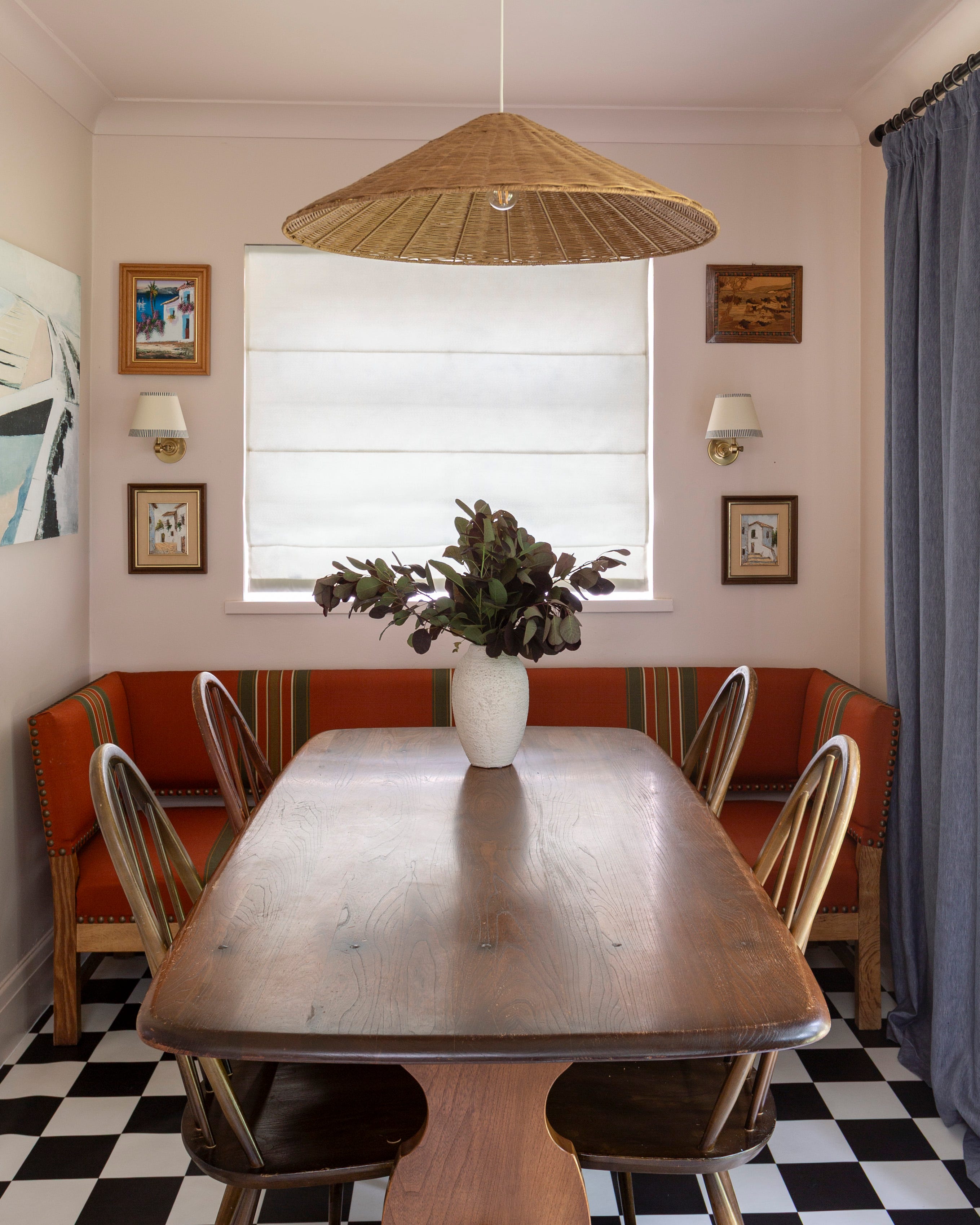
When choosing paint colours, it’s so important to test them on a large sample (much larger than an A5 colour card), and move around the room. It’s also essential that you work out what direction your room is facing and don’t fight this. For instance, in a north facing room certain colours are going to feel cooler, and it’s always going to feel on the gloomy side so try and counteract this with warmer colours such as a soft yellow based pink like Pink Ground. Alternatively, lean into the gloom with darker, sludgier colours and accept this room will never be bright and airy.
In contrast, a south facing room can take brighter colours and warm whites (Wimborne White is my go to) to create a lighter space - colours will feel more bleached out, so you can be a bit bolder.
This is my bête noire - I have quite sensitive eyes so prefer soft lamp lighting and candles (I literally would live with lighting like a Victorian if I didn’t live with other people). If your room feels off, look around - how many forms of lighting are there? Do you have a ceiling light and one lamp? This is surprisingly common and leaves spaces feeling stark. I’d start with investing in lamps for the corners of your room or next to the main places you sit. Have a mix of table and floor lamps. Use them to create sculptural interest and height in a room. You can then create layers of light, you don’t have to have them all on at once.
If you’re designing a room from scratch and doing building works, think of where you could benefit from some wall lights. They cast such a lovely glow and it’d cost an electrician £200-300 to install before the decorators come in.
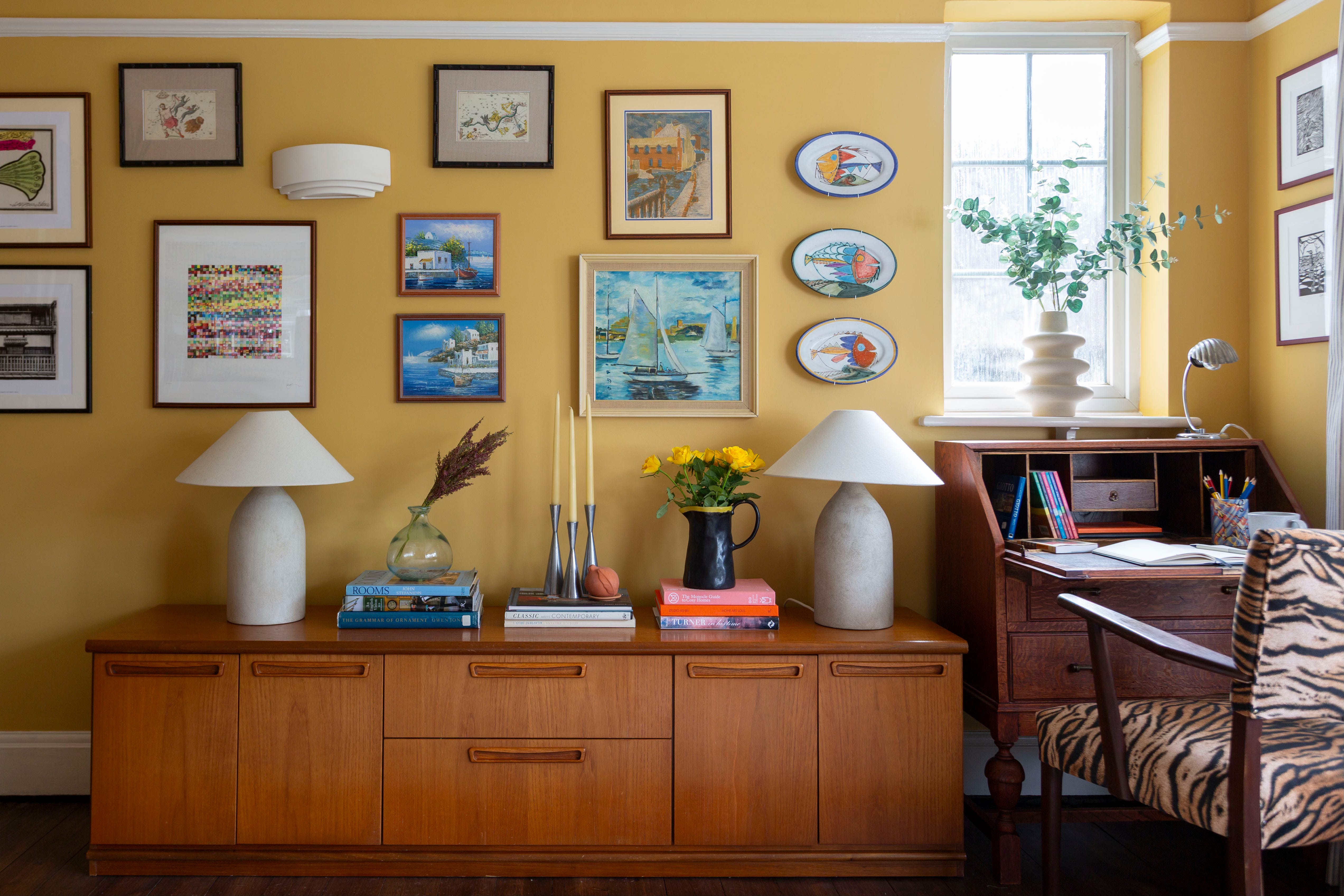
This sounds very vague, so let me give some examples. This is all about creating interest for the eye. Places for it to wander to.
It could be that in your living room, all the legs on your sofas and armchairs are the same. You ideally want a mix of chunkier pieces, paired with slimmer legs. Or it might be that everything is at the same height, there aren’t any curtains or tall furniture so it can feel a bit flat.
A room where everything is new can feel weird and it’s hard to pinpoint why until you notice it. Maybe it’s me, but it feels like a show home or hotel rather than somewhere someone lives. Try and find second hand pieces that you love, particularly items like tables, sideboards, armchairs and artwork - instantly your room will look like it’s been collected over time and somewhere a real person lives.
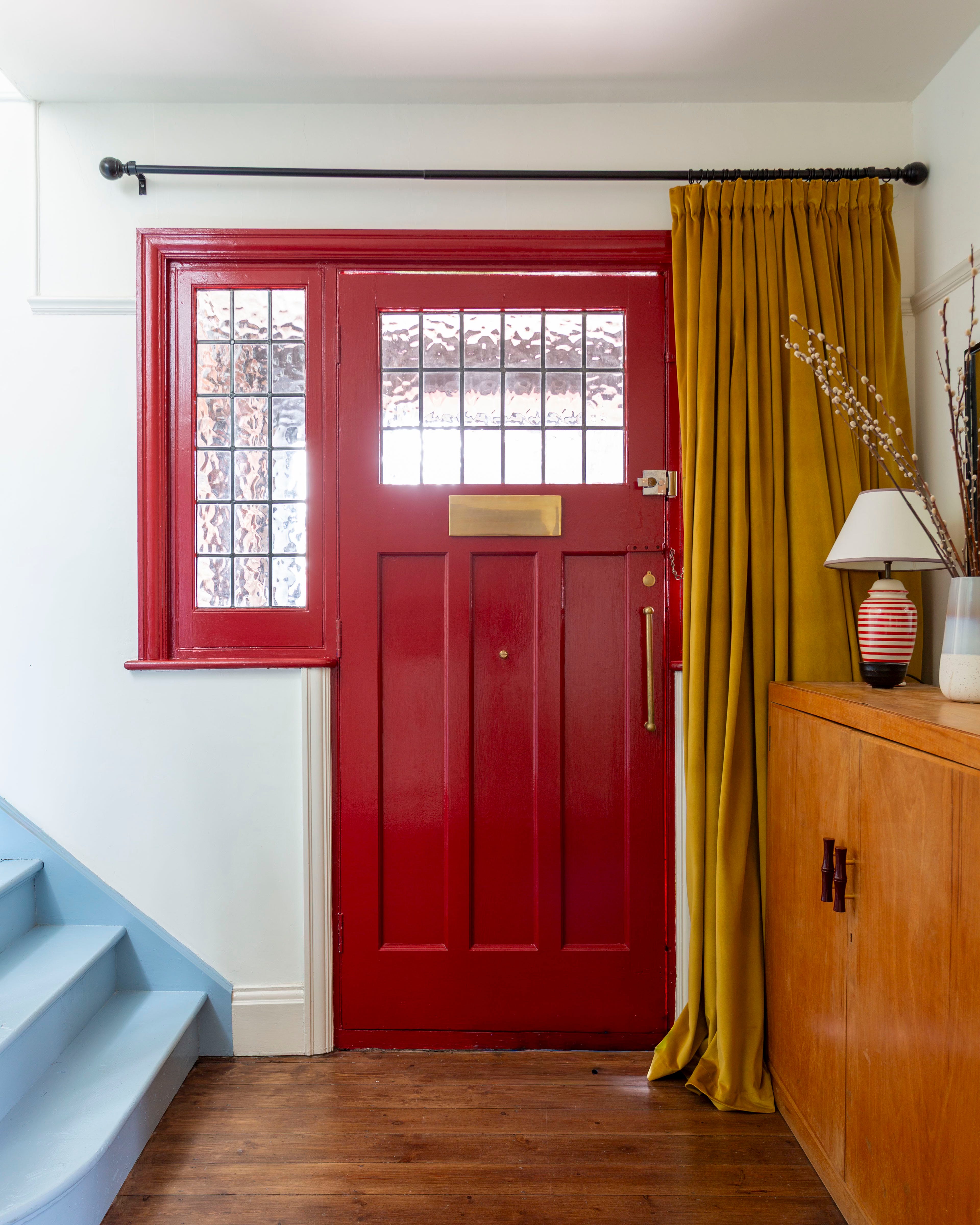
Curtains are a big investment that make a huge difference to a room when done well. The big challenge is that ready-made curtains come in set sizes, yet windows come in an array of sizes. There are a few options to tackle this:
Custom Made: this is of course the most expensive, but will get the best result. You can get your local curtain maker, which is great as they can measure and it’s their responsibility for getting the sizing right. Alternatively, there are sites like Jane Clayton or Curtains 2 Go - I’ve used this a lot personally for simple curtains and the quality is good, but it is up to you to measure although they have insurance you can pay extra for to cover any errors.
Custom Hybrid: There are some great websites that offer good quality curtains in set widths but you can customise the length. My favourites are Nordic Knots and Gotain, which I’ve used multiple times.
Ready Made: This is what people generally use, my advice would be…
Get ones with a pencil pleat header, this looks much more expensive than eyelets
Natural fabrics look best - Secret Linen Store and H&M do some great cotton or linen ones
If you can’t get the right size, have them altered at your local dry cleaners. I’ve also had two pairs sewn together to create a full curtain for a large window
This is by no means an exhaustive guide, but hopefully helps you pinpoint a few of the things that may be making your room feel off. This problem solving is often the basis of a consultation, during which I go into more detail and provide solutions to the problems a client has with their home. I offer a variety of consultation types from 1 hour, to extended in person or remote services - feel free to reach out for a quick discovery call to learn more.
As always, thanks for taking the time to read, it’s so appreciated!
Steph x
No posts
Comments
Nothing yet. Say the first thing.
Sign in to join the conversation.