
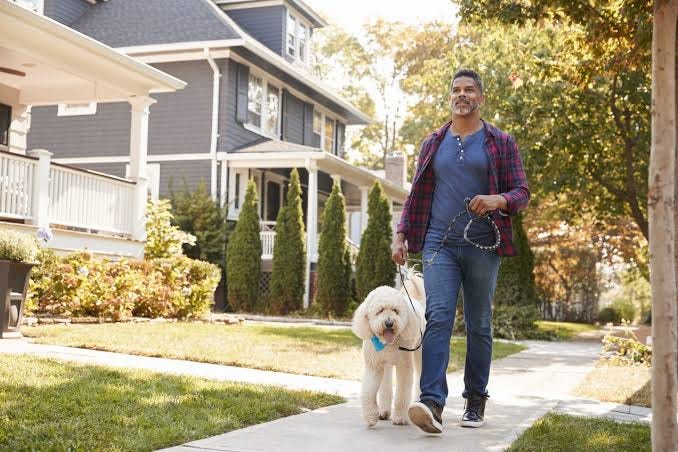
Have you ever noticed how a short walk after a meal makes you feel lighter and more refreshed? It may seem like a small habit, but taking a gentle stroll after eating has been linked to several health benefits, from supporting digestion to helping manage blood sugar levels. The best part is that it doesn’t require a gym membership, expensive equipment, or a major lifestyle change.
In a world where many of us spend long hours sitting, adding just 10 to 15 minutes of walking after meals is a practical way to stay active. While it’s not a magic solution for weight loss or disease prevention, research suggests that this simple habit can positively contribute to overall health when practiced consistently as part of a balanced lifestyle.
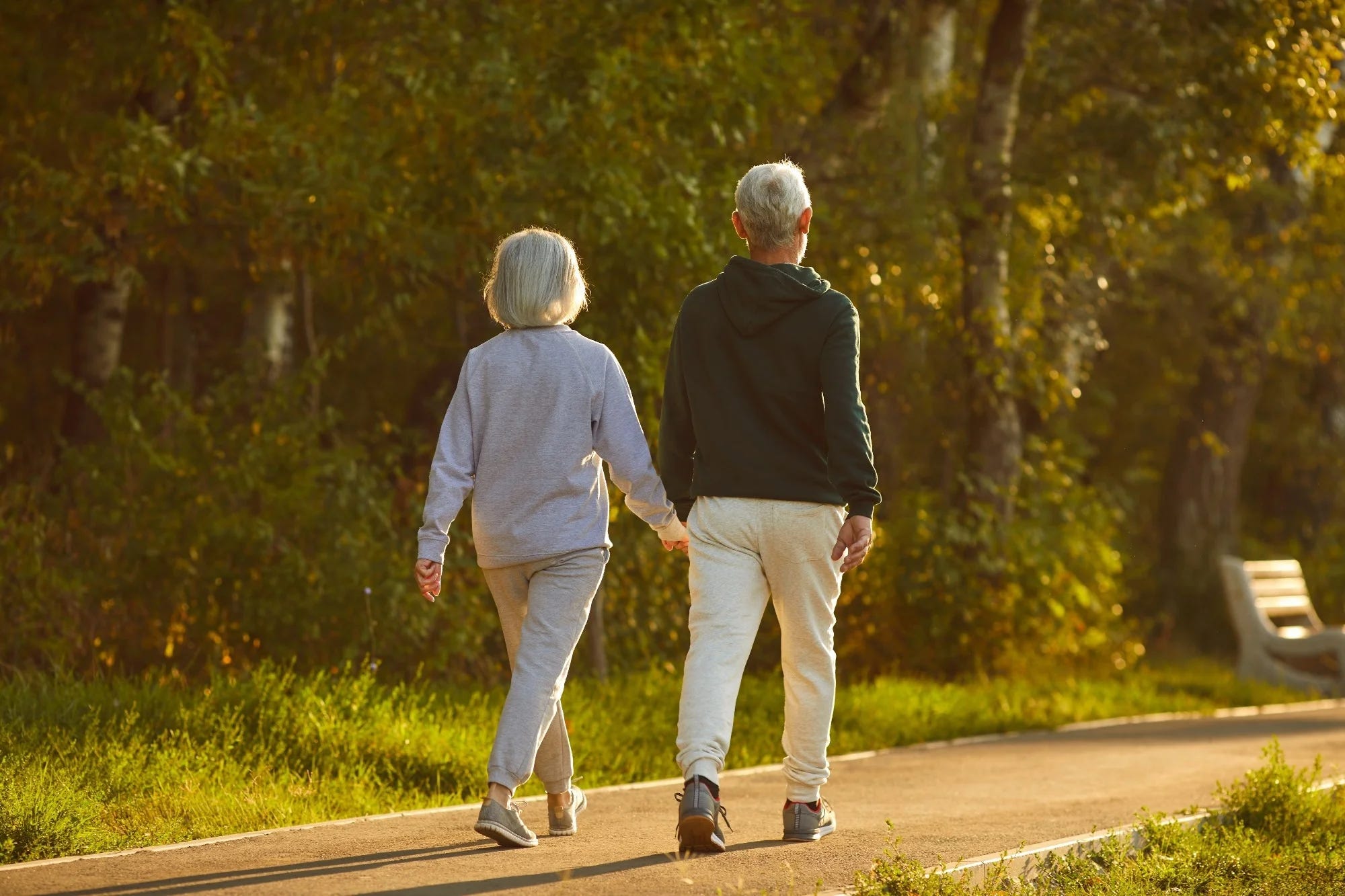
It Helps Regulate Blood Sugar Levels
One of the most well-studied benefits of walking after meals is its effect on blood glucose.
After eating, especially a meal containing carbohydrates, blood sugar naturally rises. A short walk encourages your muscles to use glucose for energy, which can help reduce the spike in blood sugar after meals. This is particularly beneficial for people with prediabetes, type 2 diabetes, or those looking to maintain healthy blood sugar levels.
Interestingly, research has found that even a light walk lasting 10 to 15 minutes after each meal may be more effective at reducing post-meal blood sugar spikes than taking one longer walk later in the day.
It May Support Better Digestion
Many people assume they should lie down or sit comfortably after eating, but gentle movement can actually help the digestive process.
Walking encourages the natural movement of the digestive tract, known as gastrointestinal motility, which helps food move efficiently through the stomach and intestines. Some people also report feeling less bloated or overly full after taking a relaxed walk.
That said, the key is to keep the pace comfortable. Vigorous exercise immediately after a large meal may lead to discomfort, while a leisurely walk is generally well tolerated by most people.
It Can Contribute to Heart Health
Physical activity is one of the most effective ways to support cardiovascular health, and every bit counts.
Although a 10-minute walk may seem modest, accumulating these short walks throughout the day can help you meet the recommended amount of weekly physical activity. Regular walking has been associated with healthier blood pressure, improved circulation, and better overall cardiovascular fitness.
When combined with a balanced diet, adequate sleep, and stress management, walking after meals can become part of a heart-healthy routine.
It May Help with Weight Management
Walking after meals is sometimes promoted as a quick fix for weight loss, but the reality is more balanced.
A short walk does increase energy expenditure, meaning your body burns slightly more calories than it would while sitting. On its own, this isn’t likely to produce significant weight loss. However, when practiced consistently alongside healthy eating habits and regular physical activity, these extra minutes of movement can contribute to maintaining a healthy body weight over time.
Small, sustainable habits often have a greater long-term impact than drastic lifestyle changes that are difficult to maintain.
It Can Boost Energy and Mood
It’s common to experience an afternoon slump or feel sluggish after a large meal.
A gentle walk increases blood circulation and helps deliver oxygen to muscles and the brain. Many people find that this leaves them feeling more alert and energized compared with remaining seated after eating.
Walking also stimulates the release of endorphins and can help reduce stress, making it a simple way to improve both physical and mental well-being.
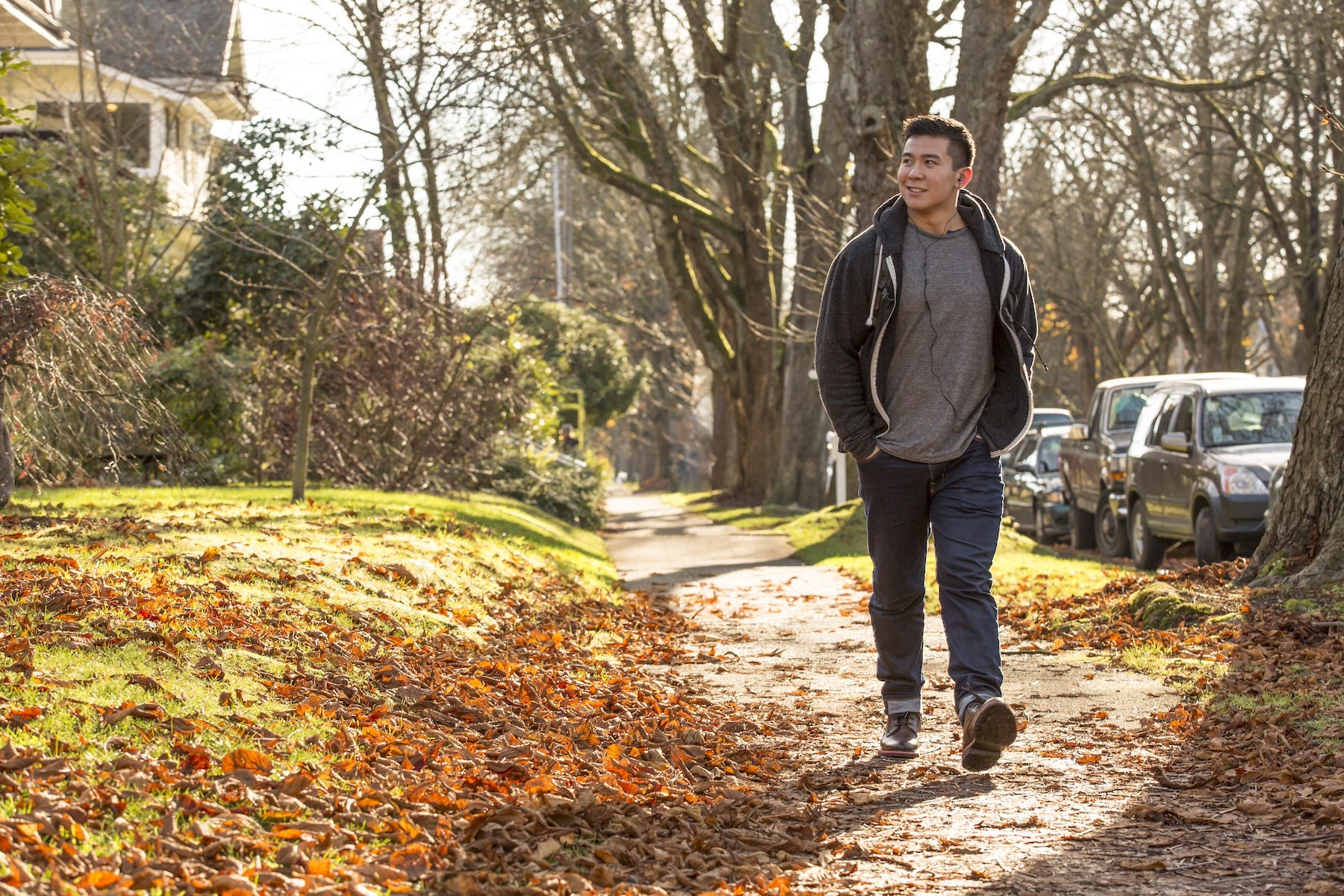
How Soon Should You Walk After Eating?
For most healthy adults, a gentle walk can begin within about 10 to 15 minutes after finishing a meal. There’s no need to wait an hour unless you prefer to.
Keep the intensity light to moderate. You should be able to hold a conversation comfortably while walking. A brisk workout or vigorous run immediately after eating may cause stomach discomfort, especially after a large meal.
Even a 10-minute walk offers measurable benefits, so don’t feel discouraged if you don’t have time for a longer session.
A Few Practical Tips
If you’d like to make walking after meals a regular habit, try these simple strategies:
Start with 10 minutes after lunch or dinner.
Choose a comfortable pace rather than walking as fast as possible.
Wear supportive footwear if walking outdoors.
Stay hydrated throughout the day.
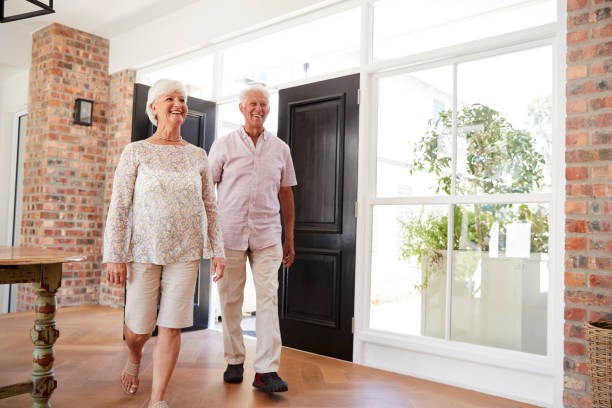
If mobility is limited, even gentle indoor walking can be beneficial.
The goal isn’t perfection—it’s consistency.
Conclusion:
Walking after meals is a simple habit backed by growing scientific evidence. It can help regulate post-meal blood sugar, support digestion, contribute to heart health, improve mood, and complement long-term weight management efforts. While it's not a substitute for a nutritious diet or regular exercise, it is an easy addition that fits into most daily routines. Sometimes the most effective health habits aren't the most complicated. A short walk after your meals may be one of the easiest ways to add more movement to your day—and over time, those small steps can add up to meaningful benefits.
References:
https://health.clevelandclinic.org/is-it-good-to-walk-after-eating
https://www.mayoclinic.org/healthy-lifestyle/fitness/in-depth/walking/art-20046261
https://nutritionsource.hsph.harvard.edu/2013/11/20/exercise-safety/
No posts
Comments
Nothing yet. Say the first thing.
Sign in to join the conversation.