
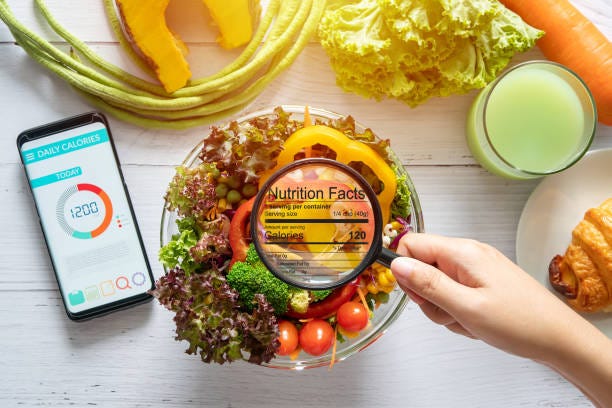
For years, calorie counting has been one of the most common strategies for managing weight. Open almost any fitness app, and you’ll find a feature that encourages you to track every bite you eat. While this approach can increase awareness of food intake, it has also created the impression that all calories are equal and that the number on your plate is all that matters.
The truth is more nuanced. Calories are an important part of nutrition because they measure the energy food provides. However, they don’t tell you much about the quality of your diet, how satisfied you’ll feel after eating, or whether your body is getting the nutrients it needs. Good nutrition is about much more than staying within a calorie target.
Calories Measure Energy—Not Nutritional Value
A calorie is simply a unit of energy. Whether it comes from an apple, a handful of almonds, or a sugary soft drink, your body can use those calories for fuel.
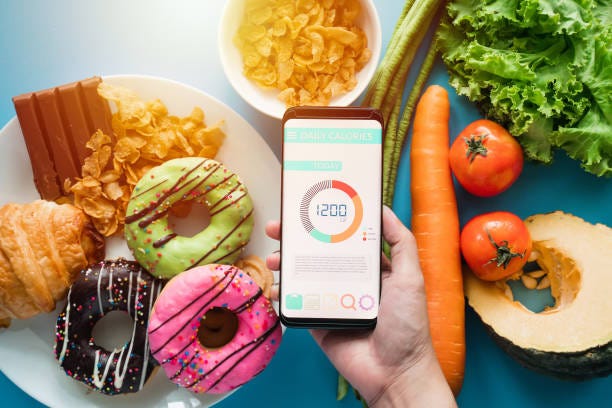
But foods that contain the same number of calories can differ dramatically in their nutritional value. For example, a bowl of plain yogurt topped with berries and nuts provides protein, healthy fats, fiber, vitamins, and minerals. A pastry with a similar calorie count may contain more added sugar and saturated fat while offering fewer essential nutrients.
This is why focusing only on calories can sometimes lead people to choose lower-calorie foods that are less nourishing instead of foods that better support overall health.
Food Quality Shapes Your Health
Research consistently shows that dietary patterns matter more than individual calorie numbers.
Whole foods such as vegetables, fruits, legumes, whole grains, nuts, seeds, dairy, eggs, fish, and minimally processed foods provide nutrients that support immunity, heart health, bone health, and many other body functions.
On the other hand, diets high in ultra-processed foods are often associated with lower diet quality. These foods can be convenient and enjoyable, but relying on them too often may mean missing out on important nutrients, even if your calorie intake stays within your target.
Rather than asking, “How many calories does this have?” it can be more helpful to ask, “What nutrients does this food provide?”
Protein and Fiber Help You Stay Full
Not all calories affect hunger in the same way.
Meals rich in protein and fiber generally promote greater fullness than meals high in refined carbohydrates or added sugars. Protein supports muscle maintenance and repair, while fiber slows digestion and contributes to satiety.
For instance, two breakfasts containing the same number of calories can leave you feeling very different. A meal of oats with milk, fruit, and nuts is likely to keep you satisfied longer than a sugary breakfast cereal with little protein or fiber.
Feeling satisfied after meals makes it easier to maintain healthy eating habits without constantly battling hunger.

Your Body Doesn’t Process Every Food the Same Way
Although calories remain important, the body responds differently depending on the type of food you eat.
Whole foods often require more chewing and digestion than highly processed foods. They also contain different combinations of protein, fiber, and healthy fats that influence blood sugar, digestion, and appetite.
This doesn’t mean calories stop mattering—it simply means that nutrition is more complex than a mathematical equation. The quality and composition of your meals influence how your body uses that energy.
Health Is More Than the Number on the Scale
Many people begin counting calories with the goal of losing weight. While creating an appropriate calorie deficit can support weight loss, long-term health involves many other factors.
Blood pressure, cholesterol levels, blood sugar control, muscle mass, sleep, physical activity, stress management, and dietary quality all play important roles in overall well-being.
Someone who eats mostly nutrient-rich foods, exercises regularly, and sleeps well may enjoy better health than someone whose only focus is staying under a calorie limit while eating a less balanced diet.
A Balanced Approach Works Best
Counting calories isn’t inherently good or bad. For some people, especially under professional guidance, it can be a useful tool to understand portion sizes or monitor intake for specific health goals.
However, it doesn’t need to become the center of every food choice.
Instead of obsessing over every calorie, consider building meals around foods that naturally provide a balance of protein, fiber, healthy fats, and complex carbohydrates. Filling half your plate with vegetables, including a good source of protein, choosing whole grains when possible, and limiting highly processed foods can often improve diet quality without constant tracking.
Consistency matters far more than perfection.

Conclusion:
Calories are an important part of nutrition because they provide the energy your body needs. But they tell only one part of the story. The quality of your food, its nutrient content, how satisfying it is, and the overall pattern of your eating habits have a much greater influence on long-term health. Instead of viewing food simply as numbers to fit into a daily target, think of it as nourishment. Choosing mostly nutrient-dense foods while paying attention to hunger, fullness, and balanced meals is a more sustainable approach than focusing on calories alone. Healthy eating isn't about making every calorie count—it's about making every meal count.
References:
https://nutritionsource.hsph.harvard.edu/healthy-weight/best-diet-quality-counts/
https://www.healthline.com/nutrition/does-calorie-counting-work
No posts
Comments
Nothing yet. Say the first thing.
Sign in to join the conversation.