
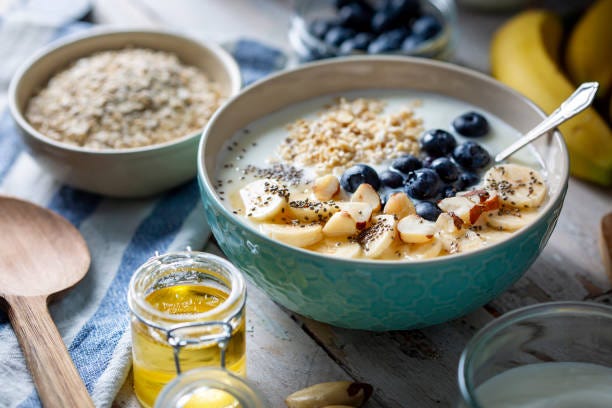
Breakfast often sets the tone for the rest of the day. A nourishing morning meal can help provide steady energy, improve concentration, and make it easier to maintain healthy eating habits throughout the day. While there are countless breakfast options available, few have been studied as extensively as oats.
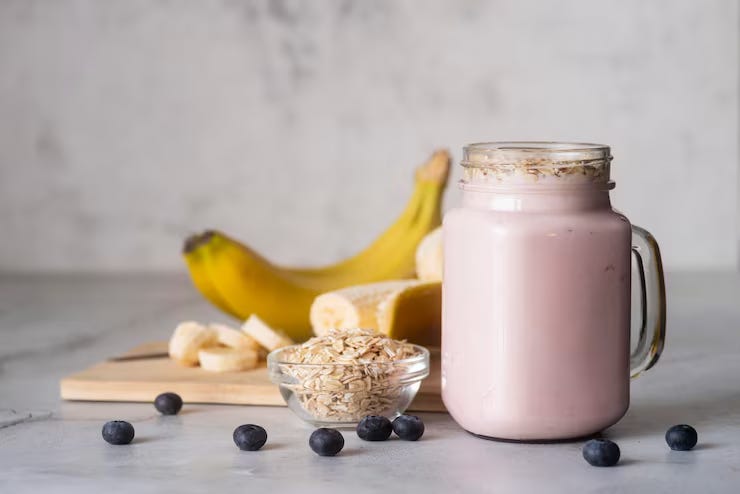
Oats have earned their reputation as a healthy breakfast for good reason. They are rich in fiber, contain important vitamins and minerals, and are naturally versatile. Whether you enjoy them as warm oatmeal, overnight oats, or blended into smoothies, they offer a combination of nutrition and convenience that makes them an excellent choice for people of all ages.
A Rich Source of Soluble Fiber
One of the standout nutrients in oats is beta-glucan, a type of soluble fiber that has been widely researched for its health benefits.
When mixed with water, beta-glucan forms a gel-like substance in the digestive tract. This slows digestion, helps you feel fuller for longer, and supports healthy blood sugar responses after meals. Because of these effects, oats can be a satisfying breakfast that reduces the urge to snack soon after eating.
Health authorities, including the U.S. Food and Drug Administration (FDA), recognize that consuming enough oat beta-glucan as part of a diet low in saturated fat and cholesterol may reduce the risk of heart disease.
Supports Heart Health
Heart disease remains one of the leading causes of illness worldwide, and diet plays an important role in reducing risk.
Research consistently shows that the soluble fiber in oats can help lower LDL (”bad”) cholesterol by reducing its absorption in the intestines. Lower LDL cholesterol is associated with improved cardiovascular health.
It’s important to remember that oats alone aren’t a cure for high cholesterol. However, including them regularly as part of an overall healthy dietary pattern rich in fruits, vegetables, whole grains, legumes, and healthy fats can contribute to better heart health over time.
Helps Keep You Full
If you’ve ever found yourself hungry an hour after breakfast, your meal may not have contained enough fiber or protein.
Oats naturally provide fiber, and when paired with protein-rich foods such as milk, yogurt, or nuts, they become an even more satisfying meal. This combination slows digestion and promotes a feeling of fullness, which may help reduce unnecessary snacking between meals.
For people working toward healthy weight management, this can be especially helpful. Rather than focusing on restriction, choosing filling foods often makes healthy eating easier to sustain.
Supports Healthy Blood Sugar Levels
Despite being a carbohydrate-rich food, oats have a relatively low to moderate glycemic index compared with many refined breakfast cereals.
The beta-glucan fiber slows the digestion and absorption of carbohydrates, helping to moderate the rise in blood sugar after eating. This makes oats a suitable breakfast option for many people, including those aiming to improve blood sugar management.
To maximize this benefit, choose plain rolled or steel-cut oats instead of flavored instant varieties, which often contain added sugars.
Good for Gut Health
A healthy gut depends on a diverse community of beneficial bacteria, and dietary fiber plays an important role in supporting them.
Some of the fiber found in oats acts as a prebiotic, providing nourishment for beneficial gut microbes. During fermentation in the colon, these bacteria produce short-chain fatty acids that contribute to gut health and support normal digestive function.
Although no single food can transform gut health overnight, regularly including fiber-rich foods like oats is one practical step toward maintaining a healthy digestive system.
Packed With Essential Nutrients
Beyond fiber, oats provide several vitamins and minerals that contribute to overall health.
They are a good source of manganese, phosphorus, magnesium, iron, zinc, and several B vitamins. Oats also contain plant compounds called avenanthramides, which are unique to oats and have antioxidant and anti-inflammatory properties. Research into these compounds is ongoing, but they are considered one of the reasons oats stand out among whole grains.
Easy to Make Healthier
One of the biggest advantages of oats is how adaptable they are.
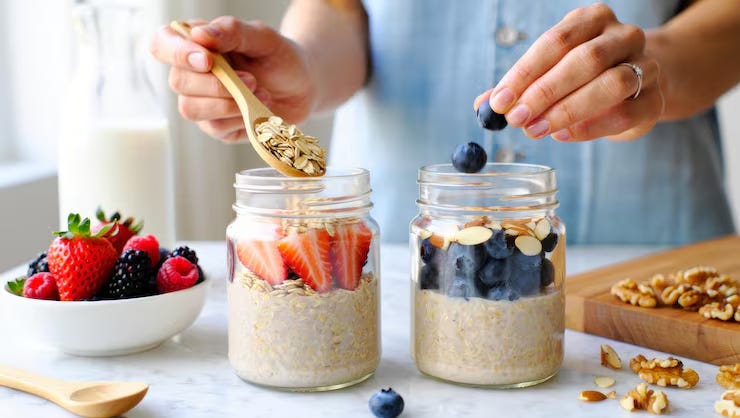
Instead of relying on sugary toppings, try adding naturally nutritious ingredients such as:
Fresh berries or sliced banana
Chopped almonds or walnuts
Chia seeds or flaxseeds
Unsweetened yogurt
Cinnamon for flavor without added sugar
These additions increase the protein, healthy fat, fiber, and micronutrient content of your breakfast while keeping it balanced.

Conclusion:
Oats have earned their place among the healthiest breakfast choices because they combine nutrition, versatility, and strong scientific evidence. Their beta-glucan fiber supports heart health, promotes fullness, helps maintain healthy blood sugar responses, and contributes to gut health. At the same time, they provide essential vitamins, minerals, and beneficial plant compounds.
No single food guarantees perfect health, but consistently choosing nutrient-dense foods can make a meaningful difference over time. Starting your morning with a wholesome bowl of oats is one simple habit that supports a balanced diet and long-term well-being.
References:
https://nutritionsource.hsph.harvard.edu/what-should-you-eat/whole-grains/
https://www.healthline.com/nutrition/9-benefits-oats-oatmeal
No posts
Comments
Nothing yet. Say the first thing.
Sign in to join the conversation.