
I recently wrote about learning languages in my younger days. It didn’t stop there.
I traveled to Japan many times in the 90s. Most of the time it was visiting and working with Casio, but I also bought early handheld computers from other vendors. I was working on developing new technologies, like electronic waiter pads.
When I first started, my predecessor had a very good relationship with our Japanese partners, and this was a big help, but I had to do some of my own learning too. On my first trip it was largely watch and learn, and as you can see on the post I Think I’m Turning Japanese, that included visiting many tourist spots.
The first thing I noticed, was that there was a pattern to our meetings. We would sit down, have tea and some general chat. I would have a gift for my account manager and the Asia Pacific Export Manager. This would usually be fresh salmon or a bottle of whisky. Both of which were a lot more expensive in Tokyo than in New Zealand.
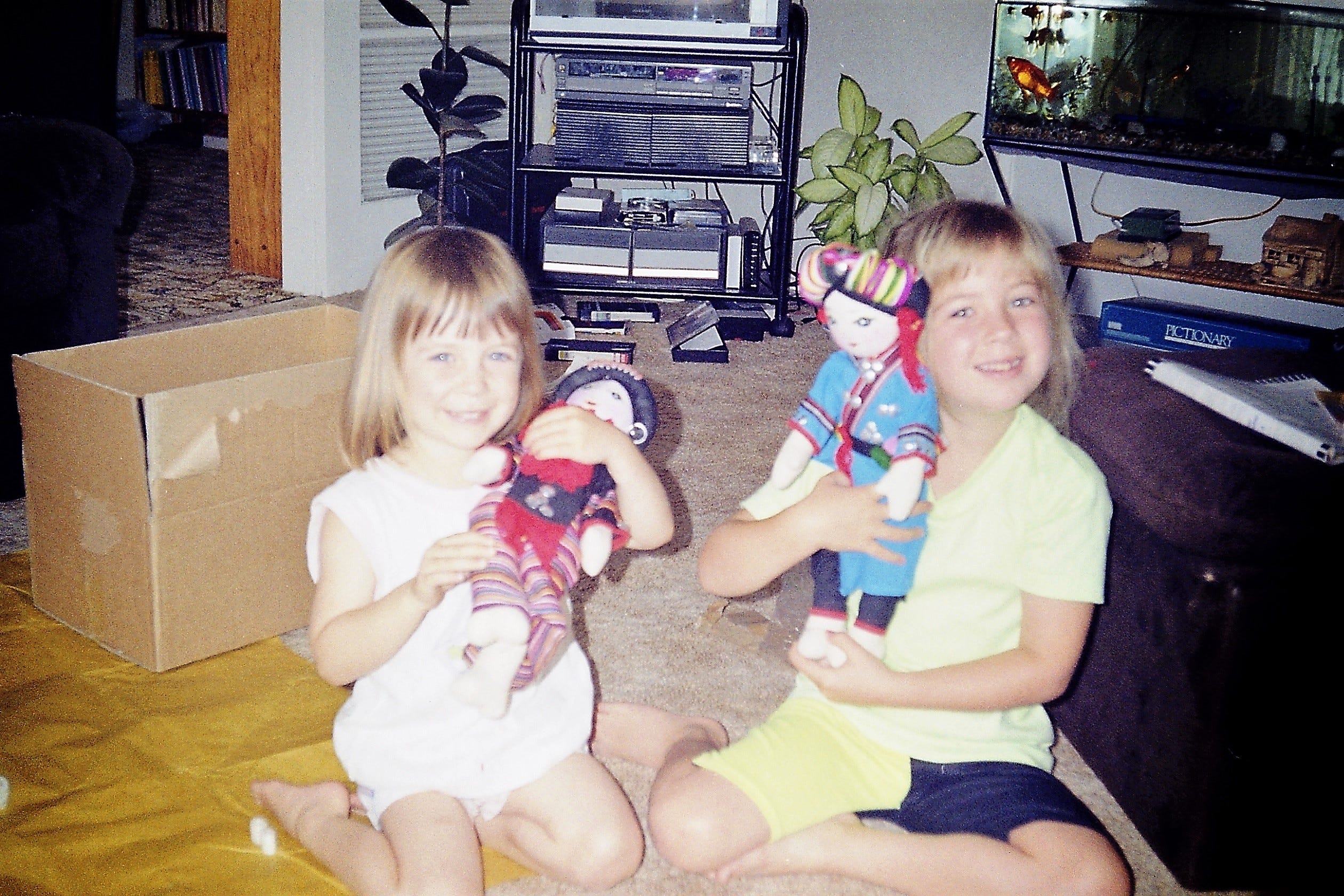
They would also have a gift for me, as they got to know me, that would often be something for my daughters. Things like dolls, origami paper and even kimonos.
Then we would go somewhere for lunch. Often that would be Shabu-shabu, which is a hotpot dish where you cook your own meat and vegetables in a pot of boiling water over a fire, which would then become a delicious broth when you had finished cooking your solids.
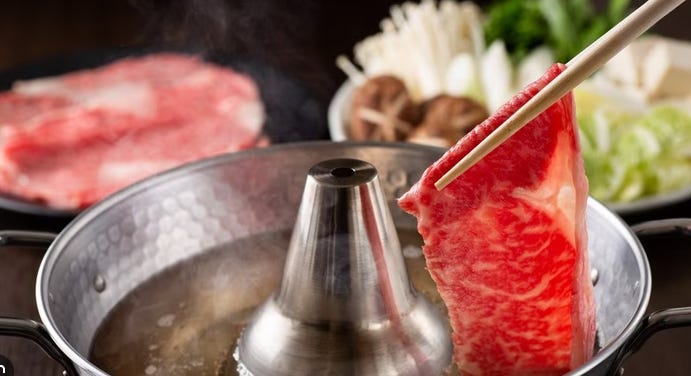
Sometimes that would be a medium priced restaurant featuring all-you-can-eat, with average quality meat. If things were going well in the meeting, it might be to a very expensive restaurant, with beautiful thin marbled beef that literally melted in your mouth.
Then you would go back and start negotiating. This was like a ritual, and as I started buying from other companies, the ritual would be repeated, same concept, different people. There were common rules that I was to learn.
We would start by talking about how sales were going in New Zealand and Australia, and we would talk about market share. We had some of the highest market shares of cash register sales of any countries in the world, which held us in high esteem. I remember the New Zealand manager for Sharp telling me that he was trying to emulate my operation.
Then they (usually two people) would talk to each other in Japanese, look at me, nod seriously and say nothings like “ah so desu”, which was no more meaningful than a grunt, but could be expressed in different ways.
Back to English. They would start talking models and asking me what quantities I would order and forecast. Whether I was giving them good news or not, every few minutes they would go back to talking to each other in Japanese, almost intimating that they didn’t speak English, when in fact their English was very good, but they didn’t want me to know that.
After a couple of trips, I felt like I was on the back foot, and needed to find a way to understand how they thought and communicated, so that I could be on a more even footing. They were friendly, but they were making me sweat and my predecessor’s good relationship was no longer relevant. I was just another reseller.
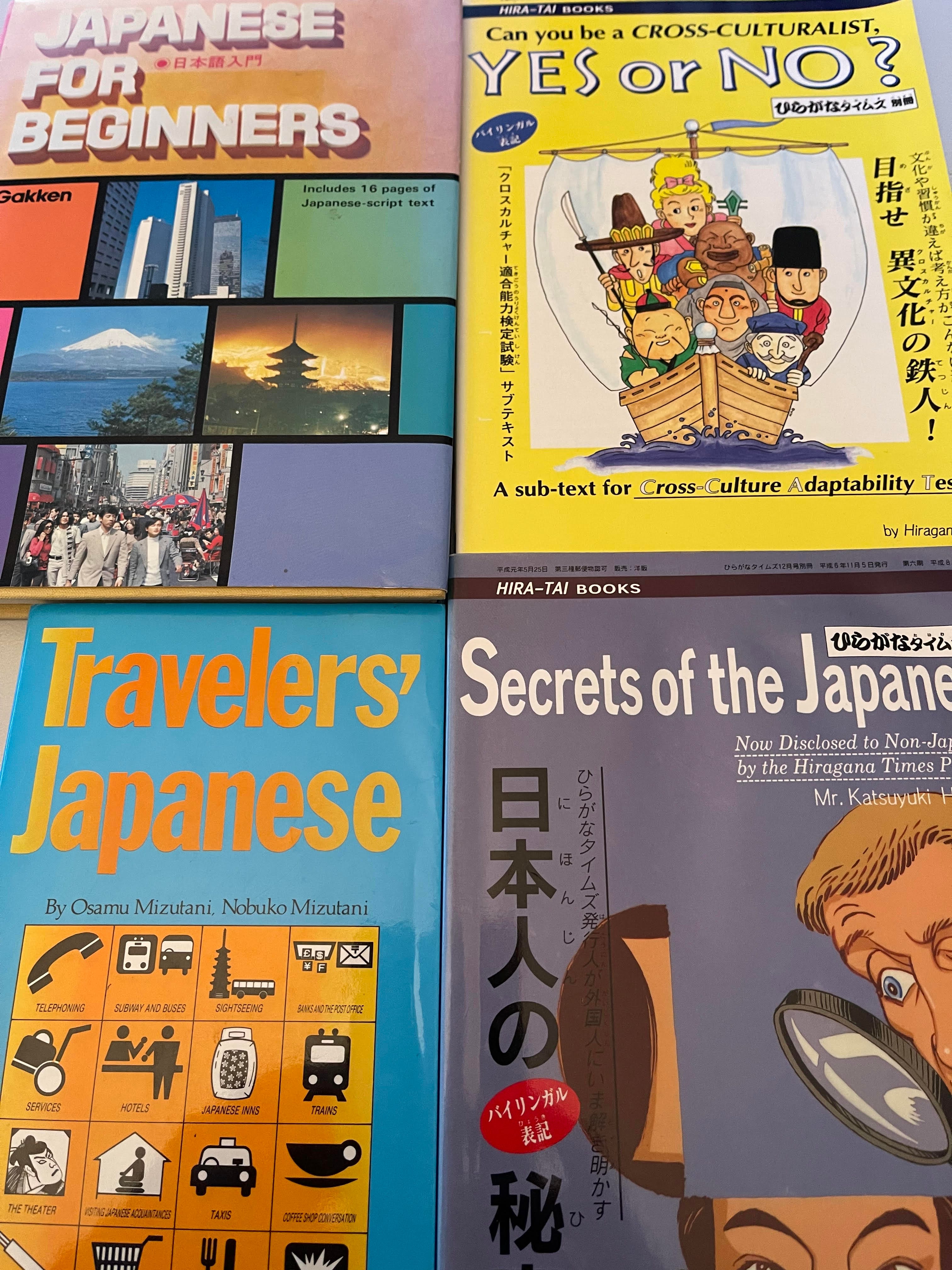
I had to up my game. Nek minit, as we say in New Zealand, I was back at night school and learning another new language, Japanese. I bought several books, some of which I still have. Language books and also a lot of books about culture, because they go hand in hand. I didn’t learn to read Kanji characters, I didn’t need those. But I needed to be able to communicate.
I didn’t tell anyone in Japan that I was learning the language and it was about two years before they found out.
Now don’t get me wrong, I never became fluent, but I learned a lot for a gaijin (foreigner). I remember the first time I used it. I had flown in on a Sunday, ready for the first meeting on Monday morning. It had snowed, and outside the Sumitomo Building where we were meeting in Shinjuku, people were lining up with their skis to get on a bus to the mountains.
As the spreadsheets came out, they looked at them, looked at me, then started talking in Japanese, looking very serious. Listening carefully, but looking blankly, I twigged that they were actually talking about the weekend and how cold it was. I looked back at them and said something like, “Kyō wa samui desu ne”, or It’s cold today, isn’t it?
You could have heard a pin drop. Everything changed. They suddenly thought that I had been able to understand them all along, which would have been very disrespectful. So after they looked at me quizzically, I explained that I was keen to learn more about Japan and Japanese life, and had started going to night school.
From then on, I was treated like family. My account manager took me to his apartment to have dinner with him and his wife. I was taken to night clubs and on sightseeing trips, and I reciprocated when he came to New Zealand once once a year.
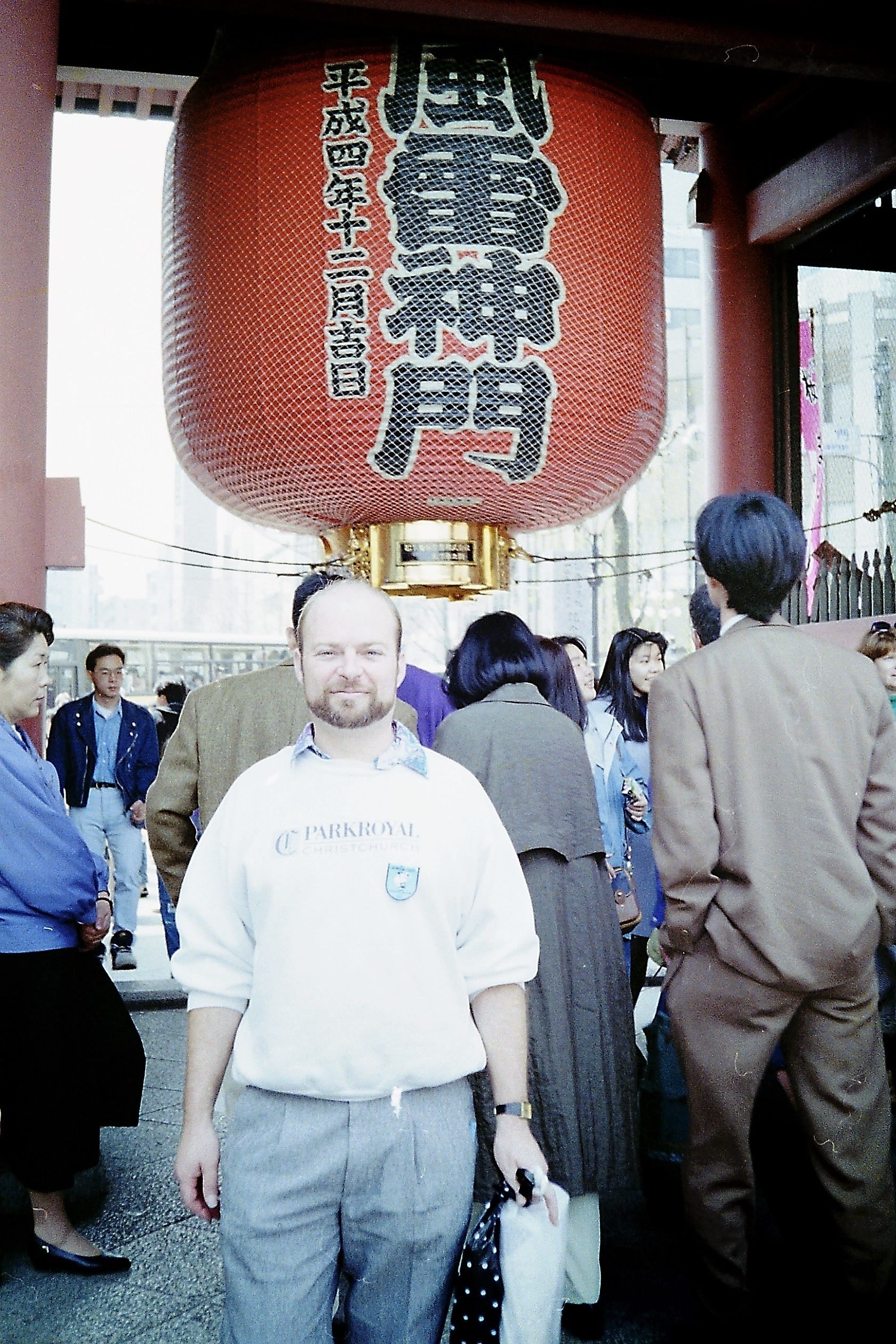
Instead of being a gaijin, we would joke that I was a Nihongo jin. They couldn’t do enough for me. One night I asked the international marketing manager for a nice place to have dinner. He said he would show me. I thought that meant he would point somewhere out to me. But no, after the day’s business, we hopped on a train to Yokohama to the most amazing Chinese restaurant I have ever been to. We had a feast and just the food and drinks were easily US$200 a head. Calculate that back from 1993 to today’s currency. It was a lot.
Now instead of having to push for good pricing and for marketing budget, they would pretty much give me whatever I needed, within reason. They also showed me very different spreadsheets discretely, which showed me what their buy price was from the factory, instead of what they wanted me to pay. Business became quite transparent and based on mutual respect.
I learned how serious that was on a trip to Casio Inc. in Dover, New Jersey. I was in NYC for the NRF convention, the major New York retail industry conference for the year, and arranged to visit the Casio office while I was there. I had met the American manager (as opposed to the Japanese head in the corner office), on a trip to Tokyo.
I’ll side step a little for a second. We had discovered some bugs in POS firmware and when I pointed this out on a trip to Tokyo, I was told. “That is unusual. Nobody else has mentioned this.” It turned out this was a catch phrase. When I contacted other Casio distributors around the world, they told me not only that they had found the same bugs, but that they got, word for word, the same response as me.
So I sounded out other distributors and we decided to form the Casio World VAR Association. We would meet once a year, somewhere in the world and share ideas and collaborate. Many of us had our own software development teams and niche specialties that added value to the product. Things like back office inventory, and support for kitchen printers.
Casio’s response started with “You can’t do that”. I quickly explained the value proposition, that together we could add significant value to products with software and add-on products, that would increase sales and market-share. I think there may have been an element of control and fear as well on their part, but not only did they agree with the concept, they funded and hosted our first conference at O’Hare Airport in Chicago.
As to the bugs, they paid us to improve their firmware and make it more suitable for our needs, including developing back end software, computer based programming and much more. That funded software development team we set up in Sydney, which gave us income, but also resources for our own R&D.
So back to New Jersey. The Americans were overstocked on a supermarket scanning terminal and wanted me to take some stock off their hands for New Zealand and Australia. I got a shock when they told me what they wanted for them. Their price to me, which they said was their landed cost, was about 20% more than I was buying the same spec’d models for from Japan. It turned out that they were paying much more than I was, despite the enormous scale difference between us and the USA. They probably outsold us by 100:1!
This caused a furore, but it was eventually smoothed over on the basis of Japan having a significant investment in helping us get market share for them. For example, since I came on board, we developed 70% marketshare in POS in New Zealand for Casio, which was the highest market share they had anywhere in the world. I feel a significant reason was the respect I paid to them, their language and their culture.
If you think about culture difference, it was quite normal for Americans to go to Japan and arrogantly (sorry if I’m offending anyone) tell them the rules for doing business. Sounds Trumpian doesn’t it? I went to them, made the effort to understand their language, and developed a transparent relationship, even respecting the many cultural differences. Japanese culture has many apparent contradictions, and sometimes you just have to accept that they think differently to Westerners in ways that are impossible to explain.
I have previously written about how I had to manipulate a situation, using their culture, to get an outcome we both needed. Long story short, I had a sale for the first integrated track and trace courier system, including 2D bar code scanning, signature capture, and 3 forms of wireless communication on a handheld computer. Seems like nothing today, but back in the 90s, that hadn’t been done before.
The problem was that couriers in New Zealand had previously been civil servants, provided with all of their technology for free, and now they were becoming owner operators and had to buy the handheld computers and everything that went with them, for thousands of dollars. At the product launch one of the more militant couriers broke a touch screen and claimed they were being asked to pay big bucks for faulty hardware.
You can read the story on the link above, but bottom line, there was nothing wrong with the product. Still, I had to convince Japan to upgrade the thickness of the touch screen glass to make the product more robust. They flatly refused. I used what I had learned about their culture, while learning the language, to turn that around. I did, and we all made a lot of money together, which resulted in massive sales for Casio, including, on the basis of our sale of thousands of terminals, all of Korea Post and German Post which made us look tiny.
I could share more stories, and while I had lots of great strategies and an awesome dealer network, I believe a major factor in our success was learning the language and the culture of the Japanese people.
How did that come about? Largely because of the many languages I had learned previously. Japanese was much harder than the other languages, because it does not stem from anything European. But the more languages I learned, the easier it was to learn more.
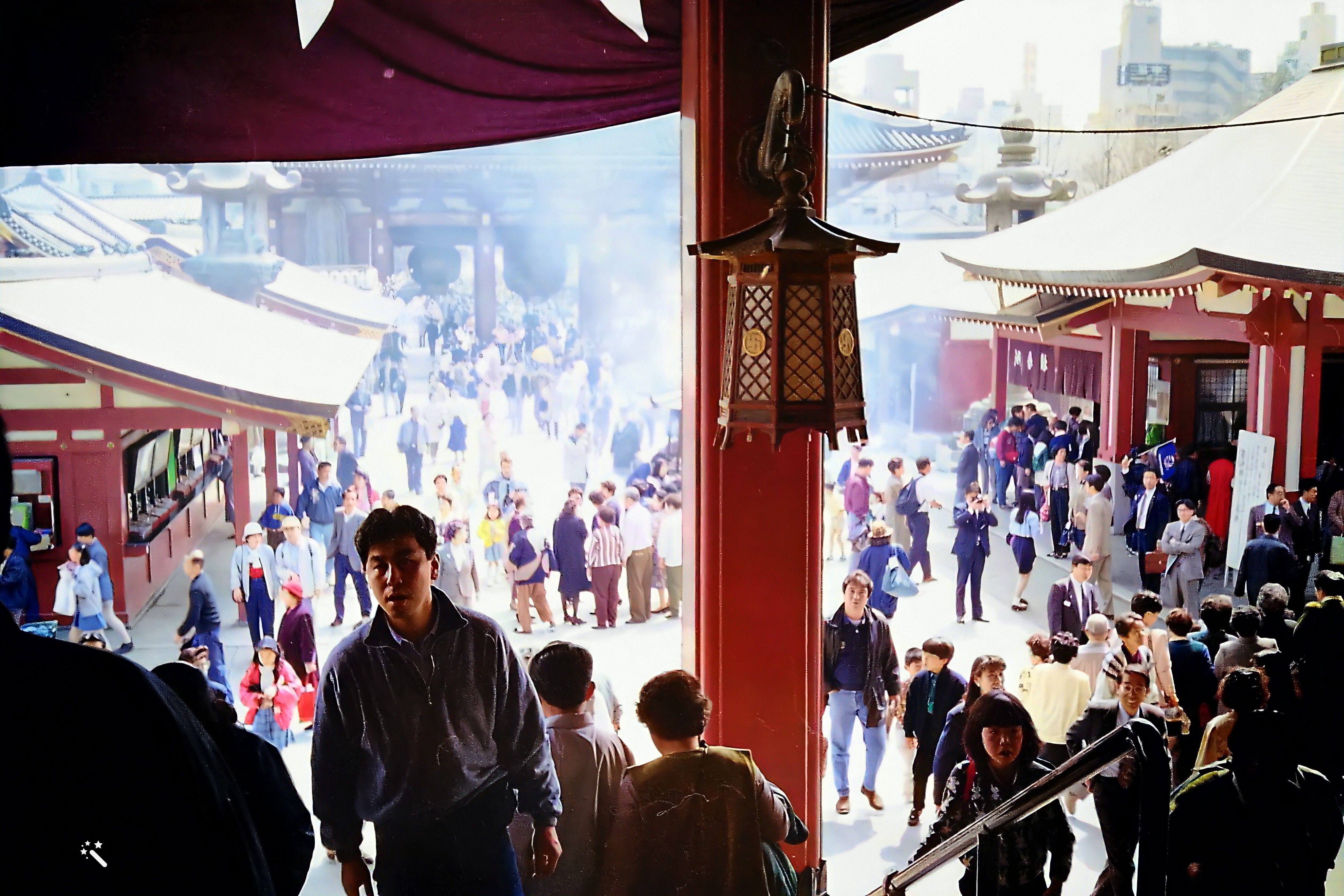
All in all I had about 20 trips to Japan, I saw some amazing sights, from Akihabara to Lake Ashinoko.
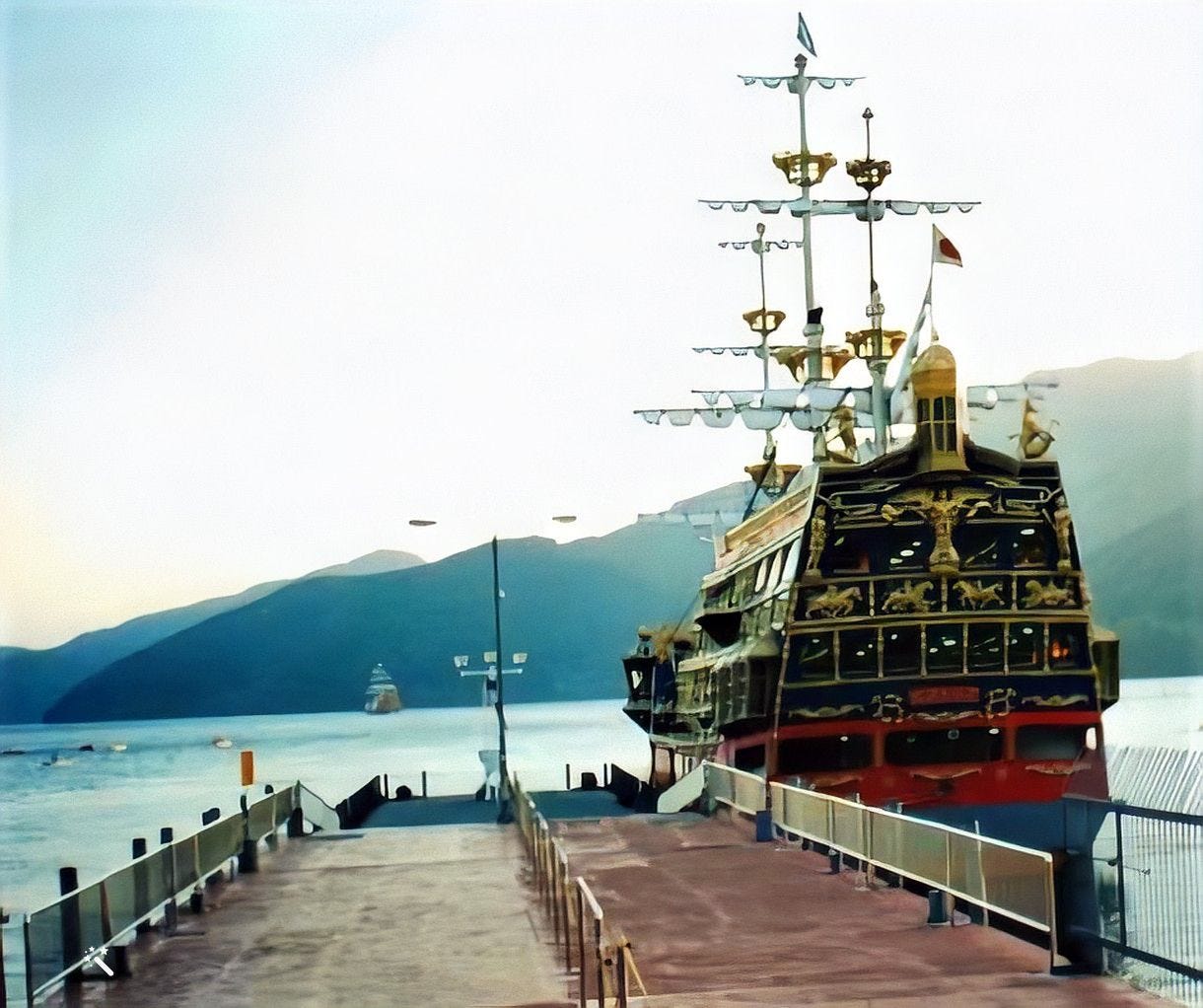
I always managed to get a couple of days in to explore, and would love to be able to say Ittekimasu! Which loosely means, I am going and will come back.
But wait, there’s more. That wouldn’t be the last language I learned.
No posts
Comments
Nothing yet. Say the first thing.
Sign in to join the conversation.