

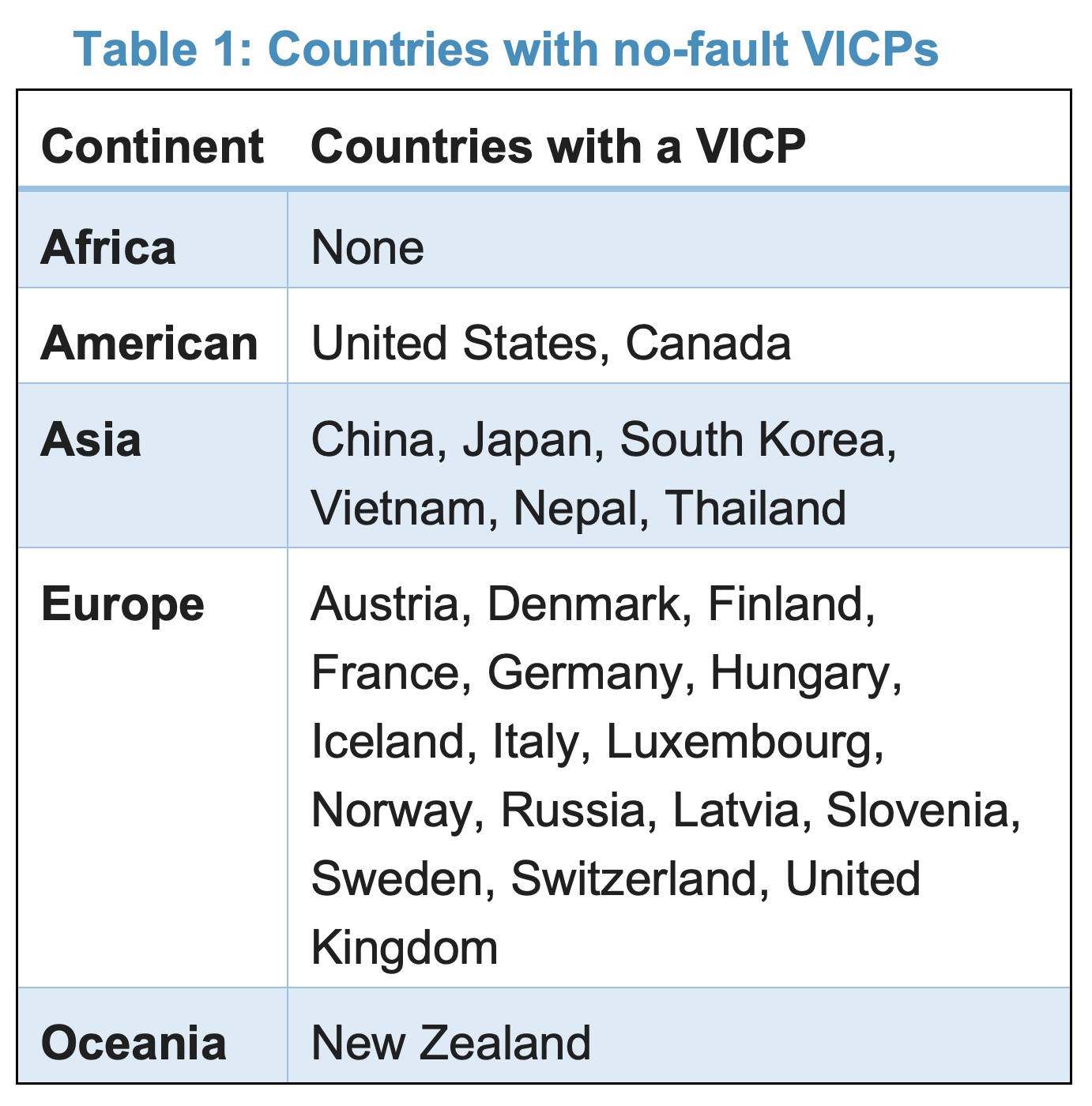
Only twenty-five countries—none in Africa, and not India—have established no-fault compensation schemes for vaccine victims.
In 1961, the Federal Republic of Germany established the first national no-fault vaccine injury compensation program, followed by France, and then several other countries in the 1970s, including Japan.
In 1988, the USA implemented the Childhood Vaccine Injury Compensation Program—see further down this post for more details.
The general public is told that injury after vaccination is rare and that the benefits of vaccines far outweigh any potential risks—this also applies to mRNA platforms. The FDA reassures us that vaccines “undergo rigorous and extensive testing to determine their safety and effectiveness.”
However, damage following vaccination has been acknowledged for over a century and today is classified through ICD codes and Adverse Events Following Immunization (AEFI) definitions, with about 86% of WHO member states participating in some form of pharmacovigilance surveillance.
Below are two excellent and extensive articles detailing the injuries reported following vaccination, available on Dr. Pierre Kory’s substack.
The Global Vaccine Safety Summit in Geneva, Switzerland, brings together the highest authorities and leading experts in vaccine safety from the WHO, FDA, CDC, the Vaccine Confidence Project, PATH, the Brighton Collaboration, and the London School of Hygiene & Tropical Medicine.
The Global Advisory Committee on Vaccine Safety (GACVS), an “independent” expert clinical and scientific advisory body, provides the WHO with scientifically guided advice on vaccine safety issues of potential global importance.
GACVS held its 41st meeting in Geneva on December 4-5, 2019, during which time the Committee reviewed the updating of the global vaccine safety strategy and case reviews of communications on vaccine safety.
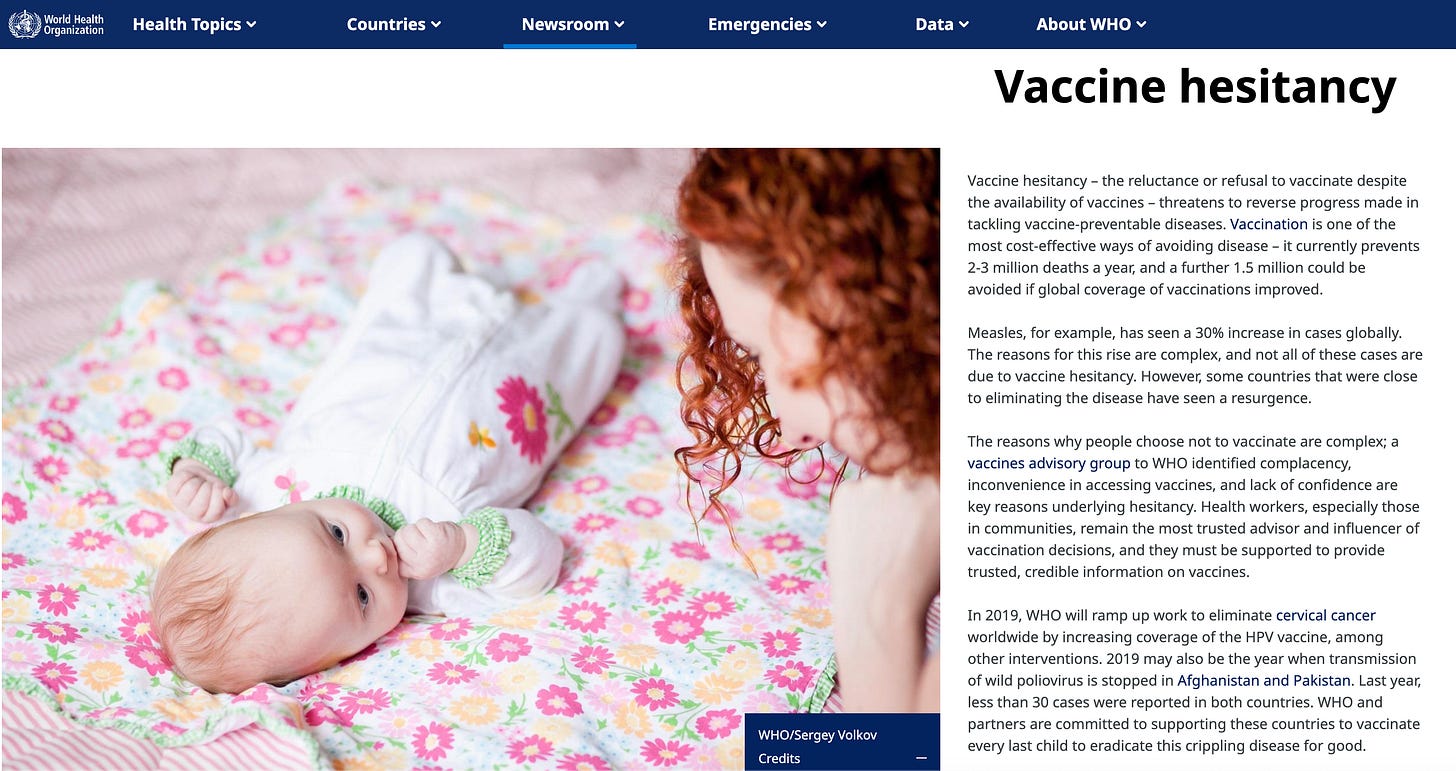
“I think we cannot overemphasize the fact that we really don’t have very good safety monitoring systems in many countries.”
—Dr. Soumya Swaminathan, MD
WHO Chief Scientist in 2019 – Pediatrician“There’s a lot of safety science that is needed. Without the good science, we can’t have the good communication. We need much more investment in safety science. We have a very wobbly health professional frontline that is starting to question vaccines and the safety of vaccines.”
—Prof. Heidi Larson, PhD
Director of the Vaccine Confidence Project and author of Stuck: How Vaccine Rumors Start—and Why They Don’t Go Away“The major health concern which we are seeing are accusations of long-term, long-term effects.”
—Dr. Martin Howell Friede, PhD
Coordinator – WHO Initiative for Vaccine Research
These quotes are taken from the Global Advisory Committee on Vaccine Safety session that took place December 2-3, 2019 during the WHO’s Global Vaccine Safety Summit. WHO Chief Scientist Dr. Soumya Swaminathan was replaced in 2023 by The Wellcome Trust director, Sir Jeremy Farrar, who was then replaced mid-June 2025 by Dr. Sylvie Briand after he was promoted to Assistant Director-General of Health Promotion, Disease Prevention and Control. Read more about Jeremy Farrar in Dr. Meryl Nass’ article cited below.
As Dr. Jacob Cramer, CEPI’s Director of Clinical Development recently admitted at a University of Geneva symposium on emerging viruses and new vaccines: “you cannot get [vaccine] safety data from trials—always from post-licensure.“
The statistical power in vaccine trials is simply insufficient to detect less common side effects. And unlike other medical products, vaccines do not have to be compared with an inactive placebo to provide a baseline for safety and efficacy. This is especially concerning considering vaccine manufacturers in the USA are protected from liability by the National Childhood Vaccine Injury Act of 1986 and that their vaccines are mandated for children.
As Daniel A. Salmon, PhD et al., pointed out in their 2024 New England Journal of Medicine article:
“widespread vaccine hesitancy observed during the COVID-19 pandemic suggests that the public is no longer satisfied with the traditional safety goal of simply detecting and quantifying the associated risks AFTER a vaccine has been authorized for use.”
“Unfortunately, unlike efficacy, the “safety” of a vaccine cannot be measured directly. Safety can only be inferred indirectly from the relative absence of multiple, likely adverse events following immunization. To then best address concerns about real or perceived risks of immunization in a scientific manner, several components need to be in place. For example, regulatory agencies need to ensure that adequate trials for safety and efficacy are conducted prior to licensure of new vaccines (and that good manufacturing practices are in place and maintained). However, due to practical limitations of prelicensure trials, such as limited sample size and study duration, the principal focuses for collection of data on rare events are postlicensure studies by various stakeholders (e.g., the public health and clinical care communities, regulators, and manufacturers).”
Advances in Patient Safety: From Research to Implementation (Volume 2: Concepts and Methodology–2005).
Here is quick reminder of the frequency rate of adverse events (AE) as reported in manufacturer package inserts.
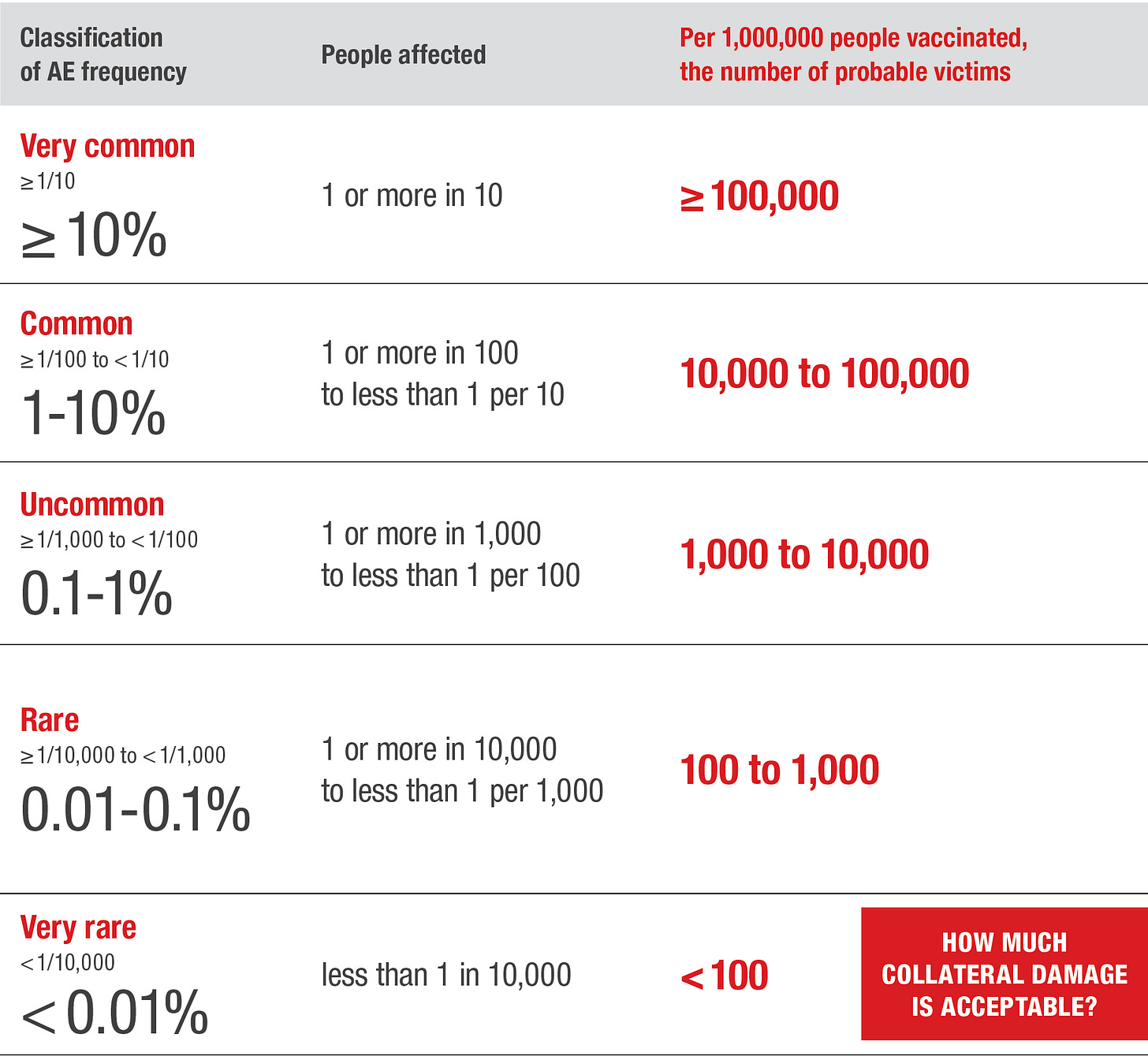
Remember, according to the FDA serious adverse events are defined as:
death
a life-threatening adverse event
inpatient hospitalization or prolongation of existing hospitalization
a persistent or significant incapacity or substantial disruption of the ability to conduct normal life functions
a congenital anomaly/birth defect
a medical or surgical intervention to prevent death, a life-threatening event, hospitalization, disability,
or congenital anomaly.
In 2000, the Brighton Collaboration was officially launched during a meeting in Verona, Italy, with the primary aim “to develop globally accepted and implemented standardized case definitions of adverse events following immunization (AEFI)” and determining the criteria for diagnostic certainty.
According to the Brighton Collaboration, creating a globally acceptable and common vocabulary for AEFI to facilitate comparison of vaccine safety data can achieve the “goal of maintaining trust in worldwide vaccination programs.”
However there has been little interest and investment in actually using this information to investigate the biological mechanisms linked to certain AEFI, in order to make vaccines safer.
The Brighton Collaboration publishes its assessments and reports almost exclusively in Elsevier’s long-established peer-reviewed journal Vaccine.
MedDRA® is an international subscription-based clinically validated medical dictionary used by regulatory authorities and biopharmaceutical companies to classify a diverse range of product-related adverse events for safety data collection.
MedDRA® is used “for registration, documentation and safety monitoring of medical products [pharmaceuticals, vaccines and drug-device combinations] both before and after a product has been authorized for sale.” It is designed to be a “rich and highly specific standardized medical terminology to facilitate sharing of regulatory information internationally for medical products used by humans.”
First published in 1999, MedDRA® largely replaced the WHO’s Adverse Reaction Terminology (ART) that was created in 1968 and discontinued since 2015. The WHO-ART was the only coding system applied to WHO’s VigiBase adverse event database—managed since 1978 by the Uppsala Monitoring Center (UMC) in Sweden—until 2008, when MedDRA® was implemented.
Numerous nations contribute to WHO’s VigiBase AEFI reporting system, set up at the UMC, which “is an independent, self-funded, non-profit foundation working for the safer use of medicines and vaccines and is the designated WHO Collaborating Centre for International Drug Monitoring.”
However many countries lack the capacity to properly operate a national surveillance program, nor do they have the resources to pass each adverse event through the required causality assessments.
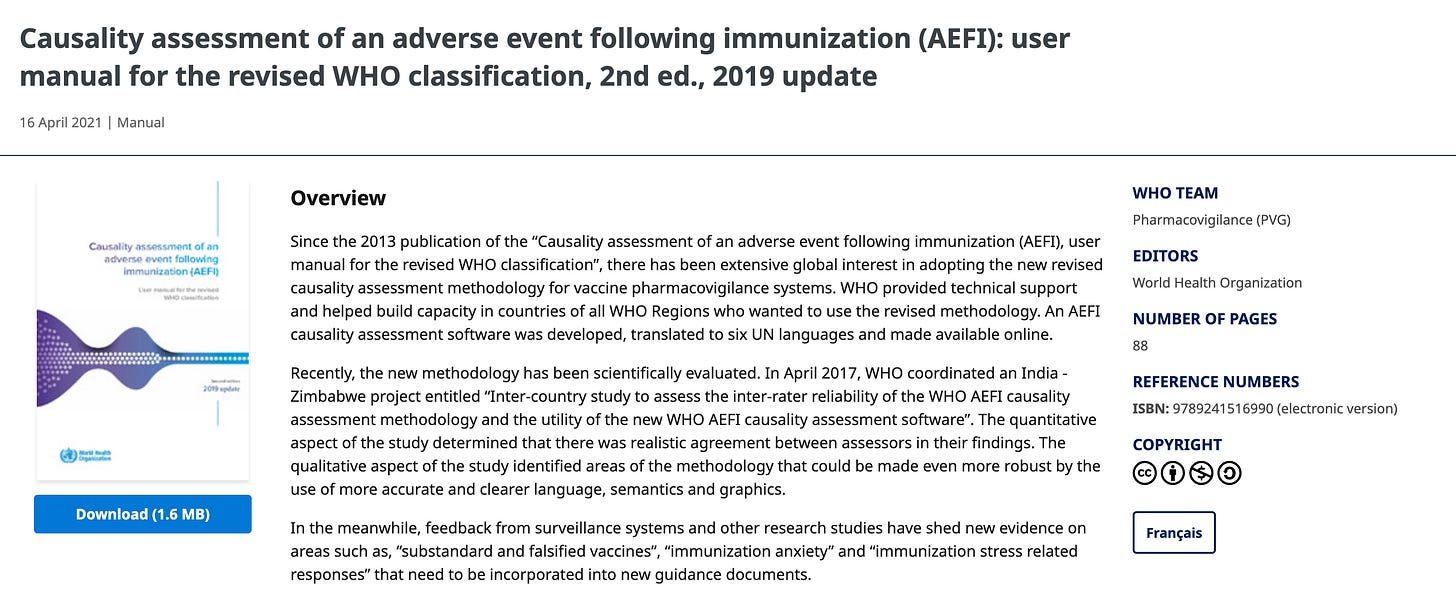
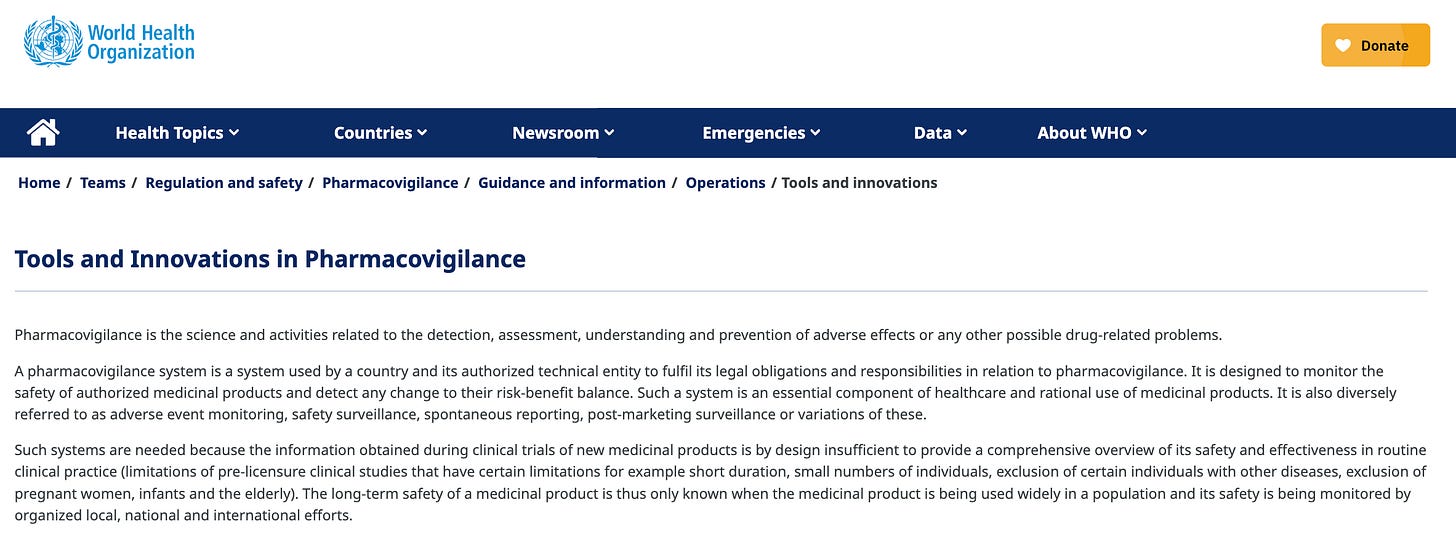
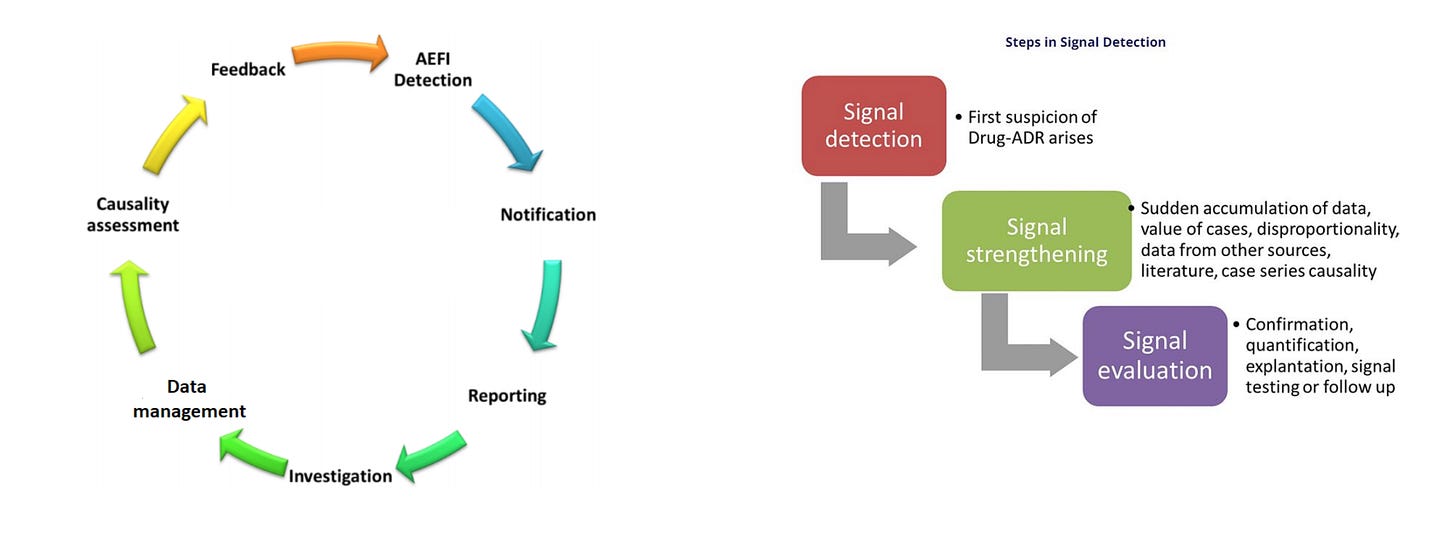
To facilitate the processing of adverse events, causality assessments and other surveillance tools are being developed for AI applications as innovative tools for pharmacovigilance purposes. This dehumanizes the process even further.
Artificial Intelligence (AI) and Machine Learning
Efforts are ongoing to develop AI models that can predict potential adverse events based on patient profiles, medical history, and genetic factors and utilize machine learning to identify patterns and associations between medications and adverse events that might not be immediately obvious.
WHO Global
VigiBase (Global database for AEFI reports)
WHO AEFI Monitoring
European Union
EudraVigilance (European Medicines Agency)
Adverse Drug Reaction (ADR) reports
United States
Vaccine Adverse Event Reporting System (VAERS) vaers.hhs.gov
Vaccine Safety Datalink (VSD) cdc.gov/vaccine-safety-systems/vsd
Covid-19 Countermeasures Injury Compensation Program (for public health emergency countermeasures such as Covid-19 vaccines)
Vaccine Injury Compensation Payouts – June 2025
Canada
Canadian Adverse Events Following Immunization Surveillance System (CAEFISS)
CAEFISS info
User guide to reporting AEFI
Vaccine Injury Support Program
Understanding Canada’s Vaccine Injury Support Program
United Kingdom
Yellow Card Scheme (MHRA)
yellowcard.mhra.gov.uk
Vaccine Damage Payout Scheme
Switzerland
Swissmedic, Swiss Agency for Therapeutic Products – Vaccinovigilance
Online reporting form
France
ANSEM Agence nationale de sécurité du médicament et des produits de santé
ansm.sante-fr
ONIAM Office national d’indemnisation des accidents médicaux
https://www.oniam.fr/accidents-medicaux-vaccinations-obligatoires
Australia
Therapeutic Goods Administration (TGA) Adverse Event Reporting
TGA reporting
Covid-19 vaccine claims (closed from September 2024 – not accepting new claims)
Reporting adverse events after non-Covid-19 vaccines – ACT Australia
Safevac – an Australian database for reporting of Adverse Events Following Immunisation (AEFI) and associated clinical visits.
New Zealand
Centre for Adverse Reactions Monitoring (CARM) – CARM reporting
Accident Compensation Corporation (ACC) > Lodging treatment injury claims
Community Law article on compensation
January 2025 report on Covid-19 vaccine injuries declared and compensated
China
Vaccine compensation in China – article
China CDC
National Center for ADR Monitoring
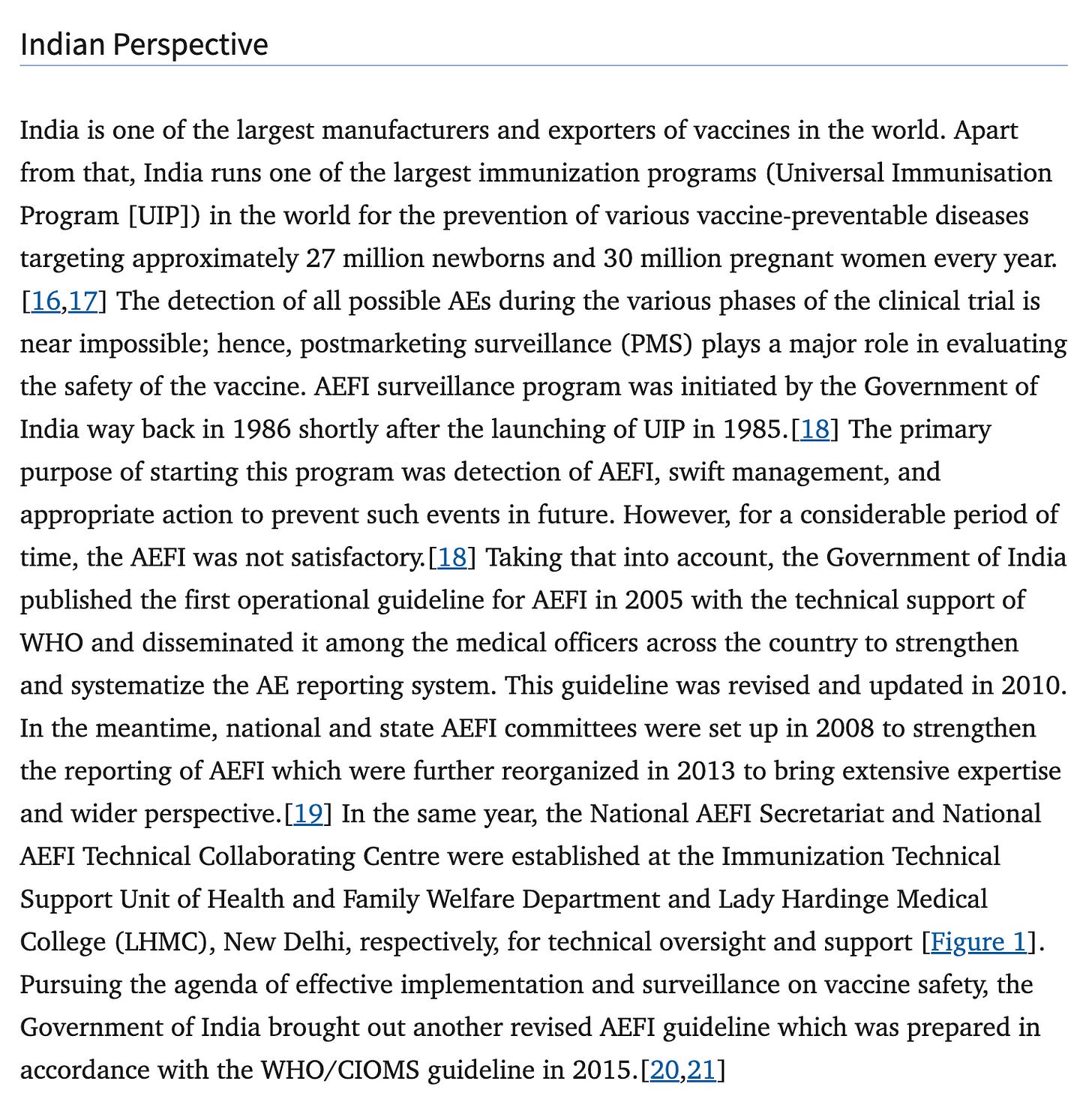
India
National AEFI Surveillance Program
AEFI Reports, Ministry of Health
Japan
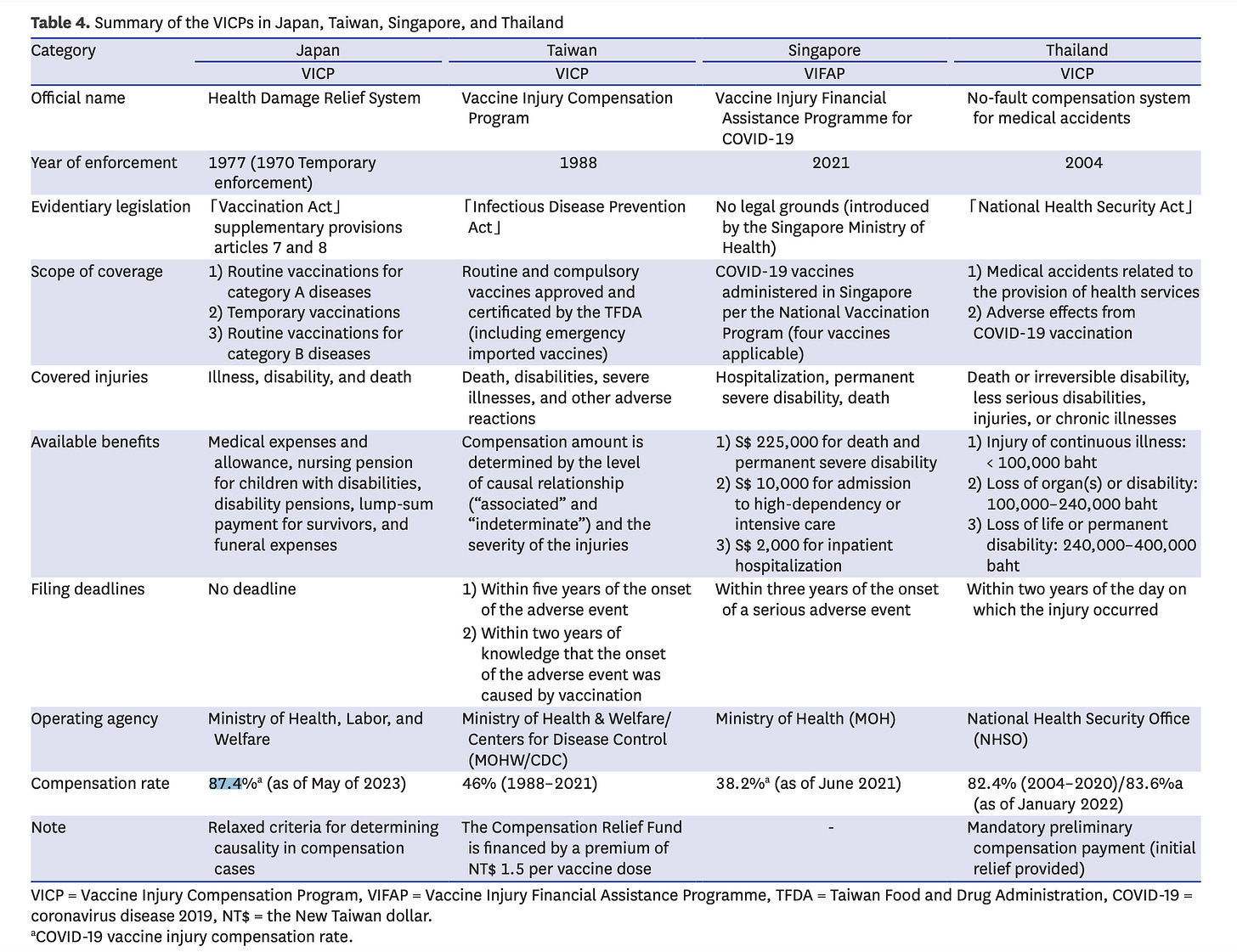
Japan has one of the longest-established no-fault compensation schemes for vaccine injuries, established in 1976 through the Preventive Vaccination Law.
Pharmaceuticals and Medical Devices Agency
An interesting 2024 article on AEFI monitoring in Japan
Japan has a high compensation rate for COVID-19 vaccine injuries specifically, 87.4% of reviewed claims were granted compensation as of May 31, 2023.
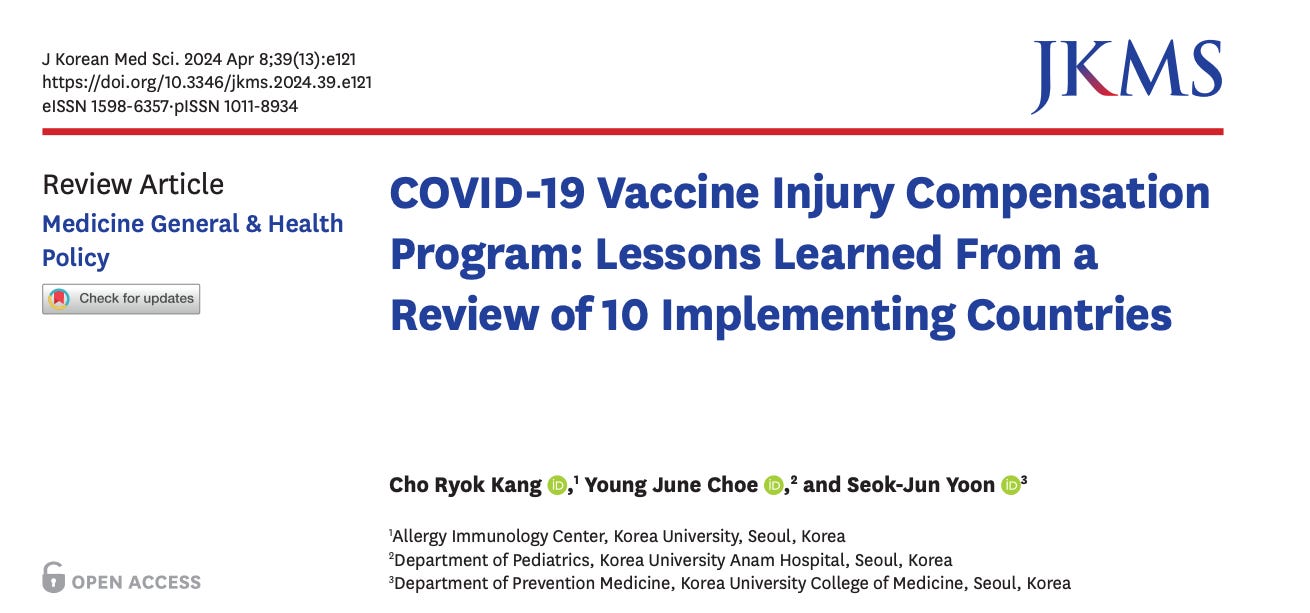
The FDA/CDC-funded report Vaccine Supply and Innovation—published in 1985 by the National Research Council (US) Division of Health Promotion and Disease Prevention—predates the formal establishment of the US National Vaccine Injury Compensation Program (NVICP), but offers extensive context and rationale for why such a program became necessary and was ultimately enacted in the US.
“The growing threat of litigation and rising insurance costs for vaccine manufacturers have prompted considerations of a government-standing compensation system, which might combine central funding with a no-fault process for claimants alleging vaccine-related harm. Such a mechanism would remove some of the uncertainty from vaccine markets and help stabilize supplies, while ensuring quick and equitable restitution for those adversely affected.”
Appendix E includes a review of the compensation programs available in the United Kingdom, Germany, Japan, France, Switzerland and Denmark.
Funding disclosure for Vaccine Supply and Innovation:
The study was supported under contracts with the Food and Drug Administration (223-83-1109), the Department of the Army (DAMD17-83-G-9558), and the Centers for Disease Control (200-83-0609), and grants from Lederle Laboratories, the Merieux Institute, Inc., and Merck Sharp & Dohme. Additional support was provided by the National Research Council (NRC) Fund, a pool of private, discretionary, nonfederal funds that is used to support a program of Academy-initiated studies of national issues in which science and technology figure significantly. The NRC Fund consists of contributions from a consortium of private foundations including the Carnegie Corporation of New York, the Charles E. Culpeper Foundation, the William and Flora Hewlett Foundation, the John D. and Catherine T. MacArthur Foundation, the Andrew W. Mellon Foundation, the Rockefeller Foundation, and the Alfred P. Sloan Foundation; the Academy Industry Program, which seeks annual contributions from companies that are concerned with the health of U.S. science and technology and with public policy issues with technological content; and the National Academy of Sciences and the National Academy of Engineering endowments.
American law professor at the Boston University School of Law, Wendy K. Mariner, wrote the first comprehensive comparative analysis and review of vaccine injury compensation programs around the world. Check out her 58-page article that details the situation in 1987.
This has been observed rather dramatically worldwide with COVID-19. In Switzerland, Swissmedic has publicly stated that none of the 236 “evaluated” deaths—note, not “reported”—were causally related. “Despite a chronological correlation, there is no concrete evidence to suggest that the vaccination was the cause of death.”
The CDC and FDA also fail to acknowledge any potential causal link between the COVID-19 vaccine and the 19,439 deaths (as of June 27, 2025) reported in VAERS for the USA and its territories.
There were serious injuries even reported during the COVID-19 clinical trials, brought to the attention of the FDA—notably Dr. Peter Marks, after victims were abandoned by the principal investigators and pharmaceutical companies working with the US clinical trial centers. They were also often excluded from the published clinical trial results. However, nothing was done by the FDA to help these victims or to alert the medical community and inform the public, because, as Dr. Marks stated, “we’re not seeing the safety signals in the datasets.”
Check out this website for a detailed timeline about “The Real Peter Marks” and watch the 2025-released documentary Follow the Silenced, well worth your time and attention…

“Follow the Silenced reveals the heartbreaking journey of Americans who trusted the science, only to have their lives forever changed by being chosen for the first COVID vaccine trials. These brave souls refused to be silenced.
This powerful documentary follows those who were smeared, slandered, and pushed into the shadows. When Big Pharma and the government turned their backs, they found strength in each other.”
The AEFI definitions and AEFI causality assessment algorithms determine what is considered a safety signal, all the while adverse event surveillance systems remain passive and suffer from significant underreporting, as highlighted in this 2011 report “Electronic Support for Public Health–Vaccine Adverse Event Reporting System”:
“Adverse events from drugs and vaccines are common, but underreported. Although 25% of ambulatory patients experience an adverse drug event, less than 0.3% of all adverse drug events and 1-13% of serious events are reported to the Food and Drug Administration (FDA). Likewise, fewer than 1% of vaccine adverse events are reported. Low reporting rates preclude or slow the identification of “problem” drugs and vaccines that endanger public health. New surveillance methods for drug and vaccine adverse effects are needed.”
Despite huge numbers of injuries reported after the COVID-19 vaccine, government health officials and regulatory authorities worldwide declare that serious side effects are “rare.” Together with the mainstream media, they proclaim loud and proud that the benefits far outweigh the risks of vaccination and continue to promote them as the best protection against COVID-19.
Meanwhile, many injuries have been labelled “anxiety-related” with numerous victims—the majority of whom are women—prescribed psychiatric drugs and even admitted to mental health clinics instead of getting the medical attention and care needed.
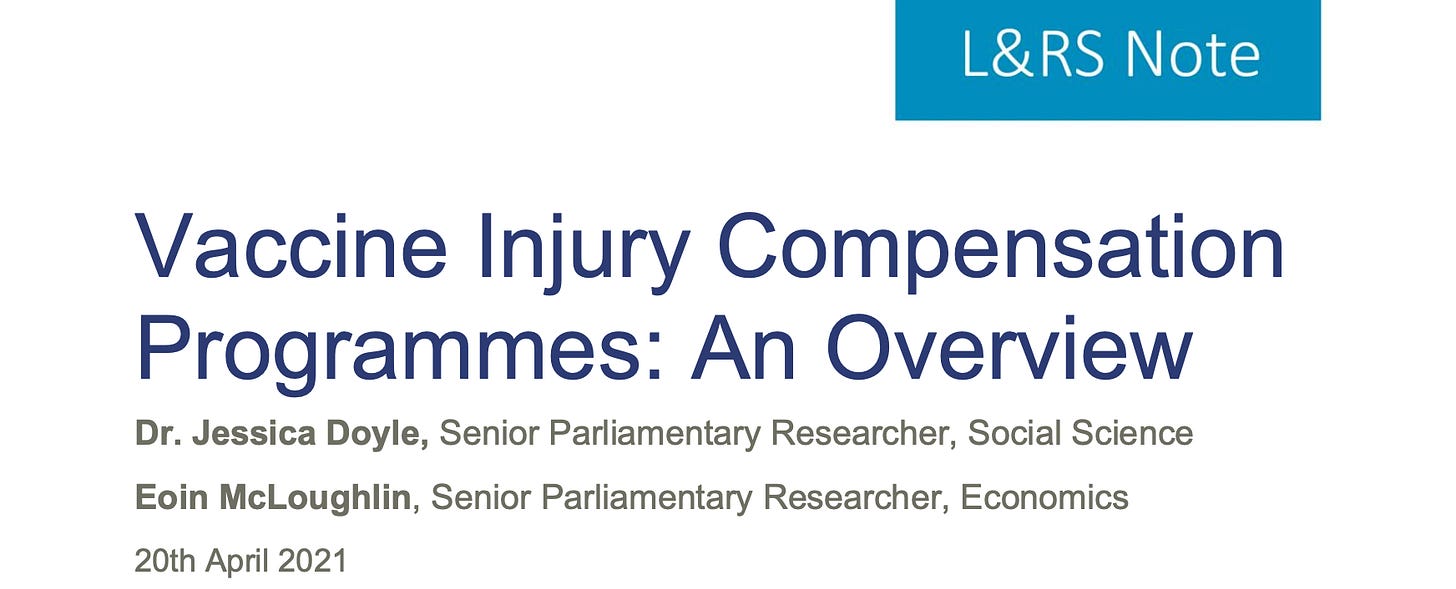
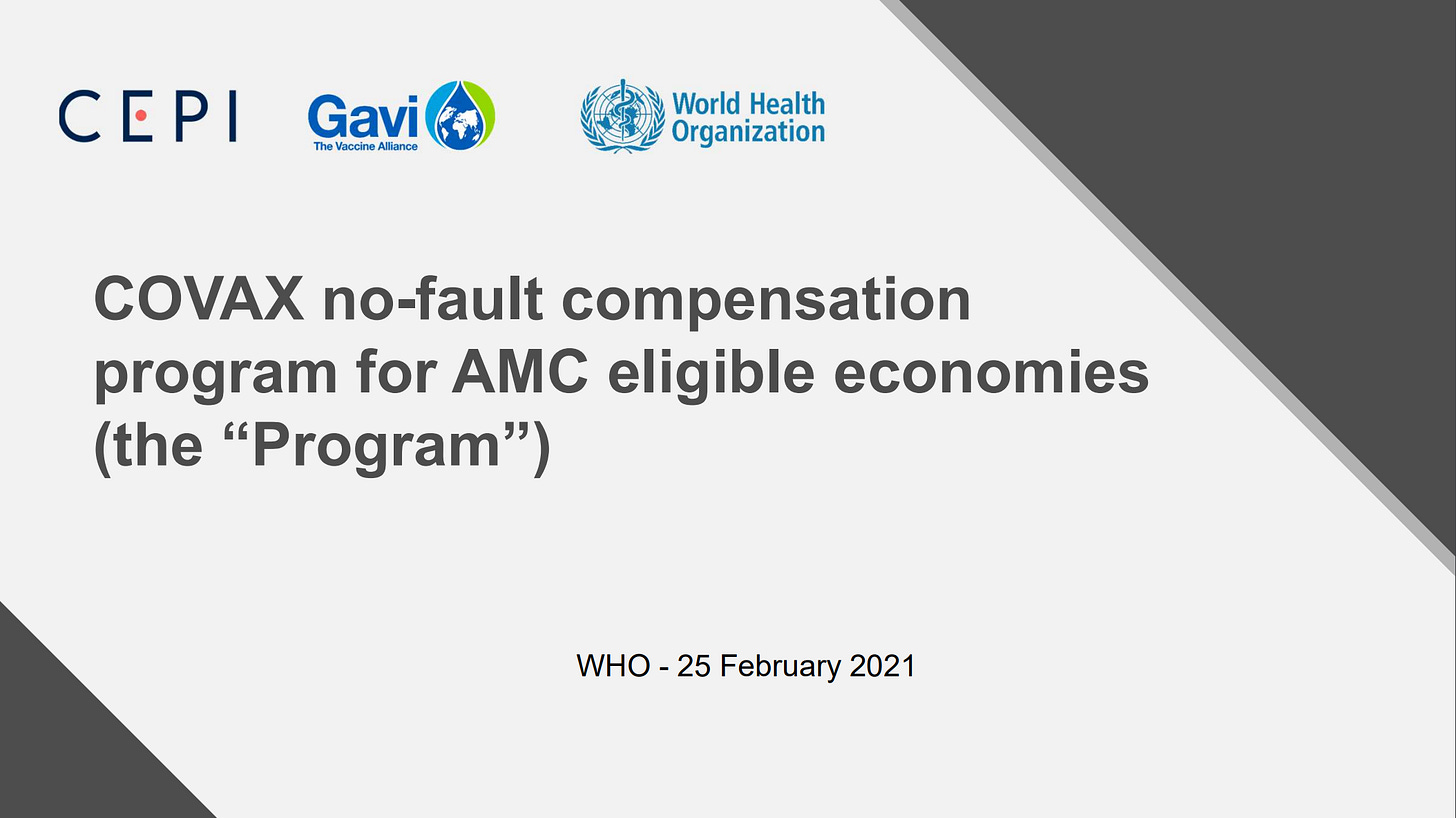
In February 2021, for the first time in history, an agreement was signed for the administration of a no-fault vaccine compensation programme for the 92 low- and middle-income countries and economies eligible for COVID-19 vaccine support through the Gavi COVAX Advance Market Commitment (AMC) of the COVAX Facility. Though it is still incumbent upon the injured party (the applicant) to prove that the vaccine was the "most probable cause" of harm.
“The programme marks the first and only global vaccine injury compensation mechanism and is funded by a small levy on each dose supported by the Gavi COVAX AMC. It is, however, only available for serious adverse events associated with COVAX-distributed (COVID19) vaccines until 30 June 2022.”
View the COVAX Vaccine Injury Table
It would be interesting to know if populations in countries eligible for compensation are even aware such a system exists. And even if they do, are they aware that the deadline for filing a claim is June 30, 2027. It is unfortunate that the website for claimants is only available in English, French and Spanish!
As of May 2024—the latest date for which data is available— there have been a total of 174 claims for compensation received. Only 23 claims were received from countries where a COVAX-distributed vaccine was administered, and 16 claims have been compensated, with no details on the amounts paid out. However the formula applied to calculate compensation is detailed below:
“In accordance with the Program’s Protocol, compensation (for death or total or partial permanent Impairment) is calculated based on the following methodology:
• GDP per capita of the Relevant AMC Eligible Economy x 12 x the harm factor resulting from the (COVAX-distributed) Vaccine or its administration; and
• a daily in-Hospital benefit of US$ 100.00 per day for each day of Hospitalization or prolongation of existing Hospitalization, if any, not to exceed a maximum payment period of 60 days.”
Note that the “harm factor” for death is calculated as 1.0, so a human life in a COVAX country is worth just US$40,000.
In the UK, it is unknown how many post-vaccine deaths have been compensated, but since the inclusion of COVID-19 vaccines in late 2020, at least 55 claims have resulted in compensation for deaths specifically related to COVID-19 vaccines (as of October 2023), with each claimant receiving a lump sum of £120,000. Since the beginning of the compensation scheme in 1979, 16,000 applications have been submitted with only 1,142 receiving compensation.
Since 1988, 1,449 deaths have been reported to the US Vaccine Injury Compensation Program with an unknown number of deaths compensated. The maximum payout for a death is US$250,000, while injured victims can receive millions to cover costs over their remaining lifetimes. In total, US$4,849,515,138.59 has been paid out to over 12,000 vaccine victims (called petitioners) since the VICP began, averaging US$131,000,000 per year.
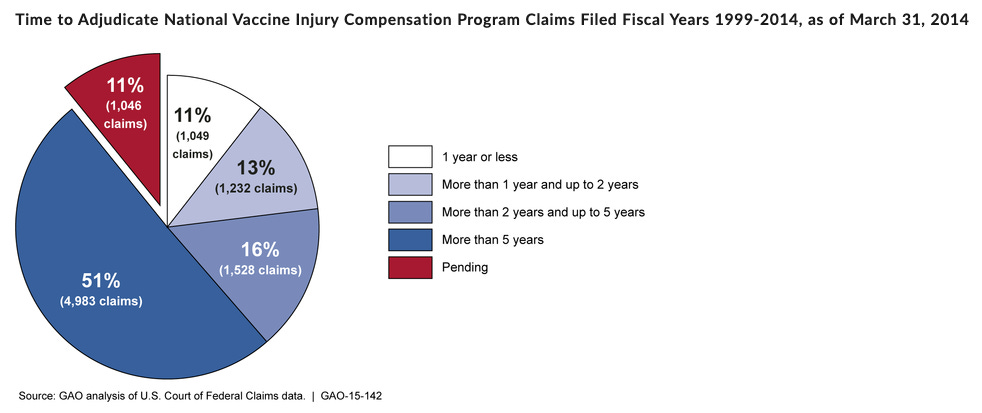
According to the US Government Accountability Office report of 2014, most claims take at least 2 years, with more than half taking over 5 years before being settled—and some claims took as long as 8–10 years!
The Council for International Organizations of Medical Sciences (CIOMS) is an international, non-governmental, non-profit organization established jointly by WHO and UNESCO in 1949.
CIOMS’ mission is to advance public health through guidance on health research and policy including ethics, medical product development and safety. CIOMS is in official relations with WHO and is an associate partner of UNESCO.
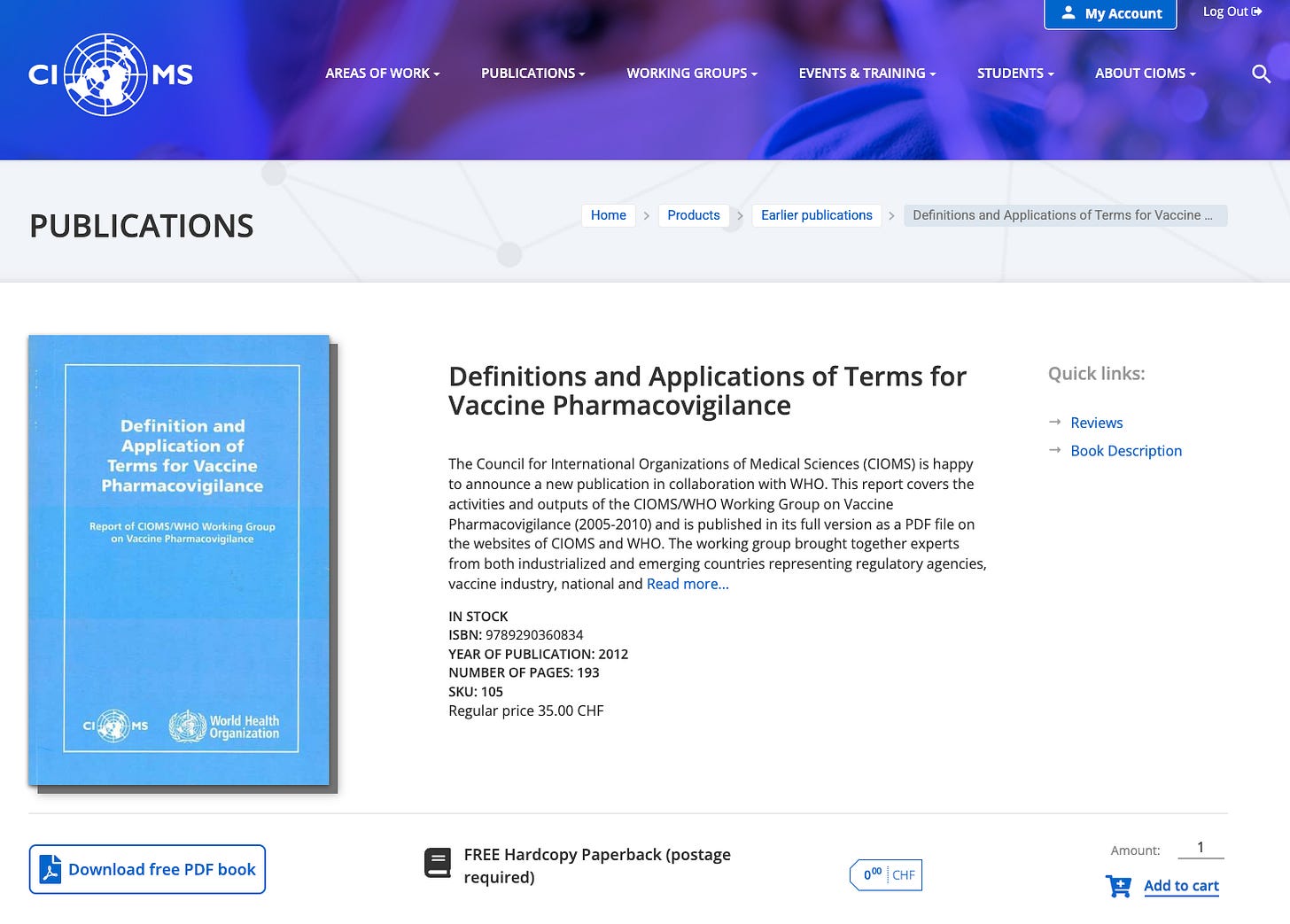
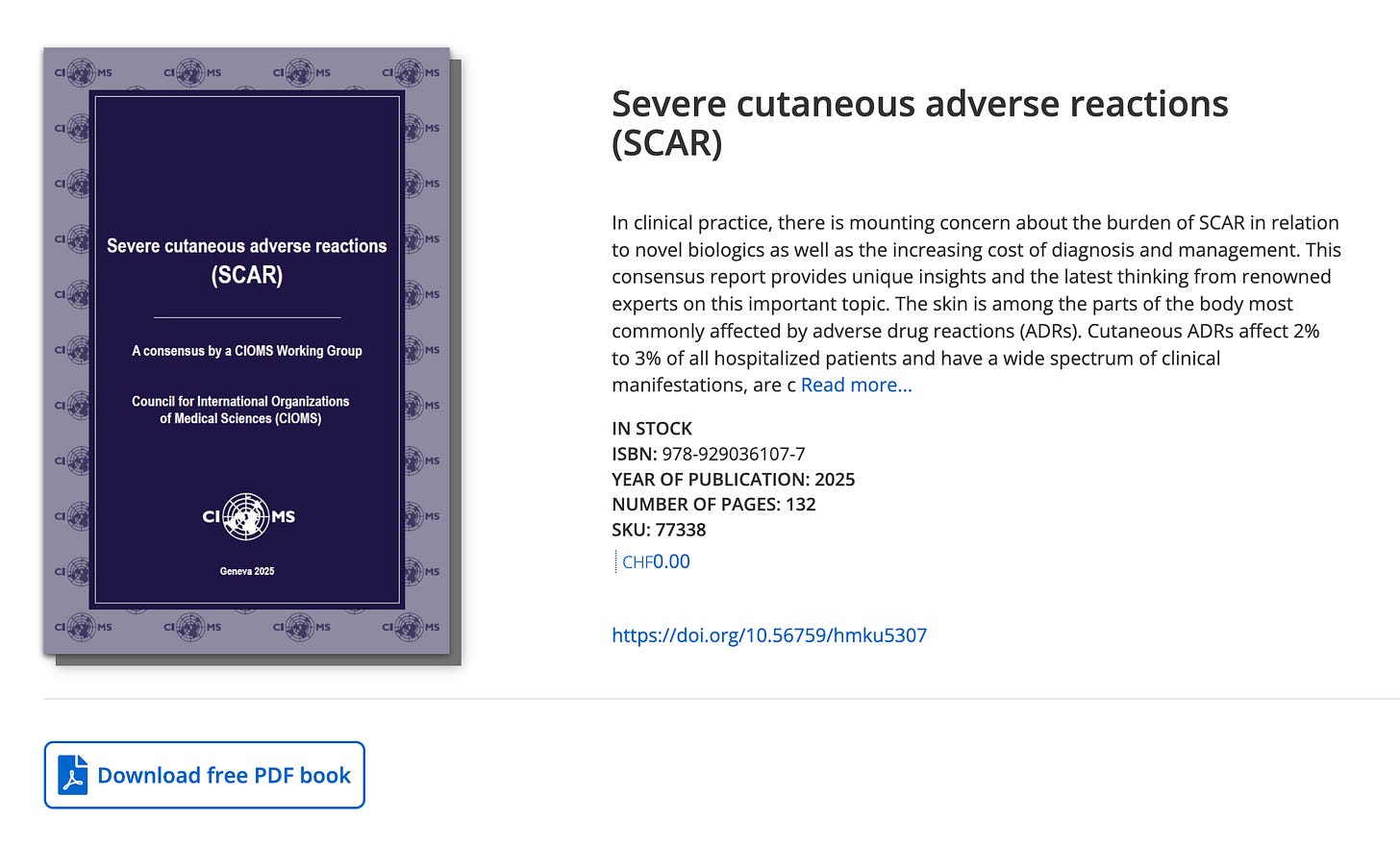
Did you know that some severe skin reactions known to occur after vaccination include erysipelas, eczema and Stevens-Johnson syndrome?
“In December 2020, GACVS recommended adopting a new indicator to monitor the performance of national AEFI reporting systems. The new indicator assessed the number of individually reported serious AEFI cases per million total population in a geographic area annually, with at least one serious AEFI case per million population reported into Vigibase (the WHO global database of individual case safety reports), suggestive of a functional AEFI surveillance system. This replaced a previous indicator of at least 10 AEFI cases per 100 000 surviving children per year.
To achieve this new indicator, countries need to transition from aggregated to case-based AEFI reporting. Several tools and resources have been developed and implemented to assist with this transition. Collaborations with the Uppsala Monitoring Centre (UMC), the WHO Collaborating Centre for International Drug Monitoring, resulted in the development of an online e-learning course on AEFI data management.”
Switching to case-based reporting should enhance the sensitivity, specificity, and usefulness of vaccine safety data, leading to more robust and actionable public health surveillance. It remains to be seen if this “new indicator” will actually improve early detection of safety signals and if these signals will be appropriately acted upon by health authorities and regulatory agencies…
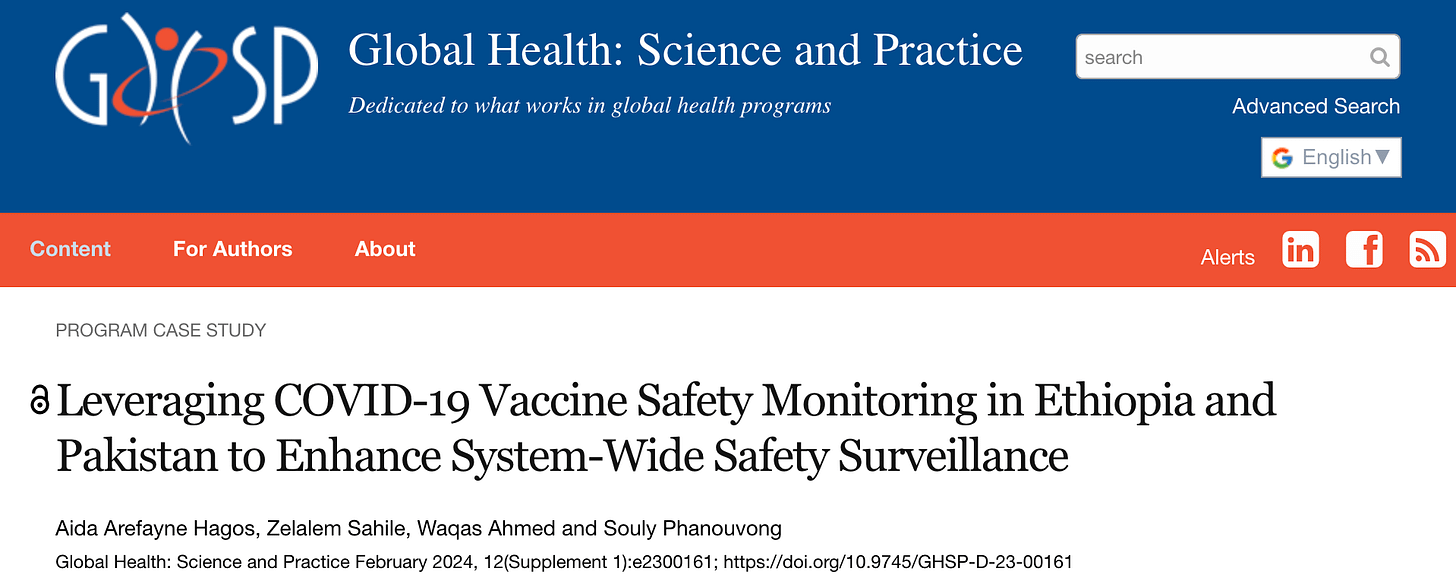
“In Pakistan, the pharmacovigilance system lacked reporting requirements and guidance documentation, regulatory policies were insufficient, and staff lacked the capacity to evaluate AEFI reports. Several interventions were implemented in both countries to improve pharmacovigilance systems and processes necessary to collect, analyze, and report AEFIs from health care facilities to the national level and facilitate the use of global and national electronic reporting tools.
In addition, Pakistan improved the regulatory policy environment and engaged vaccine manufacturers and private sector health facilities in AEFI reporting for the first time in the country. Outcomes include an increased number of COVID-19 vaccine-related AEFIs reported and causality assessments completed, which means that potential safety issues were being analyzed more quickly, comprehensively, and accurately. The number of AEFI reports submitted to VigiBase by Pakistan’s regulatory authority more than quintupled from approximately 5,000/quarter in 2021 to 28,555/quarter in 2022.
In Ethiopia, by October 2022, 44,000 AEFI reports had been received, and 40 causality assessments completed. In both countries, timely AEFI data review and analysis led to prompt recommendations and regulatory actions, highlighting the far-reaching implications of strengthening the country-level pharmacovigilance systems. These strengthened systems are now in place for use with all vaccines.”
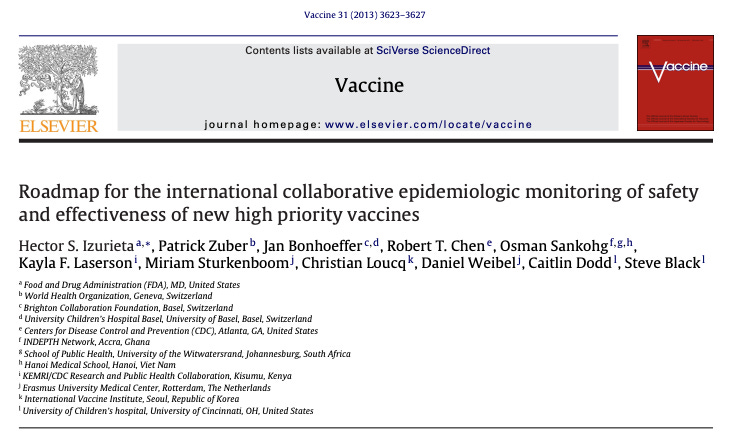
“With the advent of new vaccines targeted to highly endemic diseases in low- and middle-income countries (LMIC) and with the expansion of vaccine manufacturing globally, there is an urgent need to establish an infrastructure to evaluate the benefit-risk profiles of vaccines.
An ideal vaccine safety and effectiveness monitoring system should be flexible and sustainable, able to quickly detect possible vaccine-associated events, distinguish them from programmatic errors, reliably and quickly evaluate the suspected event and its association with vaccination and, if associated, determine the benefit-risk of vaccines to inform appropriate action.”
There are conferences specifically on the general subject of pharmacovigilance, like the Biennial Conference on Signal Detection and Interpretation in Pharmacovigilance and the International Society of Pharmacovigilance which are dedicated to this issue.
“Risk benefit assessment occurs throughout the life cycle of the product. The Risk Benefit Assessment in Pharmacovigilance course enables delegates to explore how risks should be evaluated in the context of anticipated benefit.”
The First International Symposium on the Evaluation of Safety of Human Vaccines took place in Rome, Italy on 22 – 23 May 2002, focusing exclusively on vaccine safety. This first meeting brought together vaccine surveillance specialists, trialists, pharmaceutical companies, regulators, researchers and academics to examine and discuss methodological problems in the assessment of the safety of human vaccines.
Today, that symposium has evolved into the annual Vaccines World congress.
The "Vaccine Safety, Efficacy & Regulatory Affairs" track at the Vaccines World 2025 conference focuses on the critical aspects of vaccine development and deployment, including safety assessment, efficacy evaluation, and regulatory considerations. Researchers are invited to submit abstracts that address advancements in these areas, ensuring that vaccines meet the highest standards of safety and effectiveness.
There is an International Association of Medical Regulatory Authorities that brings together regulatory agencies from around the world—most of whom are responsible for post-marketing vaccine safety surveillance in their respective territories.
“In May 1994, the Federation of State Medical Boards of the United States (FSMB), under contract with the US Department of Health and Human Services, planned and hosted the 1st International Conference on Medical Regulation in Washington, D.C. Participants included representatives of Australia, Canada, Ireland, New Zealand, South Africa, the United Kingdom and the United States. Observers attended from Egypt, Israel, Mexico and Taiwan.
In September 2000, medical regulatory authorities from Australia, Canada, Ireland, New Zealand, South Africa, Sweden, the United Kingdom and the United States formed the International Association of Medical Licensing Authorities (IAMLA), which was formally incorporated in 2004 in the State of Texas as the International Association of Medical Regulatory Authorities (IAMRA). The IAMRA Secretariat continues to be supported by the generosity of the the Federation of State Medical Boards of the United States (FSMB).”
Thanks for reading! 🤓
No posts
Comments
Nothing yet. Say the first thing.
Sign in to join the conversation.