
I often mention how the Victorians wrecked many of our ancient churches so I thought this week it would be good to show you a very odd one, where even the modern day parishioners consider the people of the time had “more money than sense.”
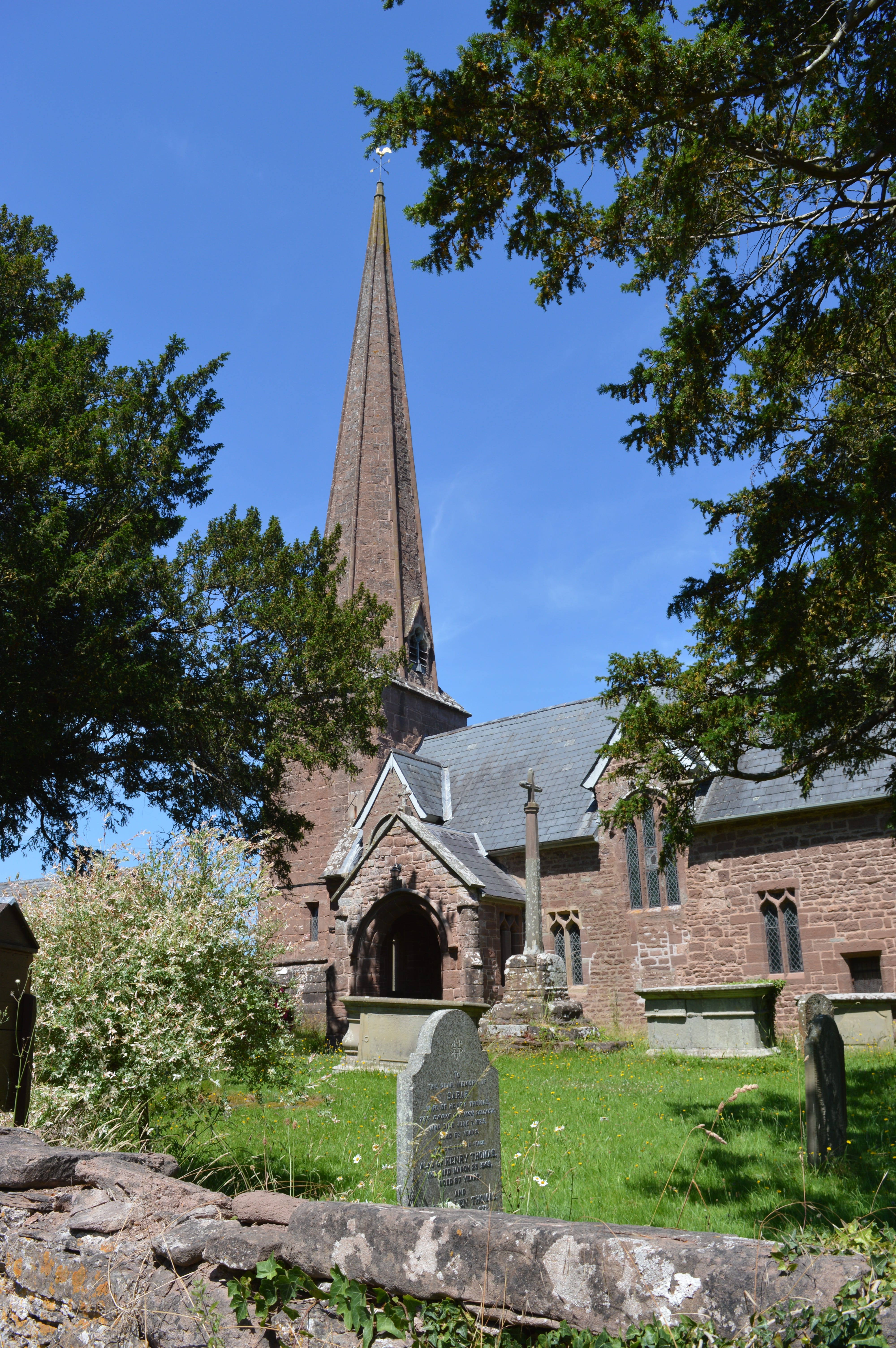
First, it’s dedicated to a Welsh saint, but it is in England (the only one dedicated to St Tysilio in England). It’s in the western part of Herefordshire, which had, for many centuries, a strong Welsh influence, including the language. As is the case with many ancient churches, there is no parking, you just park on the road outside the church wall and the road is a dead end - you have to return the same way you came, up winding tiny roads covered in potholes. Like many Herefordshire churches, the graveyard contains several yew trees, hundreds of years old. Also like many churches in this area, it still contains a churchyard cross (often destroyed elsewhere), though the top of the cross has had to be replaced.
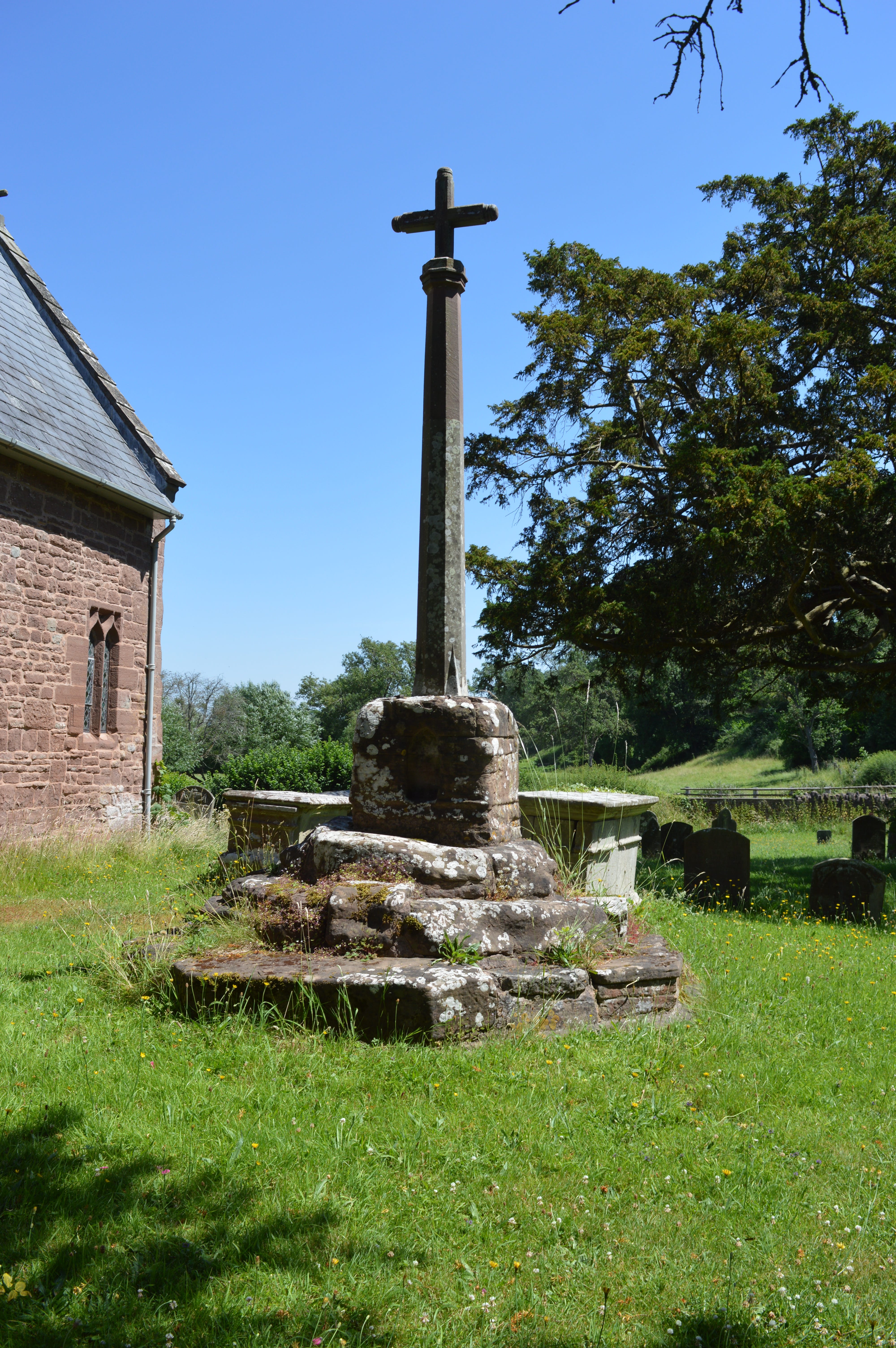
The cross also has a small niche at the base, which is a feature unique to Herefordshire. The original cross head would have held a crucifix along with images of other saints.
This church most likely goes back to the 7th century in its origins, but the oldest bits of the current building are 12th century.
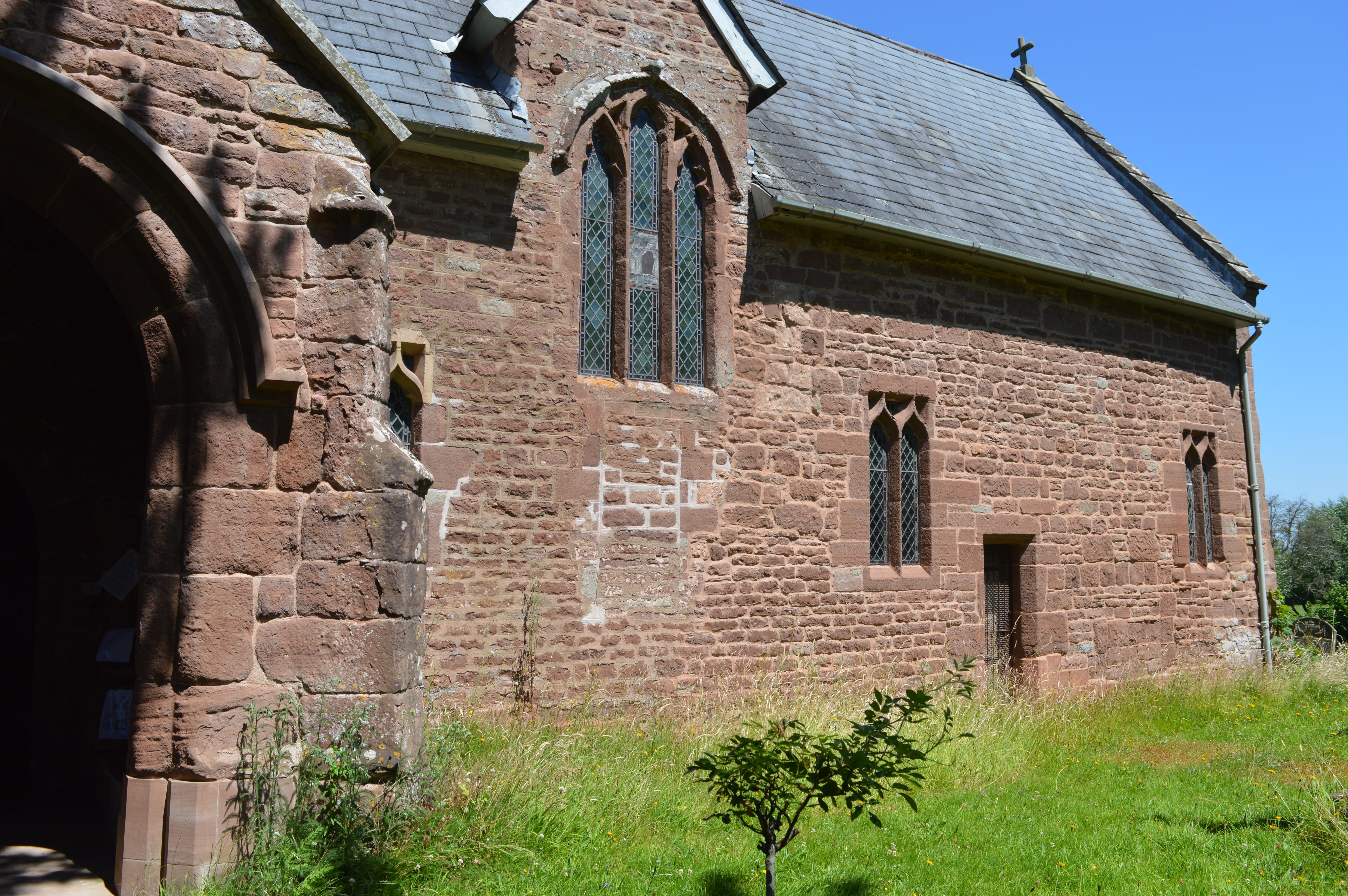
This exterior shot gives you a hint of the oddities here: a blocked up window surmounted by another window which incongruously rises into the roof. A priest’s door survives but the stones here and around the windows show evidence of lots of changes.
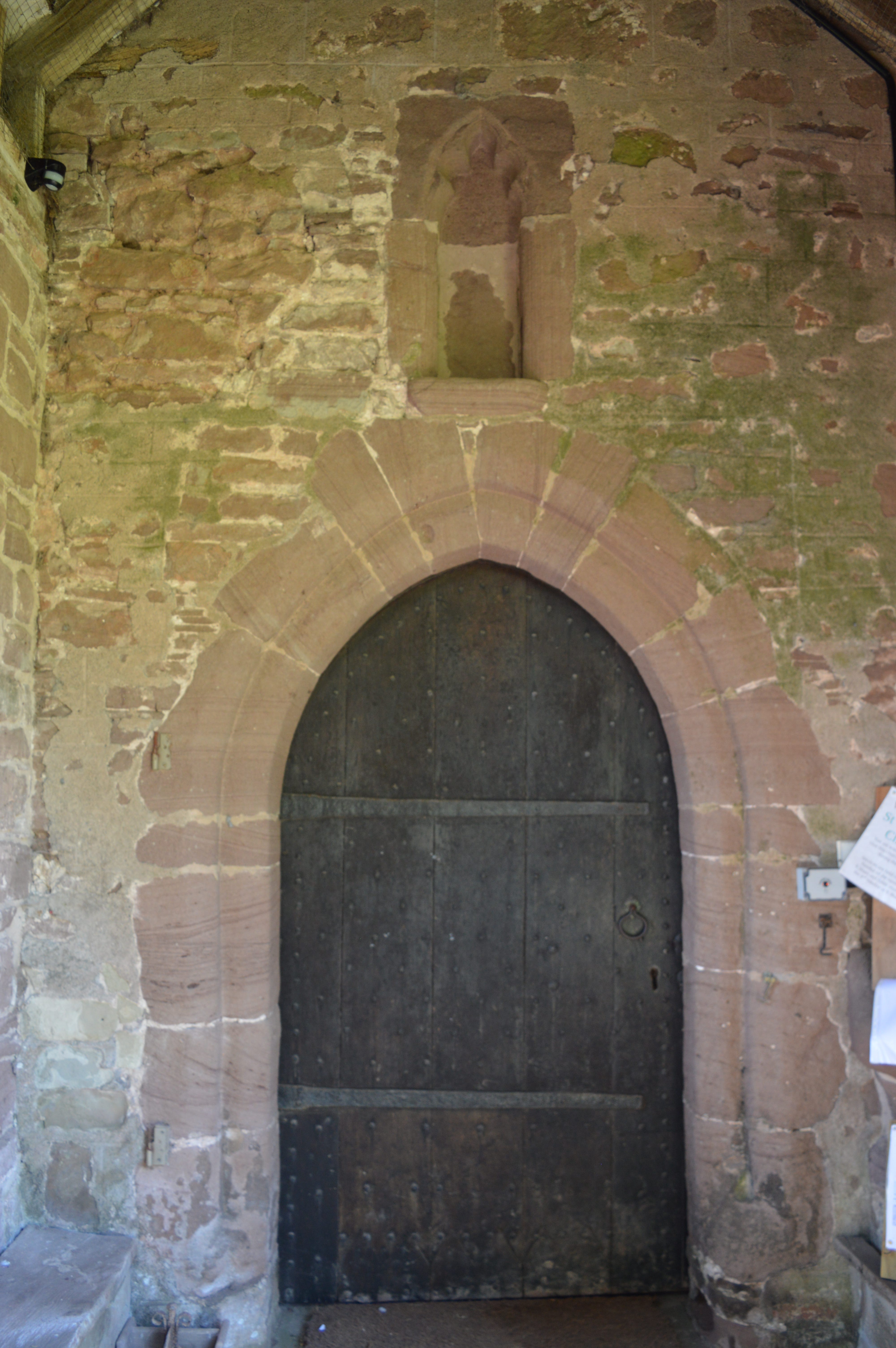
Inside the porch an empty niche bears witness to the iconoclasms. The doorway looks 13th century; the door is certainly very old but it’s hard to date. Probably medieval; if it was replaced in the 17th century, it would most likely have a date on it as they had a mania for that kind of thing at the time. If you look to either side of the niche, you can see a hint of the earlier 12th century door in a round arch.
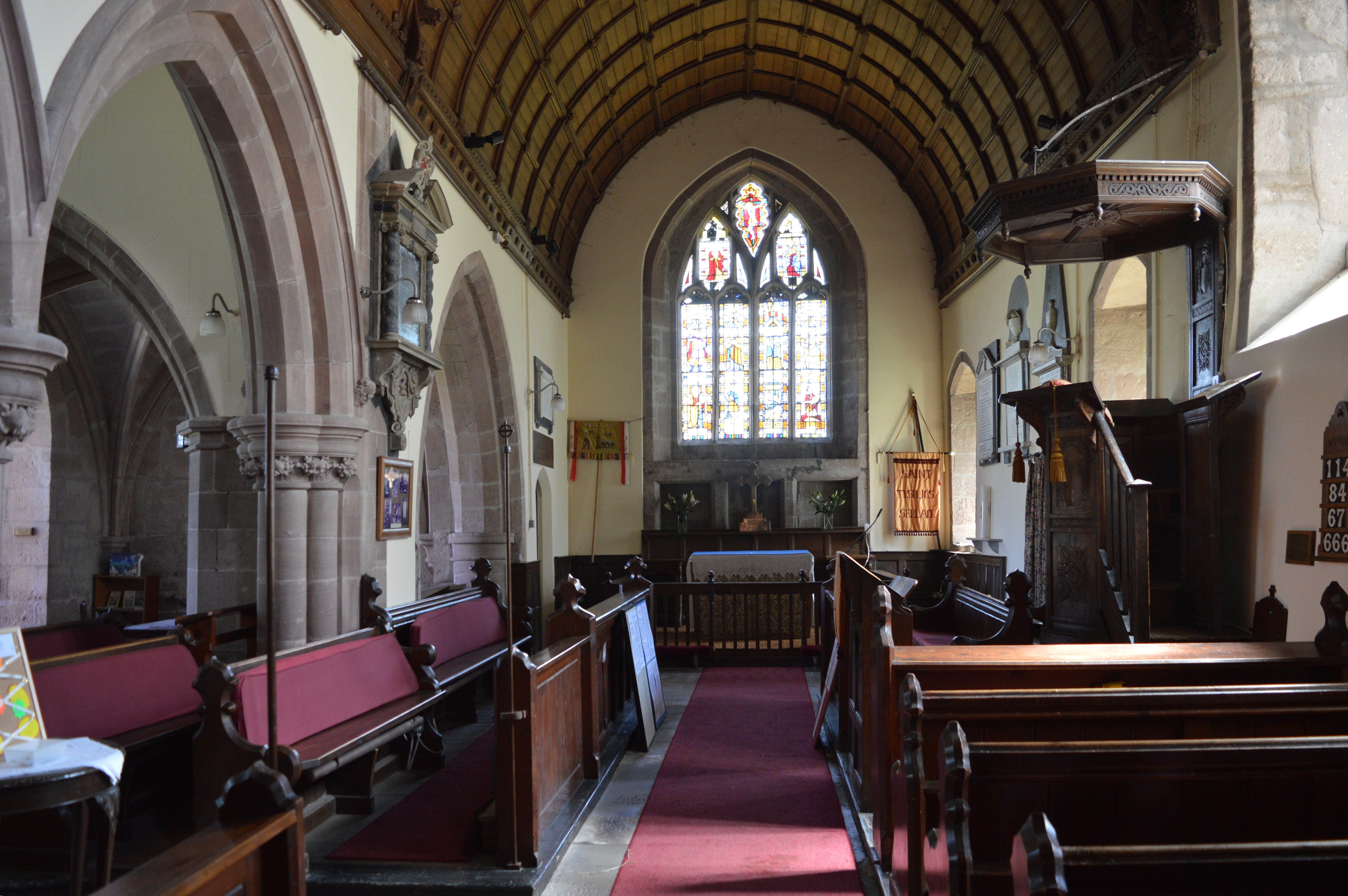
Here’s what to see when you walk in. It’s a bit weird. This is the original nave, with a small chancel at the east end. The reason for that pulpit half way down the nave will become clear in due course, but it is strange, along with the sideways facing seats. On the left you can see Victorian pillars and beyond that a small chapel which was added in the 13th century. The arches on the left are 19th century and (dreadfully) replaced 12th century round arches which created an aisle on the left, ending in a small chapel beside the chancel. So it was a simple church with a north aisle containing a chapel and probably small shrines for certain saints.
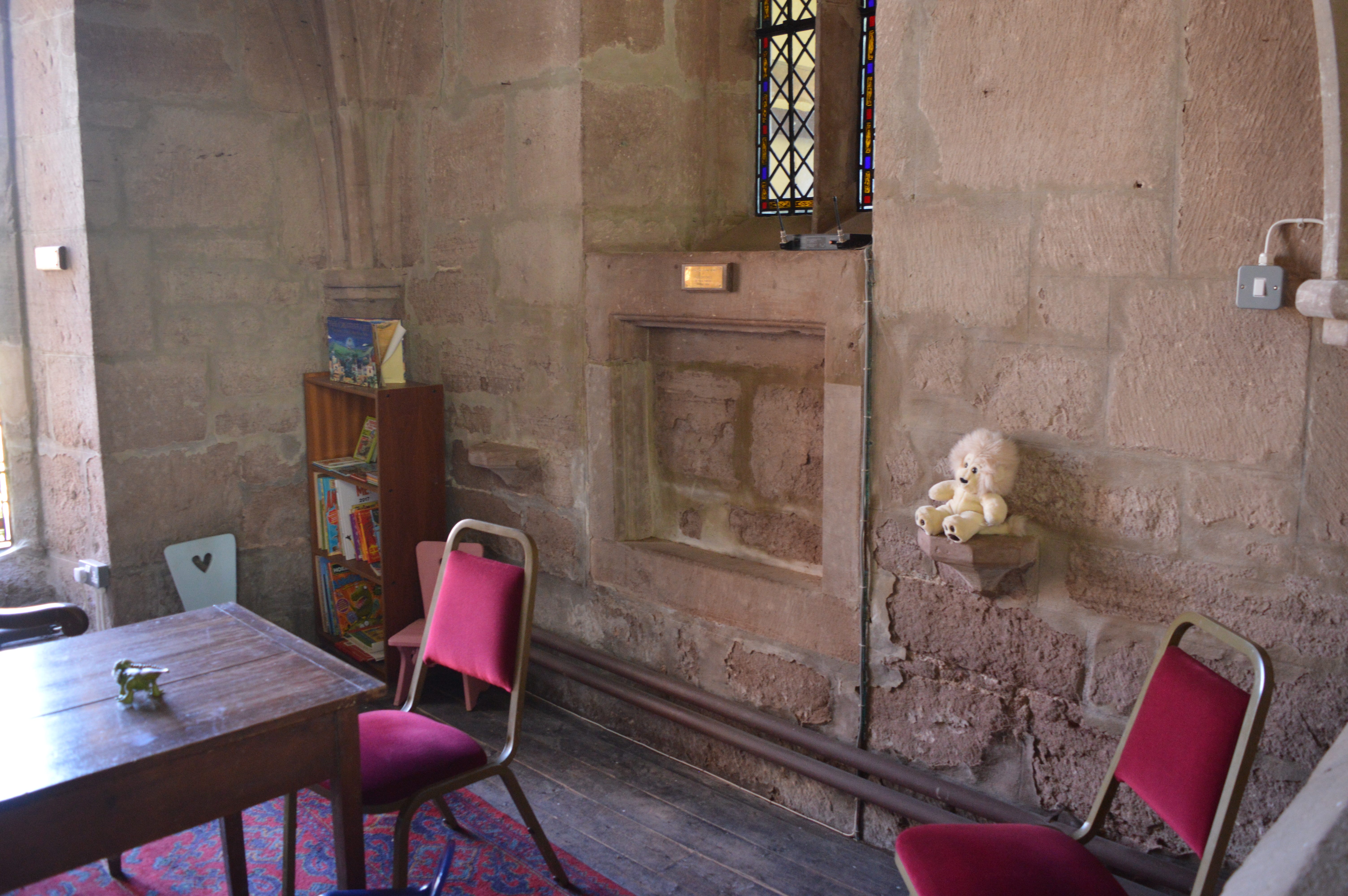
The chapel is largely wrecked now, and divided from the main part of the church by a stone wall of indeterminate age. A medieval statue plinth now supports a soft toy (sigh…) and there is one on the other side as well, which indicate the altar that was once here wasn’t particularly large.
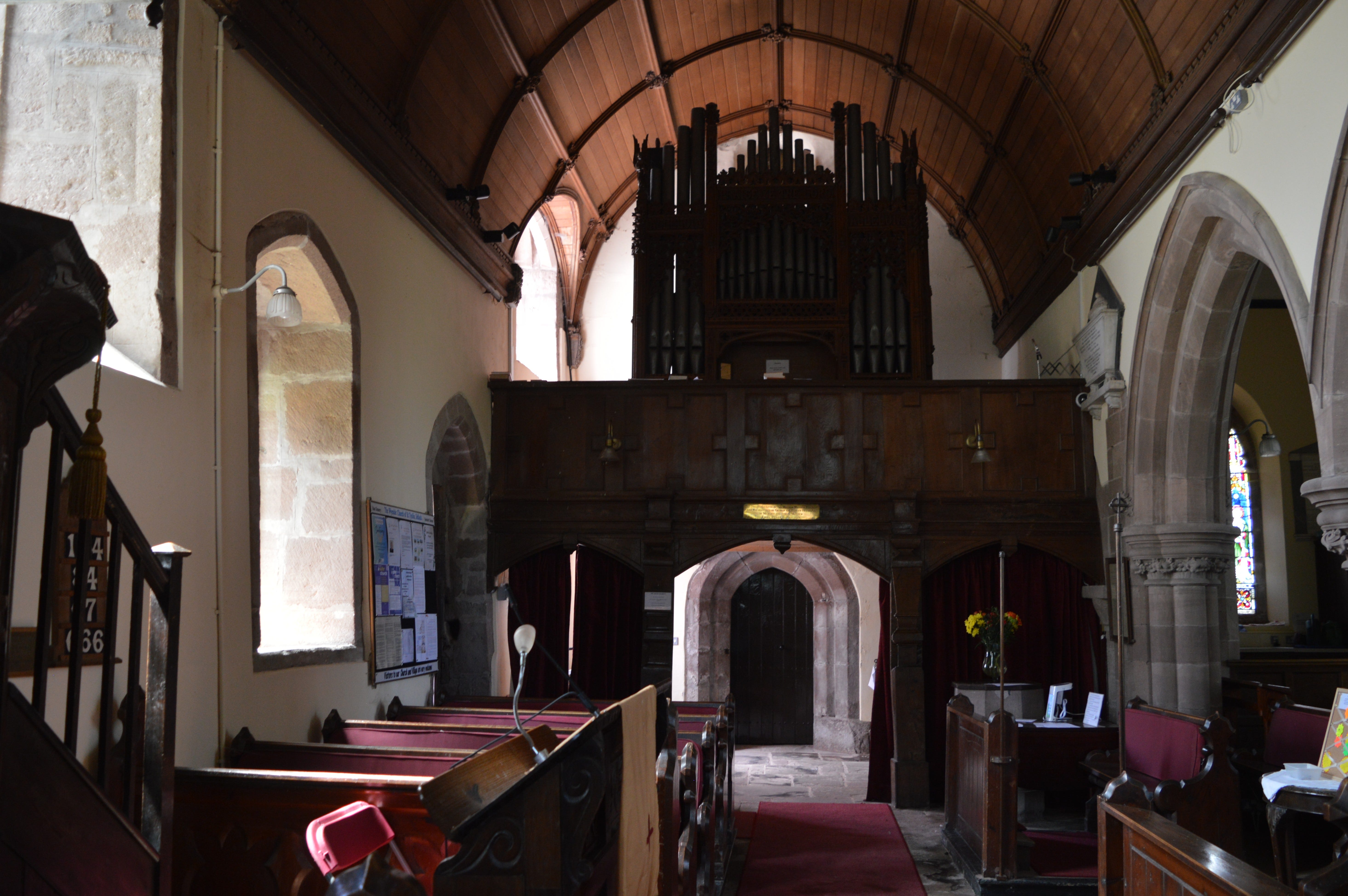
If we look back along the nave from the east end just outside the chapel, you can see an organ, looming over the west end like a giant crow, destroying the light and making it an uncomfortable spot to linger. On the right is the Victorian extension, which created this very odd area which sits directly opposite the door at a right angle to the nave.
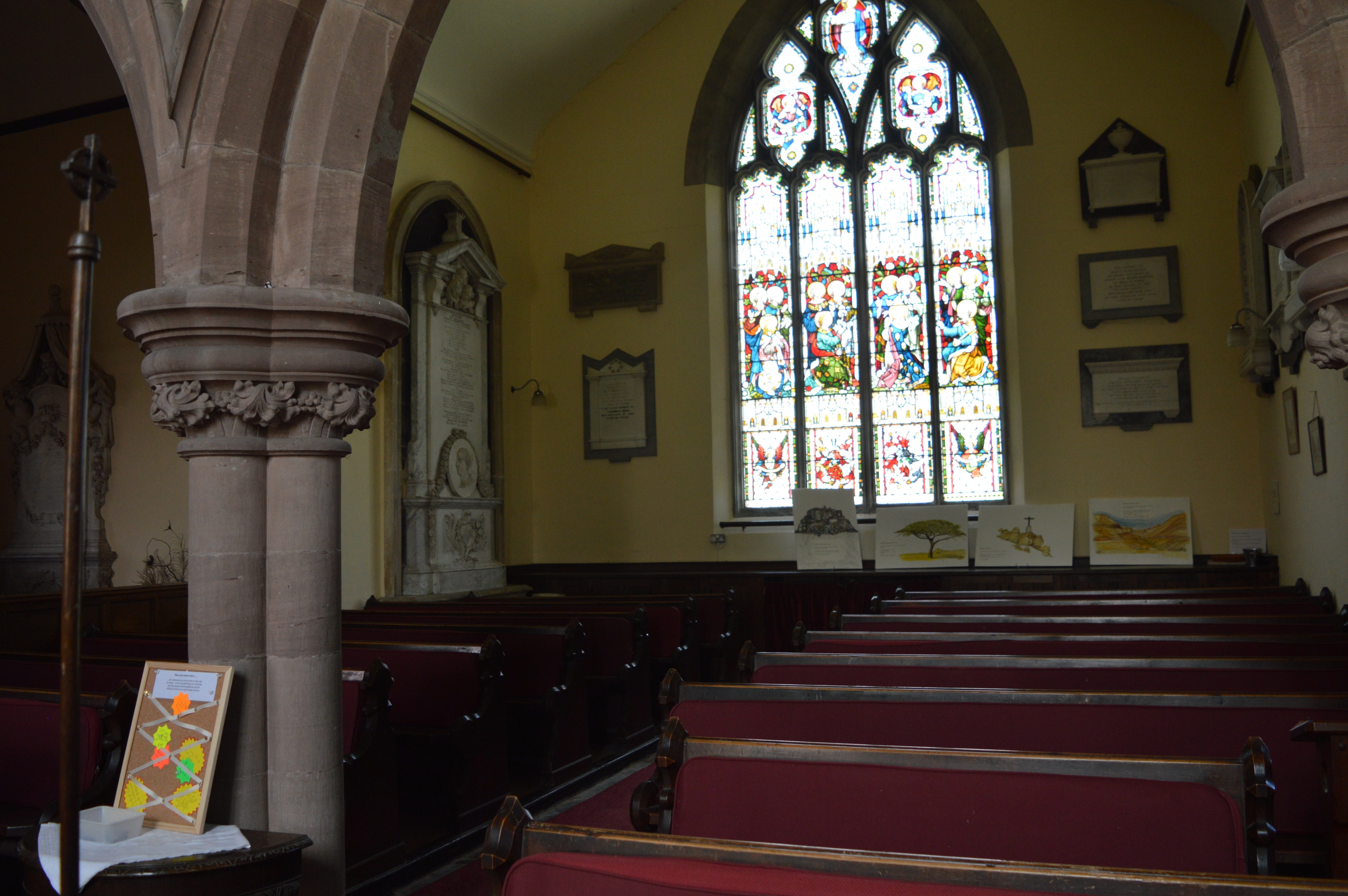
The church guide says that in 1840, “the parishioners, who have been described as somewhat over zealous and with more money than sense, knocked down most of the north aisle and built (badly) the north transept as we have it today. Our abiding view of this in the 1990s was that the roof leaked!”
The pillars here are Victorian gothic, which, as is often the case, mixes styles from the whole gothic period; they are always very recognisable for this reason. It’s a curiously shaped space.
People sitting in this transept could not see the altar, but could see the pulpit once it was moved to half-way down the nave. Of course, placing the pulpit there was the only way the preacher could see most of the congregation!
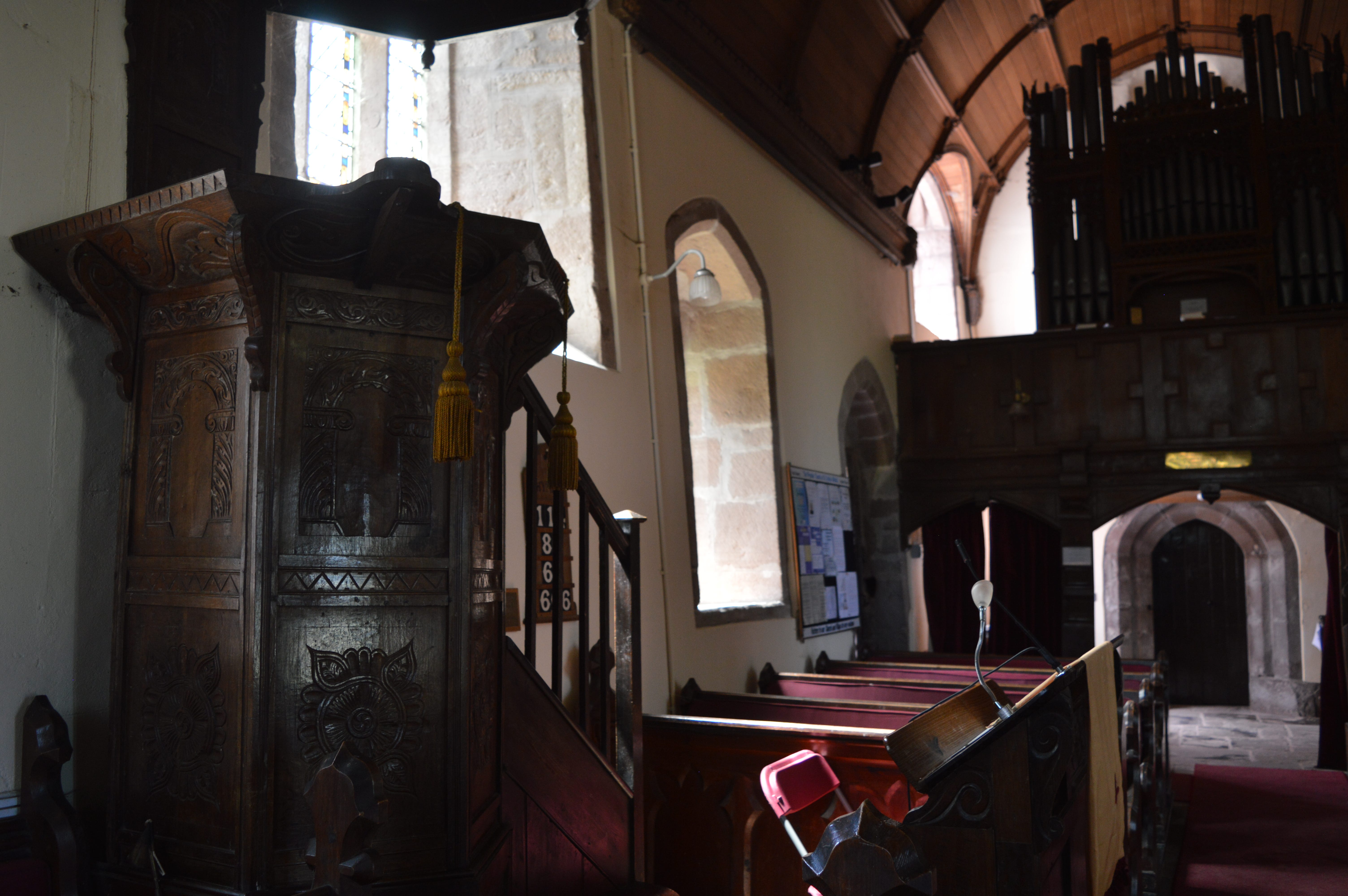
So the church ended up with an annex which could seat around 80 sideways-on, but a nave that could now only seat around 20 facing forward due to the strange changes they made. It’s perplexing, but in the context of a thoroughly protestant church where the altar was rarely used, perhaps it makes sense for all the people to be focussing on the preacher. An ancient church re-ordered for the 19th century.
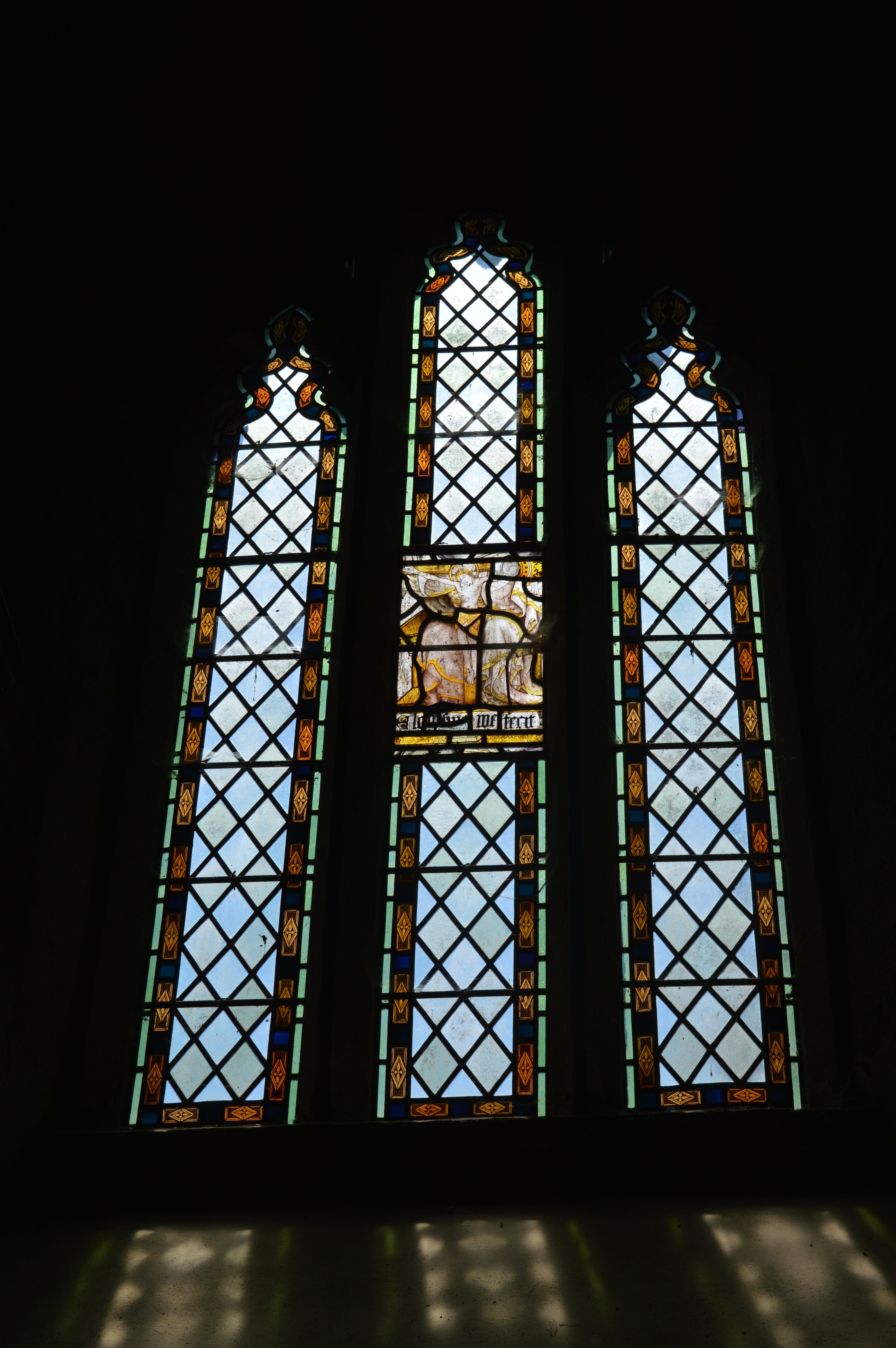
Despite this odd arrangement, there is beauty here. While the 19th century transept contains only poor 19th century glass, the old heart of the church is different. In the south wall is this piece of medieval religious art, set nicely in some 19th century surrounds.
Comments
Nothing yet. Say the first thing.
Sign in to join the conversation.