
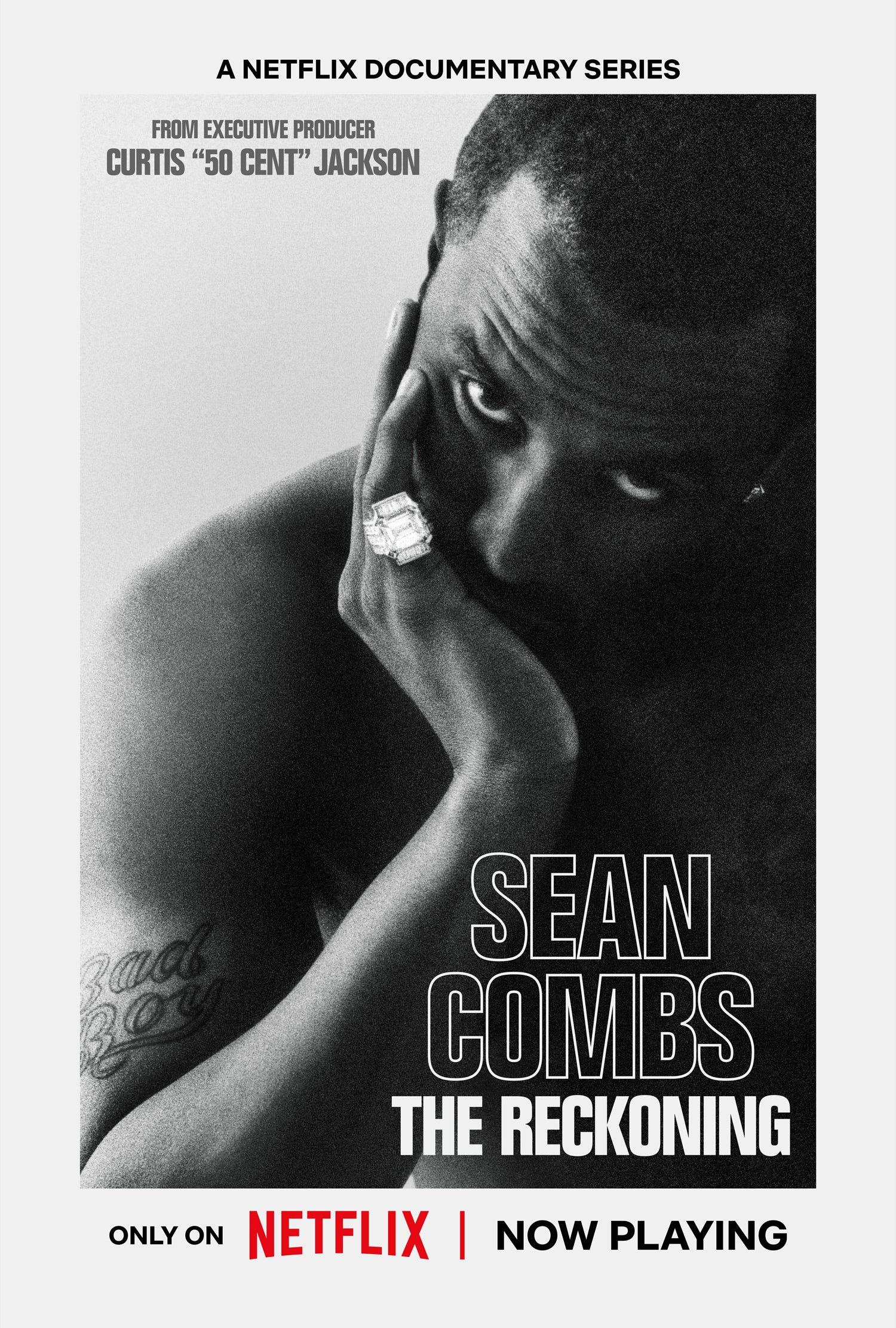
Sean Combs: The Reckoning was released on Netflix late last year to acclaim and massive streaming numbers. It is an epic four-part documentary that covers the rise and fall of Sean “Diddy” Combs from the golden age of hip-hop through the founding of Bad Boy Records. He led a lavish lifestyle and was in the media for decades as one of the most powerful music moguls, with an empire spanning all corners of pop culture. While abuses were hinted at over the years, not many knew until recent years the massive scale of misconduct that has come to light. To make sense of all of this, filmmaker Alexandria Stapleton (Corman’s World: Exploits of a Hollywood Rebel, Reggie) has crafted a film that has the scope of a classic American story on a large canvas that explores how Combs operated in the culture at large that was seemingly ok with his numerous abuses of power. Stapleton recently spoke with Immersive about this massive undertaking.
[This conversation has been edited for clarity and length.]
Talk a little bit about how you started doing this?
I started the day that Cassie (Ventura) dropped her lawsuit. That was a giant bombshell that was heard around the world. I was really fascinated as a documentarian. I had so many questions. I began the journey of trying to contact her. How could I get into that story? But then she settled, like, 24 hours later, and then was not available. I never lost interest. I felt pretty determined to try to figure out the next steps. That’s when I linked up with 50 Cent, who was working on his own doc at that time. I was like, “How do we combine forces?” We had a meeting, and then we were off to the races, and the third partner in that was Netflix. We just kept our heads down and began the work.
What do you think is so compelling about this story? I thought I was just gonna passively watch it. I just did not expect it to be so comprehensive. I see why every part was in there.
It didn’t feel gratuitous. We cut out a lot that I wish we had more time to put in. This man is such a huge part of defining American pop culture over decades, and was a larger-than-life personality. We all knew that. He was so successful in music and reality television and fashion and just his entrepreneurial spirit; it’s the American dream, right? To be so out there and celebrated, but then to have this very dark world underneath the hood of all of that was really fascinating to me.
Then the question to me was, why? How do you even get there? How is this unchecked? What is the origin story? I was very committed to digging into that as far and as deep as I could. As we were cutting... We weren’t cutting yet when he was indicted, but we were editing while he was awaiting trial, and we were still editing when he went to trial. Then, seeing the trial and having conversations with the jurors. It became this journey into what all of this says about us as fans and as the public?
That’s a really good question. What was it like contacting some of these people? Some of his victims’ stories go back decades…
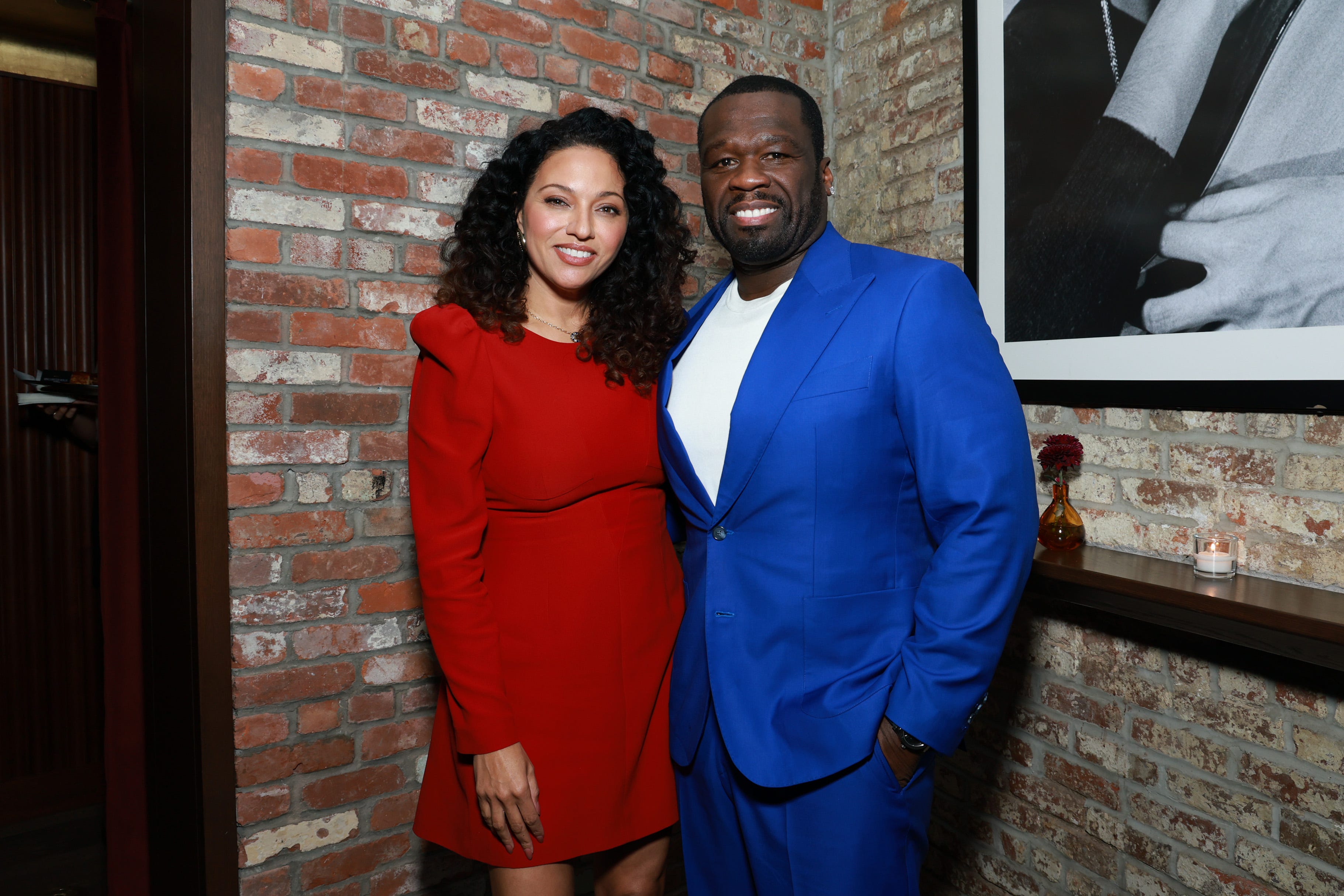
50 was living outside Sean Combs’s ecosystem and had no dependence on him at any point, but I think that he was actually a big part of bringing a lot of people to the table, you know? He was instrumental in those early days before the indictment. I would be connected with folks; a big part of that was their feeling safe and knowing the project would be authentic. I think it was important to everyone that it was being made with me, a filmmaker who understands and grew up in the world of hip-hop.
I feel like a lot of people were just worried that their story would be chopped and screwed into something that would fit the narrative of people who had no idea what they were even talking about in the first place. I think the amount of time given to each person to feel heard and seen was important. So many of the people that are in this film were living in isolation, blacklisted, or just living with their trauma as victims, and nobody believed them. I think that making this film finally gave them the space to be heard.
What is your interview style like? How do you approach something delicate like this?
I think that my approach is to do as much as possible before I start rolling the cameras. For every person that you see on camera, there were hours upon hours upon hours of conversations that happened before we got to that place. I think that allows me to develop a rapport and trust in just how I communicate, how they communicate, and how we can be in conversation with each other. When I’m shooting, I’m a big believer in, we’re gonna sit here, and we’re gonna take as long as we need.
From a production standpoint, I keep a very tight set. I have an incredible team of people that came together to make it look intimate. Once the shots are set up, I ask everyone to leave except for my DP and me. I try to cocoon the set. I try to do everything I can to make it feel like a safe space to talk in, so it doesn’t feel like they’re being interrogated. I think all those little things add up to providing a more comfortable place to share.
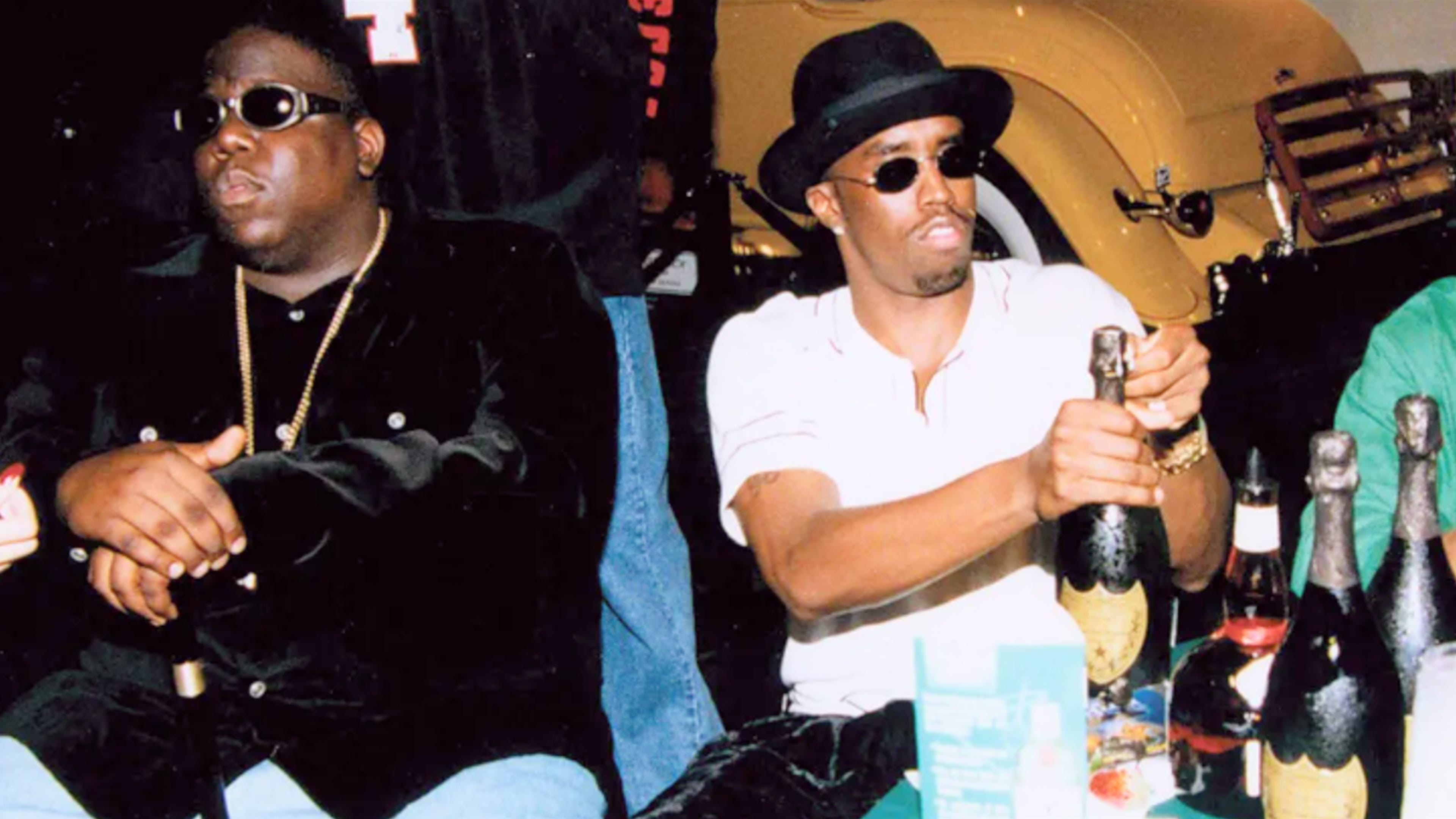
Do people have to be mega assholes to climb that particular ladder of success? I can’t imagine doing half of the shit that he did. Did that help him skyrocket to the top doing all that stuff?
The music industry is built on shady illegal activity. Sean Combs entered a business where many companies engage in shady practices, and there’s widespread corruption and exploitation. He was a hustler and a really hard worker, with his own baggage from his childhood on the streets of New York as hip-hop was becoming mainstream. He was this wonder kid who had his finger on the pulse of what people wanted to hear. I think that adults just weren’t adulting him. He had unchecked power. I don’t necessarily think everybody in the recording industry is that way. Tim Dawg is in the film and was also an A&R exec - he’s the opposite. I think that was also a very different era. We didn’t have social media, and we didn’t have ways to expose bad deeds back then. Bad behavior could happen in closed rooms, and no one would say anything.
It’s so rare that we get such a window into a major figure’s life at a pivotal moment. What was that like when you first watched that private footage?
It fell in my lap like, just out of the sky; that’s what it felt like. I had to make a decision: what was I gonna do with it? I stayed up very late into the wee hours of the morning watching it with my producer. We were already editing. We were probably halfway into cutting the series when that happened. It wasn’t just one moment in that footage. It was more understanding his personality, like where his priorities were while he was being surveilled and all these allegations swarming around him.
Talk about being on the other end of this now. Obviously, it was a very popular series. Congratulations on your nomination. What does this project mean to you?
I feel very blessed. I feel very honored and lucky that people had a visceral connection while watching this. I think that’s something you pray for as a director when you’re making something. I think the biggest prize in all of this, beyond nominations and how many people watched it, was the conversations it spurred and the dialogue I think people are having.
People are opening their eyes to a larger reckoning that might be happening for us as a civilization. What are we allowing powerful people to get away with? What are we co-signing as a public? There are a million other things: how we treat artists, how we treat women, how we treat victims. What is the court system? Is it outmoded? Do we need a refresher? How we handle these types of cases in the future.
To have an incredible tribe of amazing editors, producers, composer, my DP… every person that touched this series, either in the field or in post, or just getting it across the finish line, you know, my partners at Netflix, everyone put a thousand percent into it. The series nomination is probably the biggest one, because it really represents the entire community behind everything that people don’t see.
Sean Combs: The Reckoning is streaming on Netflix.
No posts
Comments
Nothing yet. Say the first thing.
Sign in to join the conversation.