
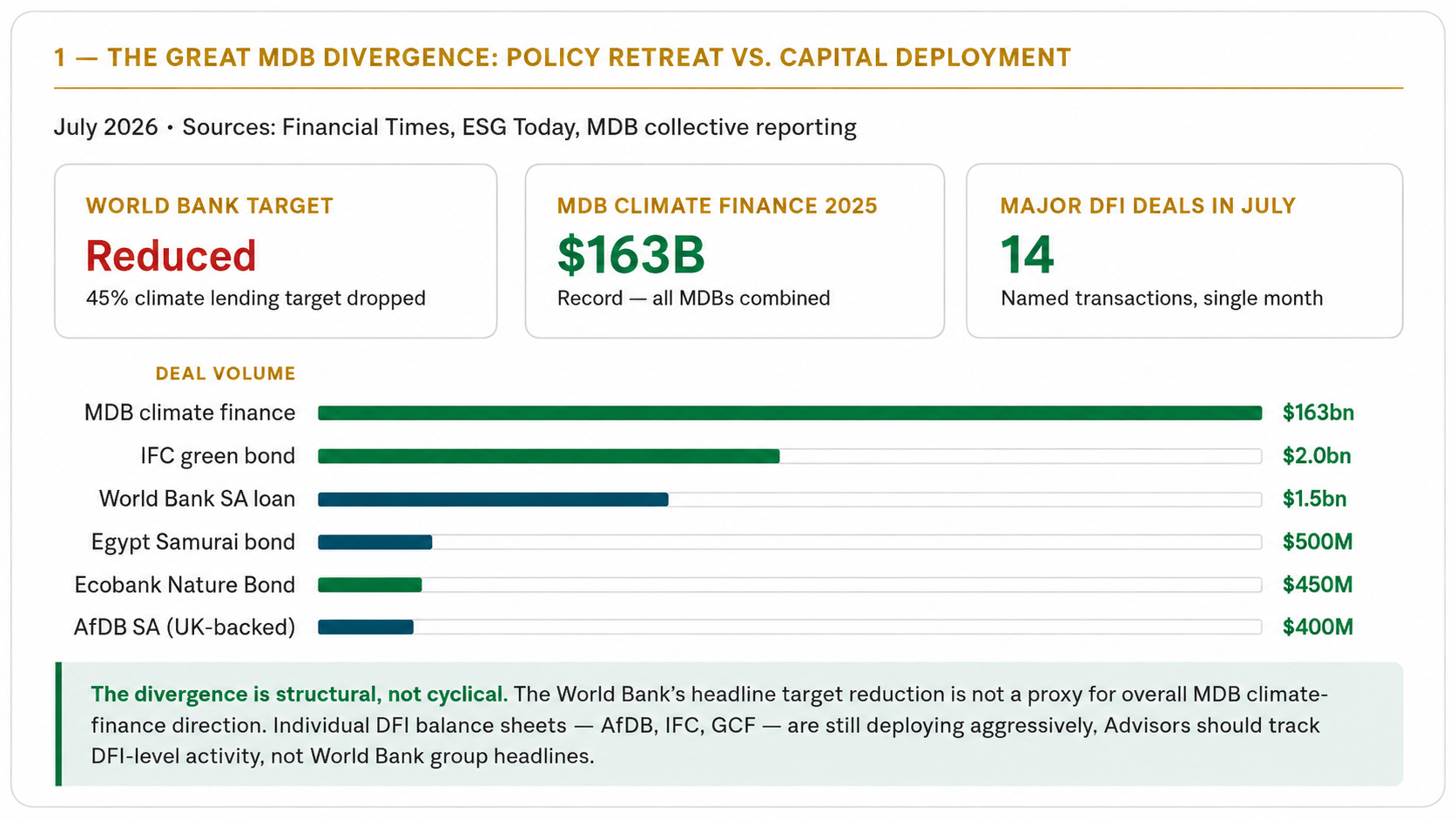
The World Bank’s decision to abandon its 45% climate-finance lending target was initially interpreted as a retreat from climate ambition. July’s data suggests a more nuanced reality.
MDB climate finance is not disappearing. Multilateral development banks delivered a record $163bn in climate finance in 2025, while July saw the World Bank close a $1.5bn infrastructure financing for South Africa and the African Development Bank approve two separate $400m financings supporting South Africa’s energy and water reforms.
The shift is not from climate lending to no lending. It is from a concentrated MDB-led model toward a broader ecosystem of capital providers.
That distinction matters because Africa is not simply absorbing a financing gap. It is building the instruments, institutions and market infrastructure required to attract capital through multiple channels.
The transactions reveal the direction of travel.
July’s sustainable finance activity points to a market becoming more institutionalised:
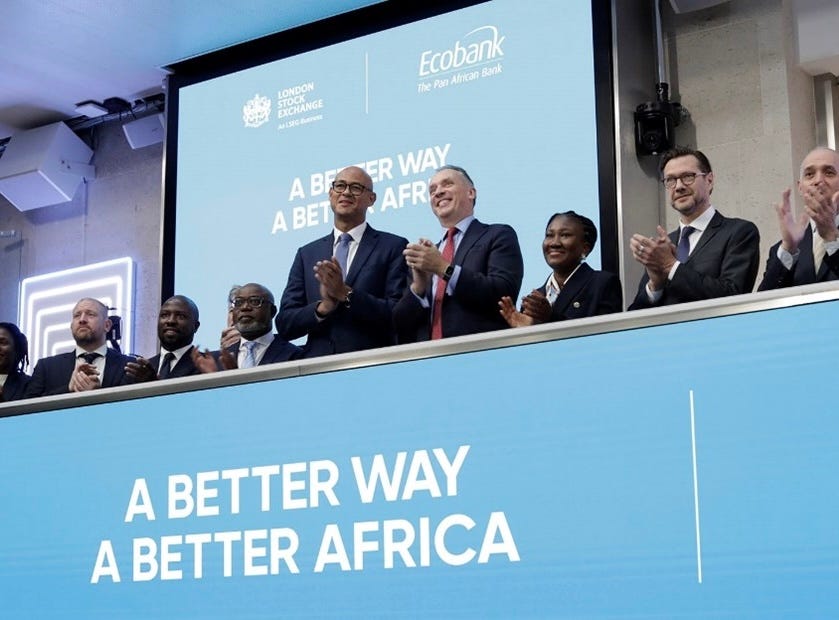
Ecobank’s $450m Nature Bond moved biodiversity-linked finance from concept into a listed market instrument.
SENELEC’s CFA108bn sustainability-linked bond demonstrated growing utility-sector access to transition finance.
Egypt’s $500m Sustainability Samurai Bond reinforced the role of DFI-backed credit enhancement in sovereign market access.
IFC’s $2bn green bond, issued amid record demand, confirmed continued institutional appetite for sustainable assets.
The Green Climate Fund unlocked $4bn through balance-sheet leverage, signalling a potential new financing model alongside guarantees.
Nigeria’s $500m agriculture fund and Acumen’s $90m resilience fund highlighted the growing role of domestic and blended capital.
The broader pattern is clear: African climate finance is moving beyond individual projects toward market architecture — listed instruments, sovereign frameworks, domestic funds and institutional participation.
The emerging climate-finance architecture is developing, but three pressure points will determine whether it scales.
First, institutional credibility. The UN’s criticism of AfDB’s LNG financing highlights that development finance institutions are increasingly judged not only by the volume of capital deployed, but by the transition logic behind that capital.
Second, private capital mobilisation. DFI innovation can create instruments and reduce risk, but long-term scale depends on whether pension funds, insurers and asset managers begin treating African climate assets as investable markets.
Third, verification infrastructure. Carbon markets and nature finance continue to face credibility challenges, reinforcing a broader reality: trust is becoming a prerequisite for capital formation.
Whether DFIs replicate the Green Climate Fund’s balance-sheet leverage approach.
Whether pension funds, insurers and sovereign investors begin treating African climate assets as investable markets rather than development allocations.
Whether carbon-market verification standards mature sufficiently to support institutional participation.
Whether African banks face increasing transition-risk pressure as disclosure standards develop.
July’s data suggests the MDB retreat is less a withdrawal of climate capital than a transition in how that capital is organised.
The emerging model is more distributed: sovereign instruments, domestic funds, DFI innovation and market-based finance operating alongside traditional concessional channels.
The unresolved question is scale. The next phase depends on whether these instruments can move from isolated transactions into repeatable markets capable of attracting institutional capital.
No posts
Comments
Nothing yet. Say the first thing.
Sign in to join the conversation.