
India has long preferred to keep its options open, staying close to Washington without alienating Moscow and courting Beijing while building up military readiness. For a while, that posture held.
2026 is making it harder to sustain.
Four articles published this month on the India Way trace the edges of this problem and arrive at the same question: how long can a country of India’s size afford to let others set the terms?
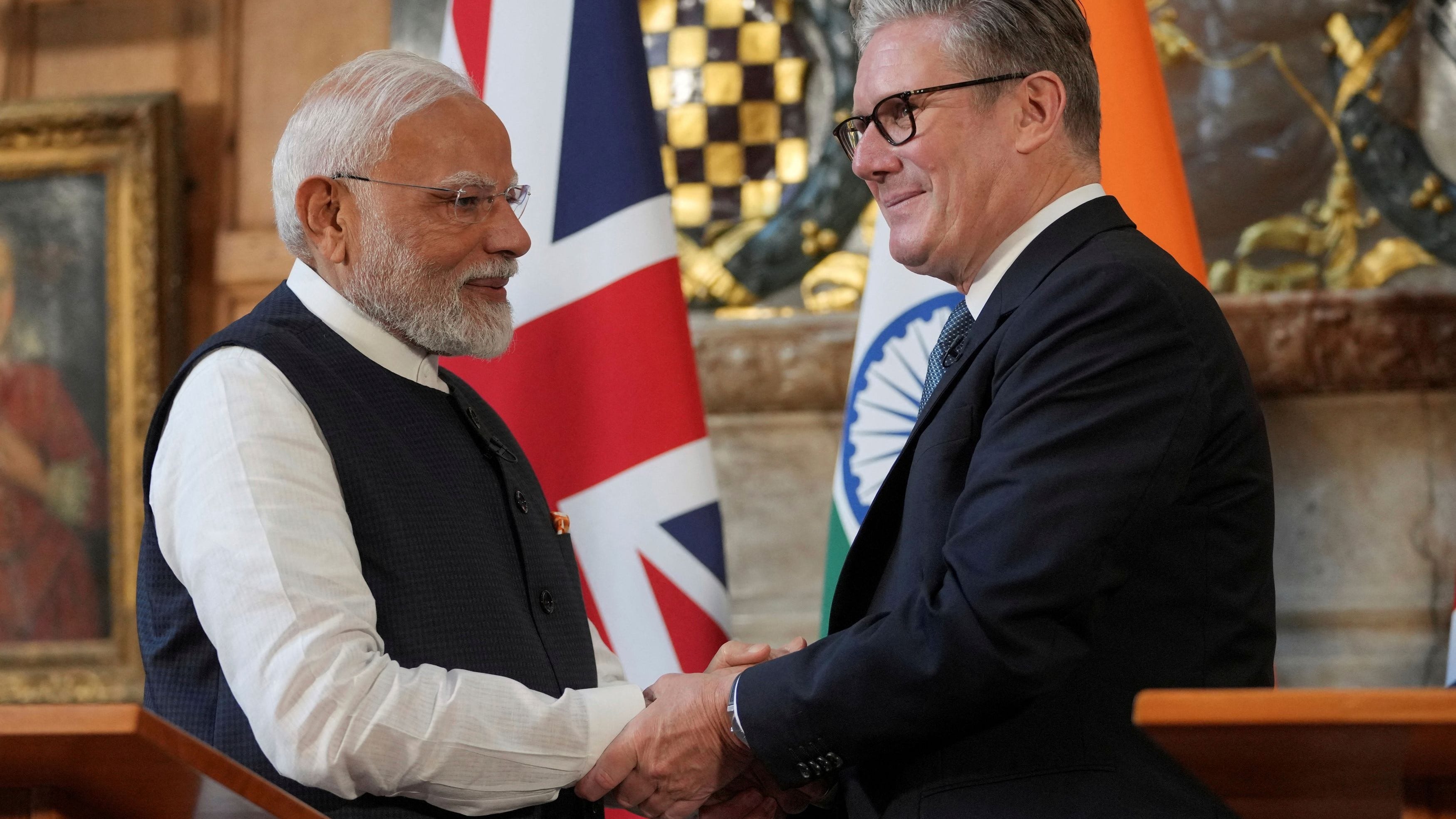
1. Britain, India, and the Anatomy of a Free Trade Agreement
Ashutosh Sharma traces history, from Captain Hawkins at the court of Jahangir to Modi and Starmer at Évian, and finds that Britain’s need, and the direction of her need, hasn’t changed much in four centuries. Neither has India’s incapacity to recognise an unequal bargain.
2. Below the Radar: China’s Grey Zone Tactics in the Indo-Pacific
Salami-slicing, maritime militia, legal warfare. The China Observatory maps how Beijing extends control without crossing the legal thresholds that would require a response, and why the norms-based international order has proved almost entirely ineffective at stopping it, including India’s SAGAR policy.
3. Climate Change Overlooked: A Subaltern Perspective on the Weaponisation of Resources in South Asia
Partha Samal asks who is in the room when India and its neighbours negotiate over water. The answer? The people who live with the consequences are rarely the ones making the decisions, and that has implications that extend well beyond the region.
4. Nuclear Legitimacy and the Rules-Based Order: What the US-Iran War Reveals
The most-read piece on the India Way this week. Debodipta Nandan documents what the Hormuz closure cost to both India’s interests in West Asia and to average Indians, and asks this question: whose security does the international system recognise as legitimate?
The ‘Constructed’ Iranian Political Dilemma: Entrenched Perpetuity or Eternal Change?
by Partha Samal
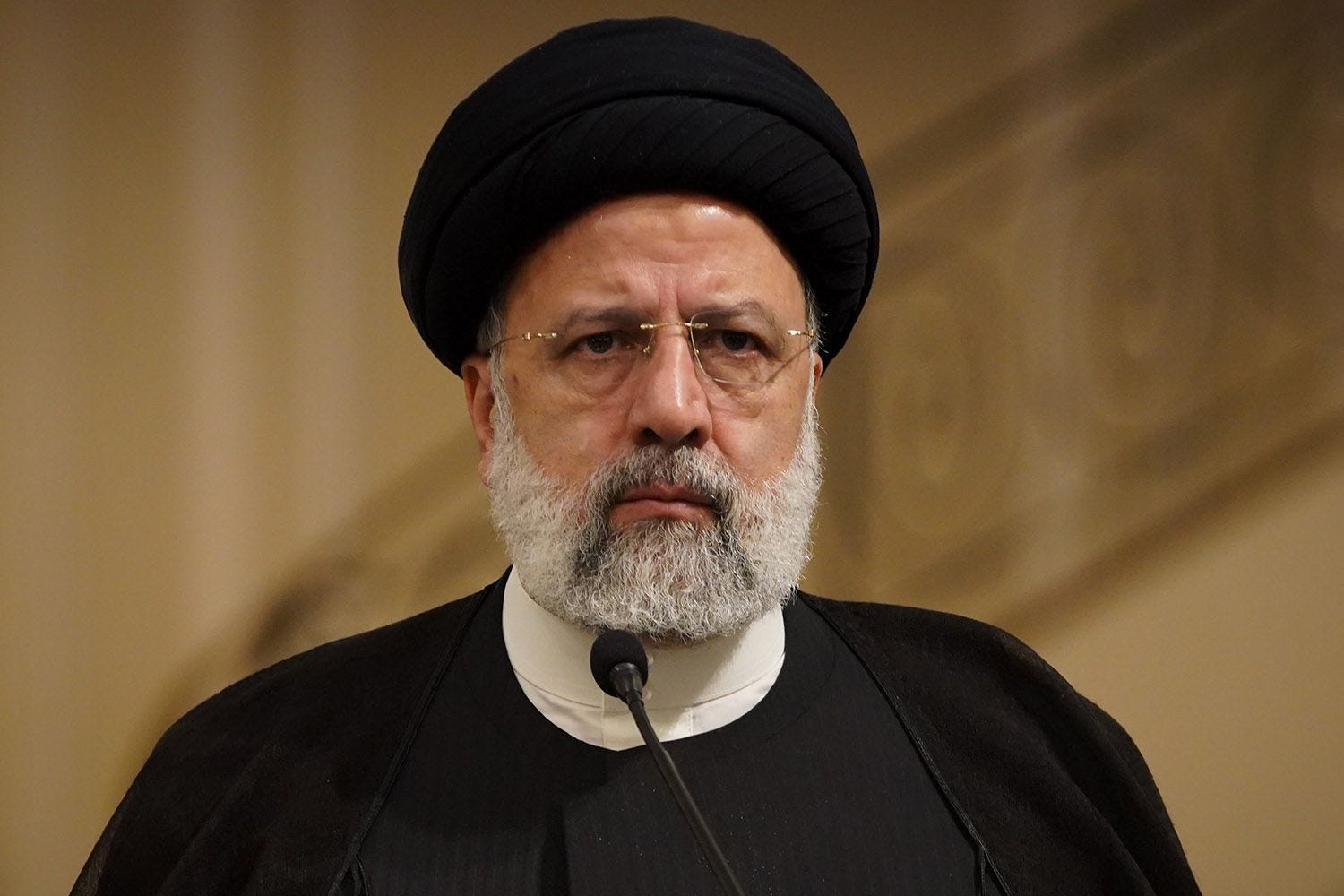
Iran is portrayed as a monolithic body, with many mainstream analysts, especially in the Western world, tending to sideline the multi-directional tendency of the Iranian nation. Only in the past few years, after the sudden demise of Ebrahim Raisi, were the internal power dynamics revealed to the outside world. For a country that has been ruthless and relentless with censorship and persecution, this small opening proved to be a giant revelation for external actors.

Comments
Nothing yet. Say the first thing.
Sign in to join the conversation.