
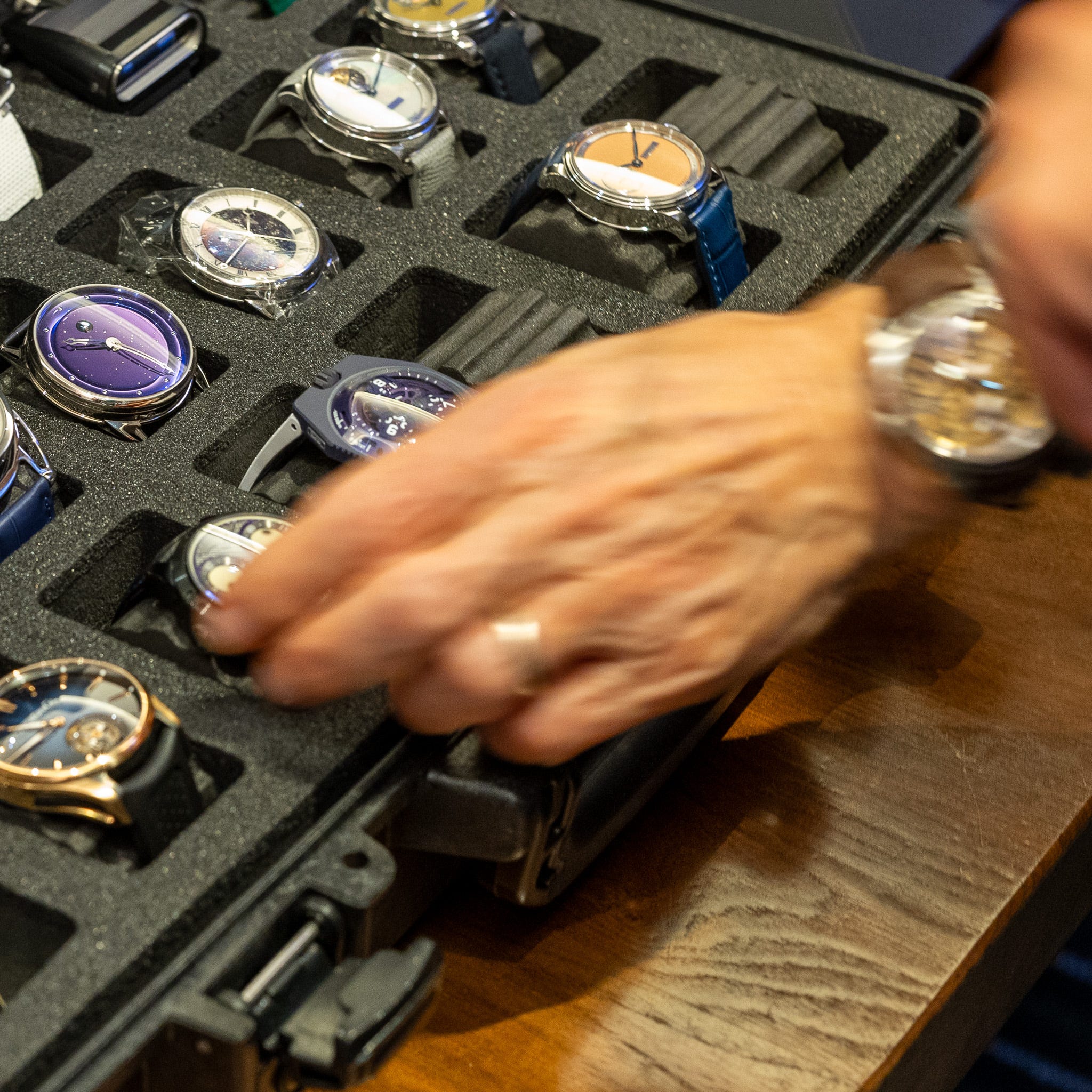
Welcome to the newly refreshed The Weekly!
For the 25th edition, it felt like the right time for a change.
What began as Last Week in Watches has slowly become something broader. There will still be watches (probably plenty of them), but increasingly I find myself interested in the larger ecosystem around watches: craft, people making interesting things, what I am reading and listening to, and the objects, ideas, and stories that catch my attention.
Over time, I realized my work was never really just about watches. It is about craft, humanity, and care.
So, welcome to The Weekly!
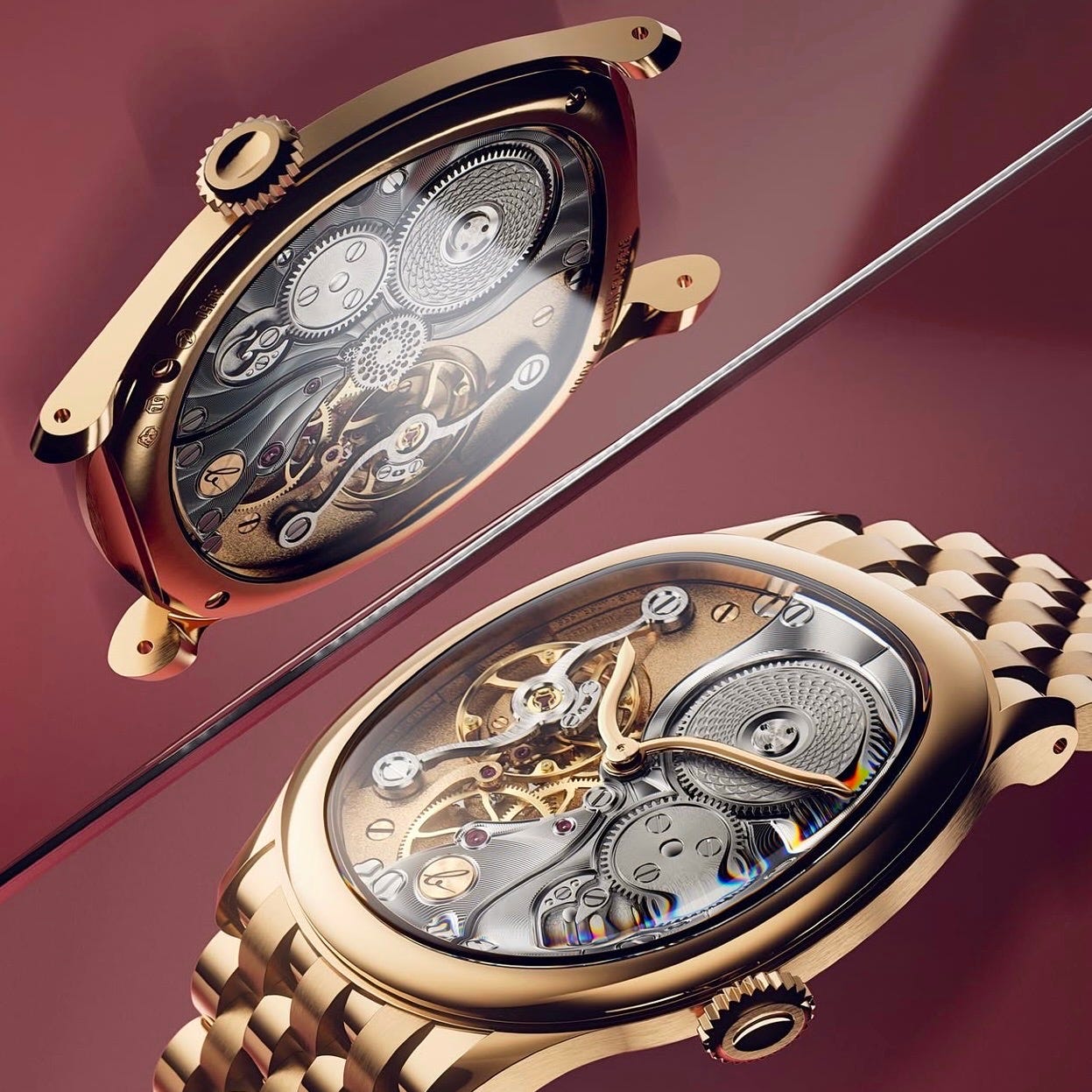
Berneron has teased its first integrated bracelet watch, the Mirage Miroir, in both white gold and yellow gold. I love the openwork architecture and the way the integrated bracelet continues the lines of the case. We’ll have to wait until Geneva Watch Days to see more, but it is spec’d on the Berneron website. This watch certainly has my attention.
Last week, and in previous editions, I’ve hinted at my love for the James Bond franchise. My love for espionage stories extends well beyond Bond: history, fiction, biographies, and the fact-is-stranger-than-fiction stories that is seems no novelist could invent. The Spybrary has become an invaluable resource for finding new books on the subject, especially when I am looking for a book to take on holiday. If spy stories are your thing, it is worth a visit.
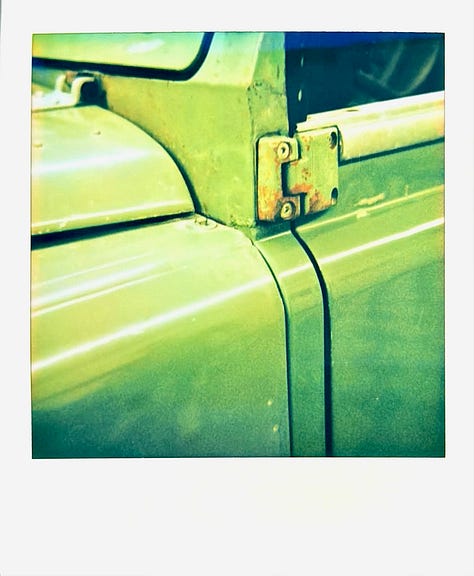
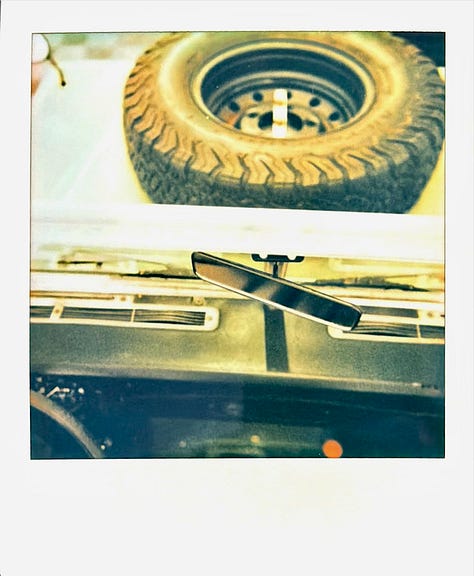
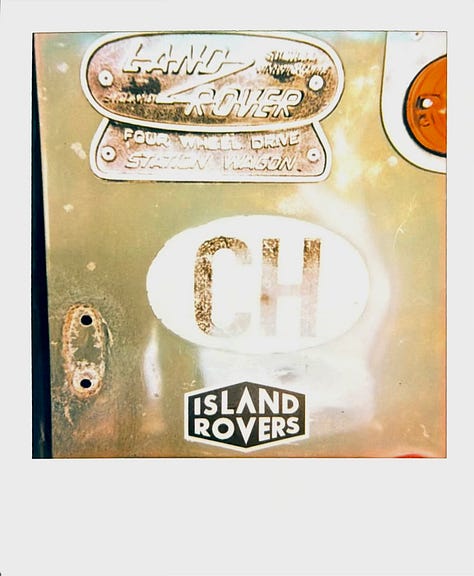
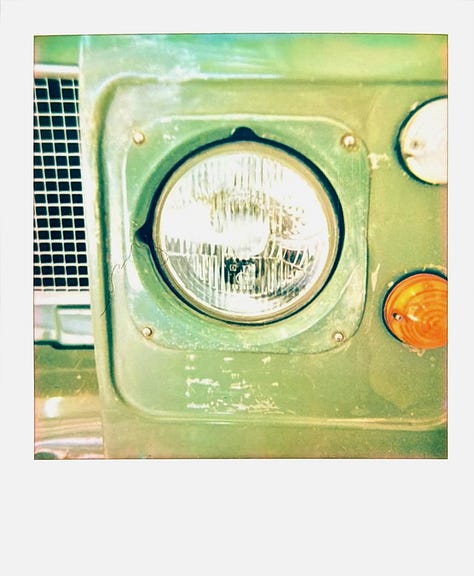
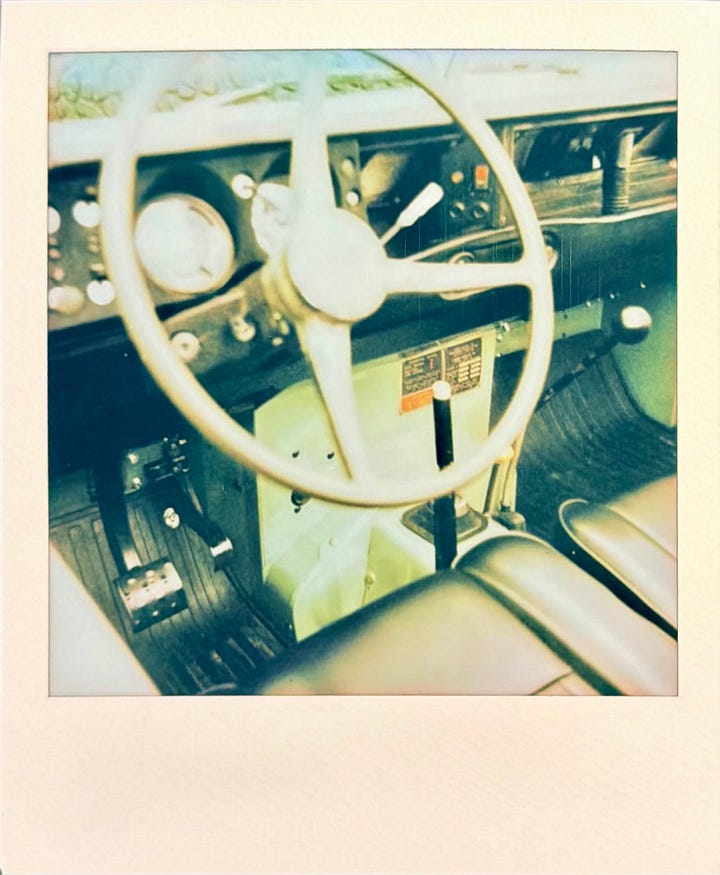
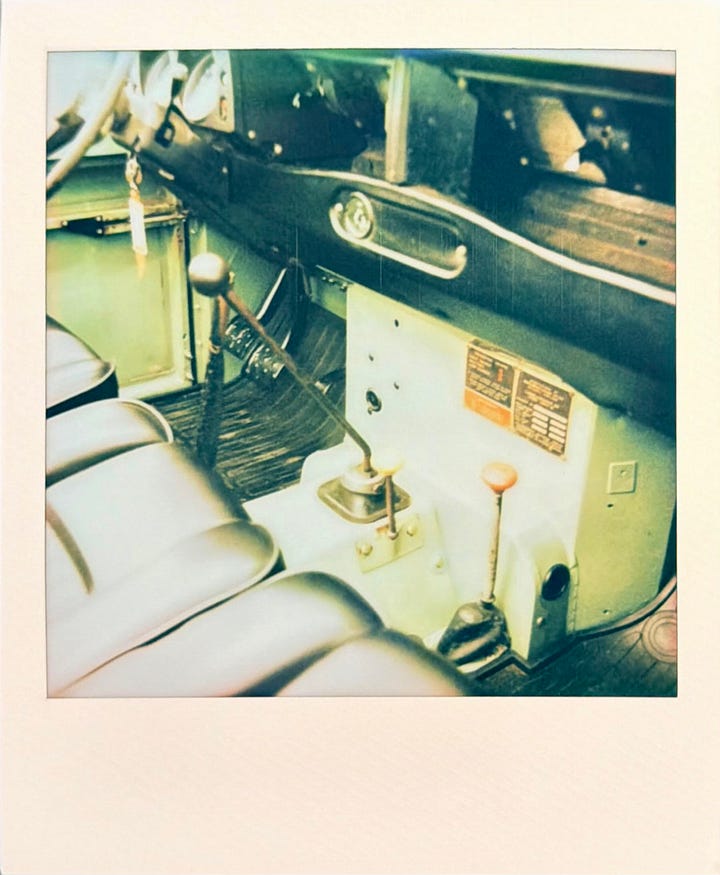
One thing worth reading this week is Wesley Verhoeve’s You Have to Hold It Before You Can Fix It.
Wesley writes about the process of making a photobook, specifically taking his prints and assembling a physical dummy book to work through sequencing: Does the story make sense? How do the images work to tell the story? Does the book actually work when you hold it in your hands?
I never really considered working this way with photos, but I love the idea of making physical prints and laying them out in front of you. It’s useful advice for making a phonebook from a trip, a photojournalism project, but I think the idea works across domains. I did something similar when I wrote 32 Regrets. For most of us, I think the advice becomes take images from your summer holiday, print the images, lay them out, and see what story emerges. Sometimes you just have to hold something before you can understand it.
I’ve been spending a lot of time thinking about craft, and more importantly what we actually mean when we use the word craft.
Rather than settle for a definition, this week I laid out the qualities that make something feel crafted. Part II, coming this week, seeks to build on that and illustrate the story of craft.
I also want to thank a reader who sent me the following quote from Richard Sennett’s The Craftsman. I think it gets at the heart of what I have attempted to articulate in my new series The Language of Craft:
"Craftsmanship names an enduring, basic human impulse, the desire to do a job well for its own sake. Craftsmanship cuts a far wider swath than skilled manual labor; it serves the computer programmer, the doctor, and the artist; parenting improves when it is practiced as a skilled craft, as does citizenship."
No posts
Comments
Nothing yet. Say the first thing.
Sign in to join the conversation.