
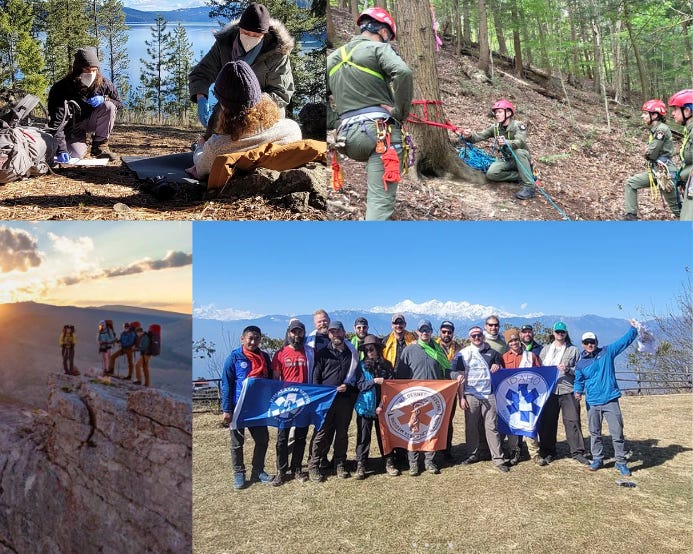
In the vast expanses of the great outdoors, where adventure and uncertainty often go hand in hand, having the skills to respond effectively to medical emergencies is paramount. This is where Wilderness First Responder (WFR) Training becomes not just an option but a necessity for those seeking to explore and enjoy nature responsibly.
It is an individual trained to provide emergency medical care in remote, outdoor settings. Unlike traditional first aid, WFR training goes beyond the basics, preparing individuals to handle medical crises in environments where professional help may be hours away. Whether you're a seasoned outdoor enthusiast, an adventure guide, or someone who simply enjoys the occasional hike, obtaining WFR certification equips you to be a crucial first responder in the wilderness.
The unpredictable nature of outdoor adventures increases the likelihood of accidents and injuries. A twisted ankle on a remote trail, an encounter with wildlife, or sudden changes in weather conditions can quickly turn an exciting excursion into a medical emergency. The training provides the knowledge and skills needed to assess, treat, and manage such situations, potentially saving lives in the process.
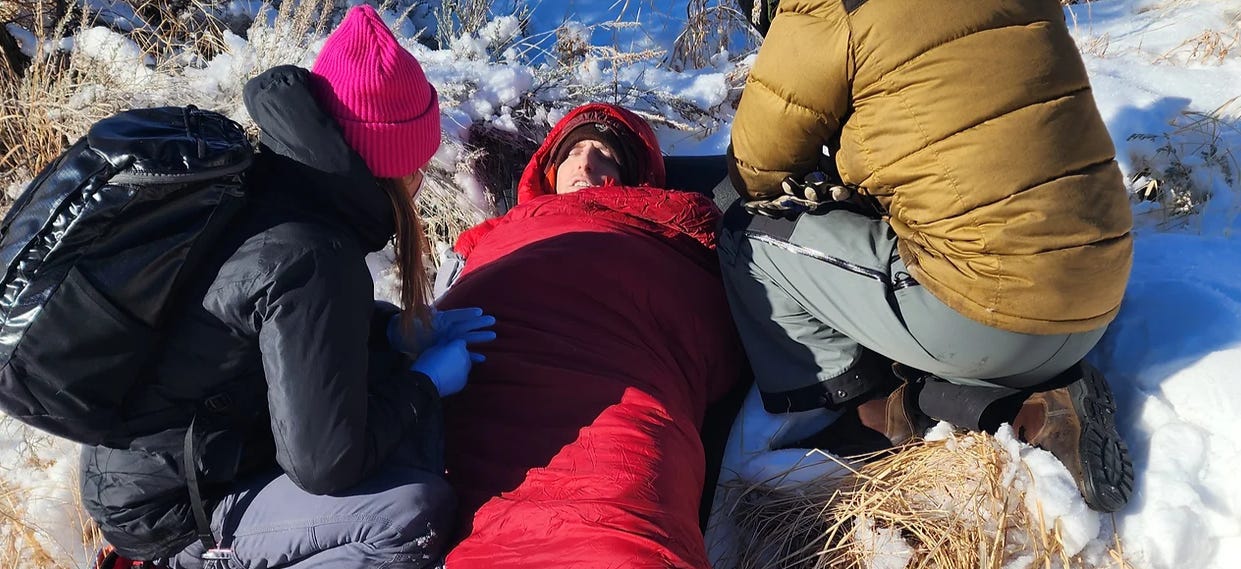
WFR courses cover a broad range of topics, including patient assessment, wound care, fractures and dislocations, environmental emergencies, and improvised rescue techniques. Participants delve into scenarios mimicking real-life situations, honing their decision-making abilities and practical skills under the guidance of experienced instructors.
One of the standout features of WFR training is its emphasis on scenario-based learning. Participants are immersed in simulated emergencies, forcing them to apply their knowledge and skills in dynamic, high-pressure situations. This hands-on approach ensures that when faced with a real emergency, a WFR is better prepared to act decisively and confidently.
Unlike basic first aid courses, WFR training is often more extensive, with courses lasting several days. This extended duration allows for in-depth learning and ample time for participants to internalize the information. Some courses even include overnight scenarios, providing a realistic simulation of managing emergencies in a wilderness setting.
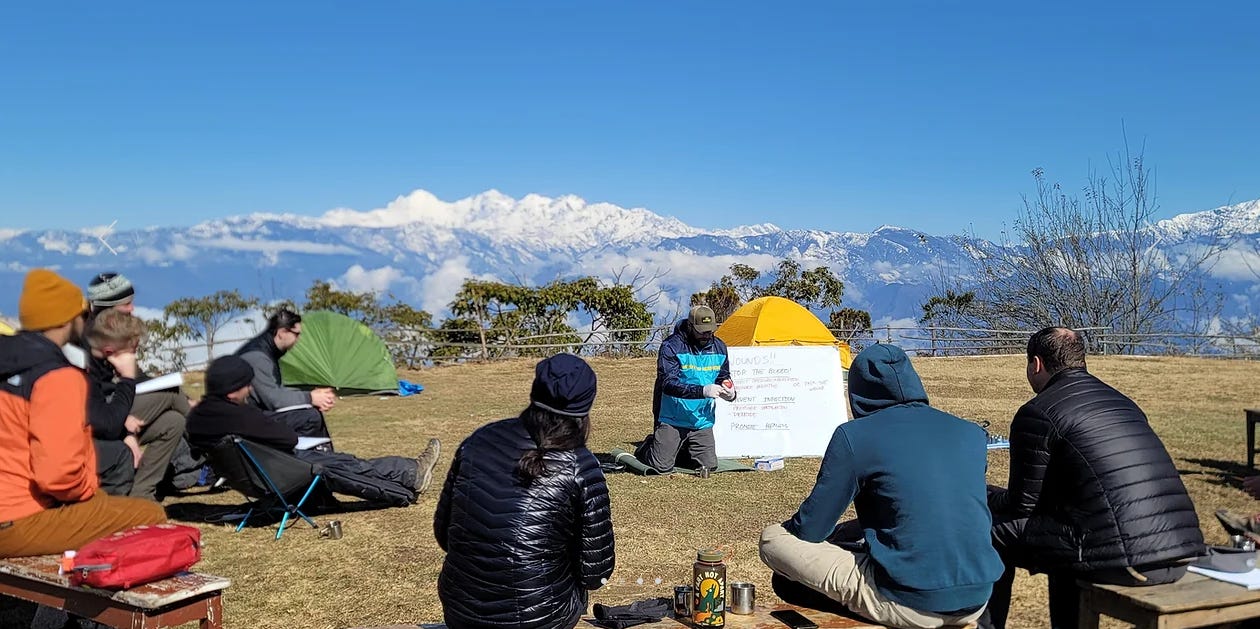
For those who love exploring the great outdoors, WFR training is a game-changer. It instills a sense of confidence, allowing individuals to venture into remote areas knowing they possess the skills to handle unforeseen medical situations.
Professional guides, leading groups through challenging terrains, find immense value in WFR certification. It not only enhances their ability to keep clients safe but also boosts their credibility in the adventure tourism industry.
Beyond outdoor enthusiasts and guides, individuals in professions related to forestry, environmental research, or any field requiring work in remote locations can benefit greatly from WFR training. It adds an extra layer of safety to their work, ensuring they can respond effectively to emergencies in isolated settings.
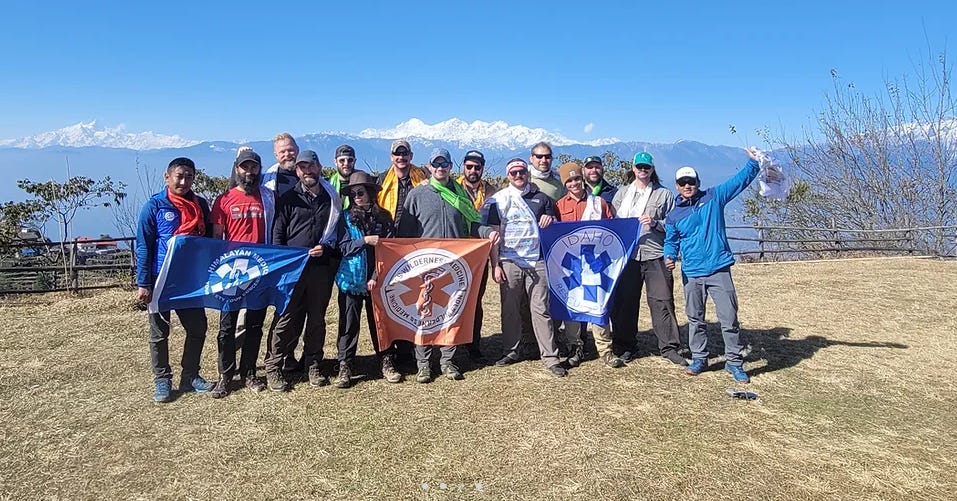
When choosing a WFR course, it's essential to select one accredited by reputable organizations. Additionally, qualified and experienced instructors contribute significantly to the effectiveness of the training.
Consider the flexibility of the course, especially if you have a busy schedule. Some programs offer weekend courses, while others may be more immersive, requiring a week or more.
Ensure that the course incorporates realistic scenarios. The more authentic the training, the better prepared you'll be for actual emergencies.
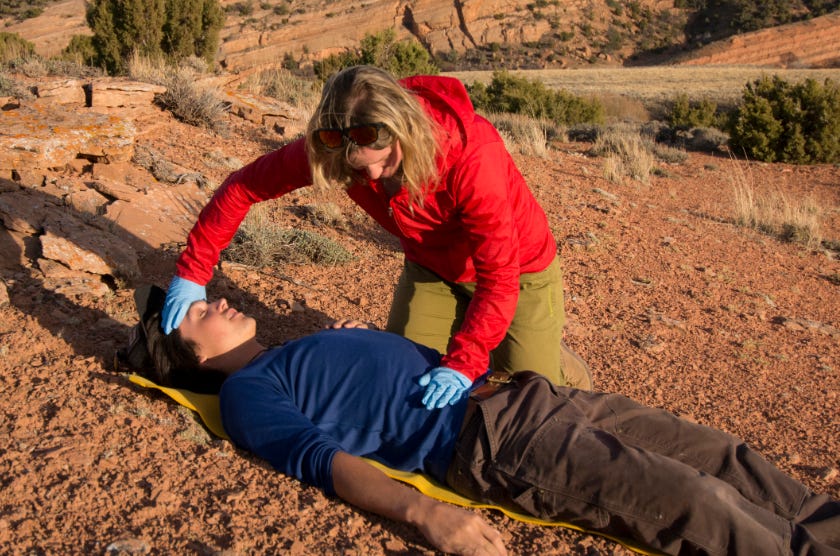
Becoming a Wilderness First Responder is not just about acquiring a certification; it's about cultivating a mindset of preparedness and responsibility. As you embark on the journey of WFR training, you're not only investing in your skills but also in the safety and well-being of those you may encounter in the wild.
In the realm of wilderness first aid, knowledge is empowerment, and the Guide to Wilderness First Responder Training is your compass. Navigate through the comprehensive curriculum, embrace scenario-based learning, and emerge not just as a certified responder but as a guardian of safety in the great outdoors.
No posts
Comments
Nothing yet. Say the first thing.
Sign in to join the conversation.