
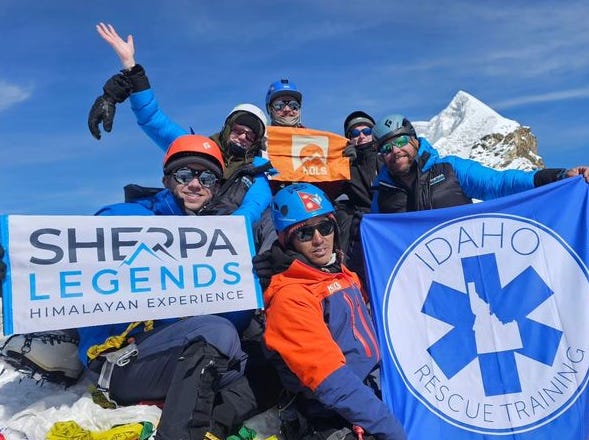
Adventure seekers are drawn to the great outdoors's untamed beauty and breathtaking landscapes. But they also understand that nature can be both awe-inspiring and unpredictable. Whether you're a casual camper, an avid hiker, or just love being in the wild, being ready for anything is crucial. In this guide, we'll explore the integration of wilderness first aid and survival skills to ensure your safety and well-being in the wilderness.
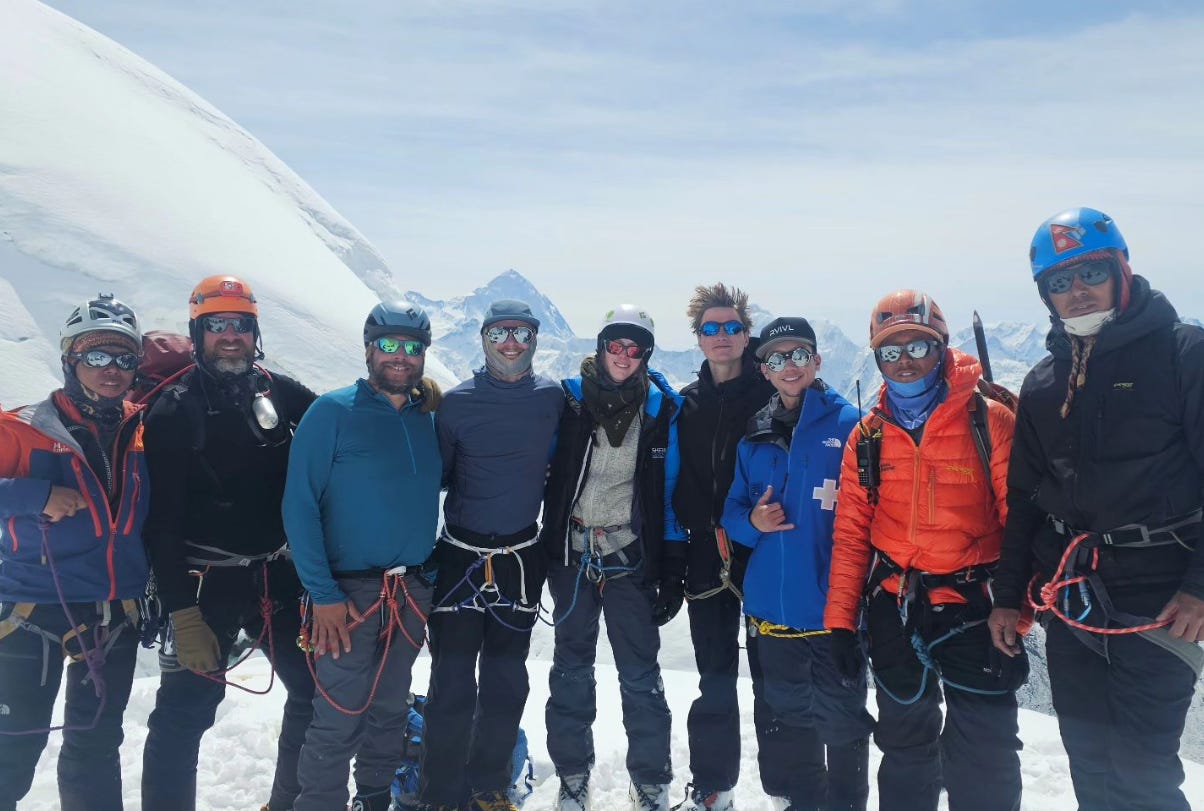
Preparation and knowledge, including wilderness EMT expertise, are your most valuable resources in the wilderness. Survival skills and wilderness EMT training are useful during emergencies and enhance your overall outdoor experience. Here are some essential survival skills you should master:
Knowing how to read maps, use a compass, and operate GPS devices is fundamental. These skills will keep you on track and help you return to safety.
Fire is vital for survival. Learn to start fires in various weather conditions, providing light, warmth, and a means to cook food.
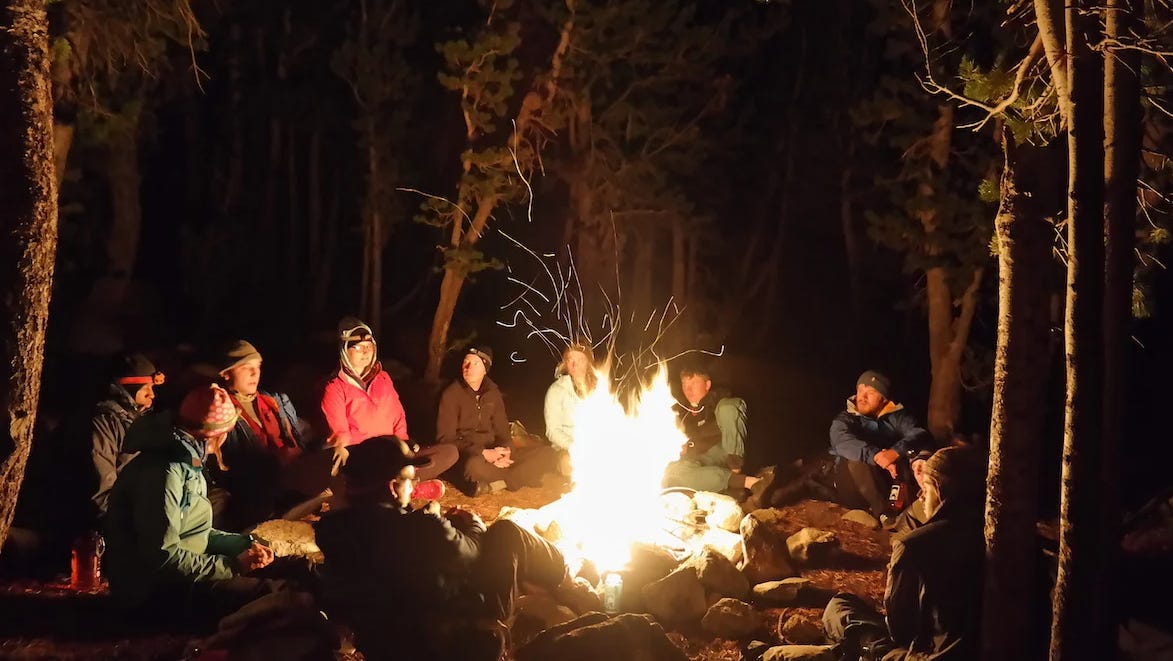
Knowing how to create makeshift shelters from available materials can save lives in severe weather conditions.
Staying hydrated is essential. Learn to locate and purify water sources, and consider carrying purification tablets or a water filter.
Familiarize yourself with edible plants and their medicinal uses in your region. This knowledge can supplement your food and first aid supplies if necessary.
Carry signaling devices like whistles and mirrors to alert rescuers to your location. Additionally, learned essential communication tools such as two-way radios.
Versatile knots are essential for various tasks, from securing equipment to building shelters.
Know how to defend yourself against potential threats, even in rare encounters with dangerous wildlife.
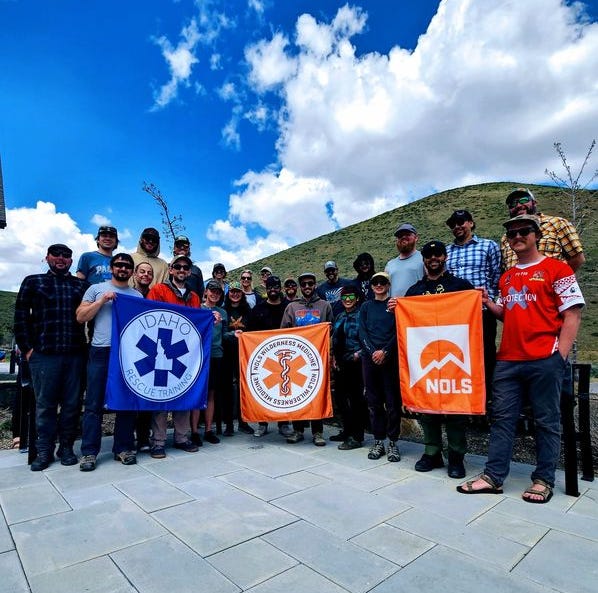
Wilderness first aid is a specialized field that assists in remote and isolated settings where professional medical help may be far away. This knowledge is essential for those in the backcountry, as even well-planned expeditions can lead to illnesses and injuries. Here are the fundamental principles of wilderness first aid:
Assess the situation first. Ensure the area is safe, and then evaluate the injured party. Look out for life-threatening conditions, such as severe bleeding or breathing difficulties.
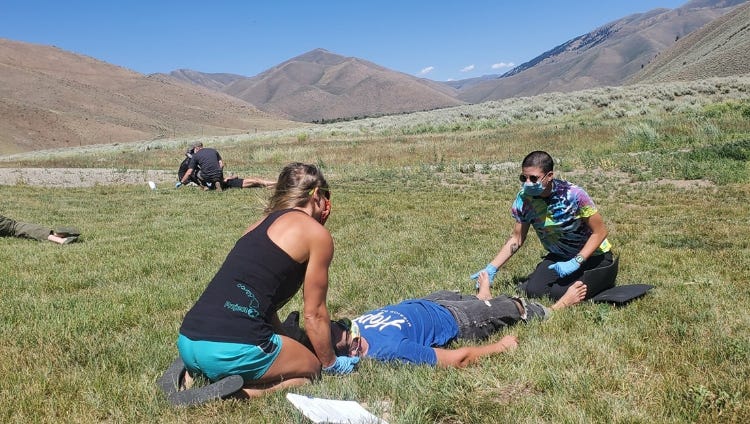
In remote settings, you may need to prioritize care. Focus on addressing urgent, life-threatening issues first, such as controlling bleeding or providing CPR.
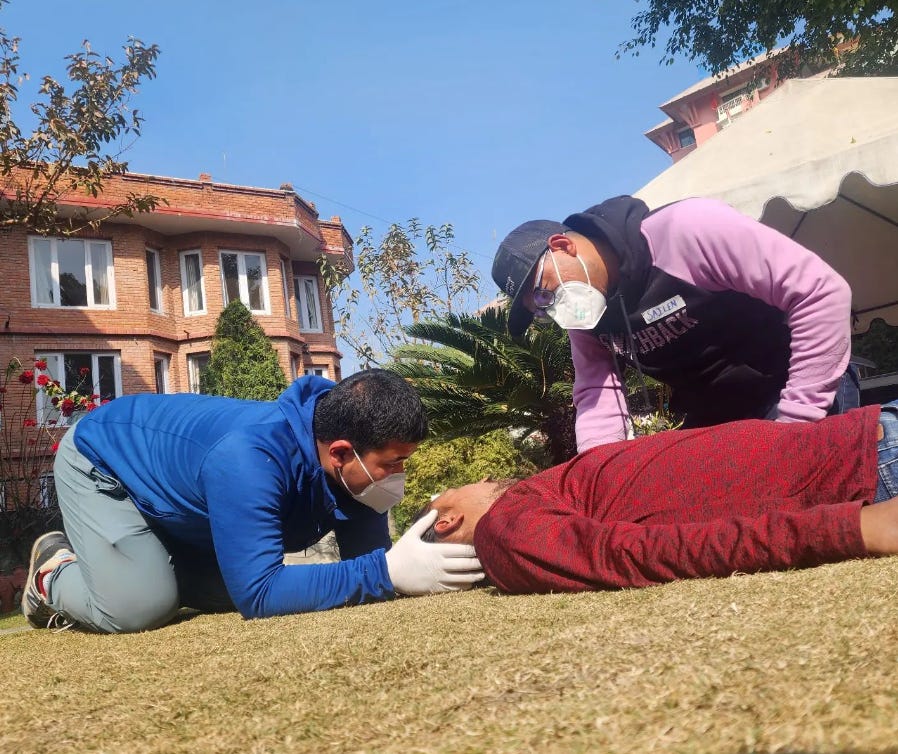
If someone has a suspected broken bone or spinal injury, immobilize the affected area to prevent further harm. Knowledge of bandaging and splinting techniques is valuable here.
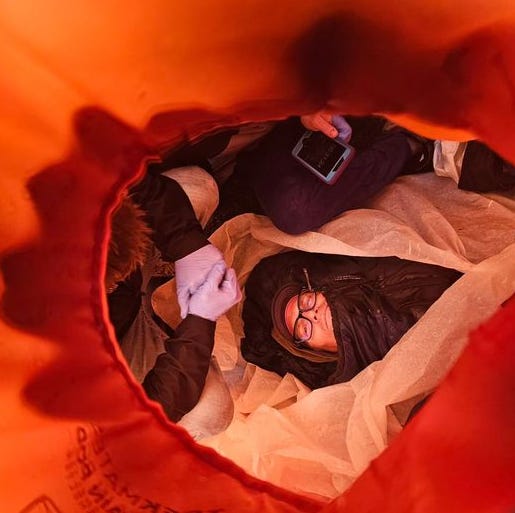
Properly clean and dress wounds to prevent infection. Maintain a well-stocked first aid kit with sterile dressings, bandages, and antiseptic wipes.
Malnutrition and dehydration can worsen injuries. Ensure the injured person can access nourishing food and clean water if possible.
Learn how to prepare an injured person for evacuation, which may involve creating an improvised stretcher or devising a safe method of transportation.
Understand how to signal for international assistance and attract the attention of rescue personnel.
Acquire knowledge on managing wilderness-related conditions like frostbite, hypothermia, heat exhaustion, and insect bites. Preventing these issues is crucial.
Emotional support is vital for injured or distressed people. A positive attitude can aid in recovery.
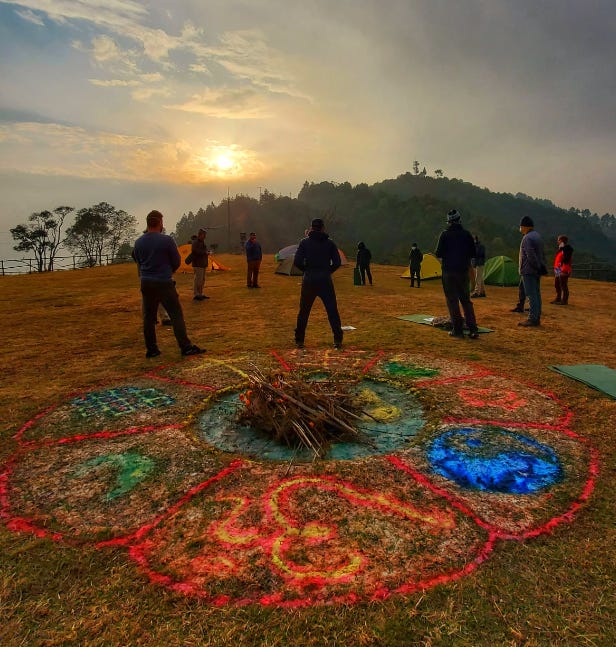
The synergy of wilderness first aid and survival skills is a valuable asset. These skills enable you to secure food, water, and shelter while ensuring the safety of yourself and others, increasing the likelihood of a successful outcome in emergencies.
Prevention is the best form of first aid, significantly reducing life-threatening situations. Inform someone of your plans, pack essential supplies, and know your limits for safety.
Practice is essential—test your knowledge, train, and stay updated on techniques and equipment to be well-prepared.
In emergencies, confidence and composure are vital. Panic is your worst enemy. Assess, administer treatment, and make informed decisions quickly.
Collaboration is key. Ensure everyone in your group is skilled in first aid and survival. Teamwork is crucial for effective problem-solving.
In conclusion, the great outdoors offers adventure and unique risks. Combining wilderness first aid, wilderness EMT expertise, and Wilderness Medicine with survival skills ensures a safe and enjoyable experience. Preparedness enhances safety and your ability to assist others. Whether solo or with a group, hone your skills, prepare a first aid kit, and prioritize safety in the wilderness.
No posts
Comments
Nothing yet. Say the first thing.
Sign in to join the conversation.