
The dream of VR, along with AR/XR, has been around for decades - the ability to have the Holodeck experience around you, to interact with, to work in, to enjoy and to experience.
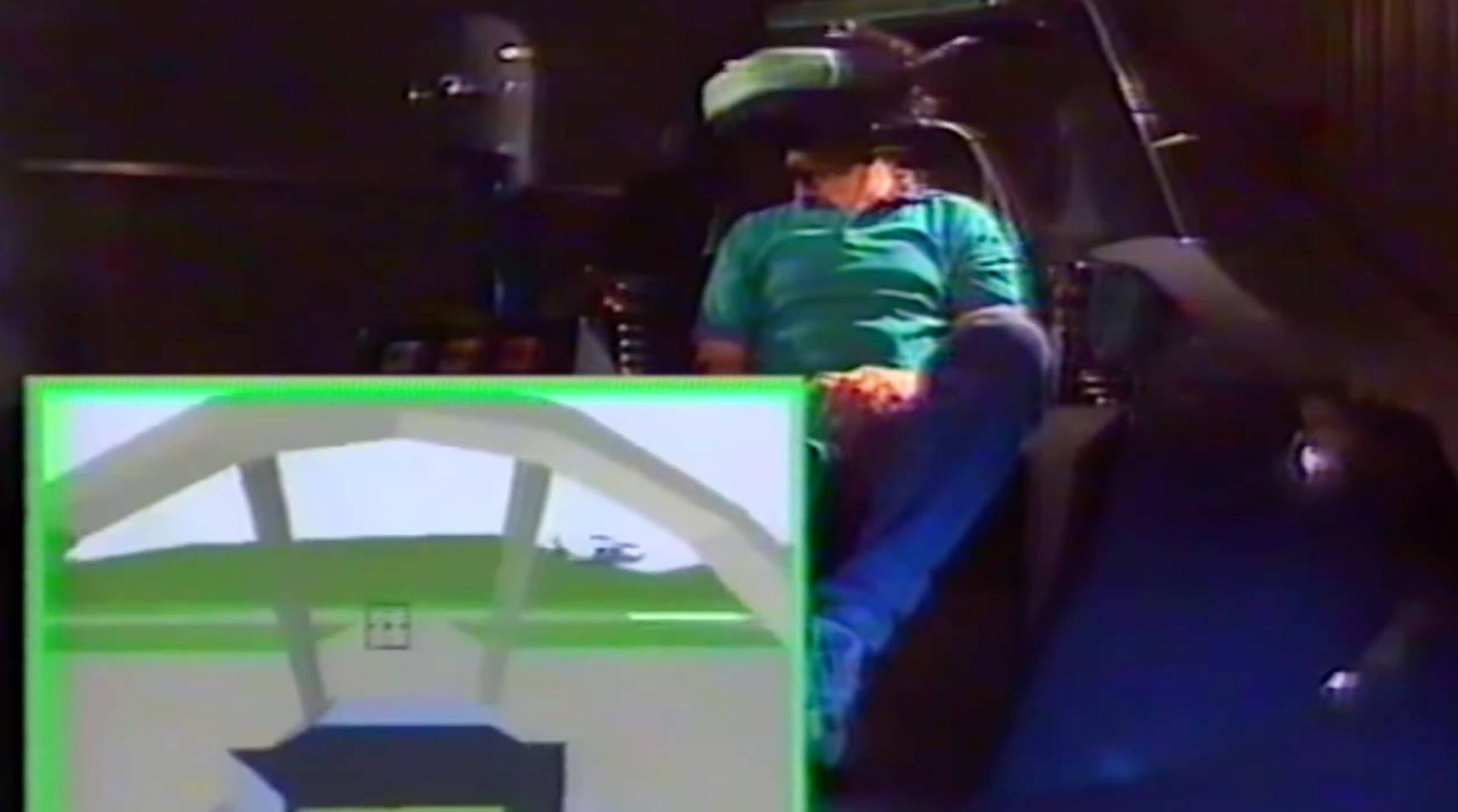
The reality though has been less than stellar, although great technical bounds have been made moving from the Pteradactyl fighting VR of Dactyl Nightmare from Virtuality of the 1990s, through to the significantly better technology that you see today in Apple Vision and in Meta’s products. The dream captured Mark Zuckerberg so completely that he made a massive bet and renamed his company Meta, for he saw the future as being around the Metaverse.
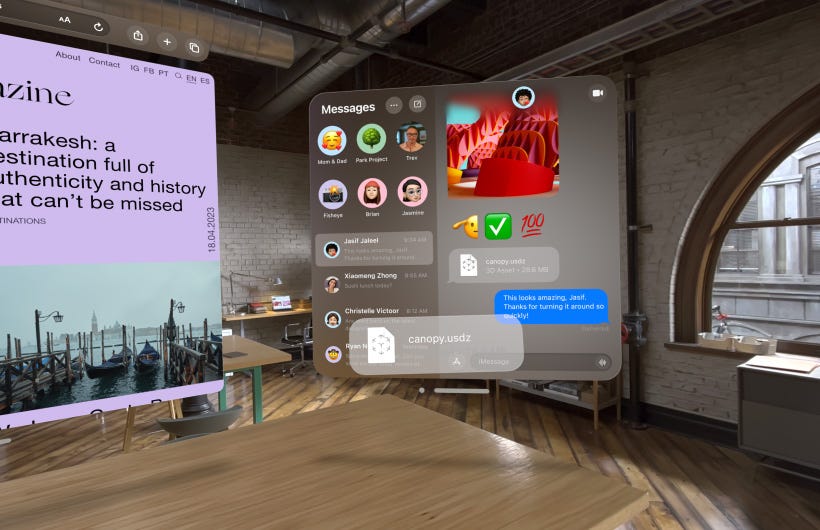
By less than stellar, we mean that although finding a small niche in the gaming side (small compared to the significantly larger market of console, PC and mobile gaming) and being used in specific vertical markets (medicine, military, mechanical simulation), the adoption of it as a mass market product has not taken place. So much so that even Meta - a company that bet so big on the metaverse that it renamed the company - has now seriously pulled back from the money being invested to make it work on a mass market by closing/not closing but significantly reducing their exposure, or deprecating it. The losing of over $80 billion dollars on the technology development costs cannot be ignored even if you, as Mark Zuckerberg is, are in total voting control of your board and company. Similar murmurs also come from the Apple Vision camp…
So what is the issue? It is not the rate of technology development as such, as the current technology is a marvel of visual acuity and quality especially compared to what was done in the 1990s? Is it weight? Is it awkwardness? Is it motion sickness? Is it the human factor? It seems to be all of them.
And now we have Neal Stephenson, the person who coined the word ‘Metaverse’ in his novel Snow Crash, coming out and saying what many others don’t in his Substack article from a few weeks ago.
What seems to be the case is that there is a place for VR/AR, but it is in specialist tasks and markets. The great unwashed like you and I are not completely in it to the extent that it will ever become a mass market service, and I do agree with Neal - the issue is the human factor as I see it, in addition to Neal’s other views in his post.
Humans don’t want to wear goggles. If I can, I don’t wear headphones or my glasses. It is not just about weight, it is about not having enforced equipment to have the experience.
Some humans never want to have motion sickness (and there is little that we can do about that despite the thoughts that if we make it that more realistic then our bodies will not notice - we still do). Yes, I do still get sick in minutes...
Interactivity in Story telling is never free form - it needs to be constrained to create the experience. Make your own adventure books are nice enough for some people, but not unlimited scope or for the masses who want to sit back and let the story wash over them. It is always about making sure you are looking at a specific thing in the story when the thing does something important for the storyline.
Story telling may be 3D, but actually it is about placement and a 2D representation, which our smartphones, tablets, TVs, projectors, and even theatres do remarkably well without having to put something on my face.
Video calling has finally taken off, but again it is not about wanting to be in the room with the other participants, it is about being in the same place - which is not the same thing. I find meetings via video are a lot more efficient than meetings in rooms… the audio is better for a start as long as everyone is online. Certainly meeting with an avatar with no legs has never attracted me, nor did it with the Metaverse either.
So will we see VR/AR/XR come back?
Well it has not gone away. It is still there for those things for which it is suitable, but that is not mass market use cases and not for remote business interactions. It has some use in gaming, but it still has all the issues with that - the biggest one of which is that most of the world do not have a special room to walk around in with the headgear on, and interactions from desks, sofas and train seats is much more suited to having a rectangular piece of glass in front of you at various distances and sizes.
It seems to me the future of the visual experience is still 2D, not 3D.
Long live the big black mirror to see the future…

No posts
Comments
Nothing yet. Say the first thing.
Sign in to join the conversation.