
After identifying and securing a site for the biochar reactor (Needles in Haystacks), there were numerous governmental licences, approvals, and community consultations that were then completed – a process that took over a year.
A reason for the lengthy administrative process was due to communication. While internet access in Tanzania has risen from 13% in 2016 to 32% in 2021, it's still far behind countries like the U.K. at 97%. How this translates day to day, is many Tanzanians prefer message platforms like WhatsApp for communication due to limited familiarity or access, to emails, computers and digital tools. Whilst direct contact through such platforms can speed up responses, it can also cause delays if that contact changes roles or leaves their position. Hand overs can be difficult and delays ensue — a challenge not often faced in developed nations with established procedural continuity.
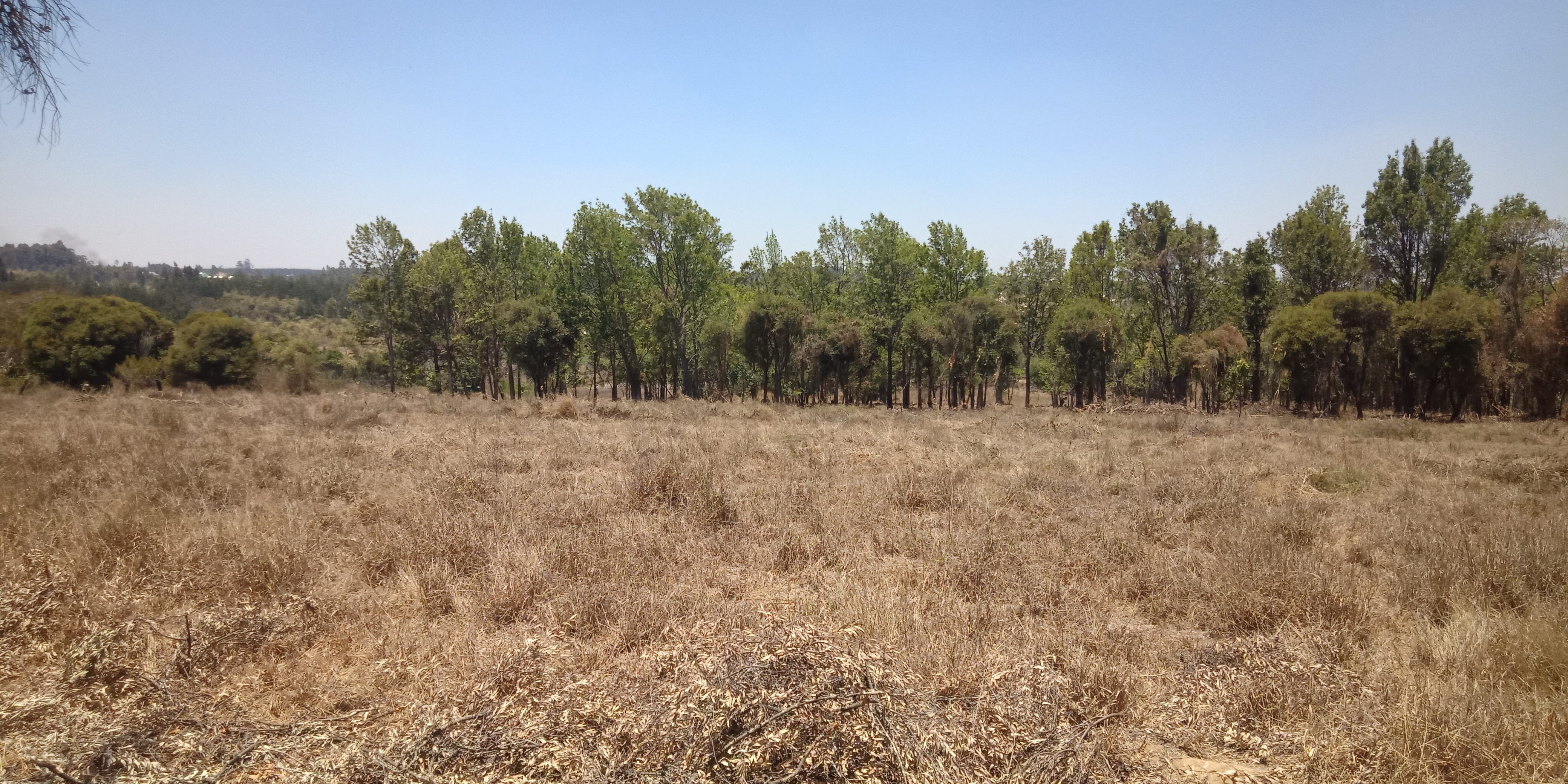
Once finalised, the company was able to design the site. We adopted the 'minimal viable product' methodology, a process popularised by entrepreneur Eric Ries. Fundamentally, the framework emphasised meeting vital requirements by allocating resources and attention to the crucial components needed for biochar production. Three notable elements included;
Budget: Funds were directed to critical equipment and site works. This encompassed levelling and procuring assets such as the biochar reactor and materials for the warehouse construction.
Material: Where feasible, materials, including the rocks for the warehouse foundation, were locally sourced, supporting the local economy and dovetailing with the company's community enrichment goals.
Labour: Where appropriate, sourcing local labour was also prioritised creating jobs for the region. This also supported some of the company’s social development objectives.
The first tranche of site works included refurbishing an old dirt road that gave access to the site. Many roads in Tanzania are in poor condition and often become impassable during the wet season. The broader economic and social implications of poor infrastructure warrant its own study, but for our specific site, refurbishing the access road will ensure consistent access for heavy-duty vehicles year-round.
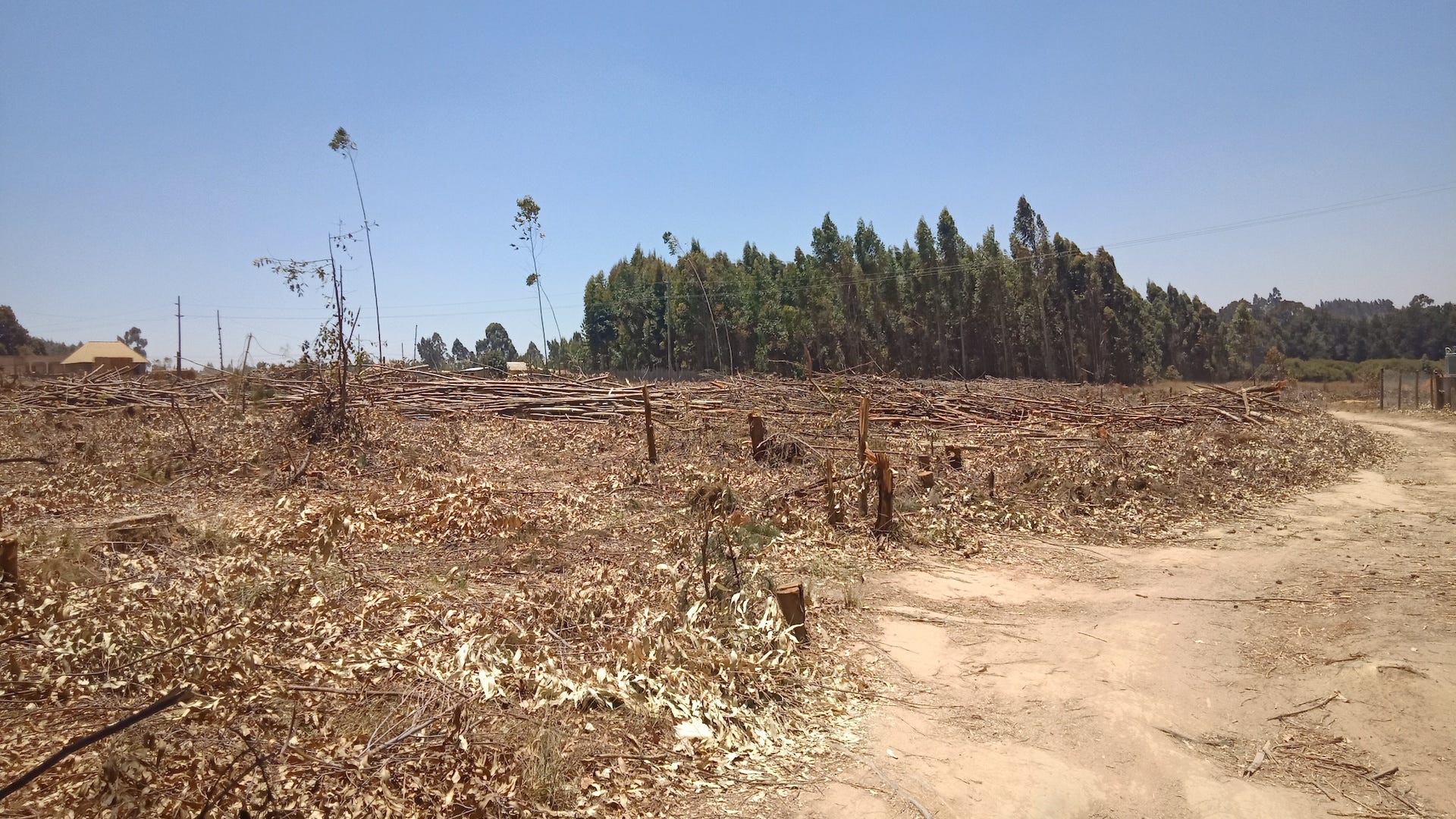
Once the road was cleared, a bulldozer accessed the site to remove debris and level the ground. The land showed evident signs of over-farming; much of the topsoil had eroded, revealing patches of the 'hard cap'. Ironically, this very land is now slated to produce biochar—a soil additive that will be used in similar degraded soils to boost fertility and enhance drought resistance.
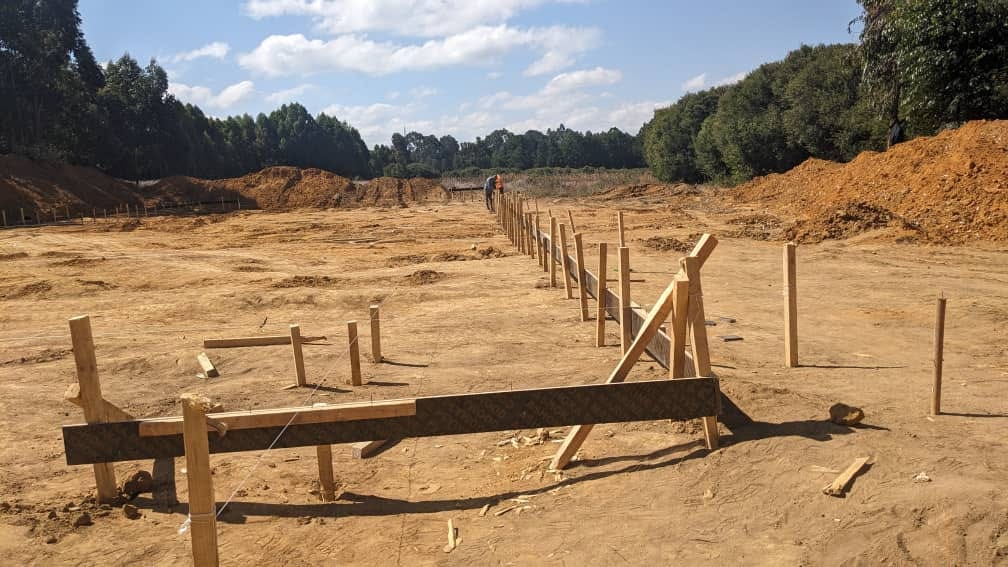
Once the site was levelled, the foundation placement for the warehouse was marked, batter boards erected and holes for the column footings dug out.
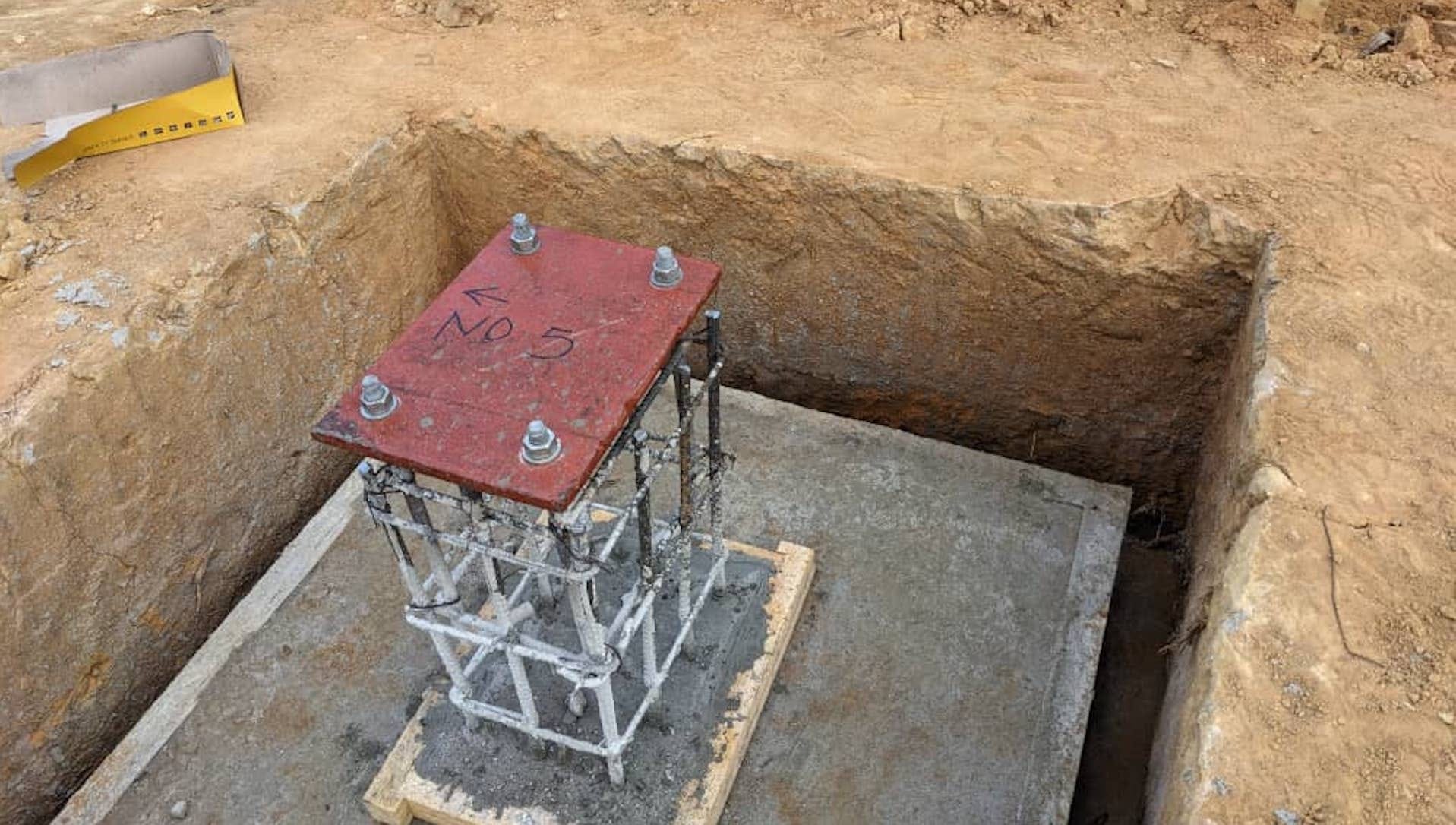
The column footings were also poured and will require several weeks to set fully and before they will be capable of supporting the weight of the warehouse and the reactor.
As the column footings set, there is still plenty to do. The ground footings need to be completed, and a stone bed set before the concrete slab is poured. Further, the biochar reactor was being built off site, and a progress updated needed.
No posts
Comments
Nothing yet. Say the first thing.
Sign in to join the conversation.