
That glorious moment as a home cook, you are in the flow making a dish you have never made before by using your pantry and what you have. You taste it and make that face, “DAMN that’s good.” You know it. But how did you get there? A little of this, a little of that. Can I replicate this? Can I recipe this? Usually the answer is no. Even for me.
Technique is the first mastery and flavor is the second. So lets talk about what umami actually is, how it works and why once you understand it, you will be able to wield flavor with your pantry you never thought possible.
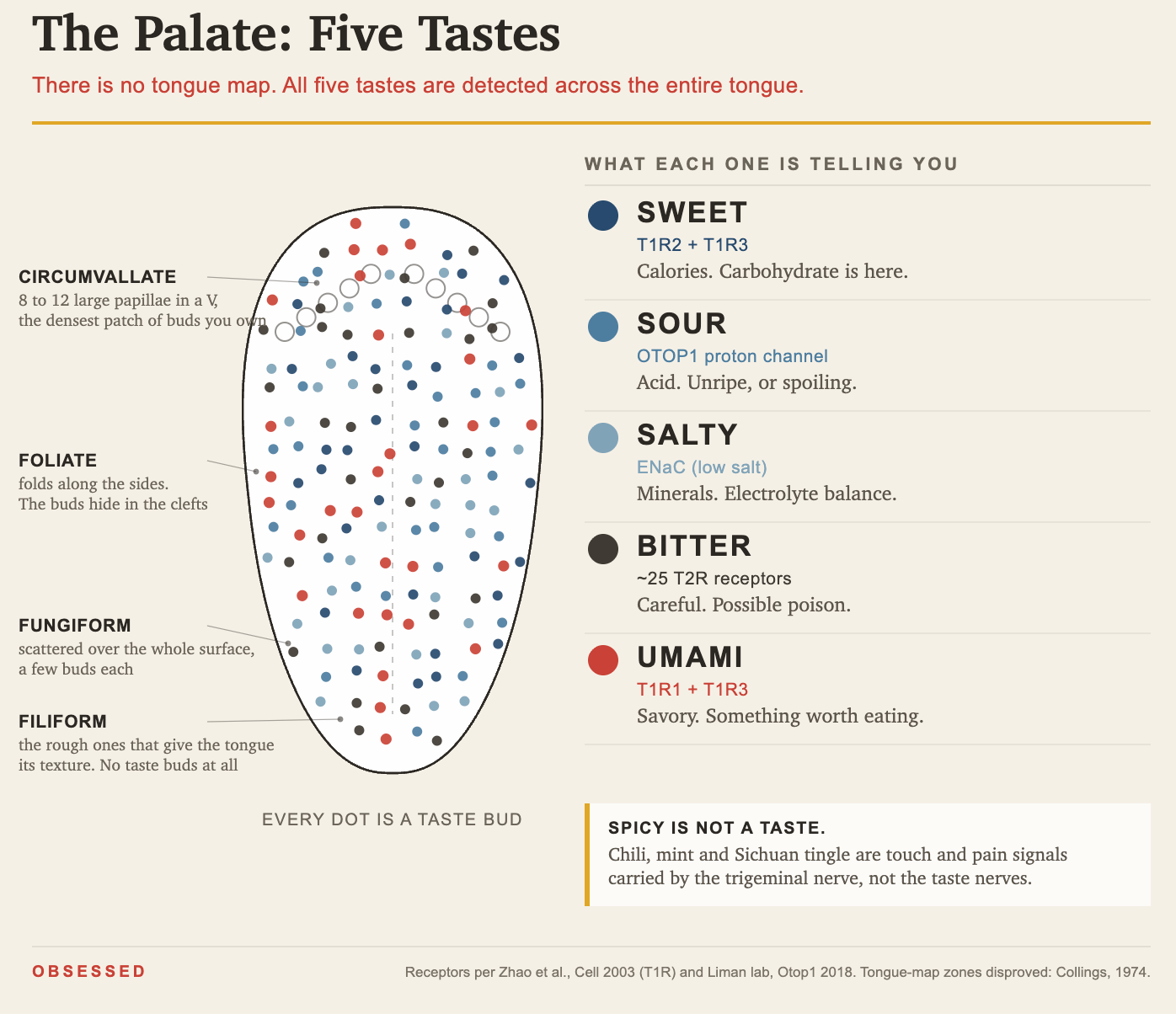
When I first started eating and cooking Japanese food, umami swirled around the cookbooks I read with no real explanation of how you get to it. It’s not simply saltiness, the Japanese Scientist who discovered it named is a “savory” taste. I call it “the taste that makes everything else taste better.” Countless cookbooks would explain it simply as “the fifth taste” behind salty, sweet, sour and bitter, but no one told me how to actually make it happen in my food. For a decade I thought umami was something only great chefs could conger.
Nope, its some very simple science.
Lets start with the basic mechanics of what umami is. It was defined by a Japanese scientist in 1913 as the “fifth taste.”
Comments
Nothing yet. Say the first thing.
Sign in to join the conversation.