
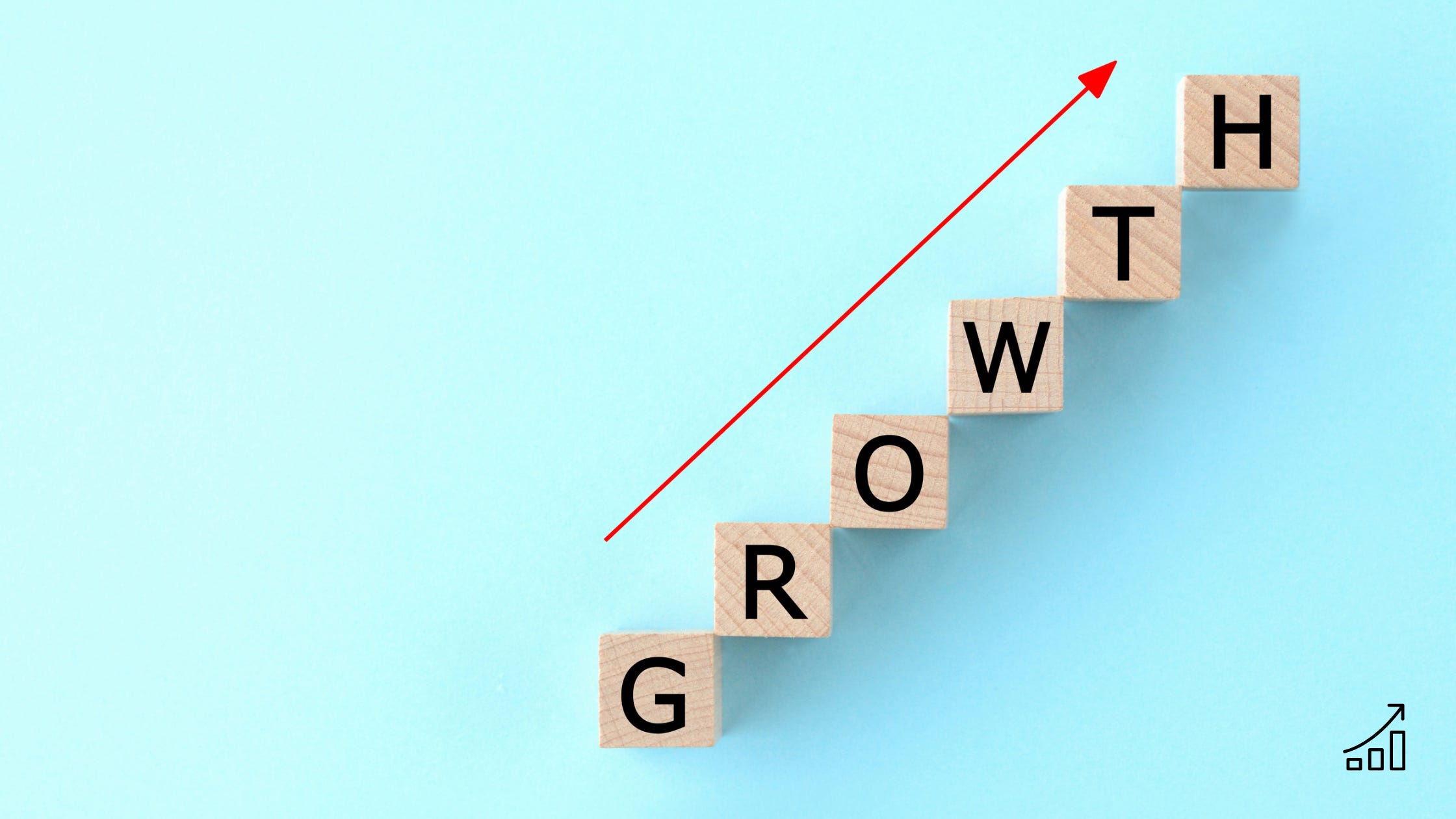
When I was in Dubai, UAE, one thing that Muslim culture and people from the military had in common was the ability to do boring things consistently.
I watched the Muslim community stay disciplined when it came to things like praying a certain number of times a day. I watched people from the military wake up and have the same morning routine every day.
They never once complained or stopped doing this mind-numbing, boring stuff that required discipline.
Nobody clapped for the man who laid his prayer mat at Asr. Nobody gave a standing ovation to the soldier who made his bed with hospital corners at 0500. The discipline existed entirely independent of applause. And it worked, precisely because of that independence. I have since come to believe that this is one of the most important things a person can learn: that the work which produces the most meaningful results is almost always invisible, repetitive, and deeply unglamorous. The results are what people see. The process is what actually matters
Building a fit body and accumulating wealth may appear to be entirely different objectives, but fundamentally, they are governed by the same principle: discipline. There isn’t a microwave mentality, meaning “I want it cooked in 30 seconds because I want it now,” that will get the desired outcome. Both demand ongoing effort, patience, and the capacity to postpone gratification.
Discipline transforms immediate efforts into lasting results. In fitness, it means training even when rest seems tempting and maintaining a routine despite slow progress. In wealth-building, it involves careful budgeting, steady investing, and avoiding impulsive purchases. In both areas, small, consistent decisions accumulate over time, leading to significant change.
Building a fit body and building wealth look like different pursuits. Different vocabulary, different metrics, different communities. But strip them both down, and you find the same engine running underneath: consistent, boring, undramatic action, sustained long past the point where motivation would have quit
The two things fitness and finance have in common are ugliness and sexiness.
“The results are sexy, the discipline to get them is ugly, and most people only want to talk about the results.”
This is the part nobody wants to hear. Motivation is not discipline. Motivation comes and goes based on conditions outside your control. Discipline is infrastructure. It functions regardless of conditions.
The man in Dubai didn’t pray five times a day, only when he felt spiritually moved. The soldier didn’t make his bed only when he felt like it. The practice was held because it was non-negotiable, and the non-negotiability was the point. It removed the daily decision. There was nothing to feel
Helpful discipline tips:
Set the routine once, not daily. Decision fatigue is real. The person who has to decide every morning whether to work out will work out less than the person who decided months ago that Monday, Wednesday, and Friday are non-negotiable. Decide once and protect that decision from renegotiation.
Track the process, not just the outcome. The scale and the bank account are lagging indicators. They tell you what happened — not what to do. Track the inputs: sessions completed, budget followed, hours logged. The outputs will follow.
Plan your responses to failure in advance. You will miss a session. You will overspend. The question is not whether, it’s what you do next. Decide now that one missed day does not become two. This is the Stoic practice of premeditation, plan for the obstacle before it arrives
Forty countries have taught me many things. Near the top of the list is this: patience is not something you either have or don’t. It is something you practice. And every culture that has produced lasting works, like music, architecture, and philosophy, has understood this.
In Brazil, I watched master capoeiristas train for hours, refining movements that would never be fully perfected. The point was never completion. The point was the perpetual refinement. A mestre once told me, in Portuguese that I was only beginning to understand, that mastery is not arriving somewhere. It is committing to the direction.
Compound interest in money and in the body operates on the same logic. The early returns are invisible. The account barely moves. The muscle barely grows. The person who quits at month three never sees month thirty-six. The person who stayed does.
You have power over your mind, not outside events. Realize this, and you will find strength.” — Marcus Aurelius
Restriction creates pressure. Substitution creates a new path. When stress arrives, and the old pattern activates, the more durable move is to channel that energy somewhere useful, like a walk, a journal, a cold shower, or a slow meal, rather than simply blocking the original impulse. The impulse has energy. Give it a better destination
In fitness, pushing yourself too hard without proper form or recovery can lead to injury, setting you back in your progress. That’s why it’s essential to understand your body’s limits and train intelligently.
Similarly, in investing, risk management is crucial. Every investment carries some level of risk, and understanding your personal risk tolerance helps you make informed decisions. Overexposure to high-risk assets can lead to significant losses, just as overtraining can harm your physical health.
At their core, both fitness and investing are long-term commitments that reward those who stay consistent, patient, and mindful of their limits. By embracing discipline, trusting the process, and managing risk wisely, you position yourself for sustainable success, whether in your health or your financial future.
In the end, the habits you build in one area often reinforce the other, creating a powerful cycle of growth, resilience, and achievement.
Habits are like oxygen; you might not notice them, but they are there, working.
What may seem trivial in isolation, such as a short daily walk or setting aside a small amount of money, becomes powerful when practiced regularly. The key mechanism is accumulation: in health, it’s the gradual improvement of bodily systems; in finance, it’s the compounding effect of earning returns on prior gains.
Over weeks, months, and years, these incremental efforts build momentum, often leading to outcomes that feel disproportionate to the original effort.
In finance, the same principle applies through compound interest: money earns returns, and those returns begin to earn additional returns. Over long periods, this creates exponential growth rather than linear progress. Even modest, regular contributions can grow significantly with enough time, which is why starting early is so impactful.
Key points:
In health, minor habits accumulate into meaningful physical and mental improvements.
In finance, small habits such as tracking your money, budgeting, identifying financial leaks, and building new skills to get paid will all compound over time.
The benefits in both areas are nonlinear: the longer you stick with the habit, the faster progress accelerates.
Consistency matters more than intensity — tiny improvements sustained over time outperform sporadic big efforts.
“It’s not the big things that add up in the end; it’s the hundreds, thousands, or millions of little things that separate the ordinary from the extraordinary.” — Darren Hardy
Initially, fitness and personal finance appear as very different pursuits, one emphasizing physical health, the other concentrating on financial management. However, beneath the surface, both are greatly affected by behavior, habits, and emotional reactions. Success in both domains generally depends on how effectively you control impulses and handle triggers.
When I was in my late 20s, I was broke, but I had a million-dollar physique. I once met a gentleman who owned multiple businesses. As I got to know him, I figured out pretty quickly that he made well over six figures each year.
He said something that I will never forget: “Young man, you have a million-dollar physique, and yet you make very little money, you are not lazy, you just don’t have the right information when it comes to money”.
Whether it’s reaching for comfort food after a stressful day or making an impulsive purchase to boost your mood, these decisions are rarely about logic alone. They’re driven by emotional cues that, if left unchecked, can derail long-term goals. Recognizing these patterns is the first step toward building healthier habits, both physically and financially.
By learning to identify emotional triggers and intentionally replacing reactive behaviors with constructive alternatives, you can create systems that support long-term discipline and well-being.
Impulse control is central to both domains
Stress-eating and impulse spending stem from the same behavioral loop: trigger → reaction → temporary relief.
Emotional triggers drive decision-making
Common triggers include stress, boredom, anxiety, and even celebration.
These emotions often override rational thinking in the moment.
Awareness creates a pause
Simply recognizing why you’re about to act can interrupt automatic behavior.
That pause is where better choices are made.
Substitution is more effective than restriction
Replace, don’t just remove:
Meditation, a walk, or journaling instead of stress-eating
Saving, planning, or delaying purchases instead of impulse spending
Short-term relief vs. long-term outcomes
Both unhealthy eating and unnecessary spending offer quick emotional rewards but long-term consequences.
Consistency beats intensity
Small, repeated decisions (skipping one snack, avoiding one unnecessary purchase) compound over time.
Environment matters
Keep unhealthy snacks or tempting shopping apps out of reach
Data is the key to learning how to change something if it isn’t working.
Progress, whether in fitness or finance, is rarely the result of sticking to a rigid, unchanging plan. Instead, it comes from a continuous cycle of learning, testing, and adapting. The people who achieve the most meaningful, lasting results are those who stay engaged with the process and are willing to evolve their approach over time.
An example is the time I identified my financial leaks. Last year, I had a plan to improve my finances. I failed and could not figure out why. I had to look back at the data and see.
I discovered something through the data: I had some financial leaks. These were blind spots in my habits, and I was losing money in some areas. I was spending too much money on social activities, and my cell phone bill was too high.
Just like fitness, consistency matters in finance, but so does adaptability. Ignoring what isn’t working won’t lead to better outcomes. Reviewing your progress, identifying inefficiencies, and making informed adjustments drive long-term success. It’s not about chasing every new trend but about being intentional and responsive to what actually works for you.
“Long-term consistency trumps short-term intensity.” — Bruce Lee
Ultimately, both fitness and finance reward the same behavior: curiosity, patience, and a willingness to improve. The process may not always be linear, but every adjustment you make is a step toward a more effective system.
Everyone wants the sexy results of fitness and financial wealth, but nobody wants the ugliness that comes from boring discipline to get the data.
The body that moves well at fifty, the account that provides options instead of anxiety. Very few are willing to make peace with the years of unremarkable repetition required to get there. The ones who do are not more talented. They are not more motivated. They have simply stopped waiting to feel ready.
The work is boring.
Do it anyway.
Nobody needs to applaud.
Let’s get free.
No posts
Comments
Nothing yet. Say the first thing.
Sign in to join the conversation.