
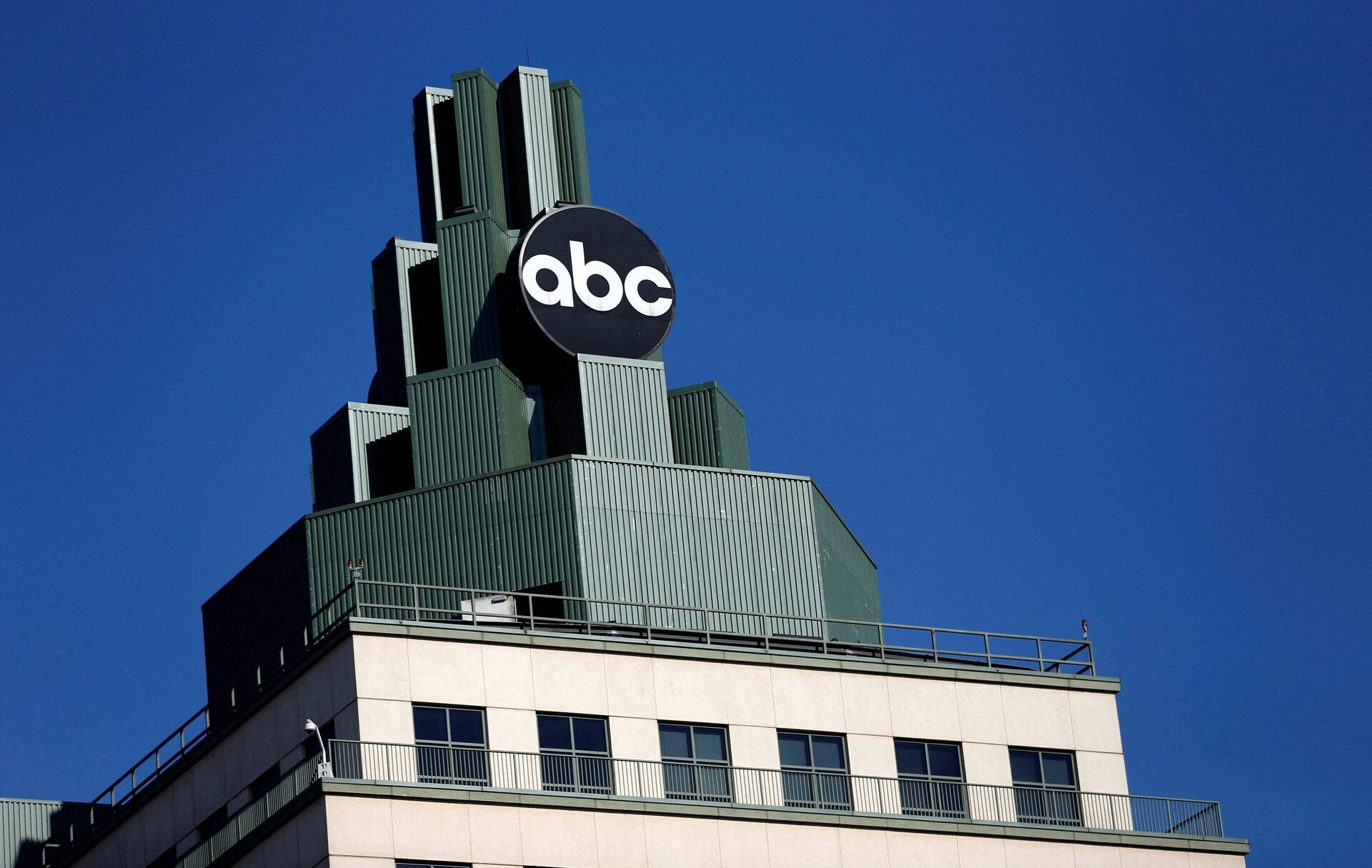
ABC sued the Federal Communications Commission on Tuesday, alleging that the Trump administration had turned the licensing process into a tool of retaliation against coverage and programming it opposed.
The lawsuit asks a federal court in Washington to stop the FCC from taking or threatening action against ABC and eight local television stations the network owns. Those stations were compelled to submit renewal applications early, placing their licenses before the commission several years ahead of schedule.
“Acting through the Federal Communications Commission, the Administration has waged a retaliatory campaign against ABC for a single reason: it disapproves of what ABC broadcasts,” the network said in the suit.
“That campaign began in this Administration’s earliest days and has only intensified since. Again and again, the Administration has attacked ABC’s speech—the stories its journalists report and the viewpoints its network programs air. Over time, those attacks have escalated into express demands that ABC be stripped of its broadcast licenses because of its speech.”
The FCC has not decided whether to approve the applications or order hearings on the stations’ qualifications. ABC said the completed public-comment process has left the commission free to act at any time.
“The Commission is poised to make good on its threat any day now: the public comment period on the renewal applications has closed, and the Commission may, at any moment, issue an unprecedented Hearing Designation Order for all eight Stations, which would kick off a formal agency adjudication to determine the fate of ABC’s licenses,” the lawsuit said.
ABC contends that the commission cannot lawfully grant renewals several years before the existing license terms end. The network described any resulting adjudication as a “charade” in which every available outcome would harm the stations.
“The Commission cannot lawfully grant renewal this early in the license terms—the only outcomes on the table are adverse to Plaintiffs,” ABC said.
The network said the FCC could “prolong” the proceedings, “miring ABC in years of costly litigation,” or deny the licenses. ABC presented both possibilities as pressure designed to change what the network broadcasts.
“In either scenario, the Administration accomplishes its goal of eliminating a perceived media critic: either it gets Plaintiffs to fall in line, or it silences them if they refuse,” the lawsuit said.
The stakes outlined in the complaint extend beyond the eight stations. ABC argues that allowing the government to use licensing authority against a network over its editorial choices would give the administration a means to pressure any media company whose coverage or programming it dislikes.
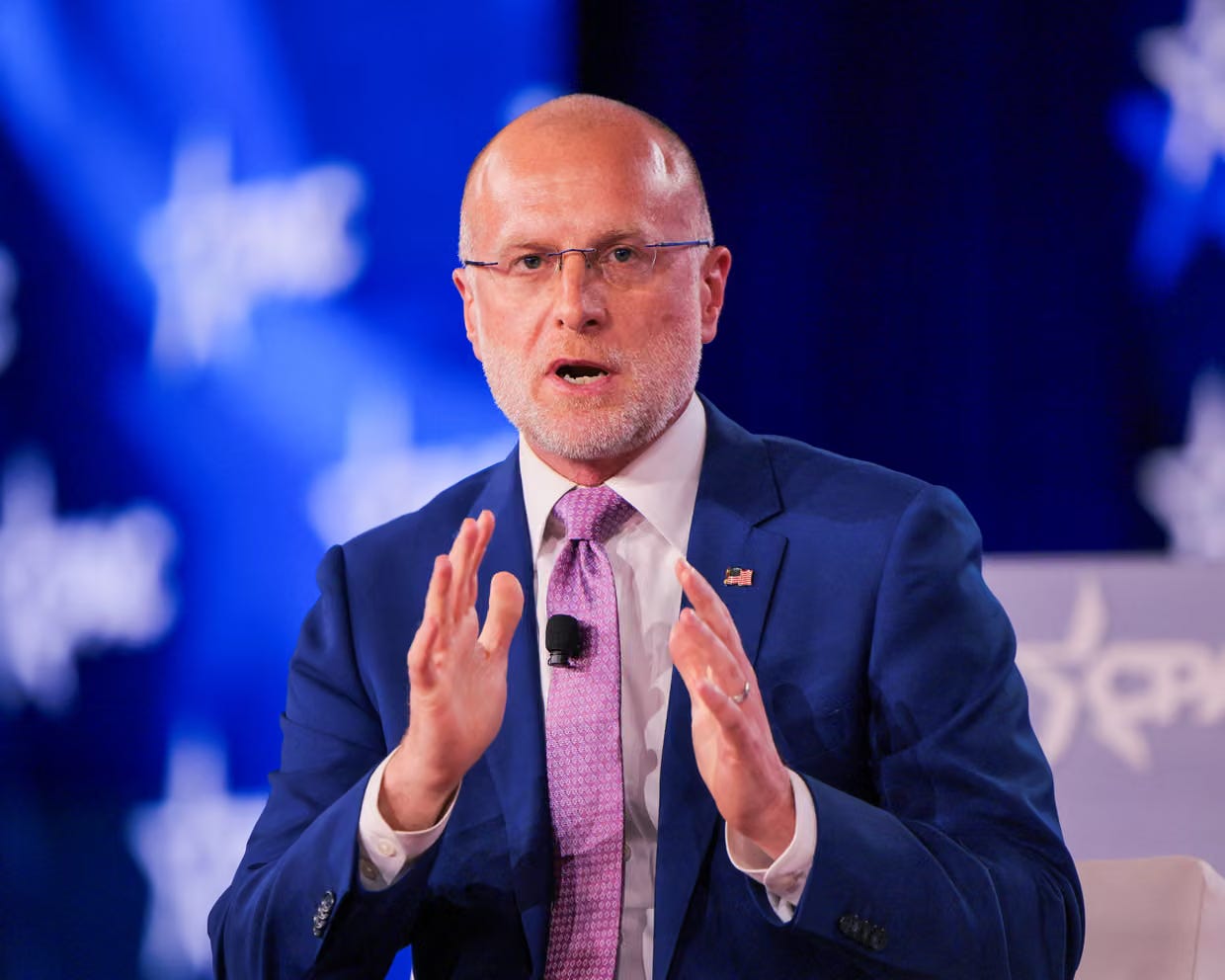
“If the Administration gets its way, the message to every media company in the country will be unmistakable: tell only the stories the Administration deems favorable, or face the coercive machinery of the federal government,” ABC said.
“In such a world, the press could in no way be described as free.”
The renewal proceedings have attracted challenges from conservative organizations. The Media Research Center and the Center for American Rights urged the FCC to reject the applications, alleging political bias in ABC’s journalism.
A group of prominent former FCC officials, including commissioners and senior staff members who served under Democratic and Republican presidents, reached the opposite conclusion. They warned in a filing submitted last month that the agency was threatening broadcasters’ editorial independence.
“Through this proceeding, the FCC seeks to censor Disney’s and ABC’s speech and send a chilling message to all broadcasters: carry speech we don’t like at your peril,” the former officials wrote.
ABC also faces a separate, unresolved FCC inquiry involving “The View” and a possible violation of equal-time rules.
The FCC said its examination of Disney and ABC concerns claims of illegal discrimination and broadcasters’ obligation to operate in the public interest.
“All broadcasters have a legal obligation to operate in the public interest—even Disney. The FCC has been examining claims that Disney engaged in illegal DEI discrimination for over a year. Disney is obviously very concerned about the FCC’s proceeding, as evidenced by their ongoing campaign of disinformation as well as their decision to ask a court to stop the FCC from further pursuing matters. The FCC will continue to follow the facts and law wherever they lead,” an agency spokesperson said.
FCC Commissioner Anna M. Gomez, the commission’s lone Democrat and a defendant in the lawsuit, commended ABC for taking the agency to court.
“For months, the FCC has waged a campaign of censorship and control against Disney’s ABC stations, using the threat of broadcast license revocations to punish a company for speech this administration doesn’t like. I have long called on companies to push back against this kind of government intimidation, and I’m glad Disney has shown courage and stepped up. This should be a welcome sign for every broadcaster who has felt the weight of this overreaching government pressure in silence,” Gomez said.
“I am hopeful that this will mark the beginning of the end of this administration’s disregard for the Constitution and the law, and that the coming months will bring the costly legal defeat this agency has been asking for since it started down this path.”

Press freedom does not survive on vibes. It survives because readers decide the work is worth protecting. The Developer is independent, ad-free, and reader-funded—which means your support goes directly into the reporting, not into some billionaire’s pocket. If my work helps you stay informed, consider upgrading to paid: $8/month or $80/year. If upgrading isn’t possible right now, sharing The Developer with someone who needs to read it matters just as much. Help keep independent journalism alive and impossible to buy.
No posts
Comments
Nothing yet. Say the first thing.
Sign in to join the conversation.