
This summer, we invited our new cohort of interns to reflect on their lived experiences, the questions and values that shape them, and why they are driven to address the climate crisis through innovative, action-oriented approaches. Here are their stories.
The Power of Storytelling
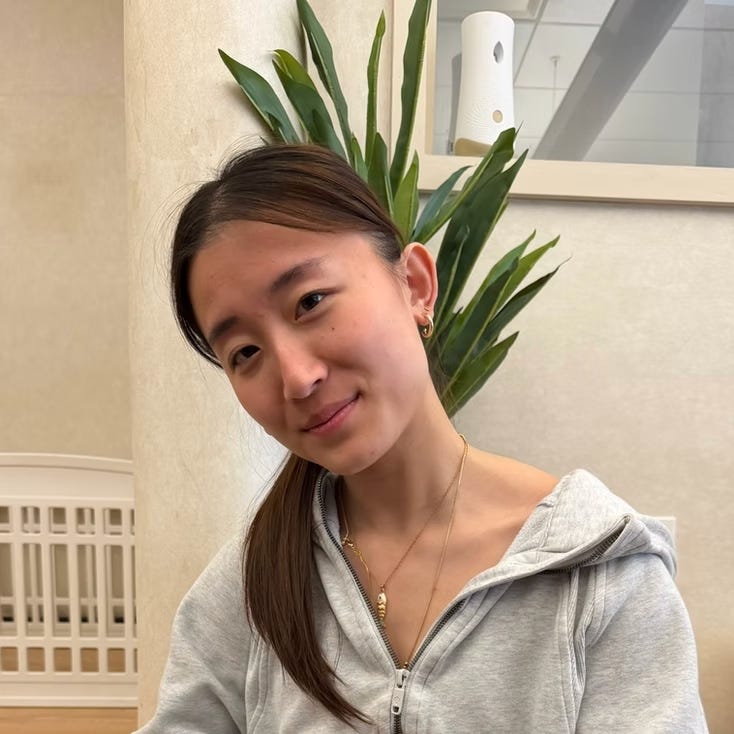
By Kiki Liu, Global Leadership Intern, Based in Long Island, NY, USA
My interest in climate justice developed through my love of literature and learning. As a sophomore in high school, I was introduced to the poem “How to Let Go of the World” by Franny Choi through an instructor at my summer journalism program. The poem traces the effects of doomism, viewing climate change through an apocalyptic, monstrous lens.Reading this work opened my eyes to the real and living climate crisis we are currently facing. It made me realize that climate change was not a distant threat but something that grows with humanity as if it were a parasite. As my educational journey continued, I felt empowered to continue to learn about the effects of climate change. During a summer program with the New York Times, I researched environmental health disparities in cities that had been historically red-lined and gerrymandered. This is where I learned about many of the unfair environmental inequities that certain communities face.
My background as an immigrant growing up in a minority community has been a key motivator for wanting to transform my knowledge into action. I have seen how unforgiving the world can be towards the socially and economically burdened. I act for my family, friends,and community. HII’s mission is not only powerful but also true. I have felt firsthand how transformative storytelling and art can be inspiring and how a single poem can reshape someone’s understanding of the world. I’m looking forward to learning more from HII and to keep working towards a more sustainable future.
Art, Nature, and Finding Our Place in Climate Action
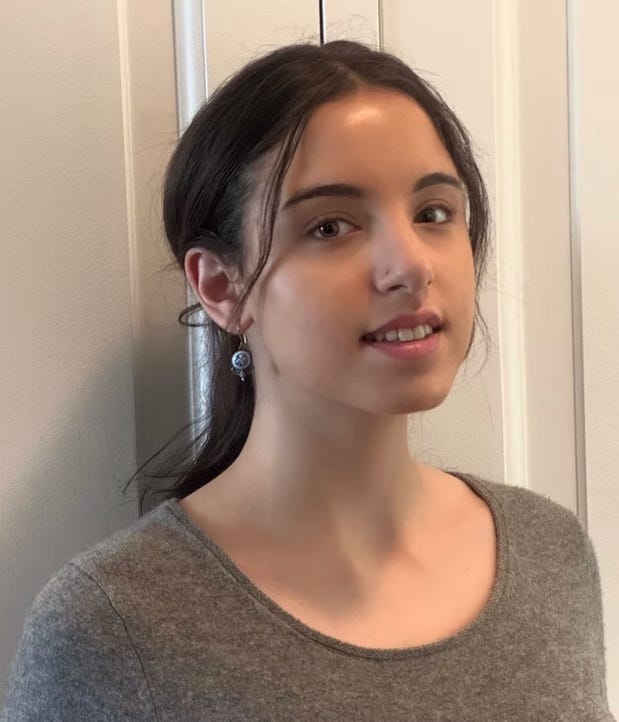
By Tessa Kolovarsky, Environmental Education Intern, Based in Manhattan, NY, USA
I grew up in New York City, which means I grew up largely without nature. Not entirely– there are parks, geese that live in Central park, the smell of rain on concrete– but not the way humans were built for. Thousands of years of evolution shaped us to be immersed in the natural world, but I feel that absence. The first time I gardened was last fall with my wildlife club at school. Getting my hands in the soil, watching something go into the ground. It felt so tangible, and like something clicking back into place. To witness the deterioration of our natural world, and the further unraveling of a connection many of us have already begun to lose, is a distinct kind of grief.
I also write poetry. Once I wrote a slam poem at the peak of the pandemic and recited it on my rooftop in the minutes before New York erupted in applause for essential workers. It wound up on NBC News. I wasn’t aiming to shape policy. I was trying to express something true. And people felt it, which is a different kind of impact than anything I’ve done in a legislative context. That’s what poetry does, what art does. In a world where most people feel like they have zero agency over something as vast as the climate crisis, culture is one of the few things that creates it. It makes the abstract feel personal. It shows people they can take action—because someone already has.
That’s exactly what the Human Impacts Institute is building and what brought me here– the belief that arts and culture aren’t peripheral to climate action but are how you actually move people.
I know I want to dedicate my life’s work to the environment. It feels less like a choice and more like the only thing that makes sense given the crisis we are in. I don’t know exactly what form that life will take yet, but I know the urgency is real and I know I can’t look away from it.
Migration, Displacement, and Shared Responsibility
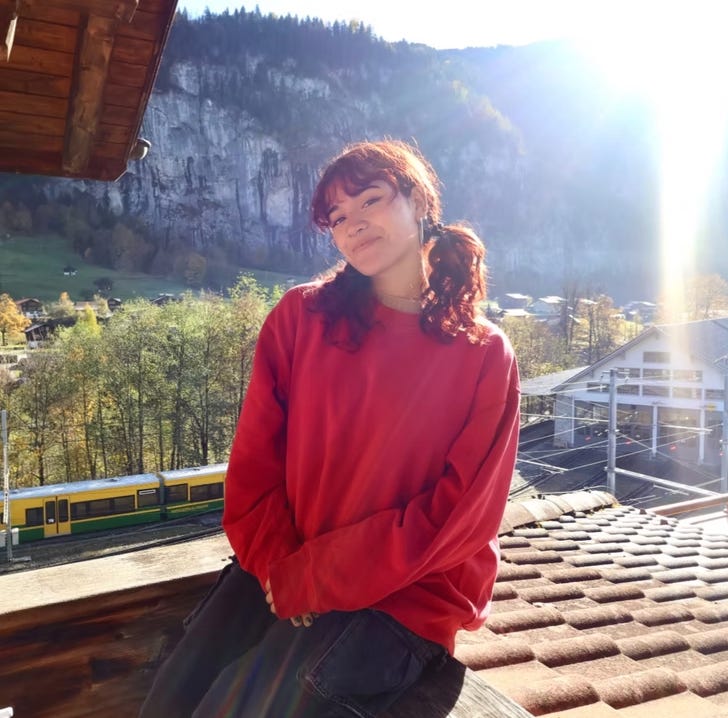
By Mariana Oliveira, Creative Communication Intern, Based in Worcester, MA, USA
As the daughter of immigrants, and someone who has studied and fought for immigration justice throughout my academic career, the topic of climate refugees particularly hits home for me. Many Western countries, especially the United States, have cracked down on immigration restrictions, which often goes hand in hand with growing public xenophobia. Last fall, I studied abroad in Paris and took a class on French immigration and cultures, where I learned about the abundance of similarities between American and French immigration ideals. In both countries we’re experiencing an influx of far right beliefs and politicians coming into power, which presents a deep hatred towards foreigners, specifically non-white foreigners. This becomes exponentially concerning when considering the ongoing climate crisis we find ourselves in, where hundreds of millions of people have been internally and externally displaced due to environmental challenges.
Furthermore, those at the frontlines of the climate crisis, who are most often displaced, are people of color from the Global South. The fact that some political actors continue to deny the existence of climate change directly contradicts the lived realities of millions of people globally, who do not have the privilege of ignoring the issues before their eyes. Where are climate refugees supposed to turn when the term “climate refugee” is not even formally internationally recognized? And with a projected exponential increase in climate refugees expected over the next twenty years, where does this leave us? To me, this is why organizations such as the Human Impacts Institute are so important. I believe it is crucial for everyone to realize we have a responsibility in caring for our planet and global community, and that collective action can, and does, generate meaningful change. By giving people tools, resources, and opportunities to create art, tell their story, educate themselves and others, and work in community, HII is creating genuine pathways towards change. I believe this is a crucial first step towards building a sustainable and just future for everyone, especially those at the frontlines of the crisis.
From Doom to Hope: Flipping Narratives
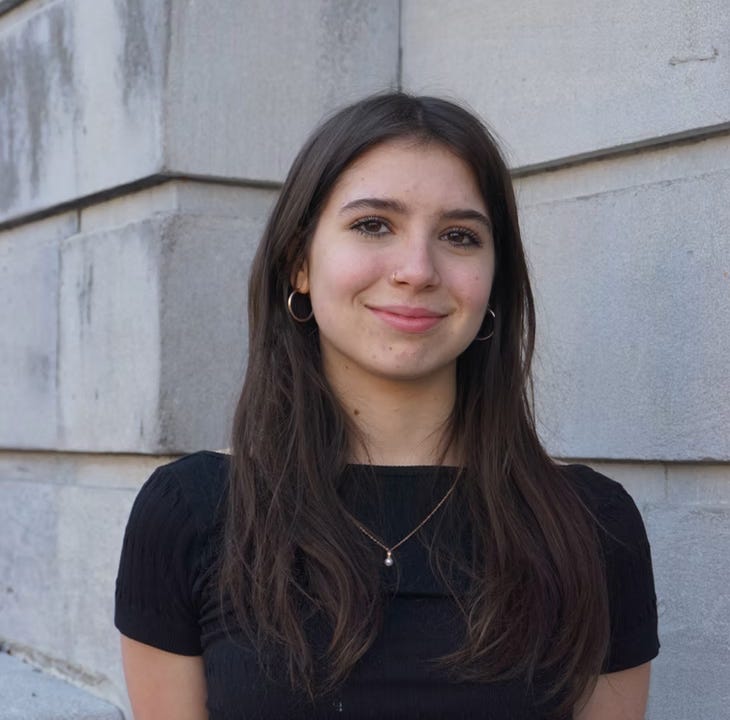
By Maya Ortega, NGO Management Intern, Based in Brooklyn, NY, USA
I can’t remember the exact first instance I learned about global warming, but I do remember images of polar bears on melting ice caps and sea turtles tangled in plastic. Despite being introduced to the concept of a climate crisis early on in my life, I always felt the approach remains dominated by one narrative. A narrative built on data, analytical approaches, and information politics,which often results in a doom narrative. Whenever I’m asked why I chose to pursue an education in the environmental field, my answer always comes down to an essential motif: hope. Rare, but rising in recognition, is the narrative of the people. And this is the narrative I choose to follow.
In one of my courses, a medical Anthropology class, I was introduced to the idea of the “eventfulness myth”. Coined by author Nicholas Shapiro in his ethnographic study on post-Katrina FEMA trailers and their residents, the eventfulness myth describes the phenomenon where people assume that hitting a certain threshold of information immediately results in action. In his book, the eventfulness myth emerges from incidents in which people were poisoned from the toxic materials used to construct the trailers. Despite substantial evidence, residents were forced to remain in these trailers due to broken systems that left them behind. The eventfulness myth demonstrates why the doom narrative can feel so pervasive in most climate conversations. I remember seeing those depressing images year after year, wondering why nothing was being done in spite of the catastrophes happening in front of a global audience. The problem is that most of us don’t include ourselves in the environment, in ecosystems, and in the global web.
When I joined HII, I realized just how vital it is to restore autonomy and authority to those we are trying to help. Showing a child an image of the destruction of the climate crisis will only do so much to scare them. Teach a child to test local air and water, or give them an education in local politics, and suddenly change and action don’t feel too far off. In an age monopolized by the constant flow of information, evidence is not always enough. The work that I have been doing at HII, in a way, feels like a means of proving to that younger, more fearful version of myself that people are doing something about those polar bears and sea turtles. By recognizing the role of arts and culture, unconventional but essential aspects of the effects of the climate crisis, I can see that communities have a better chance of connecting to the message and proposing genuine, real-life solutions. I can see a real shift away from doom, and a movement towards true, purely human hope. The climate crisis is real, but so are the solutions, and I cannot wait to be a part of them.
Thank you to Kiki, Tessa, Mariana, and Maya for the perspectives and tipping points they brought to this reflection. From a poem read aloud on a high school night, to digging into soil for the first time, to a semester in Paris, to classroom lessons on community resilience and hope—each of them found a different path into the environmental space. This brings to focus how there is truly no single road into this movement, only the moment something clicks and the choice to keep going, because meaningful and bold climate action begins with people, and the stories that move them.
Comments
Nothing yet. Say the first thing.
Sign in to join the conversation.