
An Intro to UN CSW70
The world’s problems are rarely singular, and neither are the ways we experience them. Recently, two of us from the Human Impacts Institute attended a UN multistakeholder hearing in preparation for the 70th Commission on the Status of Women (CSW70), focusing on access to justice for women and girls. This year, the annual convening of the UN’s Commission on the Status of Women (CSW) falls on March 9-19. During this session, representatives of UN Member states and civil society organizations gather to discuss a “priority theme” related to gender equality, and create an outcome document after these two weeks.
“Moving forward purposefully” - Avalon’s perspective
My ears perked up at hearing Japanese from the passersby crossing 1st Avenue alongside me in Manhattan. Suddenly, excited chatter in other languages flooded my ears, and it felt like the small bubble in which I existed had ballooned into global proportions. This is what it felt like to approach the UN Headquarters for the second time in my life.
Upon entering the conference room filled with UN representatives, I felt the room vibrating with a sort of power—like the words uttered here would have ramifications for the rest of the world. When I sat in front of the wired microphone and small screen that read “Stakeholder” in capital letters, I transformed from a layperson to a decision-maker, a participant in the mission to resolve global gender inequality.
As the formalities progressed, however, I found myself itching to hear voices that spoke from experience—from the heart. Apart from myself and a few other stakeholders, the only other young person in the room was Stephannie Sayo Esther, a human rights activist from Kenya. She identified the importance of intergenerational partnerships and legal literacy for dismantling barriers to youth participation in decision-making spaces. As someone who leads partnership-building in a youth-led climate justice movement, this statement made the wheels in my head turn — I realized that youth organizers in New York City are equipped with an incredible ability to effect political and social change, but that isn’t the case for most young people.
Speakers at the conference also recited structural barriers preventing women and girls from fully participating in society, but left me guessing as to how we would concretely address them. What does increased representation in justice decision-making mean to women and girls living in poverty, who struggle every day to survive? How do we plan to deconstruct deeply embedded gender stereotypes that force girls to drop out of school and marry early? People’s minds—and social norms and behaviors—are much harder and more resistant to change than the wording of a policy document alone.
Recently, at a climate event, I expressed my frustration with the verbosity and lack of initiative that seem to characterize high-level decision-making spaces. But it turns out that we don’t have to rely on the CSW70 alone—organizations like the Tzu Chi Center and NGO CSW/NY are hosting free public events that run parallel to the CSW70 session. It’s up to us to make sure that what is promised at CSW70, and at any global forum, will result in change at the national and local levels. So click on the links and register for an event now!
“Climate justice was in the room” - Robine’s perspective
Climate change was barely on the formal agenda of the CSW70 multistakeholder hearing on access to justice for women and girls. And yet, as the discussion unfolded, it became impossible not to hear climate echoing through almost everything that was said.
Although climate change was only explicitly mentioned once, it was clearly recognized as a structural barrier to justice. And rightly so. Climate change disproportionately impacts women and girls, particularly those already marginalized by race, geography, migration status, or Indigenous identity. Displacement, food and water insecurity, increased exposure to violence, and legal exclusion are not side effects of the climate crisis; they are central features of it. When climate stress compounds existing inequalities, access to justice becomes even harder.
But these barriers are not just policy failures; they are failures of power. Justice is about power: who gets to speak, who is listened to, and who gets to shape the systems that govern our lives. Several speakers during the hearing emphasized that access to justice cannot be reduced to legal frameworks alone. Laws matter, of course, but they mean very little if people lack the power, resources, or safety to use them. Justice is lived. It is shaped by whether someone can participate in decision-making, challenge harmful systems, or even name the harm they are experiencing.
Anyone working in climate justice will recognize this pattern. The communities most affected by environmental degradation are often the least represented in policy conversations. Those least responsible for emissions frequently bear the greatest burdens, while those most responsible remain insulated from consequences. Without justice, power operates unchecked, governance weakens, and trust erodes. Justice, in this sense, is not a parallel concern to climate action; it is foundational to it.
One prominent idea was the insistence that justice systems must be grounded in lived realities. Too often, reforms are designed from the top down, detached from the contexts they are meant to serve. Without meaningful participation, justice becomes abstract, bureaucratic, and inaccessible. This critique applies just as strongly to climate governance. Global targets and national strategies mean little if they are disconnected from local realities and community knowledge. If we are serious about addressing the climate crisis in a way that is fair and effective, these lessons cannot remain confined to justice spaces alone. They need to sit at the center of how we think about power, participation, and whose futures are being decided, and most importantly, by whom.
Conclusion
We went to the same hearing and heard different things, and that, in itself, reflects what the speakers were trying to say. Justice doesn’t look the same from every seat in the room. It depends on who’s speaking, who’s listening, and whose experience is being centered. But if there’s one thing we both took away, it’s that co-creation and strategic partnerships are key to transforming justice from abstract legal principles into lived, accessible, and sustainable outcomes. One speaker captured this simply: “Nothing about them without them.” How, and when, will we enable billions of women and girls to build our just and sustainable future, together?
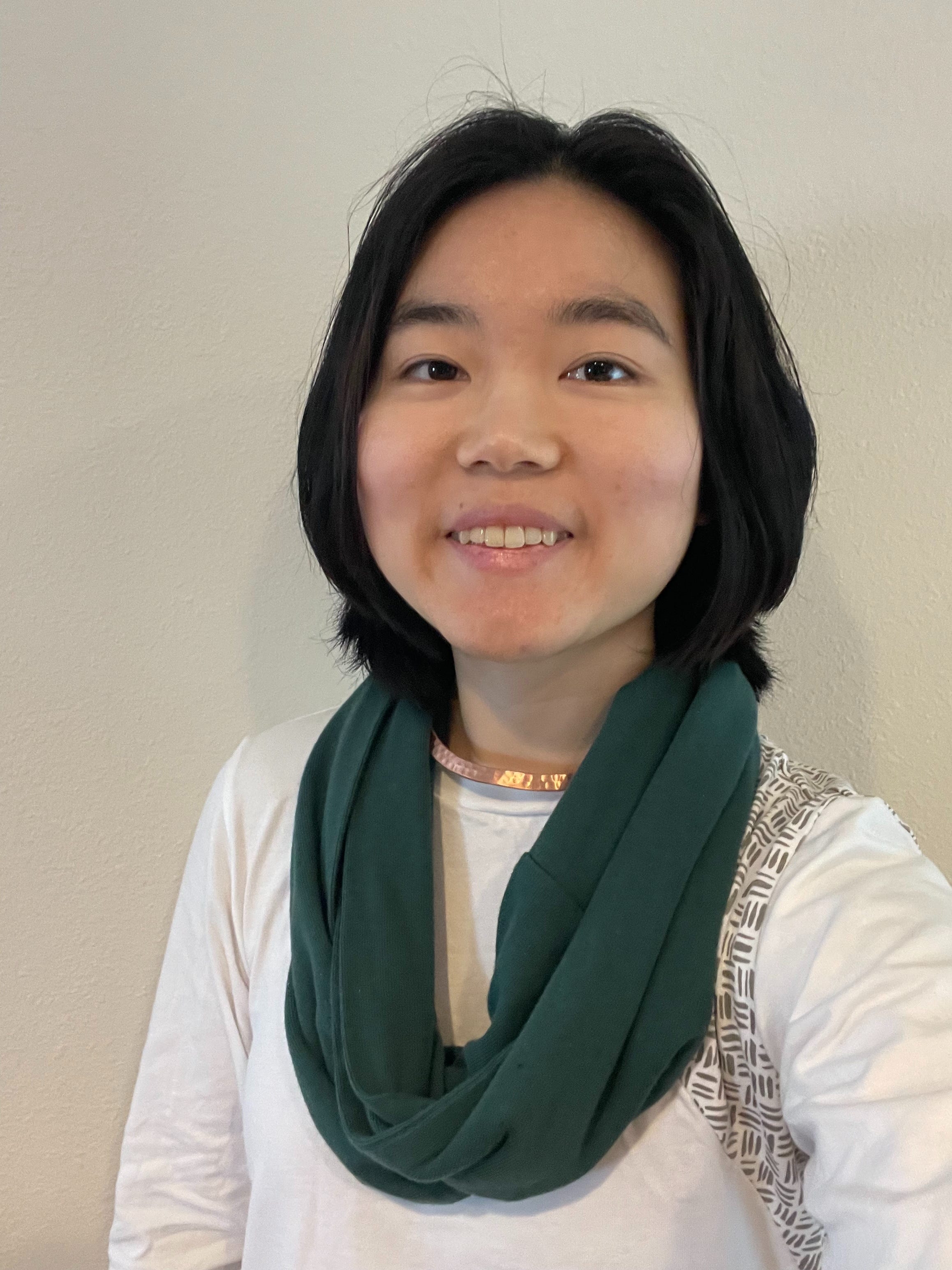
Avalon is an activist and budding creative who made her home in Brooklyn, New York, 2.5 years ago. She is leading outreach to artists for the Creative Climate Awards in April and co-designing the curriculum for the Urban Environmental Health Lab fellowship, which runs from June to August. Her days are spent cooking, practicing yoga and self-defense, and volunteering with climate and social justice organizations.
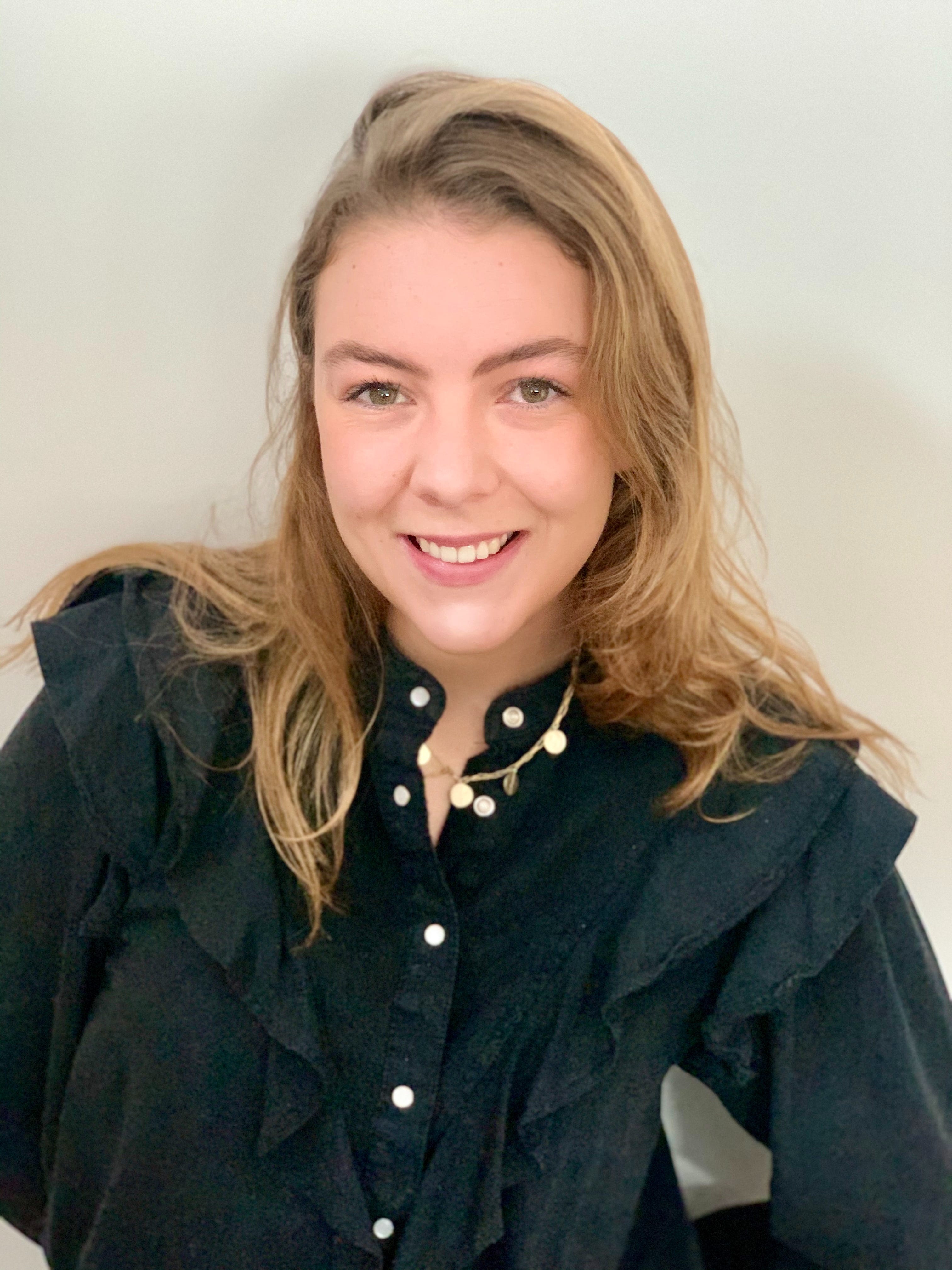
Robine is a climate and social impact professional with a background in international climate and energy policy. Before moving to New York, she worked at the Dutch Ministry of Economic Affairs and Climate Policy and now supports HII with fundraising and outreach. In her personal time, she enjoys painting, reading, and exploring art, culture, and food in the city.
Comments
Nothing yet. Say the first thing.
Sign in to join the conversation.