
We asked our Climate Justice Fellows and Interns what inspires their engagement with climate justice and how they believe their perspective can help to expand the ways in which we understand people-centered climate action. Here's what they had to say.
From Displacement to Understanding: A Human-Centered View of Climate Justice
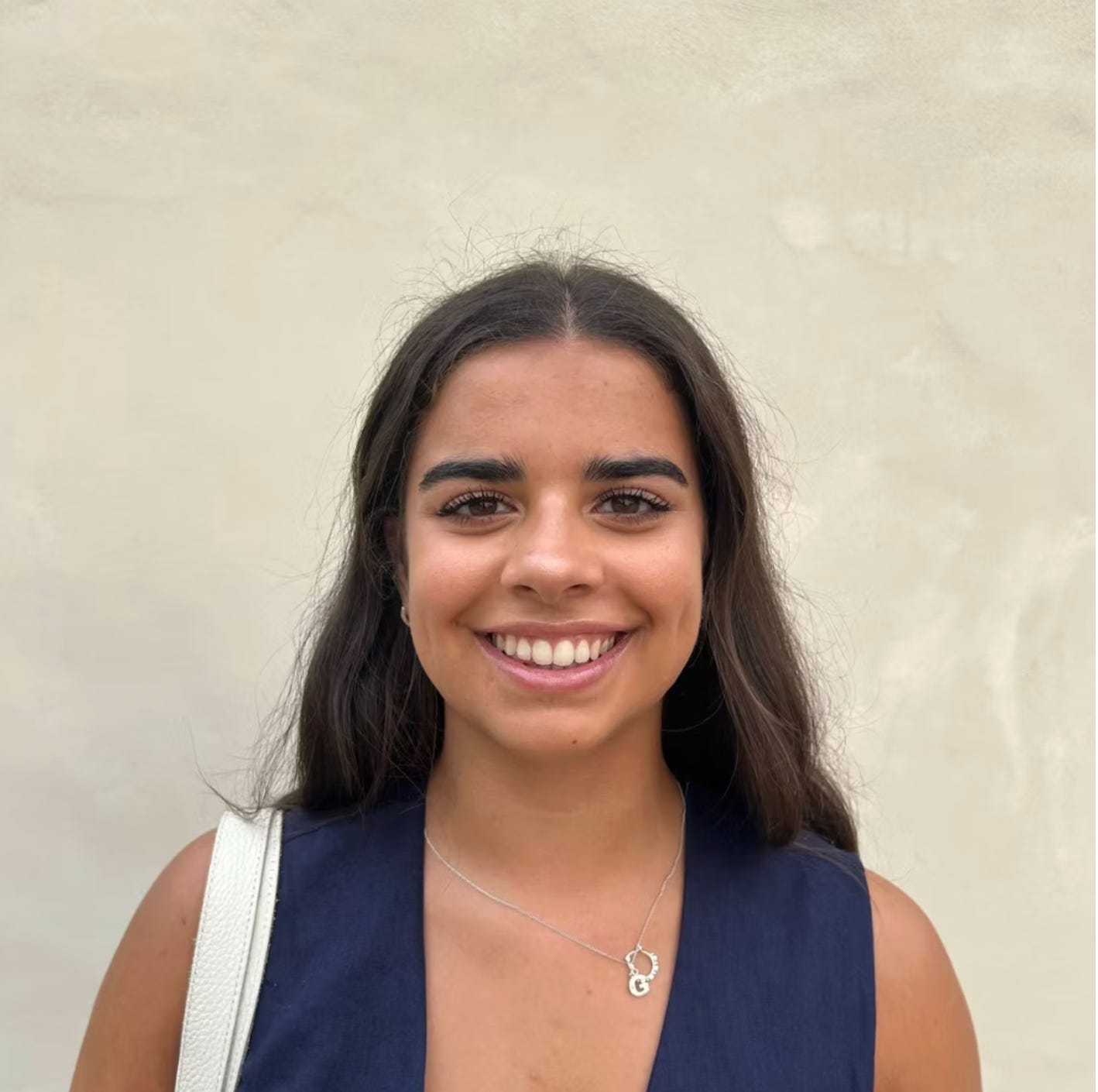
By Georgia Abbott, Global Leadership Intern, based in London, UK
“My engagement with climate justice has grown out of my lived experiences of witnessing how inequality, displacement, and environmental harm intersect in people’s everyday lives. Rather than understanding climate change as a distant or abstract issue, I have come to see it as something deeply human—shaping who is protected, who is displaced, and whose suffering is rendered invisible.
One of the most formative experiences shaping this understanding was my time volunteering at a refugee centre for four months. Working directly with displaced individuals made clear that migration is rarely driven by a single cause. Conflict, poverty, environmental degradation and climate-related instability often overlap, reinforcing one another. Many of the people I worked with had been uprooted not only by violence or political instability, but by the slow erosion of livelihoods due to drought, flooding or resource scarcity. This experience grounded climate justice in human stories, reminding me that climate impacts are not future threats but present realities for those already living on the margins.
My experiences inspire my commitment to climate justice as a human-centred practice. My perspective emphasizes listening, accountability, and storytelling as tools for meaningful change. By centering lived experience and human dignity, I hope to contribute to a broader understanding of climate action—one that recognises climate change not only as an environmental crisis, but as a social and moral one, mirroring the Human Impacts Institute’s mission.”
Expanding Climate Narratives Through Art and Education
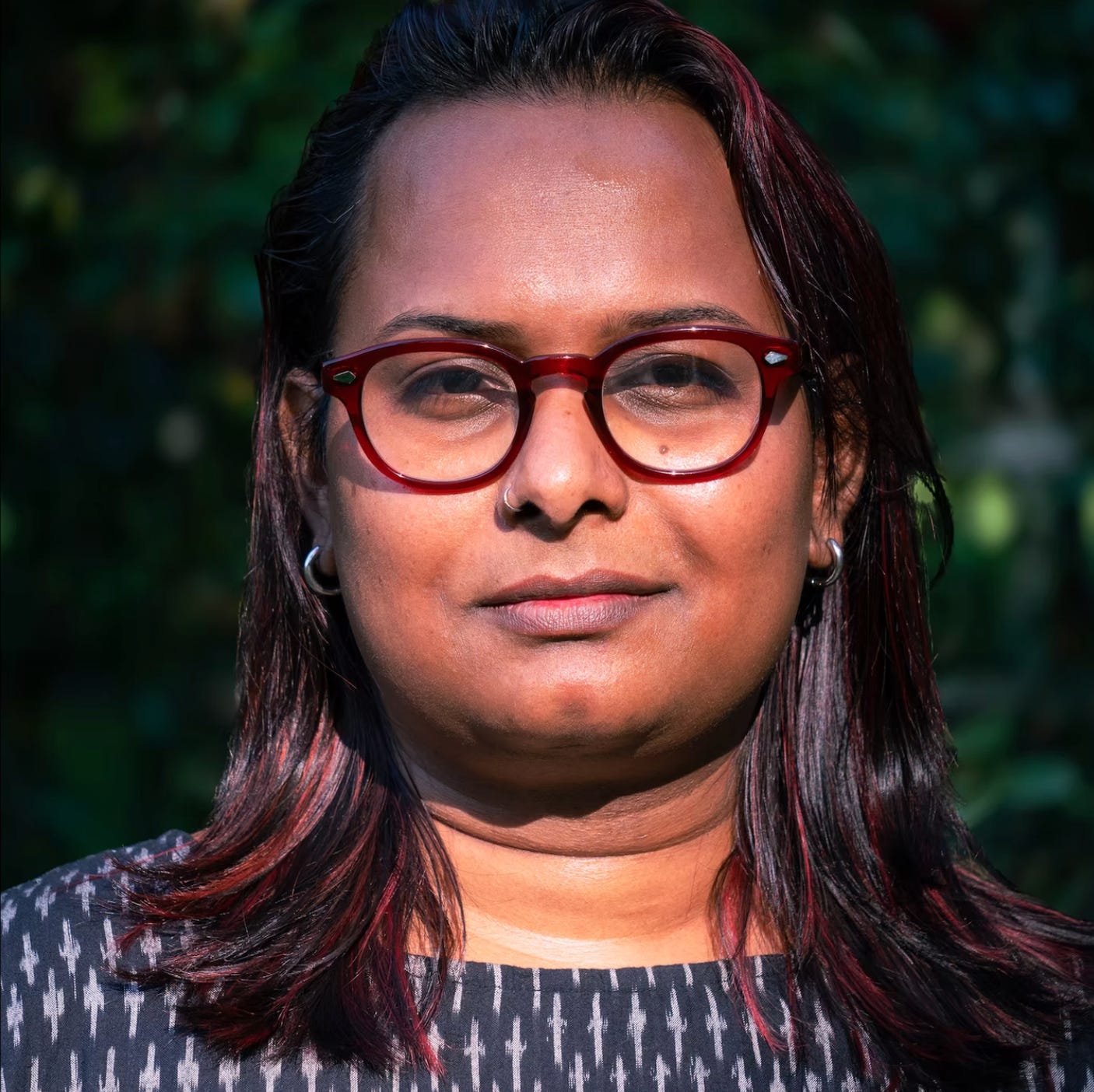
By Tara Asgar, Climate Justice Fellow, based in Brooklyn, New York
“My engagement with climate justice emerges less from a single disciplinary entry point and more from a set of overlapping practices across art, education, and community-based work. As an artist and educator, I have been interested in how social and political conditions shape lived experience, particularly in relation to migration, identity, and access. Increasingly, it has become difficult to separate these concerns from the realities of climate change. In the classroom, I often think about how large-scale systems, whether political, economic, or environmental, are understood through everyday experience. Similarly, in my artistic practice, I work with narrative, performance, and community engagement as ways to make structural issues more tangible and collectively legible.
Climate is often framed through scientific data or policy discourse, but its impacts are deeply uneven and socially distributed. Questions of displacement, labor, housing, and public health are all entangled with environmental conditions. In this sense, climate change is not only an ecological crisis but also a question of equity. It shapes who can remain, who is forced to move, and whose lives are made more precarious in both local and global contexts.
What feels particularly urgent is the need to expand how climate stories are told and who is centered within them. Voices from the Global South, migrant communities, and those working outside traditional environmental sectors often remain underrepresented, despite being at the forefront of climate impact and adaptation. Engaging these perspectives is not simply a matter of inclusion, but of rethinking the frameworks through which climate justice is understood.
Within this context, the mission of the Human Impacts Institute resonates as an important site for bridging knowledge, culture, and public engagement.”
Understanding Climate Through Health and Interconnection
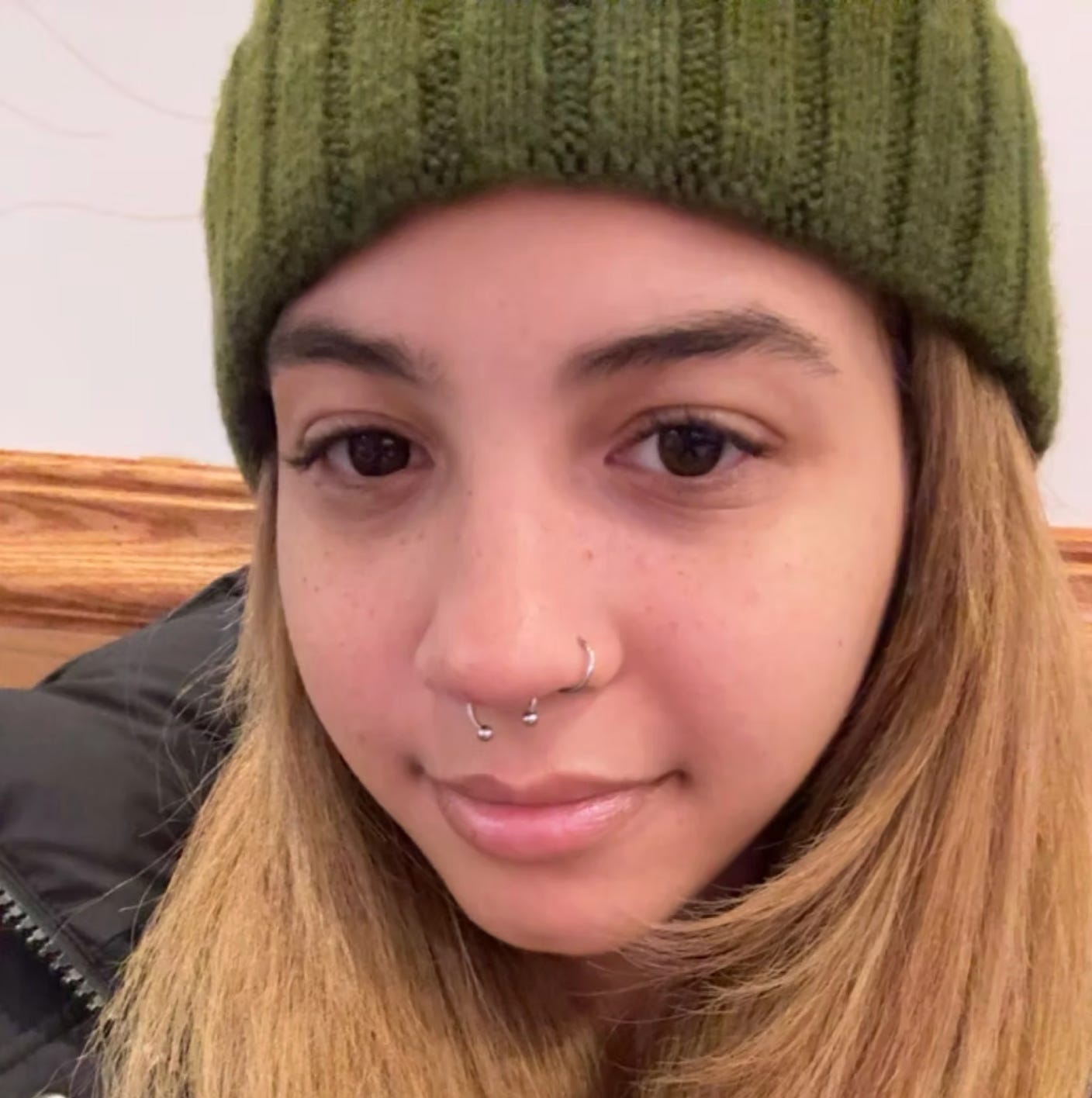
By Mack Bivins, Environmental Education Intern, based in Long Island, New York
“As someone who is studying Sustainability and Community Health and loves animals, I often find myself engaging with environmental justice issues. Throughout various courses, I’ve learned and discussed different ways that injustices show up and how they impact health.
One topic that is of great interest to me is the concept of health equity and health equality. Health equity means that people are being provided with resources and support in order to live their best, healthy lives. Health equality means providing everyone with identical care regardless of individual needs. In order to reduce the disproportionate amount of health risks in marginalized communities, we must not only discuss the underlying social structural issues, but also bring to light the methods needed to minimize the damage that the injustices are causing these communities.
When we think of systems being interconnected, we are able to consider the needs and impacts on all parties and perspectives. Whether it be a painting on a canvas or an array of soil samples. We are telling a story of injustice.”
From Policy to People: Reframing Climate Action

By Robine Dullaert, NGO Management Intern, based in Brooklyn, New York
“For most of my career, climate change was something I navigated through high-level meetings, diplomatic negotiations, and large, often complex policy files. As a Senior Policy Officer at the Dutch government, I spent years trying to accelerate the global energy transition by negotiating frameworks, briefing ministers, and tracking our goals. And while I believed in the work, something always felt incomplete. The people most affected by a warming planet rarely appeared in the rooms where decisions were being made. Climate action, as I lived it professionally, was urgent and well-intentioned, but often oddly impersonal.
That tension followed me to New York, where I made a deliberate choice to get closer to people and further from policy corridors. Volunteering at a soup kitchen in my neighborhood became an unexpected anchor in that process. Not because it connected neatly to climate or energy transition policy, but because it showed me what it feels like to be in a room where the conversation is about immediate human needs.
What shapes my perspective as I engage with it is the belief that the climate crisis is also fundamentally a story about people: about who gets heard, who carries the burden, and who gets to imagine the future. My background in policy taught me how systems work and why they’re so hard to change. But it was stepping outside those systems, into soup kitchens, community spaces, and more creative spaces, that showed me why they must and for whom. The goal, as I see it, is not to choose between the systemic and the human, but to refuse the idea that they are separate.”
Heart-Led Climate Action: From Passion to Movement
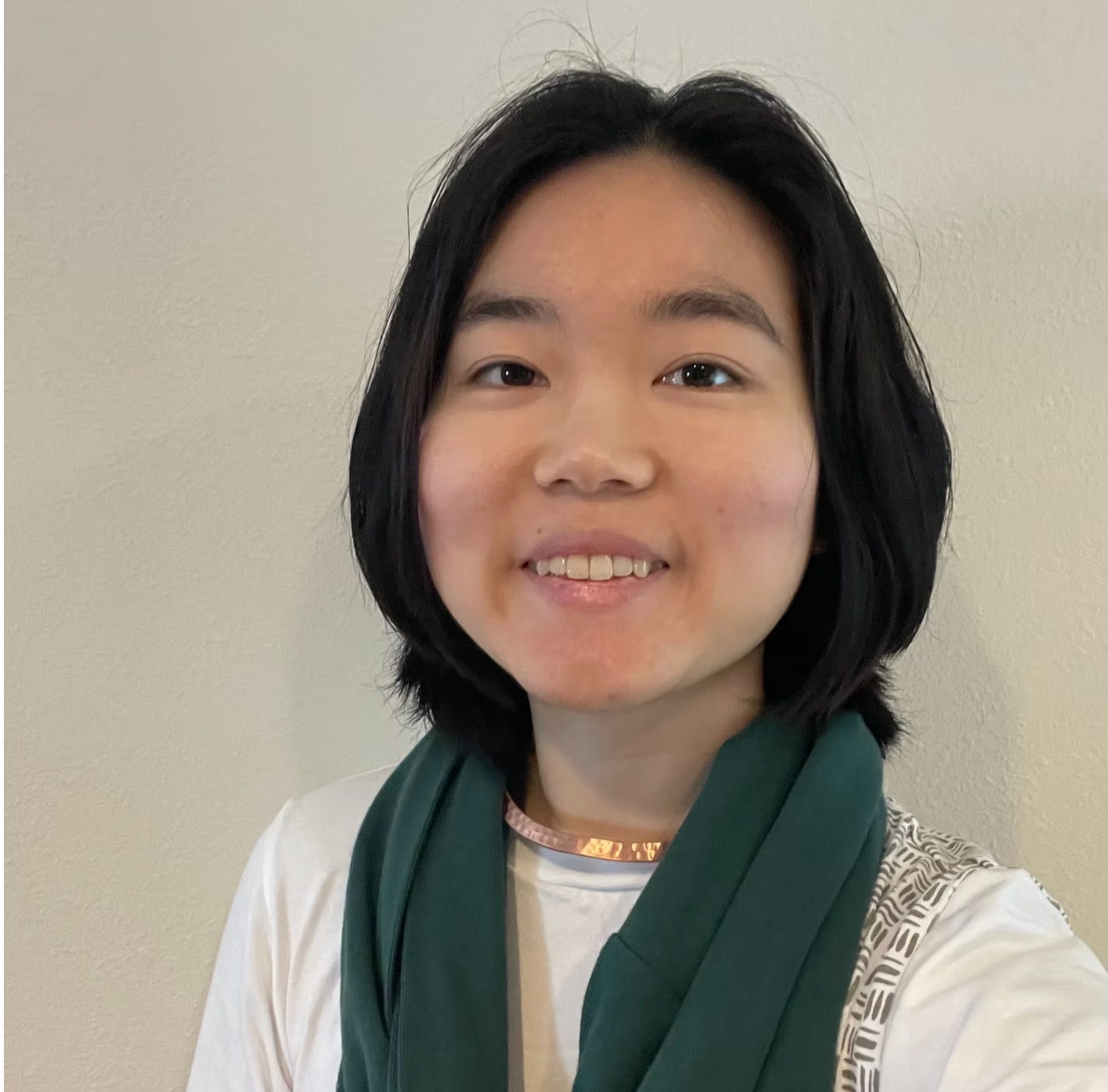
By Avalon Akashi, Climate Justice Fellow, based in Brooklyn, New York
“It’s hard for me to explain in words why I am dedicating my life to the causes of climate activism or sustainability. Perhaps it’s because my actions are “heart-led”, rather than rooted in logic or a particular moment in my life. Since childhood, I’ve had an innate desire to care for this Planet, and it has manifested through everything from smaller, daily actions to the movement spaces I have consistently volunteered with.
I only found my voice as an activist after moving to New York City, however. On September 17, 2023, I hit the streets of Manhattan with a sign that read “Free the Planet from Fossil Fuels!” along with tens of thousands of New Yorkers. With my own eyes, I saw how people—masses of them—were willing to disrupt the status quo and demand change. Equally importantly, I realized that I didn’t have to “play nice” or pretend that “everything is fine”—being bold and telling the truth are options too.
Much has changed since that march, and as of today, I have spent the last year and a half organizing with the Sunrise Movement NYC, a youth-led climate justice movement. Though I deeply value my experiences in political organizing, I recognize that politics cannot penetrate the core underlying issue in our society, which is that caring for each other and our planet is not valued enough. To inspire action on climate justice and move towards a sustainable, equitable future together, we need a deeper way to reach people, a way to touch their hearts and remind them of our shared humanity. That’s where art, storytelling, and community-centered approaches come in, and why the Human Impacts Institute’s work is so needed, because it’s not just about climate action, but also individual and cultural transformation.”
Connecting Daily Actions to Collective Change

By Madelyn Nelson, Creative Communications Intern, based in Aix-en-Provence, France
“I first became interested in climate justice in school, but most of what has shaped how I think about it now comes from everyday life. As an Environmental Studies major at Fairfield University with a minor in Politics, I gained the background to understand climate change. However, I now understand that learning the facts is just the start to creating real change. Real change happens through our daily routines, the relationships we build, and the cultures we shape every day.
Being surrounded by environmental students in high school and college sometimes makes it easy to forget that not everyone has the same background or entry point into climate conversations. Once I stepped outside that space, I met people who care deeply about the world but do not know where to start. That is where I realized how important communication and example really are. You do not always need to lecture people; sometimes, just modeling sustainable choices is enough to spark curiosity or change.
What keeps me engaged in climate justice is the idea that meaningful change starts small and spreads through people. Climate action does not live simply in policies or classrooms; it lives in households, communities, and through choices we make every day.”
Carrying Climate Justice Across Borders
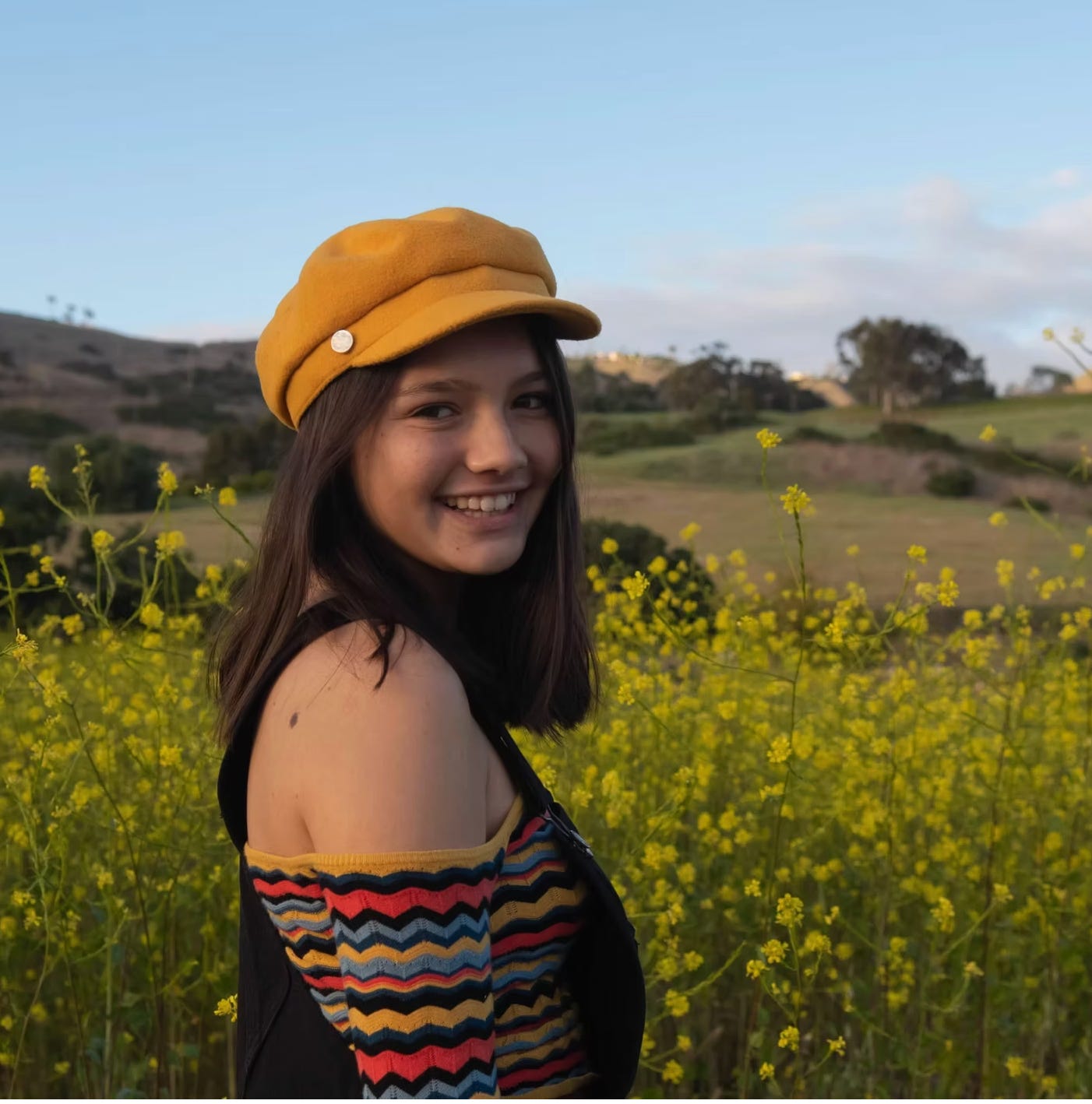
By Sammy Aldover, NGO Management Intern, based in Aix-en-Provence, France
“Since my first watch of the 2014 factory farm documentary Cowspiracy, I have thought of the environment in every individual action I take. My high school environmental science class catapulted me into joining the Sunrise Movement chapter in my town, where we successfully campaigned for our city’s endorsement of the Green New Deal.
I am lucky that my parents instilled in me a sense of travel while growing up; my options were never restricted to one country, and I was encouraged to go abroad. This global mindset continues to shape my pursuit of contributing to the environmental movement, where challenges are deeply interconnected and transcend national boundaries.
My experience in environmental justice activism and love for the global community reflect the movement-building mission of HII. By utilizing arts and culture to educate and empower the most affected communities, HII’s dedication to inclusivity is deeply important to me. As a Filipina-American, this fight feels personal. Coming from one of the most vulnerable countries and seeing how increasingly destructive natural disasters have affected my family has only deepened my dedication to help in any way I can.”
HII is grateful to Georgia, Tara, Mack, Robine, Avalon, Madelyn, and Sammy for sharing their stories with us. What strikes us most is not just what they do, but how their commitment took shape—through refugee centres and soup kitchens, marches and classrooms, family and distance, and the steady accumulation of paying attention. Their reflections remind us that climate action is as much about human stories, community, and shared responsibility as it is about policy and data. By centering lived experience, creativity, and cultural engagement, we expand the ways we understand and approach people-centered climate justice.
Comments
Nothing yet. Say the first thing.
Sign in to join the conversation.