
👋 Fellow Humans, we write about AI’s impact on society, with a focus on education and the future of work. We’re also an NGO in the making, bringing people together in Berlin, Munich and online. For more, visit our website: humanfuturehub.org
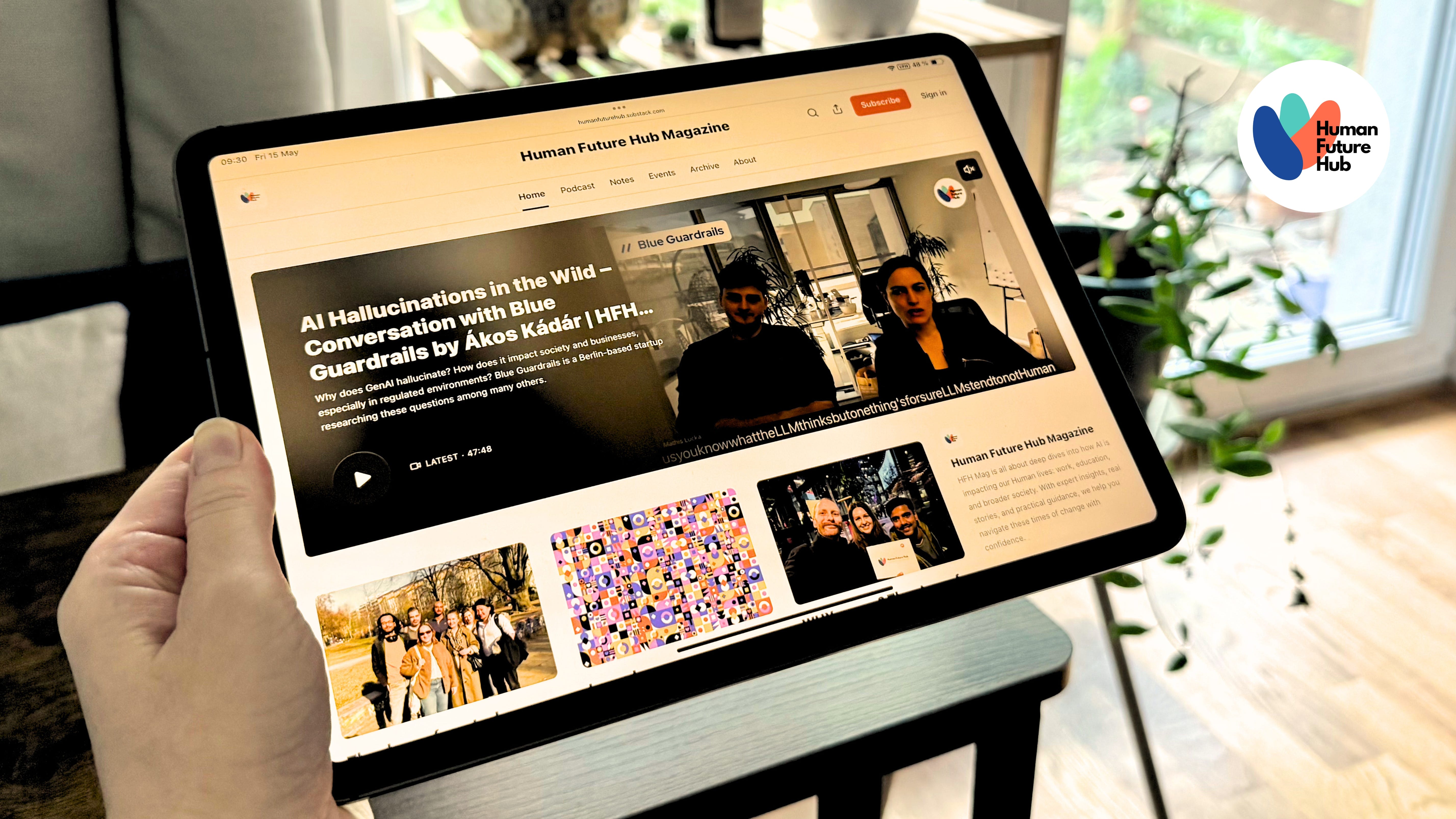
We’re starting with a topic that sounds technical but isn't entirely that: hallucinations. The kind that undermines trust in AI systems, which doctors, lawyers, and financial advisors rely on more and more. This month, we go deep on that problem: a podcast conversation with Berlin startup Blue Guardrails, who are working on AI reliability and error mitigation in highly regulated environments, plus an article by ours truly Ákos Kádár – a machine learning researcher – if you want the fuller picture.
We’re also a little bigger than we were two months ago. Our Berlin team met for coffee, and we kicked off our Munich Chapter with a conversation about AI’s impact on writing and publishing. Recap in the next newsletter ;)
And for something that has nothing to do with risk mitigation: our friend Niloo contributed a piece of creative inspiration. A good reminder of what we’re actually here to cherish and protect.
Much more is in the pipeline, and we can’t wait to share it with you.
Enjoy the read.
PODCAST 🎙️
This is a big announcement: we’ve launched a podcast! We had the pleasure of hosting Blue Guardrails, a Berlin-based company that helps organisations work with proprietary data safely and reliably. We talked through the mechanics of why GenAI gets things wrong and how to fix it.
This is the first in a series. We’re on the lookout for more AI realists who see past the hype and build with this technology in ways that are genuinely responsible and useful.
If that sounds like you or someone you know, get in touch 👋
FEATURED ARTICLE 📙
Large Language Halucination: From Fake Legal Cases to $1 Cars
·
Feb 6

You guessed it, genAI hallucinations are the main topic of this newsletter, so to provide you with a reliable take on things, here's a technical deep dive into why LLMs fabricate information, the real-world damage it causes, and what you can actually do about it.
Share Human Future Hub Magazine
REFLECTION FROM LIZ 🩵
Lizanna Engel
What makes us humans “hallucinate” in real-life situations? Often, it’s our biases, blind spots and assumptions.
A helpful strategy can be: to audit your “training data”.
What “fact” are we treating as absolute that might be outdated or context-dependent?
Where did we learn this belief? Is it still serving us, or is it a “hallucination” from an old system?
What new data (experiences, feedback, or research) contradicts my current understanding?
Her advice for you: Remember that you are not your past data. Take the time to update your models intentionally!
If you feel like getting in touch, here’s the link to her website: www.regenerative-mind.com
LIFE AT HFH 🫀
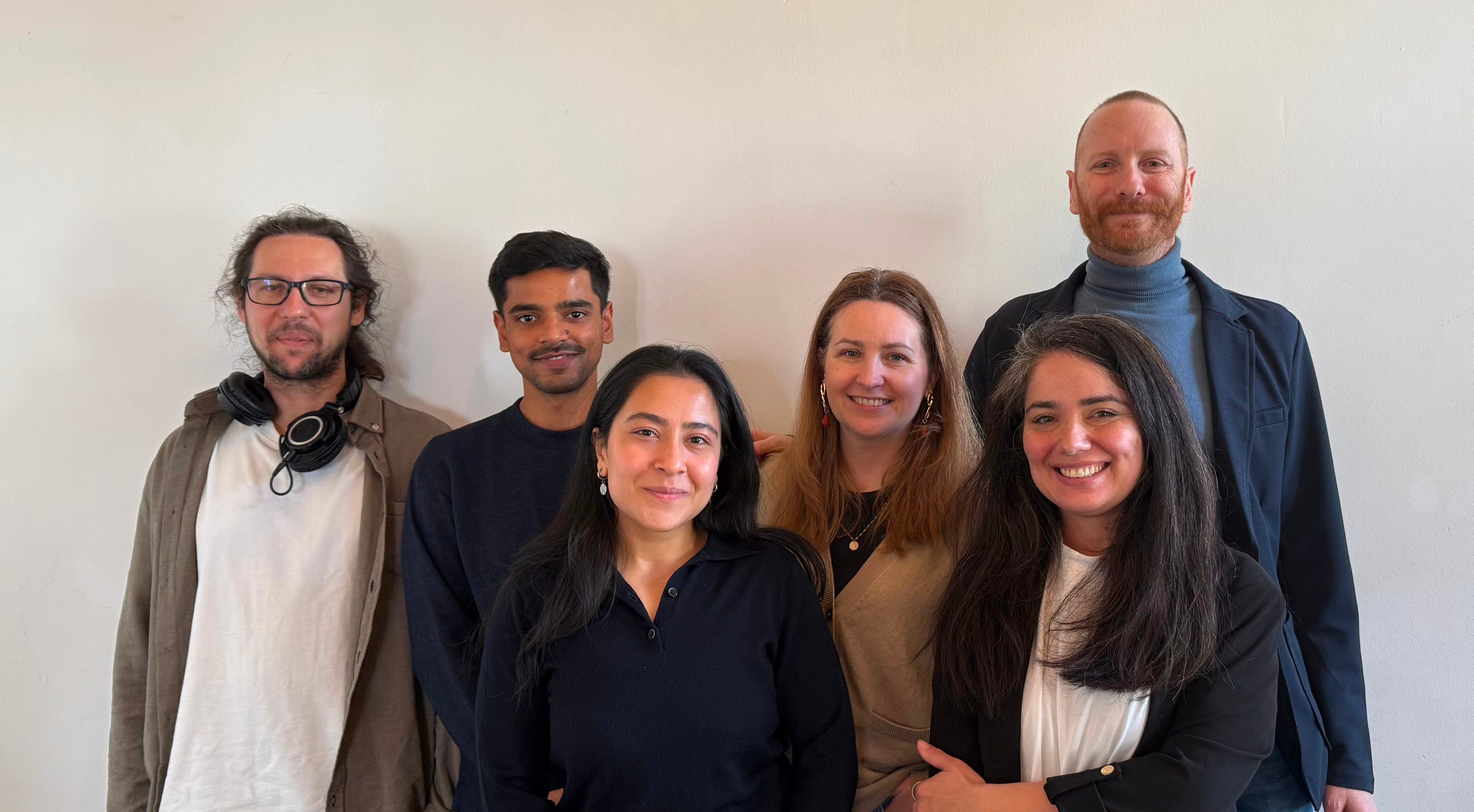
Our volunteering team has grown a lot in the last two months. Working remote-first, mostly async and having online conversations meant it was overdue to meet each other in reality! So we got the Berlin team together for coffee in person. That’s a start 😅 and we do plan something bigger soon.
What happens when AI becomes the author?
·
May 29
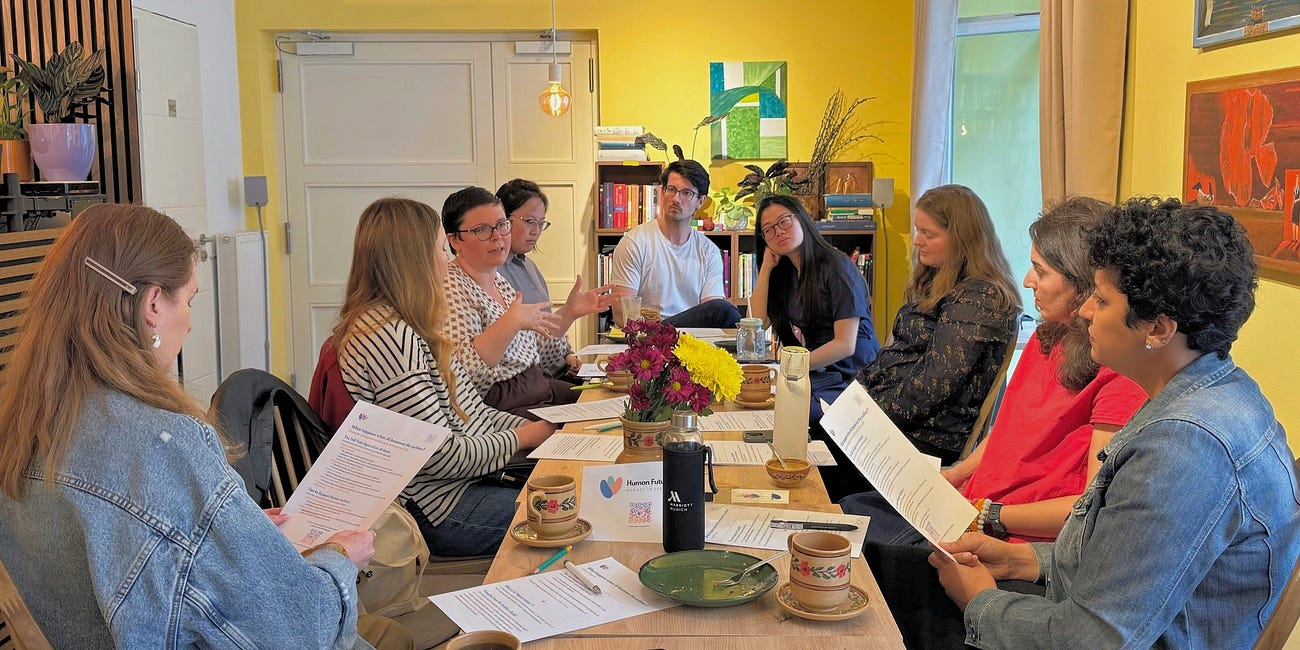
On May 21st, we held our first meetup in Munich to tackle a complex question: What happens when AI becomes the author? Hosted at Parse Bookstore and led by Human Future Hub’s Munich Chapter Lead, Marie-Claude Gill-Lacroix. Read all about it in her personal recap.
INSPO
WHAT GOT US TALKING 🗣️
Articles, videos, and podcasts that we share in our team’s Slack channel, and which cause heated discussions.
He Warned About the Dangers of A.I. If Only His Father Had Listened.
AI Chatbots: Last Week Tonight with John Oliver (HBO)
How AI job scams are destroying people’s hopes | Letters
Doomjobbing: how the modern job hunt became a vicious loop
Alabama Supreme Court drops the gavel on lawyer who apparently used AI to apologize for using AI
Thank you for reading 🤓 and see you in the next one! 💙🩵🧡
No posts
Comments
Nothing yet. Say the first thing.
Sign in to join the conversation.