
The moment I first interacted with ChatGPT is still clearly etched in my memory. I had read about this AI miracle on my Twitter feed and expected another overhyped tool with limited real-world use, but a few minutes of using it surpassed my expectations. It felt like chatting with a superhuman. Even then, I could not have imagined how fast generative AI would take over the world and usher in the era of LLM agents.
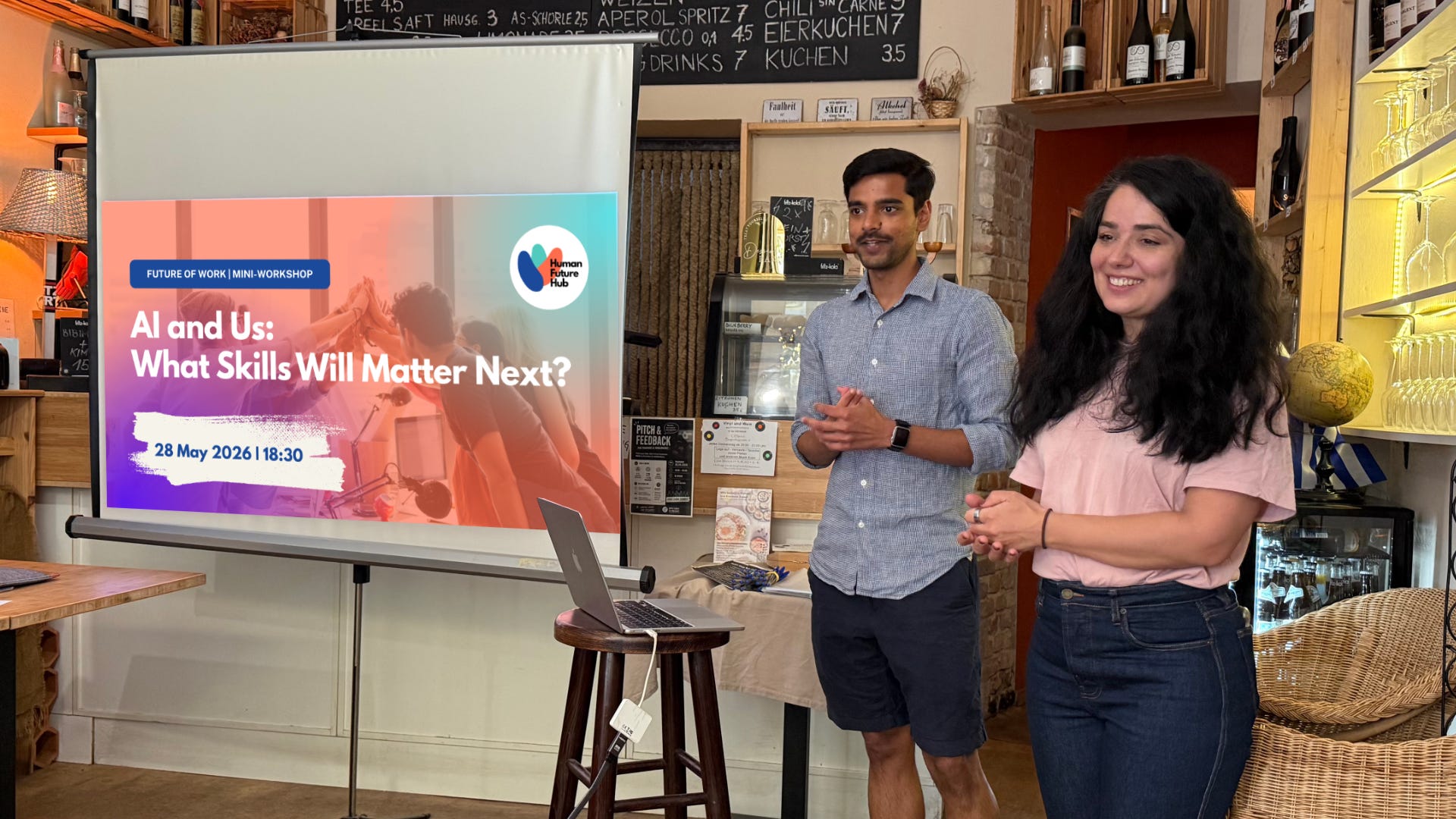
Three years on, generative AI has gone from being a super-smart chatbot to being touted as a one-stop solution for almost anything that requires cognition. That shift makes me think hard about how we, as humans, will fit into this new reality. One question kept surfacing at previous Human Future Hub meetups: what are the skills that will help us not just survive but thrive in the age of AI? No clear answer emerged, but there was firm agreement that the question is genuinely difficult, precisely because generative AI keeps advancing so quickly. So we decided to look deeper, and the idea of a session on the skills of the future was born.
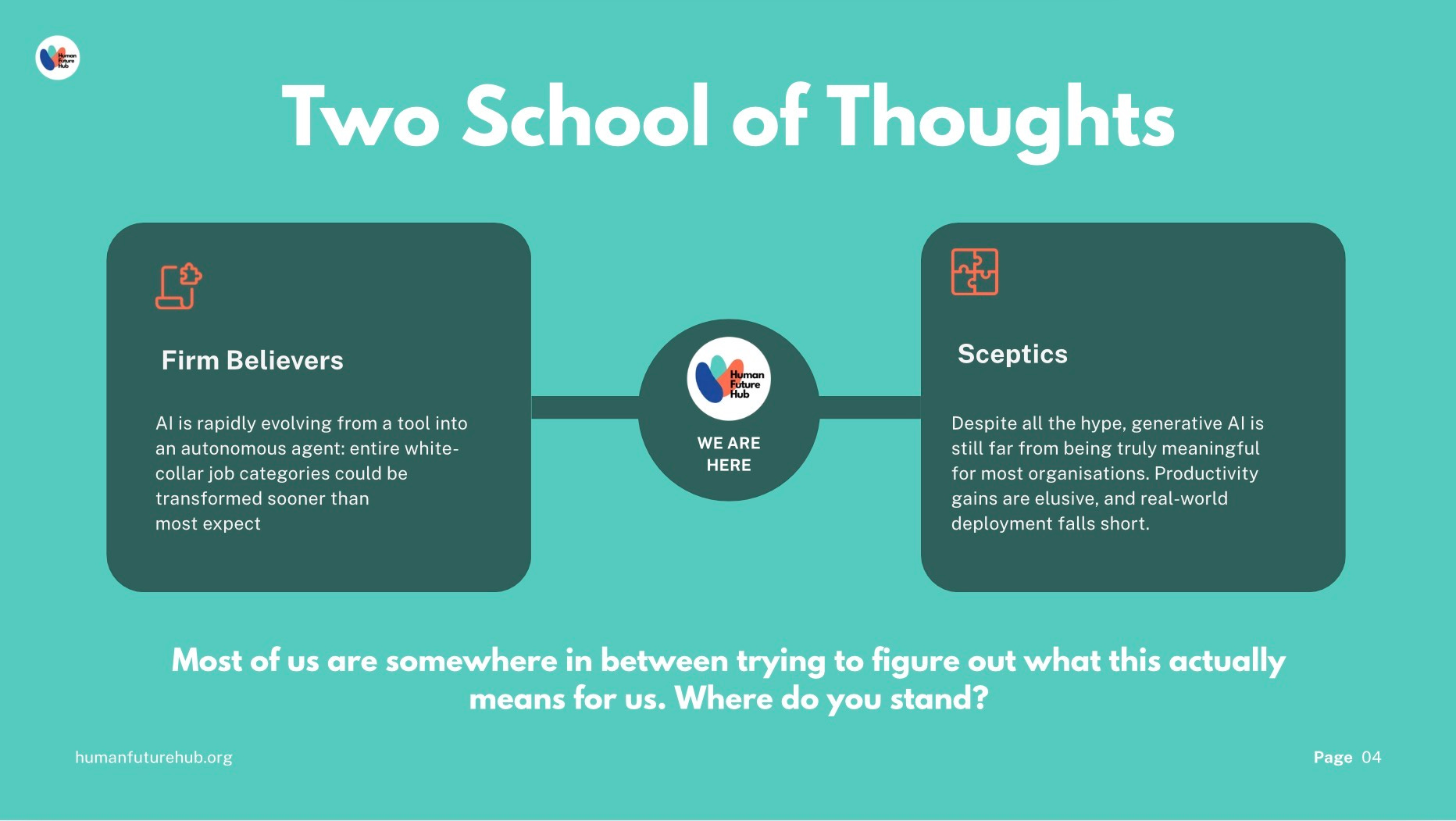
Today's public discourse on AI tends to split into two opposing camps. On one side are the believers, who expect AI to automate large portions of white-collar work. On the other hand are the sceptics, who think that, despite the hype, it is still far from being truly useful to organisations. Whatever the discourse says, the corporate world is clearly buying into the promise. The recent rounds of layoffs at Amazon, Block, and Morgan Stanley are evidence of that.
AI has reached a tipping point, and it is going to reshape our jobs as we know them. The onus is on us to prepare: to identify what the future demands, what we already have, and what we still need to build in order to face the age of AI and persevere in it.
That is why we organised a meetup, a space to come together and discuss how to upskill ourselves. The plan was to exchange points of view through a lightly guided conversation.
We kicked off with ten participants, all from tech or tech-adjacent backgrounds. Before getting to the upskilling part, we first asked ourselves what our daily work actually looked like and where we spend most of our time. It sounds simple, but it was a useful way to structure the discussion. The general consensus was that work involving "strategy" and "judgment" creates the most value, while "execution" and "analysis" consume the most time.
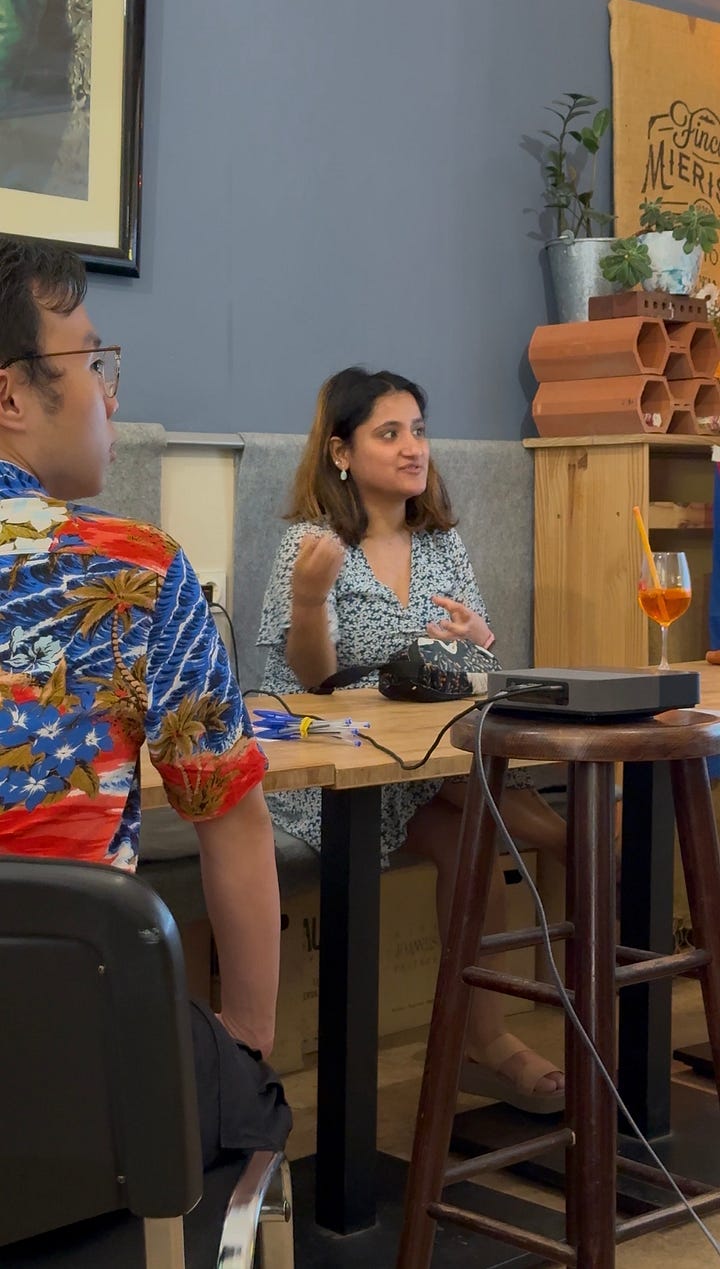
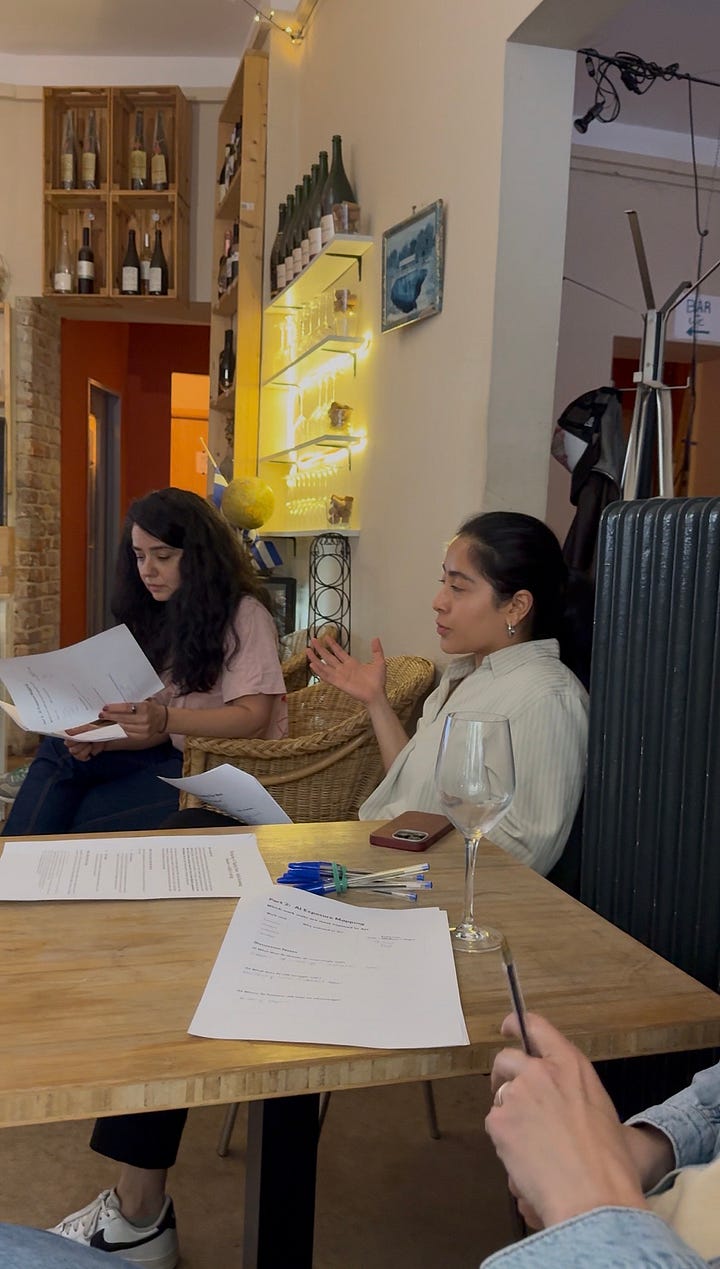
We then moved to the second stage, mapping our work against its exposure to AI. The conversation centred on three questions: what AI does well, what it struggles with, and where humans still hold an advantage. The group agreed that AI is strong at the execution side of our jobs, but that humans still lead on strategy and judgment. The reason is that AI struggles with original thinking, lacks a high-level perspective, and misses the broader context needed to tie everything together.
In the final stage, we went deeper into skill development. To guide the conversation, we borrowed the UK government's AI skills framework, which assesses an individual's AI fluency across three domains: technical skills, responsible and ethical skills, and non-technical skills. Participants took time to map their current skills against the framework. The result was a telling mix. People from both technical and non-technical backgrounds found themselves lacking in the ethical and non-technical areas. Those with a software engineering background found this especially useful, as it made them more aware of the responsible and ethical side of generative AI.
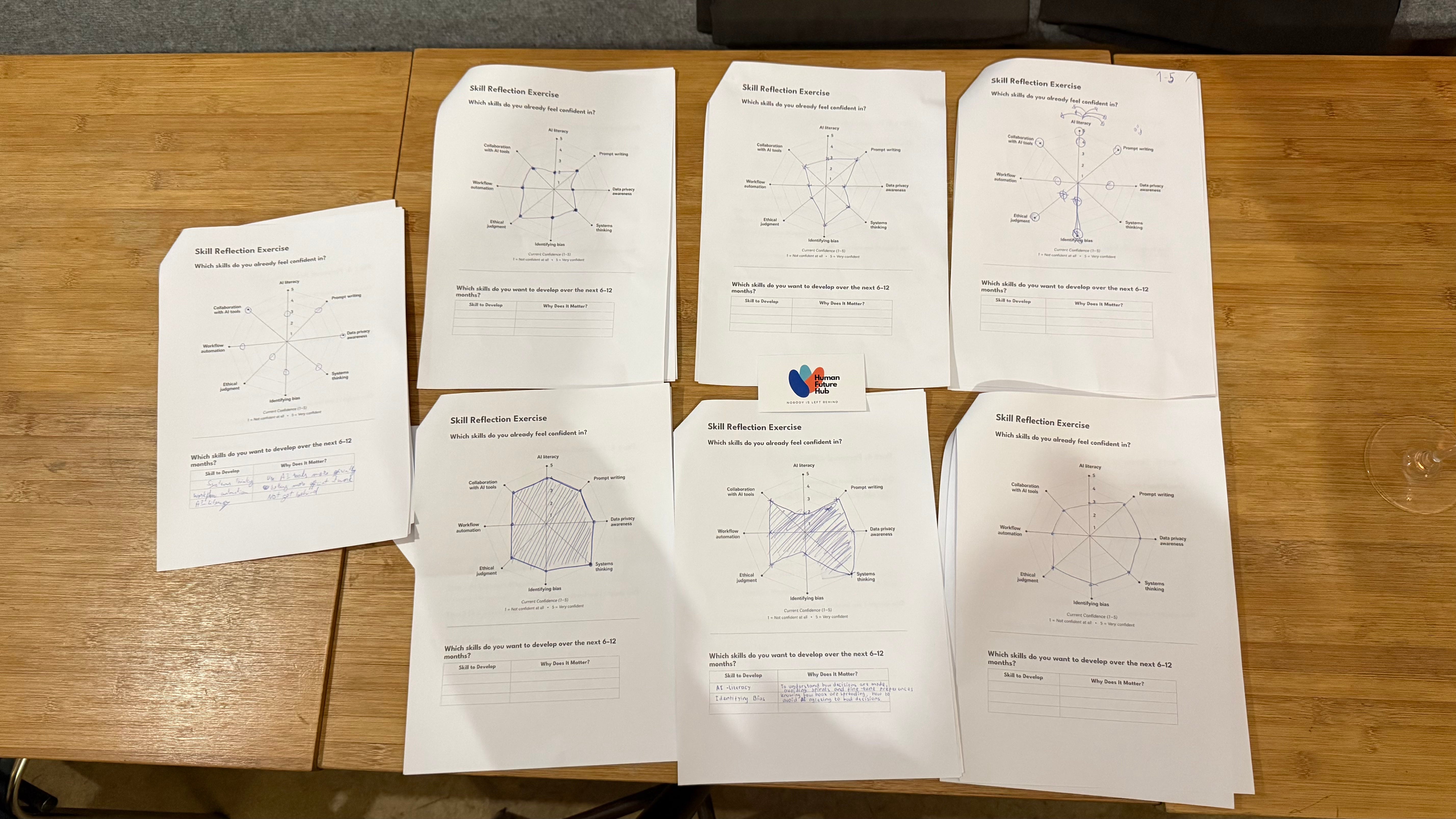
Perhaps the most valuable part of the meetup was not arriving at definitive answers, but realising that many of us are asking the same questions.
At the Human Future Hub, we are AI positivists. We believe this technology is here to stay, but that it can develop in a humanistic way. This session was a small effort to put humans at the centre of an AI-driven change. It is hard to say how the technology will evolve or how it will reshape our jobs, but with the information available to us today, we can at least make a conscious effort to prepare for the transition.
Humans, together. Nobody left behind. 💙🩵🧡
Comments
Nothing yet. Say the first thing.
Sign in to join the conversation.