
Many years ago, at a time when it was still common for Wipro-Infosys comparisons, Wipro’s Azim Premji told me that while Infosys had democratised ownership, Wipro had democratised management. Subsequent events would add context (and raise questions) about this comment, but all I can say was that it was accurate at the time it was made.
I was reminded of this conversation this week after Tata Sons chairman N Chandrasekaran said he would not seek an extension of his term that ends in February 2027. In his letter, he was also forthright about the ownership-management issues that prompted his move (although he stayed away from personalising these).
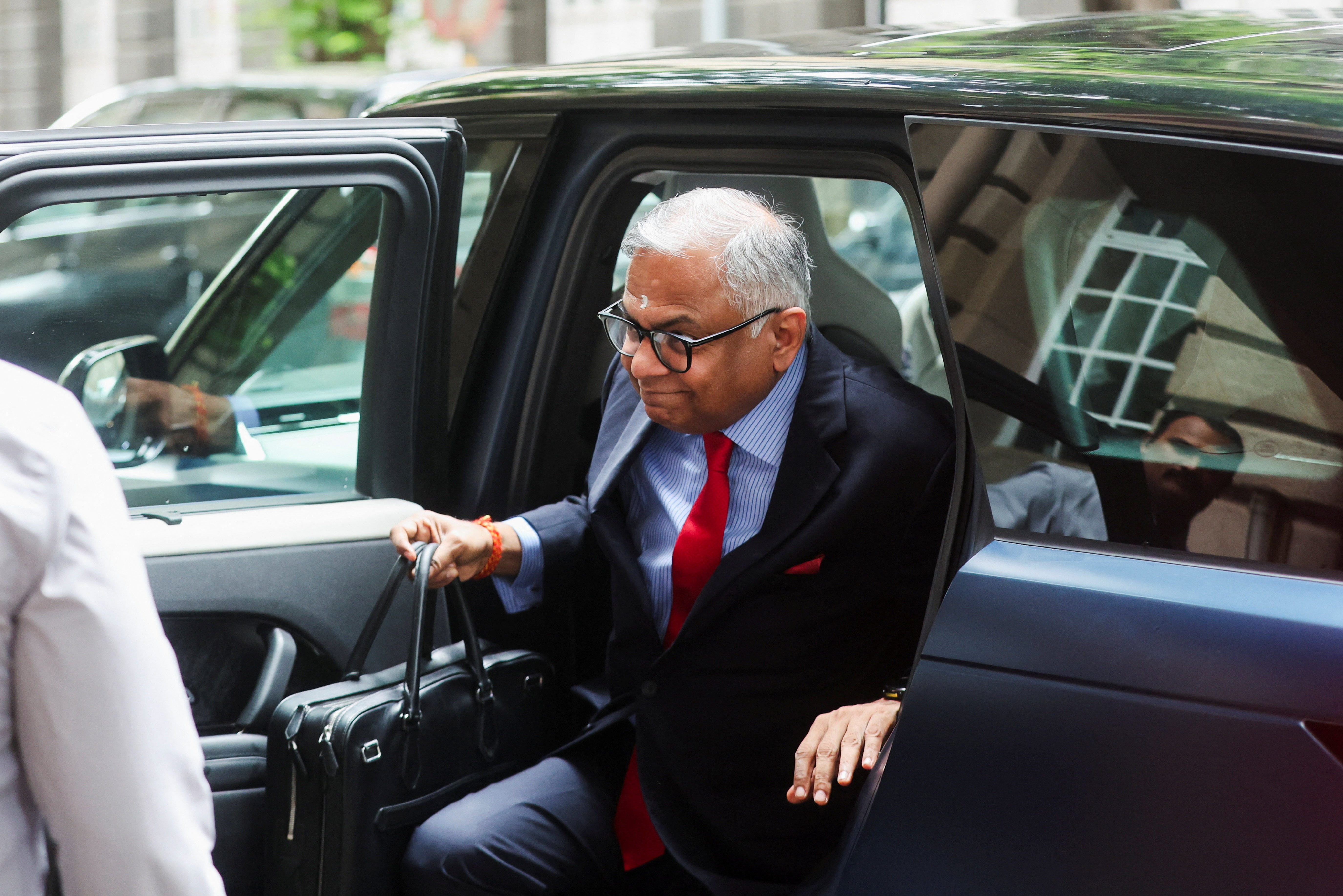
Much of the commentary surrounding his decision has revolved around issues between him and Tata Trusts, headed and controlled by Noel Tata, but to characterise this as merely a battle for control of the Tata group — the kind of narrative that makes and sells stories — would be a case of missing the wood for the trees. To be sure, the recent history of the Tatas is itself responsible for this narrative. As long as Ratan Tata headed both the trusts and the group, all was well. When he handed off the leadership of the group to Cyrus Mistry, problems emerged between the trusts (which he still controlled) and the management, eventually resulting in Mistry’s ouster and the appointment of Chandrasekaran. After Ratan Tata’s passing, Noel Tata became chairman of Tata Trusts. He, or someone else from his family, may become chairman of Tata Sons after February. If so, it would unify ownership and management.
But the larger issue — and the reason the ownership vs management narrative isn’t the whole story — will remain. This is performance. The group’s digital foray, through Tata Digital, has failed to live up to its hype. The acquisition of Air India may or may not have been a mistake, but what’s happened to the airline since then is straight out of a case study on how not to run a business. And Tata Consultancy Services, like other Indian IT services companies, seems to have missed the AI bus, at least on the evidence of its market capitalisation (down by half since its 2024 peak in dollar terms).
It is important to acknowledge the performance dimension — even as it is realistic to accept that the constant motivation of some owners, and, sometimes, a transient motivation for all is to perpetuate dynasties. It can also legitimately be argued that sometimes, the motivation for professional managers who have spent a long time in a leadership position in a company or conglomerate is to create a satrapy. In my years in business journalism, I have met a fair share of dynasts and satraps. Some dynasts have excelled on the performance dimension; and some satraps have seen their companies floundering.
A more considered (and granular) assessment of Chandrasekaran’s time as head of the group may be needed. My sense is that he did really well in his first term, but his second term has been buffeted by the messy Air India acquisition, and the AI disruption. Can this be labelled a failure of his leadership? That’s a question for shareholders to ponder — which, in a way, is perhaps what they are doing.
Almost 20 years ago, when we launched Mint, the headline on Day 1 was ‘What now, Mr Tata?’ That was on the day of the Corus acquisition. On Friday, I messaged Raju Narisetti, Mint’s founding editor, that the headline is relevant even now! But with a different Mr Tata. The more things change…
India turns 79 today (Saturday). That may not seem very old (it isn’t, not for a country), but given that around two-thirds of countries that are independent secured their independence after India, 79 is relatively old. And in a country where the median age is around 29, it is very old. By some estimates, there are around 20 million people over the age of 79 in India. That’s 1.4% of the population. If one were to assume five or six as the age of awareness (or earliest memories) for people, the number shrinks further — just around 7 million Indians are over the age of 85 years. That’s 0.5% of the population. India’s Union cabinet has one minister born before independence (but he was only three years old in 1947, so it probably doesn’t count). Am I leading somewhere with all the numbers?
What happens when no one can really remember life before independence? Does a society’s understanding of an event change in any way when there is no longer anyone who has lived through that event? What happens when a generation’s only knowledge of August 15, 1947 comes from history books, and reprints of that day’s newspapers (sourced from quick commerce companies; Hindustan Times’ Independence Day issue is available on Blinkit)? What do we lose? What do we gain?
This year, we decided to mark Independence Day by profiling five 79-year olds. Their lives, and their stories, are the story of independent India.
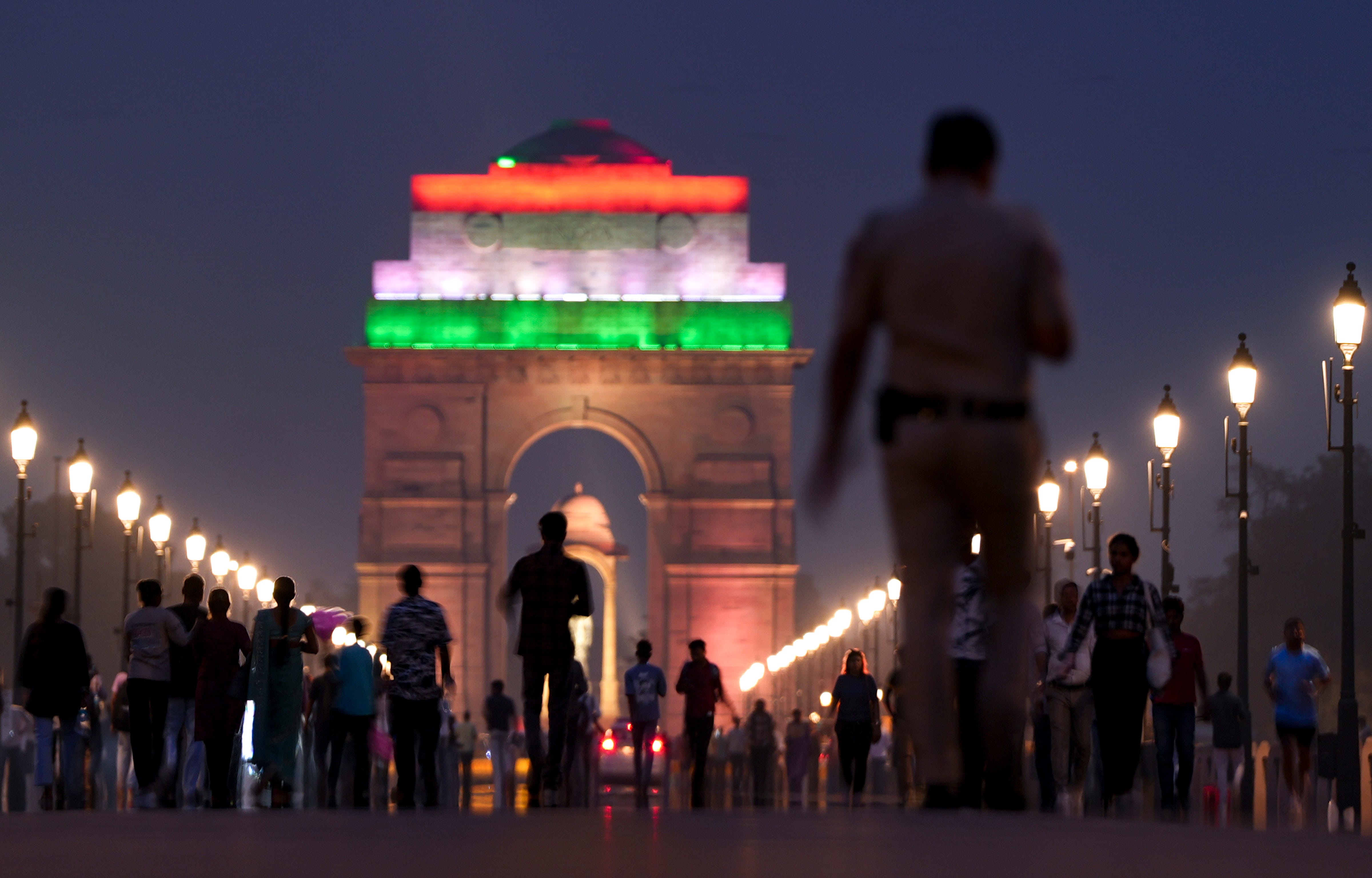
My colleague Roshan Kishore compared India as it enters its 80th year, with India as it entered its 50th, based on his own experiences growing up in Bihar. There’s been a huge change, he writes, almost all for the better — although he isn’t as sanguine about the future.
HT Wknd columnist Kashyap Kompella penned a more upbeat piece about what India could do.
“It’s time to think about who we want to be, as the world shape-shifts again. We are currently makers, and doers.India supplies the world with software engineers, doctors, CEOs and blue-collar workers; films, food, a spiritual vocabulary; medicines and affordable satellites.At 79, it’s time for an intellectual leap. Ask not what the world can do for India. Ask what India can imagine for the world. Can this be the place ideas come from; and inspiration? Can we communicate those ideas so effectively that they travel the world?”
Or are we destined to evolve from being the back office to the data centre capital of the world? Data centres are all the rage among state governments wooing foreign investors. Come and set up here, they say, and you won’t have to worry about power or water. That’s very different from the reactions data centres engender overseas, especially in the US. But what’s the real cost of data centres? HT Wknd columnist and clean tech investor Mridula Ramesh asked this question across two pieces last week. Both are essential reading for states that see data centres as the answer.
Phoebe Bridgers’ new album Lost Weekend dropped Friday and I have been listening to it on loop. I have been a fan since I discovered Punisher during the pandemic; the short-lived superband Boygenius reinforced my belief that Bridgers was the real thing. It could be, as a friend observed, that I am partial to women singing sad songs (that are well written) — the observation came with reference to not just Bridgers, but also my fondness for the Adrianne Lenker-fronted Big Thief — or it could just be that this is really good music. I’d like to believe that.
Happy Independence Day.
Till next week. Send in your bouquets and brickbats to sukumar.ranganathan@hindustantimes.com
No posts
Comments
Nothing yet. Say the first thing.
Sign in to join the conversation.